The Secret to Restaurant-Quality Seafood Boil Seasoning
Share
Understanding the Foundation of Great Seafood Boil Seasoning
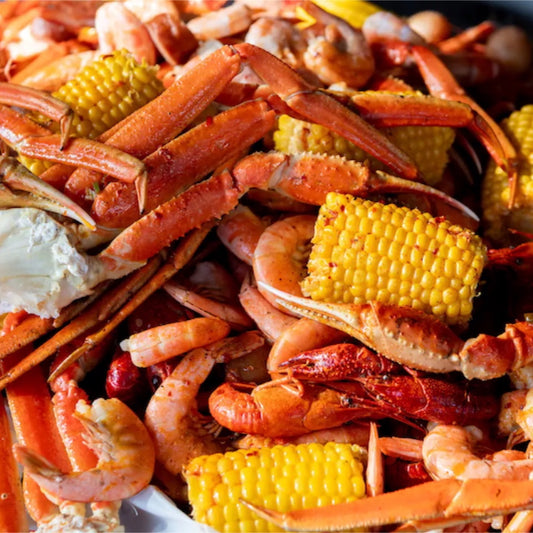
The cornerstone of any exceptional seafood boil lies in its seasoning blend. Professional kitchens guard their proprietary spice combinations like culinary treasures, and for good reason—the right seafood boil seasoning transforms simple crustaceans into an unforgettable feast.
Traditional Cajun and Louisiana Creole seasonings form the backbone of authentic seafood boils. These time-honored formulations incorporate aromatic compounds that penetrate shellfish during the cooking process, creating layers of flavor that dance on your palate. The secret isn't just in the individual spices, but in their proportions and the method of application.
Essential Spice Components That Make the Difference
The Holy Trinity of Heat and Flavor
Cayenne pepper provides the foundational heat, while paprika contributes both color and subtle smokiness. White pepper adds a different dimension of spiciness that black pepper simply cannot replicate. This triumvirate creates the thermal complexity that separates amateur attempts from restaurant-quality results.
Garlic powder and onion powder serve as aromatic anchors. These dehydrated alliums concentrate flavors without introducing moisture that could dilute the seasoning's potency. Bay leaves, when crushed rather than left whole, release volatile oils that permeate the boiling liquid.
Lesser-Known Flavor Enhancers
Celery seed brings an unexpected herbaceous note that complements seafood's natural brininess. Mustard seed, particularly when cracked, introduces a pungent bite that awakens the palate. Coriander seeds provide citrusy undertones that brighten the overall profile.
"The difference between good and extraordinary seafood boil seasoning lies in understanding how each spice interacts with shellfish proteins during the cooking process."
Professional Application Techniques
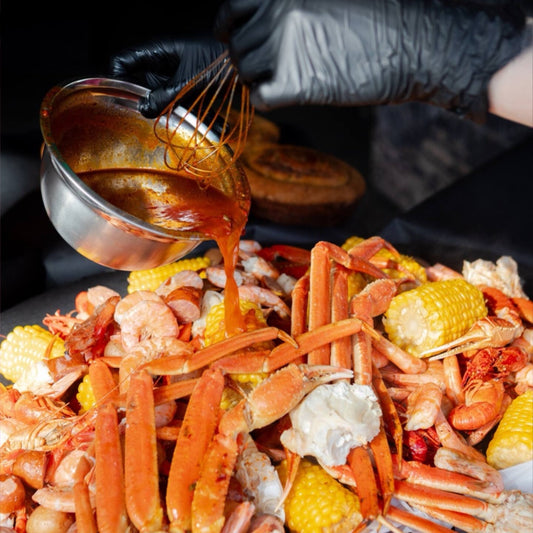
Restaurant chefs employ specific methodologies when incorporating seasoning into their boils. The timing of spice addition dramatically affects flavor penetration and intensity.
- Pre-seasoning the water allows aromatics to bloom before seafood introduction
- Creating a concentrated spice paste enhances adherence to shell surfaces
- Adjusting salt content based on seafood variety prevents over-salination
- Finishing with fresh herbs adds brightness to the final product
Balancing Salt, Acid, and Umami Elements
The Science Behind Flavor Balance
Achieving restaurant-quality results requires understanding flavor equilibrium. Salt doesn't just season—it enhances natural seafood flavors while helping other spices penetrate protective shells. Too little salt results in flat, one-dimensional taste. Excessive salt overwhelms delicate crustacean flavors.
Acidic components like lemon pepper or citric acid brighten heavy, rich flavors while tenderizing proteins. These elements prevent palate fatigue during extended eating sessions.
| Flavor Component | Primary Function | Recommended Ratio |
|---|---|---|
| Salt | Flavor enhancement | 15-20% of blend |
| Heat (cayenne) | Thermal sensation | 8-12% of blend |
| Aromatics (garlic/onion) | Base flavor foundation | 25-30% of blend |
Storage and Freshness Considerations
Professional establishments understand that seasoning potency degrades over time. Ground spices lose volatile oils faster than whole counterparts. Proper storage in airtight containers away from light and heat preserves flavor integrity.
Creating smaller batches ensures optimal freshness. Pre-mixed seasonings should be used within six months for maximum impact.
Frequently Asked Questions About Seafood Boil Seasoning
How much seasoning should I use per pound of seafood? Professional kitchens typically use 2-3 tablespoons of seasoning per pound of mixed seafood, adjusting based on guest preferences and spice tolerance.
Can I prepare seasoning in advance? Absolutely. Pre-mixed seasonings actually benefit from resting time, allowing flavors to meld and marry. Store in airtight containers for optimal preservation.
What's the biggest mistake home cooks make? Under-seasoning the cooking liquid. The water should taste boldly seasoned before adding seafood, as flavors will dilute during the cooking process.
Mastering restaurant-quality seafood boil seasoning elevates your culinary game exponentially. Whether you're hosting intimate gatherings or craving that perfect late-night indulgence, understanding these professional techniques ensures consistently exceptional results that rival your favorite establishments.