Seafood Boil Seasoning Hacks That Turn Up The Heat
Share
Seafood Boil Seasoning Hacks That Turn Up The Heat
What you'll learn in 600 words
- How to build a powerful seafood boil seasoning base and layer heat without overpowering delicate seafood.
- When to use seafood boil butter bombs for a clean, spicy finish.
- Smart tweaks for seafood boil delivery and how to reheat without losing snap or spice.
Who this guide helps
- Home cooks dialing in heat levels from mild to fire.
- Fans of delivery boils seeking fresher, hotter flavor.
- Hosts wanting crowd-pleasing spice with safe, consistent results.
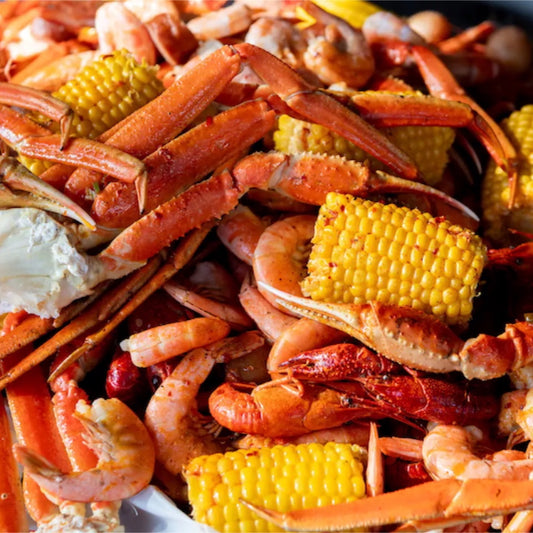
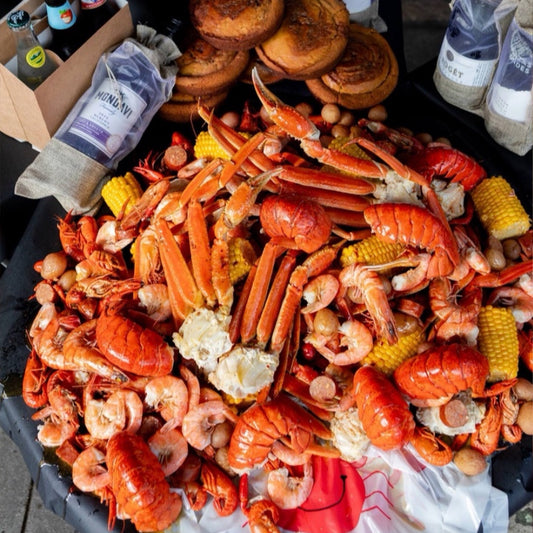
Nothing beats the satisfaction of cracking into perfectly seasoned shellfish that delivers both heat and flavor. Whether you're crafting your own boil at home or elevating takeout from your favorite spot, mastering the art of seafood boil seasoning transforms a good meal into an unforgettable feast. The key lies in understanding how spices bloom, when to layer heat, and how to balance fire with the natural sweetness of fresh seafood.
Professional boil houses know that exceptional flavor comes from technique, not just throwing more cayenne into the pot. These insider hacks will help you achieve restaurant-quality results while customizing heat levels for any crowd—from cautious newcomers to spice enthusiasts who crave that perfect burn.
Build a Bold Seafood Boil Seasoning Base
Core aromatics and ratios (per 1 gallon water, ~4–5 lb seafood)
- Kosher salt: 1/4 cup; Sugar: 1 tbsp (balances heat); Lemon halves: 2; White vinegar: 2 tbsp.
- Onion (quartered): 1; Garlic (smashed): 10 cloves; Bay leaves: 6; Celery ribs: 2.
- Whole spices: black peppercorns 2 tbsp, mustard seeds 1 tbsp, coriander seeds 1 tbsp, crushed red pepper 1–2 tbsp.
- Seafood boil seasoning blend: 4–6 tbsp (Cajun/Creole or Old Bay + paprika + garlic/onion powder).
Technique that unlocks flavor
- Bloom spices: Toast whole spices 60–90 seconds in a dry pot; add oil, then powdered spices for 30 seconds before water.
- Salt early, acid late: Salt the boil; finish with lemon juice or vinegar to brighten heat.
The foundation of exceptional seafood boil seasoning begins with understanding the alchemy of spice blooming. This technique awakens dormant oils and creates aromatic complexity that penetrates shells and infuses meat. Never underestimate the power of proper salt ratios—they don't just season but help proteins retain moisture during the cooking process.
Heat presets you can trust
- Mild: +1 tsp cayenne +1 tbsp crushed red pepper per gallon.
- Medium: +2 tsp cayenne +2 tbsp crushed red pepper.
- Hot: +1 tbsp cayenne +3 tbsp crushed red pepper (or split with gochugaru for smoother burn).
Pro insight: Gochugaru provides sustained heat without the harsh bite of pure cayenne, making it perfect for those who want fire with finesse.
Turn Up the Heat: Amplifiers and Seafood Boil Butter Bombs
Smart heat boosters that don't overwhelm
- Nasal heat: add green peppercorns or a tsp mustard powder to the boil for lift.
- Silky heat: finish with chili oil, sambal oelek, or Calabrian paste after cooking.
- Umami carriers: a tbsp fish sauce or miso whisked into finishing butter amplifies depth.
Heat amplification requires strategic thinking beyond simply adding more cayenne. Green peppercorns deliver a bright, almost effervescent heat that complements shellfish beautifully. Meanwhile, post-cooking applications like chili oil create glossy, clingable spice that coats each morsel without muddying the delicate broth flavors.
Seafood boil butter bombs: what, when, how
- What: Concentrated, freezer-friendly flavor cubes that melt over cooked seafood.
- Core recipe (about 1 cup): butter 8 oz, minced garlic 2 tbsp, Cajun seasoning 1–2 tbsp, smoked paprika 1 tsp, cayenne 1–2 tsp, lemon juice 1 tbsp, brown sugar 1 tsp, fish sauce 1 tsp (optional), chopped parsley.
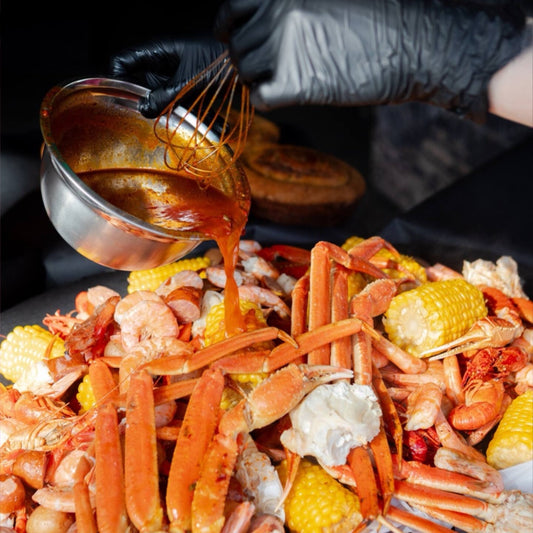
- When: Toss with drained seafood immediately after cooking or drizzle on the platter.
Seafood boil butter bombs revolutionize how you finish your boil. These concentrated flavor capsules melt into luxurious, spice-laden coating that adheres perfectly to shells and meat. The genius lies in their convenience—prepare batches ahead and freeze in ice cube trays for instant flavor enhancement.
Troubleshooting butter bombs
- Separation: whisk in 1 tsp Dijon or 1 tbsp reduced seafood stock; keep heat low.
- Harsh heat: swap part cayenne for gochugaru; add 1 tsp honey for roundness.
- Not hot enough: stir in chili crisp or a squeeze of sriracha at service.
Timing and Layering for Even Spice
Starches and sausage first, shellfish last
- Boil potatoes 8–10 min, add corn 5–7 min, sausage 3–4 min.
- Add shellfish: shrimp 1–2 min (to 120°F/opaque), clams/mussels until open, crab 4–5 min to heat through.
Timing determines whether your seafood emerges tender or turns into expensive rubber. Shellfish requires minimal cooking—they continue cooking even after removal from heat. This residual cooking allows them to absorb seasoning without becoming tough.
Maximizing absorption without overcooking
- Kill heat before adding shrimp; let residual heat finish them in seasoned liquid.
- Drain well, then immediately toss with butter bombs so spice sticks, not slides.
Seafood Boil Delivery Heat Hacks
Ordering tips that travel well
- Ask for extra seafood boil seasoning and butter on the side; request sealed sauce cups.
- Request "lightly sauced" so you can finish with your own butter bombs.
Seafood boil delivery presents unique challenges—heat dissipates, spices settle, and textures soften during transport. Smart ordering strategies preserve quality and give you control over final seasoning. Many establishments, including local favorites that deliver throughout West Hollywood, accommodate special requests when you explain your preference for customizable heat levels.
Reheat and re-season safely
- Steam 2–4 minutes or oven 300°F for 8–12 minutes until 165°F; avoid microwaving shellfish.
- Toss hot seafood with a butter bomb; add lemon to brighten and revive heat.
Reheating seafood demands finesse. Microwaving creates uneven hot spots that turn shrimp into bouncy balls. Gentle steaming or low oven heat preserves texture while bringing temperatures back to food-safe levels. Fresh butter bombs applied to hot seafood create that just-cooked luxurious coating.
Serving, Dips, and That Lobster Roll Question
Are lobster rolls hot or cold?
- Cold (Maine-style): chilled lobster with mayo; pair with a spicy remoulade on the side.
- Hot (Connecticut-style): warm lobster in butter; turn up heat with a chili-lime butter drizzle.
The eternal lobster roll debate reflects regional preferences and seasonal considerations. Cold preparations showcase pure lobster flavor, while hot versions create comfort food perfection. Both styles benefit from strategic spice applications—cold rolls through accompanying sauces, hot rolls through seasoned butter integration.
Quick spicy dip ideas
- Remoulade: mayo, Creole mustard, hot sauce, lemon, capers.
- Comeback sauce: mayo, ketchup, hot sauce, Worcestershire, garlic, lemon.
- Citrus-chili butter: melted butter, lemon zest, chili crisp, parsley.
| Dip Style | Heat Level | Best With |
|---|---|---|
| Remoulade | Medium | Crab, shrimp |
| Comeback sauce | Mild-Medium | All shellfish |
| Chili butter | Hot | Lobster, crab |
Pro Tips, Safety, and Scaling Spice
Per-pound guide
- Seasoning: 1–1.5 tbsp seafood boil seasoning per lb seafood (plus whole spices in the pot).
- Butter bomb: 1–2 tbsp per lb when finishing.
Scaling spice levels requires mathematical precision, especially when feeding larger groups. These ratios ensure consistent flavor whether you're cooking for two or twenty. Professional kitchens rely on weight-based measurements rather than guesswork—this approach eliminates the disappointment of under-seasoned expensive seafood.
Safety and handling
- Wear gloves for hot peppers; ventilate when blooming spices.
- Discard any unopened clams/mussels after cooking.
Capsaicin safety extends beyond the obvious burn risk. Proper ventilation prevents respiratory irritation when toasting spices, while gloves protect against accidental eye contact hours later. Shellfish safety remains non-negotiable—any bivalves that refuse to open during cooking harbor potential pathogens.
FAQs
How much seafood boil seasoning per pound for kids vs spice lovers?
- Kids: 1 tbsp per lb in the pot; serve spicy butter separately for adults.
- Spice lovers: 1.5 tbsp per lb + finish with hot butter bomb.
Can I make a low-sodium boil that still pops?
- Use citrus, vinegar, roasted garlic, smoked paprika, and umami boosters (miso/fish sauce) to compensate.
Reducing sodium doesn't mean sacrificing flavor intensity. Acid brightness from citrus and vinegar creates perceived saltiness, while umami compounds trick the palate into experiencing greater depth. Roasted garlic provides sweetness that balances heat without additional sodium.
What's the best way to store leftover seasoning and seafood boil butter bombs?
- Dry seasoning: airtight jar, cool dark place, up to 6 months.
- Butter bombs: freeze portions up to 3 months; thaw in fridge, re-emulsify gently.
My boil tastes flat—what's missing?
- Add acid (lemon/vinegar), a pinch of sugar, and a fresh butter bomb to re-coat for heat and shine.
Flat-tasting boils typically lack acid balance or have insufficient fat to carry flavors. Fresh lemon juice brightens all other seasonings, while sugar rounds harsh edges. A final butter bomb application creates that restaurant-quality glossy coating that makes every bite memorable.