

How to Make a Seafood Boil at Home: Complete Guide + What You Need
Share
You don't - you call us!
By Boil Baby Boil's kitchen team in West Hollywood. After preparing thousands of seafood boil bags using traditional Cajun techniques, we're sharing our complete home seafood boil guide including essential ingredients, seasonings, and the bags we use.
What Is a Seafood Boil
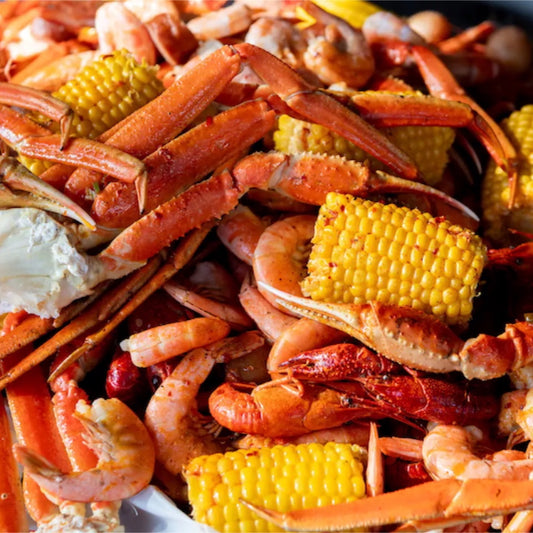
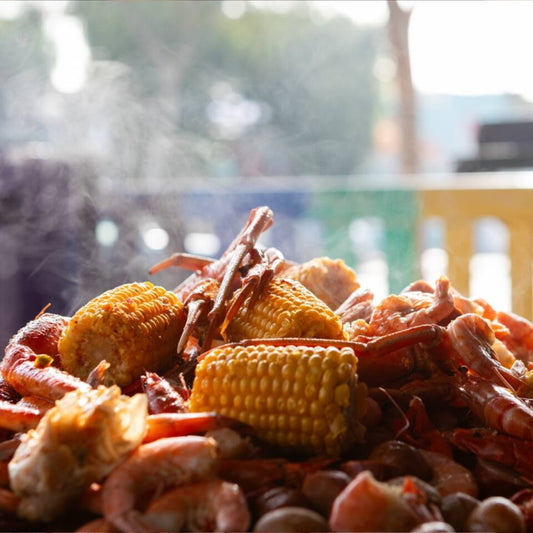
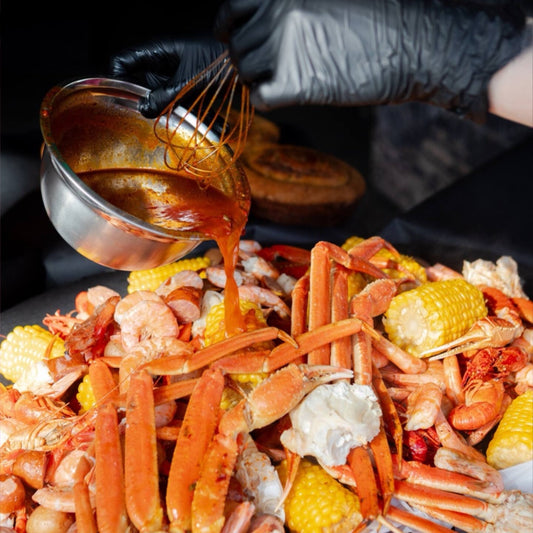
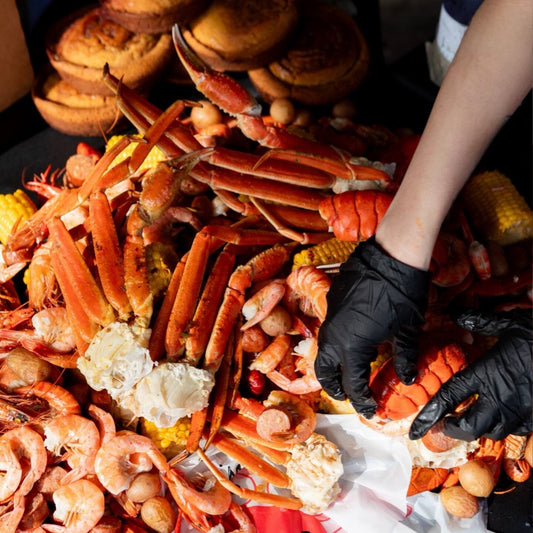
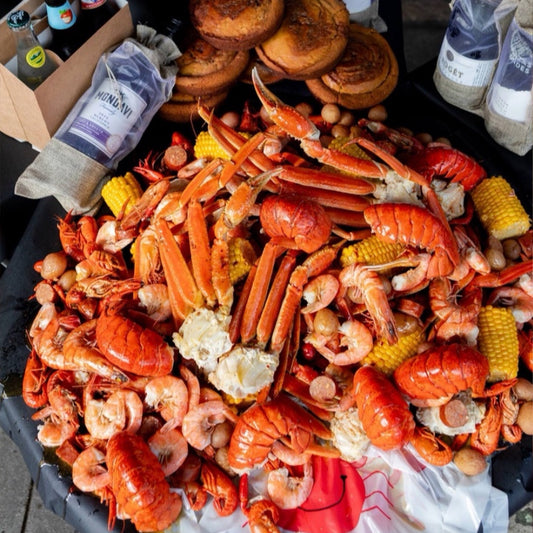
A seafood boil is a Southern-style cooking method where shellfish, sausage, corn, and potatoes are boiled together in a heavily seasoned broth, then drained and served in bags or on tables covered with butcher paper. The result is juicy, spicy, buttery seafood that you eat with your hands. This communal eating style originated in Louisiana Cajun country and has become a nationwide phenomenon.
Where Does Seafood Boil Come From
Seafood boils originated in Louisiana, with roots in Cajun crawfish boils dating back generations. The practice spread throughout the Gulf Coast, evolving into today's popular restaurant concept featuring crab, shrimp, lobster, and signature butter sauces. At Boil Baby Boil, we honor these Louisiana traditions while adding our own West Hollywood twist with premium ingredients and custom spice blends.
Which Seafood Boil Ingredients Are Essential
After preparing thousands of seafood boils, here are the non-negotiable ingredients:
Seafood (Choose 2-3 Types)
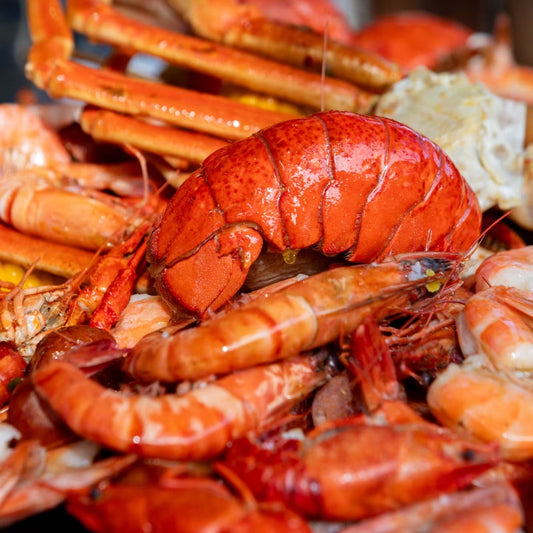
- Shrimp: 1-2 lbs per person, head-on for more flavor or peeled for convenience
- Crab: Snow crab, Dungeness, or king crab legs (1-1.5 lbs per person)
- Lobster: Whole lobsters or tails (1 tail per person or 1 whole lobster for 2 people)
- Crawfish: 3-5 lbs per person if it's the main protein
- Mussels or clams: 1 lb per person as a supplementary shellfish
Vegetables and Extras
- Corn on the cob (2-3 ears per person)
- Red potatoes (4-6 small potatoes per person)
- Andouille sausage (2-3 links per person)
- Garlic (2-3 whole heads, halved)
- Lemon (2-3 lemons, halved)
- Onion (1-2 yellow onions, quartered)
Essential Seasonings
- Cajun seafood boil seasoning (4-6 oz per gallon of water)
- Old Bay seasoning (alternative or complement to Cajun blend)
- Cayenne pepper for heat
- Black pepper
- Salt
- Bay leaves
What Bags Do You Use for Seafood Boil
This is one of our most frequently asked questions. At Boil Baby Boil, we use food-grade, high-temperature plastic boil bags designed specifically for seafood service. Here's what to look for:
- Material: High-density polyethylene (HDPE) or low-density polyethylene (LDPE) rated for hot food
- Thickness: Minimum 2 mil thickness to prevent tearing
- Size: 18x24 inches for individual portions, 24x36 inches for sharing
- Where to buy: Restaurant supply stores, Amazon (search "seafood boil bags" or "crawfish boil bags"), or specialty Cajun suppliers
Why bags? They keep the seafood hot, allow the butter sauce to coat everything evenly, and create the authentic Louisiana experience. Plus, cleanup is incredibly easy.
How to Make Cajun Seasoning for Seafood Boil
While you can buy pre-made blends, here's our house Cajun seasoning recipe that customers rave about:
Boil Baby Boil Cajun Blend
- 1/4 cup paprika
- 2 tablespoons cayenne pepper (adjust for heat preference)
- 2 tablespoons garlic powder
- 2 tablespoons onion powder
- 2 tablespoons dried oregano
- 2 tablespoons dried thyme
- 1 tablespoon black pepper
- 1 tablespoon white pepper
- 1 tablespoon celery salt
- 1 teaspoon ground mustard
Storage tip: Store in an airtight container in a cool, dark place. Properly stored, this blend stays fresh for 6 months.
How to Make Cajun Sauce for Seafood Boil
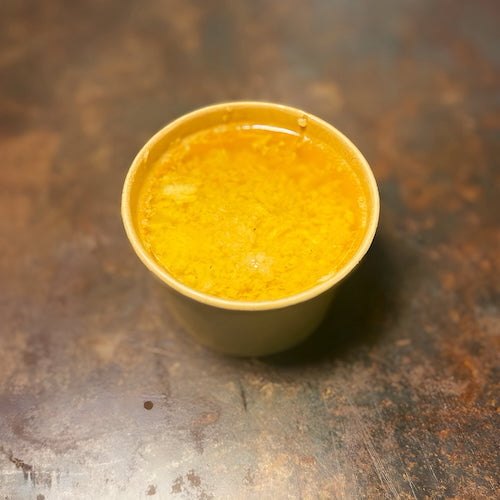
The butter sauce is what makes modern seafood boils legendary. This is our signature garlic butter sauce formula:
Ingredients (Serves 4-6)
- 1 lb unsalted butter
- 10 cloves garlic, minced
- 2 tablespoons Cajun seasoning (recipe above)
- 1 tablespoon lemon juice
- 1 teaspoon cayenne pepper
- 1/2 teaspoon black pepper
- 2 tablespoons chopped fresh parsley
Instructions
- Melt butter in a large saucepan over medium heat
- Add minced garlic and sauté for 1-2 minutes until fragrant (don't brown)
- Stir in Cajun seasoning, cayenne, and black pepper
- Simmer for 3-4 minutes to blend flavors
- Remove from heat and add lemon juice and parsley
- Pour over drained seafood boil and toss in bags until everything is coated
How to Do a Seafood Boil: Step-by-Step Process
Here's the exact method we use at Boil Baby Boil, scaled for home cooking:
Step 1: Set Up Your Equipment
You need a large stockpot (at least 10-12 quarts for 4 people), a propane burner (optional but recommended for capacity), a large strainer or spider, seafood boil bags, and a large sheet pan or table covered with butcher paper.
Step 2: Build Your Boil Broth
Fill your pot 2/3 full with water. Add 4-6 oz Cajun boil seasoning, halved lemons, halved garlic heads, quartered onions, and bay leaves. Bring to a rolling boil over high heat. Let boil for 5-10 minutes to develop flavor.
Step 3: Add Ingredients in Order
This is critical—different items need different cooking times:
- Add potatoes first (boil 10 minutes)
- Add sausage and corn (boil 5 minutes)
- Add crab legs or lobster (boil 8-10 minutes)
- Add shrimp last (boil 3-4 minutes until pink)
- Turn off heat and let everything soak for 5 minutes
Step 4: Drain and Sauce
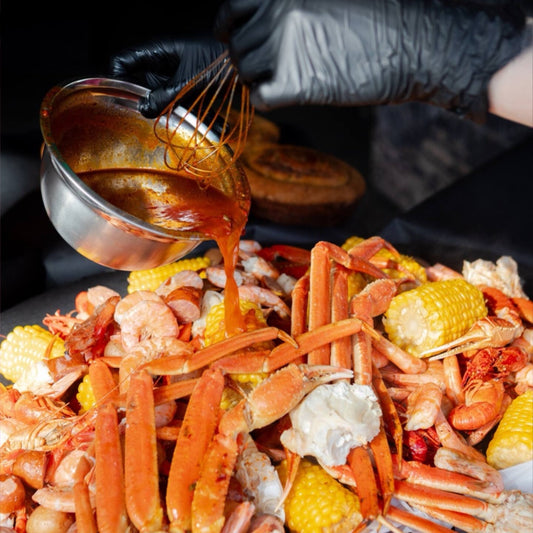
Drain all ingredients thoroughly (shake off excess water—this is important). Transfer to a large bowl or directly into seafood boil bags. Pour your hot garlic butter sauce over everything and toss/shake until evenly coated.
Step 5: Serve
Pour everything onto butcher paper or serve in individual bags. Provide crackers for crab legs, wet wipes, and extra napkins. Eat with your hands.
How to Heat Up Leftover Seafood Boil
We get this question constantly. Here's the best reheating method that preserves texture:
Oven Method (Best)
- Preheat oven to 350°F
- Place seafood boil in an oven-safe dish or on a sheet pan
- Add 2-3 tablespoons of water or extra butter
- Cover tightly with foil
- Heat for 10-15 minutes until warmed through
Stovetop Method
- Heat a large skillet over medium heat
- Add leftover seafood boil with remaining sauce
- Add 2 tablespoons butter or water
- Cover and steam for 5-7 minutes, tossing occasionally
Don't microwave: It makes shrimp rubbery and unevenly heats crab and lobster.
How Much Does a Seafood Boil Cost to Make at Home
Based on current market prices for quality ingredients:
- Budget boil: $15-20 per person (shrimp and sausage only)
- Standard boil: $25-35 per person (shrimp, crab legs, sausage)
- Premium boil: $45-60 per person (lobster, king crab, jumbo shrimp)
At Boil Baby Boil, our seafood boil bags range from $28-$85 depending on size and seafood selection, offering restaurant-quality preparation without the home cooking hassle.
Is Seafood Boil Healthy
Seafood boils can be relatively healthy with modifications:
- Protein-rich: Shrimp, crab, and lobster are lean proteins high in omega-3s
- Vegetables included: Corn and potatoes add fiber and nutrients
- The catch: Butter sauce adds significant calories and saturated fat
- Sodium: Cajun seasoning is salt-heavy
Healthier modifications: Use less butter sauce, increase vegetables, skip sausage, or use olive oil-based sauce instead of butter.
Why Order from Boil Baby Boil Instead of Making It at Home
While home seafood boils are fun, here's why West Hollywood locals order from us:
- No cleanup: Boiling seafood creates a huge mess
- Consistent quality: We source fresh seafood daily and nail the seasoning every time
- Equipment: Most home kitchens lack a large enough pot
- Convenience: Order takes 2 minutes vs. 2 hours of prep and cooking
- Portion control: No leftover 10 lbs of seafood going bad
Our seafood boil bags come fully cooked, perfectly seasoned, and ready to eat. We even include our signature garlic butter sauce that customers say is worth the order alone.
Skip the hassle and mess—let us handle your next seafood boil.
About the Author: This guide was written by the culinary team at Boil Baby Boil, a West Hollywood seafood boil restaurant specializing in Cajun-style seafood boil bags and Maine-style lobster rolls. Our team has prepared over 5,000 seafood boils using traditional Louisiana techniques and premium West Coast seafood.