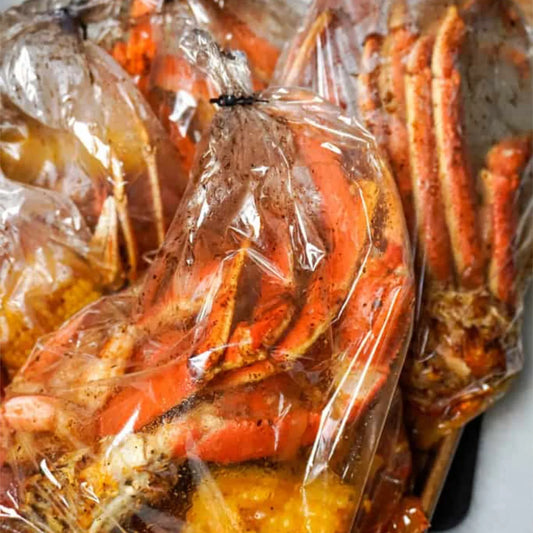
Best Cajun Seasoning for Seafood Boil: Flavor Profile Guide
Understanding Cajun Seasoning: The Heart of Authentic Seafood Boils
Cajun seasoning transforms an ordinary seafood boil into a transcendent culinary experience. This aromatic melange of spices originates from Louisiana's bayou country, where generations of Creole and Cajun cooks perfected the art of seasoning fresh Gulf Coast seafood. The quintessential blend marries heat with herbaceous complexity, creating layers of flavor that penetrate every morsel of crab, shrimp, and crawfish.
The foundation of exceptional cajun seasoning for seafood boil lies in its balanced composition. Premium blends typically feature paprika as the base, providing both color and subtle smokiness. Cayenne pepper delivers the signature kick, while garlic powder and onion powder contribute savory depth. What sets professional-grade seasonings apart is the inclusion of aromatic herbs like thyme and oregano, plus the often-overlooked secret: celery seed for that distinctive Louisiana terroir.
Essential Flavor Components That Define Premium Boil Seasoning
Heat Level Balance
Mastering the heat spectrum distinguishes amateur boils from restaurant-quality preparations. The ideal Cajun seasoning delivers progressive warmth that builds gradually, allowing diners to appreciate the complexity before the spice hits. Look for blends that incorporate multiple pepper varieties – cayenne for immediate heat, white pepper for lingering warmth, and black pepper for aromatic pungency.
"The perfect boil seasoning should make you sweat just enough to know it's working, but never overpower the sweet, briny essence of the seafood itself."
Aromatic Herb Integration
Sophisticated seasoning blends elevate beyond mere heat through careful herb curation. Bay leaves contribute subtle eucalyptus notes that complement shellfish's natural salinity. Dried thyme adds earthy undertones, while oregano provides Mediterranean brightness that surprisingly harmonizes with Gulf Coast flavors. The key lies in proportion – these herbs should whisper, not shout.
Selecting the Right Seasoning for Different Seafood Types
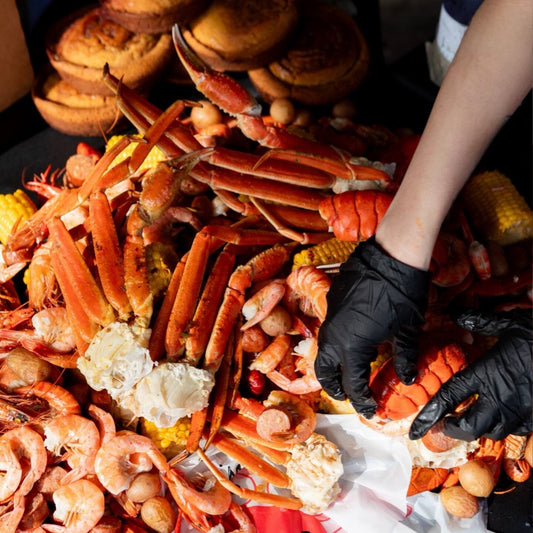
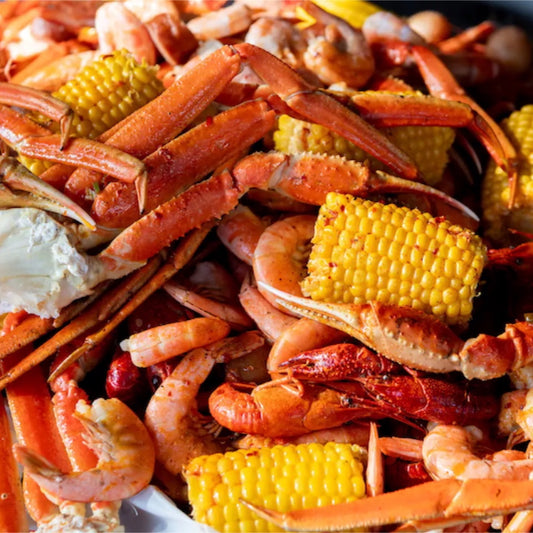
Not all seafood responds identically to Cajun seasoning application. Delicate proteins like shrimp require lighter seasoning touches to prevent overwhelming their sweet flesh. Conversely, robust shellfish such as snow crab and lobster can handle more aggressive spice applications, allowing the seasoning to penetrate their protective shells during the boiling process.
| Seafood Type | Seasoning Intensity | Key Considerations |
|---|---|---|
| Shrimp | Light to Medium | Quick cooking time requires pre-seasoning |
| Snow Crab | Medium to Heavy | Shell protection allows bold flavoring |
| Crawfish | Heavy | Traditional preparation demands robust seasoning |
| Lobster | Medium | Premium protein benefits from balanced approach |
Application Techniques for Maximum Flavor Penetration
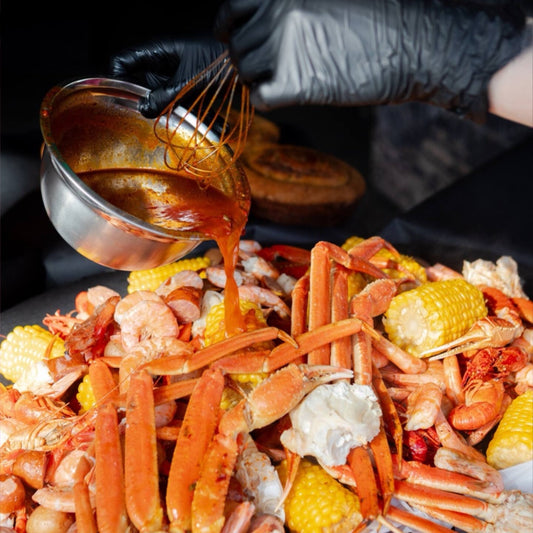
Proper seasoning application separates mediocre boils from memorable feasts. The timing of spice introduction critically impacts flavor development. Professional boil masters add seasoning in stages – initial aromatics during water heating, primary seasoning blend when achieving rolling boil, and finishing touches during the crucial soaking period.
Water temperature plays a pivotal role in seasoning dissolution. Adding spices to cold water allows gradual extraction of essential oils and flavor compounds. This technique creates a more integrated taste profile compared to dumping seasonings into rapidly boiling water, which can result in harsh, uneven distribution.
Common Seasoning Mistakes to Avoid
Even experienced home cooks fall into predictable seasoning traps. Over-salting represents the most frequent error – remember that seafood naturally contains sodium, requiring careful salt balance. Another common mistake involves insufficient soaking time after cooking. The post-boil rest period allows seasonings to penetrate proteins fully, developing those signature Cajun flavors.
- Adding salt before tasting the natural seafood salinity
- Using stale spices that have lost potency
- Skipping the crucial post-boil soaking phase
- Overwhelming delicate proteins with excessive seasoning
- Neglecting to adjust seasoning for different batch sizes
Enhancing Your Home Boil Experience
Creating restaurant-quality results at home requires understanding professional techniques. Start with high-quality, fresh seasonings – stale spices produce flat, lifeless flavors. Consider blooming whole spices like coriander and mustard seeds in the heating water before adding ground seasonings. This technique releases volatile compounds that create deeper, more complex flavor profiles.
Temperature control remains crucial throughout the process. Maintain a vigorous boil during cooking, then reduce heat for the soaking phase. This prevents overcooking while allowing maximum seasoning absorption.