Why À La Carte Seafood Ordering Beats Pre-Set Menus
Introduction: Why À La Carte Is Changing the Way We Eat Seafood
The culinary landscape is shifting beneath our feet—or should we say, beneath our bibs. Gone are the days when diners passively accepted whatever arrived on a communal platter. Today's seafood enthusiasts demand agency over their dining experience, and nowhere is this more evident than in the rise of customizable seafood boils. The ability to build your own seafood boil represents more than just a trend; it's a fundamental reimagining of how we approach communal feasting.
From pre-set seafood feasts to personalized boils: what's driving the shift?
Traditional seafood houses have long relied on predetermined combinations—the "Captain's Platter" or the "Fisherman's Feast"—engineered for operational efficiency rather than individual preference. But modern diners are rebelling against this one-size-fits-all mentality. Social media has amplified our exposure to diverse flavor profiles, while the broader customization economy (think: build-your-own burrito bowls and personalized smoothies) has recalibrated our expectations. We've grown accustomed to granular control, and the seafood industry is finally catching up.
How "build your own seafood boil" fits modern diners' expectations
When you build your own seafood boil, you're not just selecting proteins—you're curating an experience. This approach aligns perfectly with contemporary values: transparency about what we consume, elimination of waste, and celebration of individual preferences within group settings. It's particularly resonant for those who've felt constrained by rigid menu structures that force compromise rather than foster genuine satisfaction.
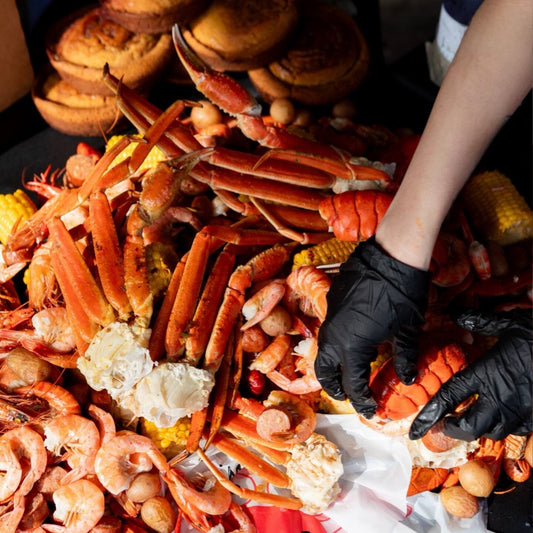
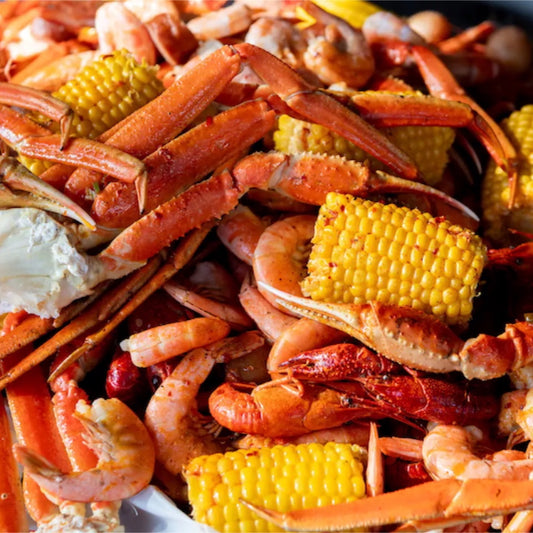
At Boil Baby Boil, the à la carte menu puts you in the driver's seat. Instead of settling for a pre-configured combo that might include seafood you'll leave untouched, you can handpick everything from snow crab legs to crawfish, shrimp to lobster—each item priced individually. This model ensures you're investing in exactly what excites your palate, whether that's an all-shrimp extravaganza or a luxurious lobster-centric spread. The freedom to mix, match, and portion according to your group's actual appetites transforms dinner from a gamble into a guaranteed win.
Who this guide is for: casual seafood lovers, home cooks, and restaurant diners
Whether you're a West Hollywood local seeking a better late-night bite, a home cook contemplating your first DIY boil, or someone planning a shareable feast for your crew, this guide will illuminate why à la carte ordering delivers superior results. We'll explore the mechanics, benefits, and practical strategies for building seafood boils that actually reflect how you want to eat—not how a corporate menu engineer decided you should.
Understanding À La Carte vs. Pre-Set Seafood Menus
What does "à la carte" really mean in the context of seafood boils?
À la carte—borrowed from French culinary terminology—simply means "from the menu." In seafood boil parlance, it signifies selecting individual components separately rather than accepting a bundled package. You might choose half a pound of snow crab, a pound of shrimp, four ounces of sausage, and two corn cobs—each priced independently. This granular approach contrasts sharply with combo meals that dictate both variety and quantity.
How traditional pre-set seafood boils are usually structured
Pre-set menus typically offer tiered options: a "Small Feast" for two, a "Large Feast" for four, and so forth. These packages bundle specific seafood types in predetermined ratios—perhaps a half-pound of shrimp, a cluster of crab legs, mussels, corn, and potatoes. The pricing appears straightforward, but the inflexibility often creates friction. What if you despise mussels? What if your party of three doesn't fit neatly into portions designed for two or four?
Common frustrations with pre-set seafood menus (waste, cost, lack of choice)
The complaints are remarkably consistent across diners. First, there's inevitable waste—paying for components that remain untouched because they don't align with preferences or dietary restrictions. Second, the perceived value suffers when you're subsidizing items you don't want. Third, pre-set menus rarely accommodate nuanced requests: you might crave extra spice on your shrimp but prefer mild seasoning on your crab, a customization impossible within rigid structures.
Why "build your own seafood boil" reflects a broader food customization trend
The customization movement has permeated nearly every food category. From grain bowls to pizza, consumers increasingly expect configurability. This isn't mere pickiness—it's an evolution in how we value dining experiences. When you build your own seafood boil, you're participating in a cultural shift that prioritizes personal agency, reduces waste, and acknowledges that diverse palates deserve equally diverse options.
Key Benefits of Building Your Own Seafood Boil
1. Total Control Over Seafood Selection
Autonomy is the cornerstone advantage. When you build your own seafood boil, you're no longer beholden to someone else's interpretation of a balanced seafood selection. Love lobster but feel indifferent toward clams? Load up on lobster tails and skip the mollusks entirely. This empowerment extends beyond simple preference—it's about honoring your actual cravings rather than compromising for the sake of a package deal.
Choosing only the seafood you actually love (shrimp, crab, lobster, mussels, more)
The à la carte model lets you double down on favorites. If your table unanimously adores snow crab, there's no requirement to dilute that enthusiasm with obligatory shrimp or crawfish. Conversely, adventurous eaters can experiment with less common options—perhaps adding head-on shrimp for intensified flavor or exploring crawfish if they've never experienced that sweet, delicate meat. The choice architecture puts you in control.
Avoiding filler items you don't want or can't eat
Pre-set menus often include filler components that pad out the offering without adding genuine value. Maybe it's an excess of potatoes when you'd prefer more protein, or boiled eggs that nobody requested. By selecting à la carte, you eliminate these unwanted additions, ensuring every dollar contributes directly to your satisfaction.
2. Better Value for Your Budget
Fiscal prudence doesn't mean skimping—it means spending strategically. When you build your own seafood boil, you allocate funds toward ingredients that deliver maximum enjoyment for your specific group, rather than absorbing the averaged costs of a one-size-fits-all package.
Paying for what you eat instead of a one-size-fits-all platter
Consider a scenario: a pre-set menu costs $80 and includes two pounds of mixed seafood, but half of it doesn't appeal to your party. You've effectively paid $80 for one pound of desirable food. With à la carte ordering, that same $80 might purchase two full pounds of precisely what you crave—shrimp, crab, and lobster in your preferred proportions. The mathematics favor customization.
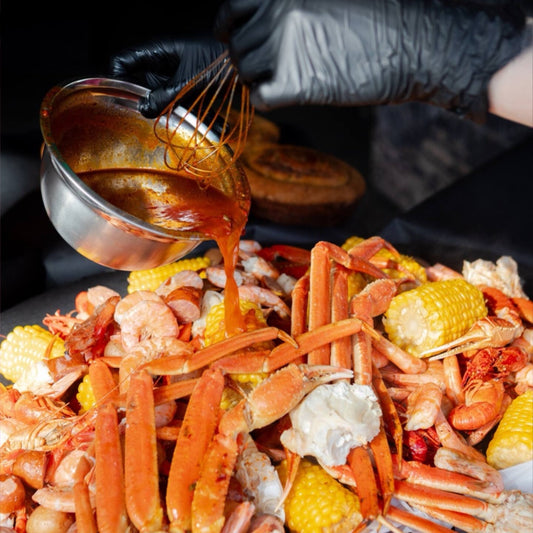
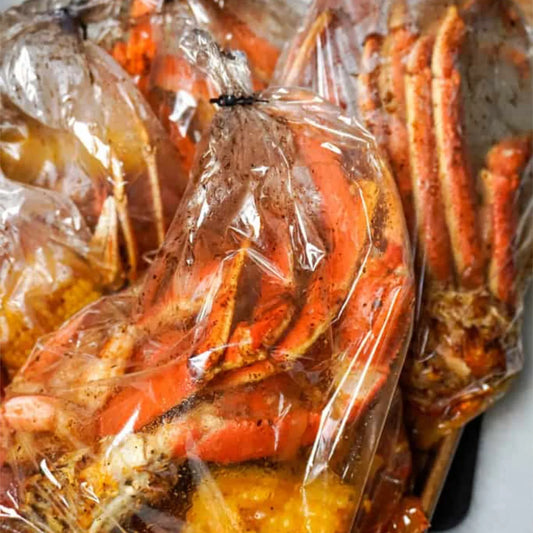
At Boil Baby Boil, the signature seafood boil offering exemplifies this value proposition perfectly. Available for direct web orders or through DoorDash, Uber Eats, and Grubhub, you can craft a Cajun-style feast featuring snow crab, crawfish, lobster, and shrimp—each component selected to match your group's exact preferences. The transparency of pricing means you know precisely what you're investing in, with no hidden subsidies for unwanted ingredients. Plus, with service starting at 5pm daily in West Hollywood, it's perfectly positioned for those late-night cravings when quality matters most.
How à la carte pricing can reduce waste and stretch your seafood budget
Food waste represents both environmental negligence and financial inefficiency. By ordering only what your party will enthusiastically consume, you minimize leftovers that might languish in the refrigerator. This precision allows you to redirect savings toward premium upgrades—perhaps splurging on lobster instead of settling for the standard combo.
3. Customizable Flavors and Heat Levels
Flavor preferences are deeply personal, yet pre-set menus typically apply a uniform seasoning across all components. This homogenization frustrates those who appreciate nuance.
Picking your seasoning style: Cajun, garlic butter, lemon pepper, or mixed
Different seafood varieties shine under different flavor treatments. Delicate lobster might benefit from garlic butter's richness, while robust crawfish can handle the assertive punch of Cajun spices. When you build your own seafood boil, many establishments allow you to specify seasoning preferences for individual items or create a medley that showcases multiple profiles within a single order.
Dialing in the spice: mild, medium, spicy, or "extra hot" without compromise
Heat tolerance varies dramatically even within the same dining party. Pre-set menus force everyone to converge on a middle-ground spice level that satisfies no one completely. À la carte ordering enables precision: order the shrimp extra spicy for the capsaicin enthusiasts while keeping the crab mild for those with gentler palates. Everyone wins.
4. Dietary Flexibility and Allergen Awareness
Navigating food allergies and dietary restrictions becomes exponentially easier when you control every ingredient. Pre-set menus often involve shared cooking vessels and cross-contact risks that can't be mitigated without complete customization.
Managing shellfish allergies and cross-contamination risk more carefully
For diners with shellfish sensitivities, à la carte ordering facilitates clearer communication with kitchen staff. You can specify exactly which proteins to exclude and inquire about separate preparation methods. While no system is foolproof, the granular nature of building your own boil allows for more targeted allergen management than accepting a pre-configured platter.
Low-carb, pescatarian, and other dietary needs in a build-your-own format
Those following specific nutritional frameworks appreciate the ability to omit high-carb additions like potatoes and corn, or to skip the sausage entirely for a pescatarian-friendly meal. The flexibility extends to portion control as well—ordering smaller quantities of multiple items provides variety without overwhelming caloric intake.
5. A More Enjoyable, Social Dining Experience
Seafood boils are inherently communal affairs, best enjoyed when everyone feels invested in the meal's composition.
Sharing à la carte seafood boils family-style without arguing over who gets what
When each person contributes to building the order, there's collective ownership over the outcome. The collaborative process of deciding together—"Should we add another pound of shrimp?" or "Who wants to try the crawfish?"—transforms ordering from a mundane necessity into an engaging prelude to the feast itself.
Letting each person build a boil that matches their taste and appetite
For gatherings where diners have divergent preferences, à la carte ordering can even facilitate individual builds. One person might construct a shrimp-heavy boil while another focuses on crab and lobster. This personalization eliminates the compromise fatigue that often accompanies group dining, ensuring everyone leaves genuinely satisfied rather than politely satiated.
How to Build Your Own Seafood Boil Step by Step
Step 1: Choose Your Base Seafood
The foundation of any exceptional boil lies in thoughtful protein selection. Start by considering your budget, the preferences of your dining companions, and the flavor complexity you're seeking.
Popular à la carte options: shrimp (head-on vs. peeled), crab legs, crawfish, clams, mussels, lobster tails
Each variety brings distinct characteristics to the table. Shrimp offers sweet, accessible flavor and works beautifully with virtually any seasoning. Snow crab delivers impressive visual impact and satisfying meat-to-shell ratio. Crawfish—a Cajun staple—provides an interactive eating experience with their petite size. Lobster represents the pinnacle of indulgence, while clams and mussels contribute briny depth. Head-on shrimp intensifies flavor through the cooking process, though peeled variants offer convenience.
Balancing flavor, texture, and budget when mixing different seafood
Consider creating a tiered approach: select one premium anchor (lobster or crab), add a workhorse protein for volume (shrimp), and perhaps include a textural wildcard (mussels). This strategy delivers variety without spiraling costs. A half-pound of lobster, a pound of shrimp, and a half-pound of crab might cost the same as a pre-set combo while delivering precisely what you want.
Step 2: Pick Your Seasoning Style and Spice Level
Seasoning is where regional identity and personal preference converge. The right choice amplifies your seafood's natural qualities rather than masking them.
Classic flavor profiles for seafood boils and how they differ
"Cajun seasoning brings assertive heat and earthy complexity with paprika, cayenne, and garlic. Garlic butter offers luxurious richness that coats seafood in savory decadence. Lemon pepper provides bright, citrus-forward zing that keeps things lighter. Each profile serves different moods and occasions."
Tips for choosing the right heat level for mixed groups
When dining with spice-averse companions, consider ordering mild as the baseline and providing hot sauce bottles on the side. Alternatively, if your restaurant permits, request different spice levels for different seafood types. This accommodation ensures the heat-seekers get their fix without overwhelming those with gentler palates.
Step 3: Add Sides and Extras
While seafood commands center stage, supporting players enhance both satisfaction and value. Thoughtful side selection transforms a simple protein order into a complete meal.
Must-have boil add-ons: corn, potatoes, sausage, boiled eggs, extras like broccoli
Corn on the cob absorbs seasoning magnificently and provides natural sweetness that balances spice. Potatoes contribute starchy substance that extends the meal's satiety factor. Andouille sausage introduces smoky, meaty complexity that complements rather than competes with seafood. Boiled eggs—a somewhat unexpected addition—offer protein diversity and soak up flavorful broth beautifully. Adventurous venues might offer broccoli or mushrooms, which provide textural contrast and additional nutrient density.
How sides change the overall cost and fullness of your meal
Strategic side selection can substantially reduce your total expenditure while increasing overall satisfaction. A pound of shrimp paired with corn, potatoes, and sausage will feed more people—and leave them more content—than two pounds of shrimp alone. The sides extend the eating experience and provide palate-cleansing breaks between rich seafood bites.
Step 4: Decide on Serving Style and Portions
Portion calculation remains one of the trickiest aspects of ordering seafood boils, particularly for first-timers unfamiliar with how far a pound of shell-on seafood actually stretches.
Ordering per person vs. ordering by the pound to share
Most à la carte seafood establishments price by weight rather than per serving. This approach offers flexibility but requires some mental arithmetic. A per-person mindset helps: plan for roughly half a pound to three-quarters of a pound of shell-on seafood per diner as a baseline, adjusting upward for hearty appetites or downward when abundant sides are included.
How much seafood to order for couples, families, and groups
For a couple, one to one-and-a-half pounds total of mixed seafood plus sides typically suffices. A family of four might target three to four pounds of seafood complemented by generous sides. Larger gatherings benefit from variety—instead of five pounds of one type, consider two pounds each of shrimp and crab plus a pound of crawfish to keep things interesting.
At Home vs. In a Restaurant: Where to Build Your Own Seafood Boil
Ordering a Custom Seafood Boil at a Restaurant
Restaurant ordering simplifies logistics dramatically—no equipment procurement, no cleanup, just pure enjoyment. However, maximizing the experience requires some navigation skills.
How to read and navigate an à la carte seafood boil menu
Quality à la carte menus display clear pricing per unit (per pound, per cluster, per tail) alongside descriptions of preparation methods. Look for indicators of freshness—terms like "daily catch" or "seasonal availability" suggest responsiveness to market conditions rather than reliance on frozen inventory. Note whether pricing includes seasoning and sides or if those incur additional charges.
Questions to ask your server about sourcing, freshness, and spice levels
Don't hesitate to inquire about provenance. Ask when the seafood arrived, whether it's previously frozen or fresh-never-frozen, and which items the kitchen particularly recommends that day. Clarify spice calibration—one restaurant's "medium" might be another's "extra hot." Request samples of seasoning if available, or ask for specific Scoville-level descriptions if you're particularly sensitive or adventurous.
Making a DIY Build-Your-Own Seafood Boil at Home
Home preparation offers maximum control and can be economically advantageous for large groups, though it demands more effort and equipment.
Essential equipment and ingredients you'll need
At minimum, you'll require a stockpot large enough to accommodate your seafood and sides—typically 16 quarts or larger for four-plus servings. A propane burner provides superior heat output compared to most home stovetops. Beyond hardware, procure your seasoning blend (pre-mixed Cajun boil spices simplify the process), fresh lemons, butter, and garlic. Don't forget newspaper or butcher paper for authentic dump-style serving.
Basic cooking steps for a tasty at-home boil without overcooking seafood
Timing is critical—overcooked seafood turns rubbery and disappointing. Bring your seasoned water to a rolling boil, add potatoes first (they require longest cooking), followed by sausage and corn. Introduce heartier seafood like crab next, then shrimp and crawfish last. Kill the heat and let everything steep together for five to ten minutes, allowing flavors to meld without continuing to cook the proteins. Drain, dump onto your serving surface, and feast.
Health, Sustainability, and Quality Considerations
Choosing Higher-Quality Seafood When Ordering À La Carte
The à la carte model inherently encourages quality consciousness. When you're selecting individual items rather than accepting a bundled package, you naturally scrutinize each component more carefully.
Why à la carte makes it easier to prioritize fresh, premium items
Pre-set menus often obscure quality variations by averaging premium and standard items together. When you build your own seafood boil, you can allocate your budget strategically—perhaps choosing wild-caught shrimp over farm-raised, or opting for Dungeness crab instead of snow crab when freshness indicators favor it. This discernment elevates the entire eating experience.
Spotting signs of quality and freshness in seafood
Fresh seafood exhibits clear tells: shrimp should smell ocean-fresh rather than ammonia-tinged, crab legs should feel heavy for their size (indicating full meat chambers), and lobster tails should show firm, translucent flesh. At restaurants, attentive staff will gladly discuss sourcing. When shopping for home boils, trust your nose above all—any off-putting odor warrants walking away regardless of price.
Making More Sustainable Seafood Choices
Environmental stewardship and culinary pleasure needn't conflict. À la carte ordering actually facilitates more conscientious consumption patterns.
Opting for species that are more sustainable when you build your own boil
Certain seafood varieties carry lighter ecological footprints. Domestic shrimp from well-managed fisheries, Dungeness crab from Pacific waters, and farmed mussels (which actually improve water quality) represent relatively sustainable choices. Snow crab from Alaskan waters benefits from rigorous quota management. By selecting à la carte, you can research and prioritize these options rather than accepting whatever appears in a pre-set package.
How ordering only what you'll eat reduces food waste
The environmental toll of food waste extends beyond the discarded item itself—it encompasses all resources invested in harvesting, processing, and transporting that product. When you build your own seafood boil with precision, ordering quantities your party will actually consume, you eliminate the waste inherent in oversized combo meals that inevitably leave remnants behind.
Nutrition and Portion Awareness
Seafood boils can range from relatively healthful to calorically extravagant depending on preparation methods and portion sizes. À la carte ordering puts these variables under your control.
Balancing indulgent sauces with lighter sides and add-ons
The butter-drenched decadence that characterizes many seafood boils delivers incredible flavor but substantial caloric density. Consider requesting sauce on the side, allowing you to dip judiciously rather than drowning everything. Incorporate vegetables like corn and broccoli to add volume and nutrients without excessive calories. The customization possible when building your own boil means you're never locked into someone else's butter-to-seafood ratio.
Right-sizing your order to avoid overeating and leftovers you won't use
American restaurant portions often encourage overconsumption. When you build your own seafood boil, start conservatively—you can always order more if appetites exceed expectations, but you can't un-eat excess food. This mindful approach respects both your body's signals and your budget, while reducing the likelihood of refrigerator leftovers that deteriorate before you consume them.
Common Mistakes to Avoid When You Build Your Own Seafood Boil
Even with the flexibility of à la carte ordering, certain pitfalls can diminish your experience. Awareness helps you sidestep these common missteps.
Over-ordering on the most expensive items without a plan to share
Lobster lust is real—those crimson tails exert powerful appeal. However, ordering three pounds of lobster for two people without substantial sides creates both financial strain and palate fatigue. Premium items shine brightest when balanced with complementary proteins and sides that provide textural and flavor variation.
Mixing seafoods with very different cooking times in one pot
This error primarily affects home cooks, but understanding the principle helps restaurant ordering too. Delicate shrimp cook in minutes while king crab legs might need eight to ten. If you're preparing at home, stage your additions carefully. At restaurants, this knowledge helps you appreciate why some establishments cook components separately before combining them for service.
Choosing sauces or spice levels that overpower delicate seafood
Not all seafood can withstand aggressive seasoning. Lobster and Dungeness crab possess subtle, sweet flavors that disappear under incendiary spice levels. Reserve your hottest preparations for robust proteins like crawfish and shrimp, allowing delicate varieties to shine with gentler treatment—perhaps simple garlic butter or lemon pepper.
Skipping questions about allergens, spice, or ingredients and regretting it later
Assumptions create disappointment. That "mild" seasoning might still pack considerable heat for sensitive palates. The sausage might contain pork when you assumed chicken. Cross-contamination protocols might be lax. Ask explicit questions before ordering—quality establishments welcome informed customers and appreciate the opportunity to clarify rather than disappoint.
Frequently Asked Questions About À La Carte Seafood Boils
Is it really cheaper to build your own seafood boil than to order a pre-set combo?
The answer depends on your priorities. If you consume and enjoy every component of a pre-set combo, it might offer marginal savings through bundled pricing. However, most diners find that à la carte ordering delivers superior value because you're not subsidizing unwanted items. The cost-per-enjoyed-bite typically favors customization, even if the raw total appears slightly higher.
How many pounds of seafood should I order per person?
A general guideline suggests half to three-quarters of a pound of shell-on seafood per person when accompanied by sides. Adjust upward for enthusiastic eaters or when sides are minimal, and downward for lighter appetites or when generous sides are included. Remember that shells constitute significant weight—a pound of whole crab yields far less meat than a pound of peeled shrimp.
Can I build my own seafood boil if someone in my group has a shellfish allergy?
Technically yes, but proceed with extreme caution. Cross-contamination risks in kitchens that primarily handle shellfish are substantial. Even dedicated equipment and separate preparation areas can't guarantee zero contact. For severe allergies, consider whether a seafood-focused establishment represents an appropriate venue at all. If proceeding, communicate the allergy explicitly and repeatedly, and understand that risk remains.
What's the best seafood mix for a first-time build-your-own boil?
Start with approachable, universally beloved options: one pound of large shrimp, one cluster of snow crab legs, corn, potatoes, and sausage with medium Cajun seasoning. This combination delivers variety without overwhelming complexity or cost, providing a solid foundation for understanding your preferences before experimenting with crawfish, lobster, or more adventurous choices.
Are there healthier ways to enjoy a seafood boil without so much butter and salt?
Absolutely. Request seasoning on the side rather than tossed, allowing you to control sodium and fat intake. Emphasize steaming over boiling in heavy butter sauce. Load up on vegetable sides like corn and broccoli. Choose lean proteins like shrimp over sausage. The seafood itself—rich in omega-3 fatty acids and lean protein—is inherently nutritious; it's the preparation method that determines overall healthfulness.
How do I store and safely reheat leftovers from a seafood boil?
Refrigerate leftovers within two hours, storing in airtight containers. Consume within two days for optimal quality and safety. Reheat gently—microwave in short bursts with a damp paper towel covering to retain moisture, or sauté briefly in a skillet with a splash of water or broth. Avoid prolonged reheating, which toughens seafood. Note that texture will never quite match the original serving, so ordering appropriate quantities initially is preferable to managing leftovers.
Conclusion: Why À La Carte Seafood Ordering Comes Out on Top
Key reasons à la carte beats pre-set seafood menus for most diners
The evidence speaks clearly: customization delivers superior value, reduces waste, accommodates diverse preferences, and elevates the overall dining experience. When you build your own seafood boil, you're exercising agency over every element—from protein selection to spice level, from portion size to flavor profile. This control transforms a potentially mediocre compromise into a genuinely satisfying feast tailored precisely to your desires.
How "build your own seafood boil" delivers flavor, flexibility, and value
The triumvirate of benefits—flavor customization, dietary flexibility, and economic value—creates a compelling case that transcends mere preference. À la carte ordering represents a more intelligent, respectful approach to dining that acknowledges individual autonomy while preserving the communal joy of shared meals. Whether you're feeding two or twelve, the ability to curate your seafood selection ensures everyone leaves genuinely satisfied rather than politely full.
Simple next steps: what to try on your next seafood night
Ready to experience the difference? Start by exploring Boil Baby Boil's à la carte offerings—available daily from 5pm to 10:30pm in West Hollywood, with convenient delivery through DoorDash, Uber Eats, and Grubhub. Begin with a modest order to calibrate your preferences: perhaps a pound of shrimp, a cluster of snow crab, corn, potatoes, and that legendary honey butter cornbread. Experiment with seasoning levels. Take notes on what works. Then, armed with knowledge, build your ideal boil—one that reflects your actual cravings rather than a menu planner's assumptions. The seafood boil revolution is here, and it tastes exactly how you want it to.