The Office Catering Guide: Elevate Team Lunches with Cajun Flair
1. Introduction: Why Office Catering Matters More Than Ever
1.1 The evolving role of office catering in today's workplace
The landscape of workplace dining has undergone a seismic transformation. No longer merely a utilitarian provision, the office catering experience has morphed into a strategic tool that shapes company culture and employee satisfaction. In hybrid work environments where teams toggle between remote and in-person days, shared meals become precious touchpoints—moments that cement relationships and foster genuine connection beyond Slack channels and Zoom grids.
Organizations now recognize that breaking bread together isn't just about fueling bodies; it's about nourishing team cohesion. When colleagues gather around a thoughtfully curated spread, conversations flow more organically than in formal conference rooms. The stakes have risen considerably.
1.2 How "the office catering" experience impacts morale, culture, and productivity
Research consistently demonstrates that quality workplace meals correlate with heightened productivity and elevated morale. When leadership invests in memorable dining experiences, employees perceive tangible evidence that their well-being matters. This psychological contract strengthens organizational commitment.
The office catering choice broadcasts subtle cultural messages. A monotonous sandwich platter whispers mediocrity, while an adventurous, flavor-forward menu signals that your organization values creativity and boldness. Food becomes a non-verbal communicator of company values, making every catering decision a micro-statement about who you are as a workplace.
1.3 Why Cajun cuisine is a powerful way to elevate team lunches
Cajun fare brings an unexpected vibrancy to corporate dining. Unlike predictable Italian or generic American options, Cajun cuisine delivers sensory excitement—the aromatic trinity of bell peppers, onions, and celery; the satisfying richness of slow-simmered sauces; the communal appeal of shared platters. It's comfort food with character, approachable yet distinctive enough to spark genuine enthusiasm.
Introducing Cajun flavors transforms a standard Tuesday lunch into a memorable occasion. The inherent shareability of dishes like seafood boils and jambalaya encourages family-style dining, which naturally promotes interaction across departments and hierarchy levels. When your team digs into buttery crawfish or savory cornbread together, barriers dissolve.
2. Understanding "The Office Catering" Needs of Your Team
2.1 Assessing team size, schedule, and budget before you book
Precision in planning begins with accurate headcounts and realistic budgetary parameters. Survey your team well in advance to establish firm numbers—caterers require lead time to procure fresh ingredients, especially for seafood-centric Cajun menus. Factor in a modest buffer (typically 10-15%) for unexpected attendees or heartier-than-anticipated appetites.
Schedule considerations extend beyond simply choosing noon versus 1pm. Consider meeting rhythms, deadline pressures, and natural energy dips. A late lunch at 1:30pm might accommodate morning-heavy workflows better than a standard midday slot.
2.2 Clarifying the goal: celebration, meeting fuel, training day, or client lunch?
Each occasion demands a distinct catering approach. Celebratory milestones—product launches, quarter closings, team anniversaries—warrant indulgent menus with signature items that create talking points. Training days require brain-friendly proteins and complex carbohydrates that sustain focus without inducing post-lunch lethargy.
Client-facing lunches carry representational weight. Your menu selection reflects brand identity and attention to detail. Cajun cuisine positions your company as confident, culturally aware, and willing to venture beyond corporate catering clichés.
2.3 Gathering dietary preferences and restrictions (allergies, halal, vegetarian, gluten-free)
Inclusive catering demonstrates respect for every team member's needs. Deploy a simple survey capturing allergies, religious dietary requirements, and lifestyle preferences weeks before your event. This data shapes menu construction from the ground up rather than forcing last-minute substitutions.
Modern Cajun preparations accommodate diverse diets more readily than many assume. Vegetarian étouffées, gluten-free roux alternatives, and shellfish-free options preserve authentic flavor profiles while ensuring everyone participates fully in the meal experience.
2.4 Frequency and format: one-off event vs. recurring office catering program
Strategic organizations establish rhythmic catering programs—monthly team lunches, quarterly celebrations, or weekly department rotations. Recurring commitments often unlock preferential pricing and priority scheduling with quality caterers. They also create cultural traditions that employees anticipate and appreciate.
For teams exploring Cajun cuisine for the first time, a standalone pilot event allows you to gauge reception before committing to a series. Collect structured feedback to refine future orders.
3. Why Choose Cajun for Office Catering?
3.1 Key flavors of Cajun cuisine: bold spices, slow cooking, and comfort-food appeal
Cajun cookery emerged from Louisiana's resourceful blending of French, Spanish, African, and Native American culinary traditions. The resulting flavor architecture balances heat with depth—cayenne pepper dances alongside paprika, garlic, and thyme, while low-and-slow cooking methods coax maximum flavor from every ingredient.
"Cajun food tells the story of resilience and joy—communities making extraordinary meals from humble ingredients through technique, time, and soul."
This comfort-food dimension makes Cajun ideal for workplace settings. Dishes feel generous and nurturing without pretension, creating an atmosphere of abundance that puts people at ease.
3.2 Cajun food as a conversation starter and team-building catalyst
Unfamiliar cuisines naturally prompt dialogue. Team members compare spice tolerance, share travel stories about New Orleans, or debate the proper pronunciation of "étouffée." These organic conversations build social capital more effectively than forced icebreakers.
Family-style Cajun serving formats amplify this effect. When colleagues pass platters and serve one another, they engage in subtle cooperation that mirrors effective workplace collaboration.
3.3 Balancing adventurous options with approachable, office-friendly dishes
Successful office catering navigates between novelty and familiarity. Anchor your Cajun menu with accessible crowd-pleasers—Cajun-spiced chicken, red beans with rice, honey butter cornbread—then introduce one or two adventurous elements like crawfish étouffée or blackened catfish for curious palates.
This graduated approach respects conservative eaters while rewarding culinary adventurers, ensuring broad appeal without defaulting to bland compromise.
3.4 Common misconceptions about Cajun food (and how to address heat level concerns)
Many conflate Cajun with extreme spiciness, but authentic Cajun cooking prioritizes layered flavor over pure capsaicin assault. Professional caterers can calibrate heat levels to accommodate office settings—offering hot sauce on the side empowers individuals to customize intensity.
Communicate clearly with your team beforehand: describe spice levels transparently and assure that milder options will be available. This pre-emptive clarity prevents anxiety and encourages participation.
4. Planning the Perfect Cajun-Inspired Office Lunch
4.1 Choosing the right service style: buffet, plated, individually boxed, or family-style
Service format profoundly influences the meal's social dynamics. Buffet arrangements encourage mingling and allow guests to control portions, though they require adequate space and create queuing challenges. Family-style service—large platters placed on tables for shared passing—maximizes interaction and embodies Cajun cuisine's communal spirit.
Individually boxed meals offer hygiene advantages and precise portion control, ideal for meetings where time is compressed or social distancing protocols remain relevant. Plated service delivers elegance for client-facing occasions but typically requires higher budgets and more complex logistics.
4.2 Timing logistics: delivery windows, set‑up time, and serving duration
Coordinate delivery to arrive 30-45 minutes before your intended serving time, allowing caterers to arrange food, verify temperatures, and address any last-second complications. Cajun dishes with complex sauces benefit from brief resting periods after transport, allowing flavors to reintegrate.
Plan serving duration based on your team's eating pace and post-meal activities. A 45-60 minute window accommodates relaxed dining without extending into afternoon productivity blocks.
4.3 Portion planning: how much food to order per person for hearty Cajun menus
Cajun cuisine's richness means portions satisfy more completely than lighter fare. Standard guidelines suggest:
- 6-8 ounces of protein per person for main dishes
- 4-6 ounces per side dish
- 2-3 pieces of cornbread or bread service
- Adjust upward 15-20% for all-male groups or physically active teams
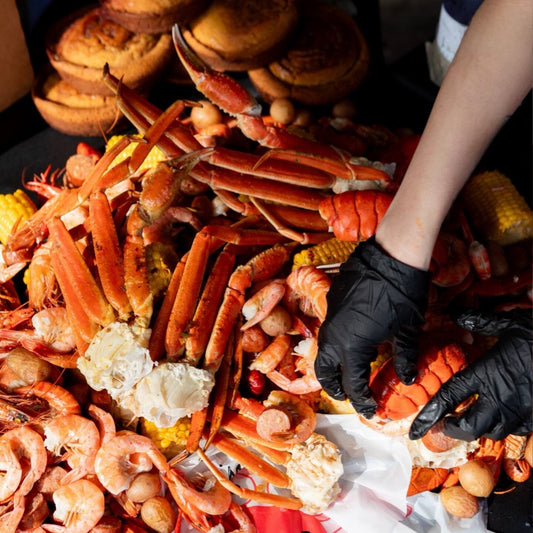
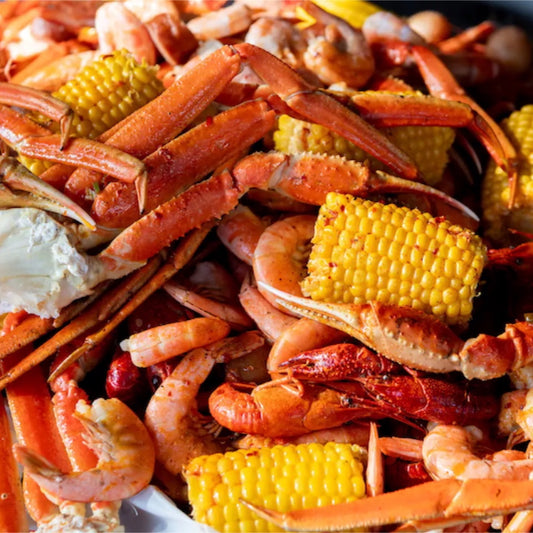
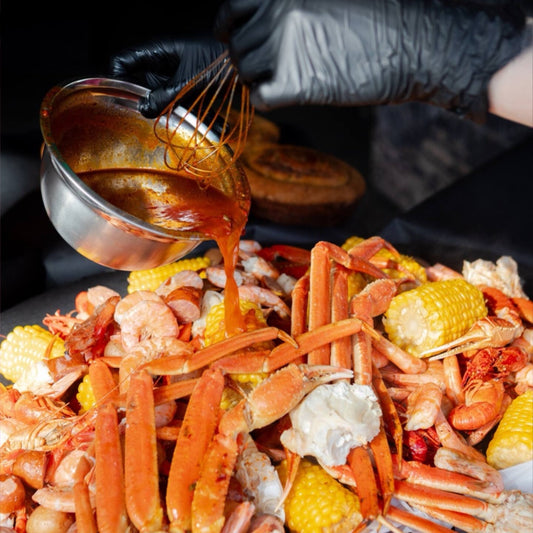
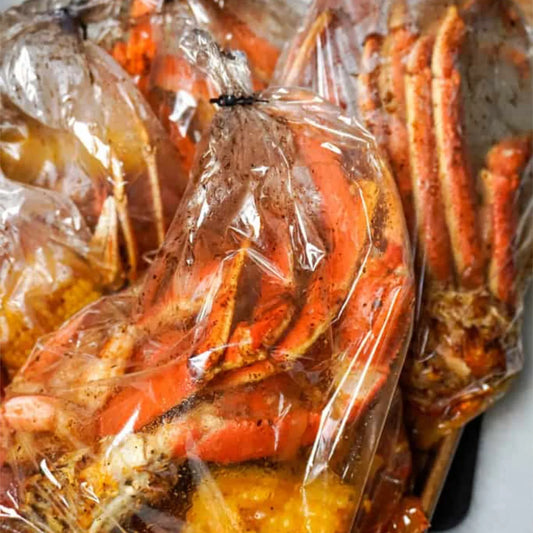
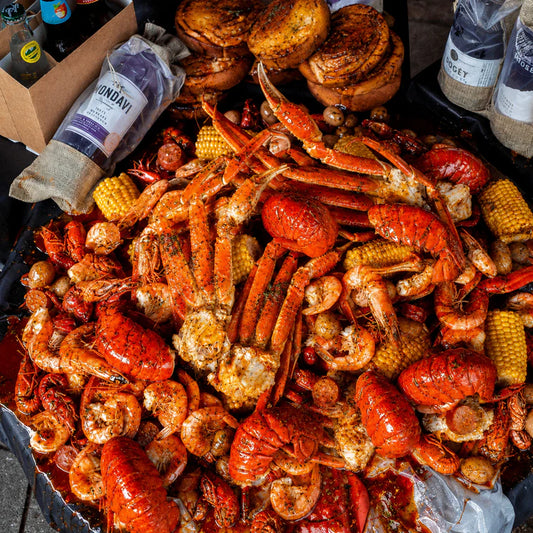
Seafood boils require special calculation—plan approximately 1.5-2 pounds of shell-on seafood per person, as shells constitute significant weight.
4.4 Coordinating with facilities: space, power, warming equipment, and cleanup
Survey your serving location for practical necessities: electrical outlets for warming trays, table space for buffet arrangements, proximity to kitchen facilities for ice or additional utensils. Cajun dishes maintain quality best when kept at proper temperatures, making chafing dishes or warming equipment essential for extended service periods.
Establish clear cleanup protocols with your caterer and facilities team. Designate disposal stations for shells, bones, and used serving ware to maintain a tidy environment throughout the meal.
5. Cajun Menu Ideas Tailored to Office Catering
5.1 Signature mains that travel well: jambalaya, red beans & rice, Cajun pasta, and more
Transportation resilience matters immensely for office catering. Jambalaya—that glorious one-pot marriage of rice, proteins, and the holy trinity of vegetables—actually improves slightly during transport as flavors meld. Red beans with andouille sausage maintain texture and temperature admirably, while Cajun-spiced pasta dishes offer familiar formats with distinctive seasoning profiles.
For West Hollywood offices seeking authentic Cajun flair, Boil Baby Boil's signature seafood boils deliver restaurant-quality freshness in office-friendly formats. Their commercial catering collection specifically addresses workplace dining needs with mess-conscious packaging and flexible portion sizes.
5.2 Protein variety for every palate: chicken, sausage, seafood, and vegetarian options
Diversified protein offerings ensure inclusive menus. Cajun-rubbed chicken thighs provide familiar comfort with regional character. Andouille sausage contributes smoky depth and appealing texture contrast. Fresh Gulf shrimp, snow crab, or crawfish elevate the experience into special-occasion territory.
For teams requiring vegetarian alternatives, Cajun-spiced black-eyed peas, vegetable étouffée over rice, or roasted okra with tomatoes honor the cuisine's flavor principles without animal proteins.
Boil Baby Boil's Office Party Package exemplifies this balanced approach, combining premium seafood options with sides that accommodate various dietary preferences. The package eliminates planning complexity while delivering an impressive spread that sparks genuine excitement.
5.3 Sides that round out "the office catering" experience: cornbread, slaw, greens, and salads
Supporting dishes provide textural contrast and palate relief from bold main courses. Honey butter cornbread—simultaneously sweet and savory—functions as both side and conversation piece. Creamy coleslaw delivers cooling crunch that balances spice-forward entrées.
Collard greens or turnip greens prepared with smoked turkey offer nutritional density and authentic Southern soul. For lighter counterpoints, crisp romaine salads with Creole mustard vinaigrette refresh without competing with primary flavors.
5.4 Desserts and drinks with a Cajun or Southern twist
Conclude your Cajun feast with regional sweet traditions. Beignets—those pillowy, powdered-sugar-dusted fritters—transport diners straight to New Orleans' French Quarter. Bread pudding with whiskey sauce delivers comforting richness, while pecan pralines offer individually portioned indulgence.
Beverage pairings might include sweet tea (the South's unofficial beverage), chicory coffee for bold palates, or sparkling waters with citrus to cleanse between bites. For evening events, consider craft beers or casual wines that complement rather than overshadow assertive Cajun spicing.