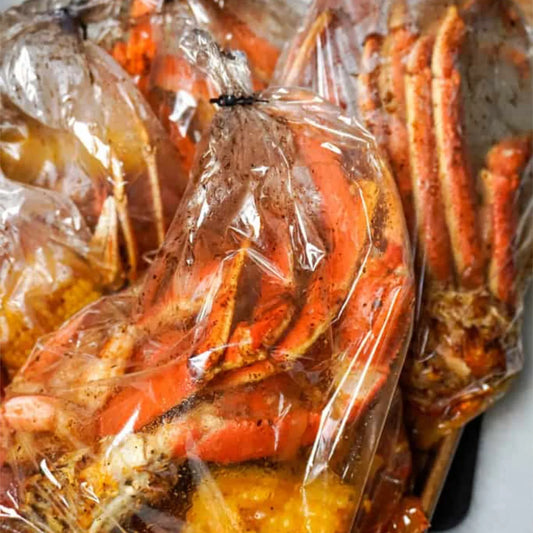
Summer Outdoor Party Menus: Seafood That Travels Well
1. Why Seafood Is Perfect for Summer Outdoor Parties
1.1 The appeal of a seafood-focused outdoor party menu
Seafood carries an undeniable magnetism when the temperature climbs and gatherings migrate outdoors. Unlike heavy proteins that weigh down guests in sweltering weather, seafood delivers substantive nourishment without the leaden aftermath. The briny sweetness of shrimp, the delicate flake of quality fish, and the celebratory theater of cracking crab legs transform any backyard assembly into a memorable culinary event. There's an inherent festivity to seafood—it signals indulgence and special occasions while remaining refreshingly light.
For hosts seeking outdoor party seafood menu ideas, the versatility proves invaluable. Seafood adapts beautifully to various preparation methods, from chilled presentations that require zero last-minute fussing to smoky grilled offerings that harmonize with summer's convivial spirit. The visual appeal matters too; vibrant pink shrimp, coral-hued lobster, and jewel-toned ceviche create Instagram-worthy spreads that elevate your hosting credentials.
1.2 Matching seafood to warm-weather occasions (cookouts, picnics, potlucks, beach days)
Each outdoor venue suggests its own seafood strategy. Backyard cookouts welcome grilled preparations and communal boils where guests can dig in with abandon. Beach excursions demand ultra-portable options—think chilled shrimp cocktails in insulated carriers or seafood salad sandwiches that won't disintegrate in the salt air. Park picnics benefit from finger-friendly formats like shrimp tacos or crab sliders that minimize utensil needs.
Potlucks present a golden opportunity to showcase seafood's crowd-pleasing potential. A carefully constructed seafood dish often stands out amidst the usual parade of pasta salads and chip-and-dip combinations. The key lies in selecting preparations that maintain their integrity during transport and don't require constant refrigeration monitoring.
1.3 Balancing flavor, freshness, and food safety when serving seafood outdoors
The triumvirate of flavor, freshness, and safety governs successful outdoor seafood service. Freshness anchors everything—starting with quality sourcing and maintaining proper cold-chain protocols. Flavor development happens through strategic seasoning and cooking techniques that compensate for the inherent challenges of outdoor serving temperatures.
Safety considerations become paramount when seafood leaves the controlled environment of your kitchen. The danger zone between 40°F and 140°F accelerates bacterial proliferation, particularly concerning with protein-rich seafood. This reality doesn't eliminate outdoor seafood possibilities; it simply necessitates thoughtful planning around timing, cooling equipment, and menu selection that prioritizes stable preparations over temperamental ones.
"The most successful outdoor seafood menus acknowledge the realities of al fresco dining while refusing to compromise on quality or taste. It's about working with nature, not against it."
2. Key Principles for Seafood That Travels Well
2.1 What "travels well" really means for outdoor party seafood dishes
When evaluating whether seafood travels well, consider structural integrity, temperature stability, and flavor endurance. A dish that travels well maintains its textural appeal after being jostled in transit, doesn't weep excessive liquid that creates soggy messes, and tastes equally delicious at its intended serving temperature—whether chilled, room temperature, or reheated.
Structural soundness proves especially critical. Delicate fish that flakes apart with minimal provocation won't survive the journey to your destination intact. Similarly, preparations relying on precise plating or last-second garnishing create unnecessary stress when you're setting up in a park pavilion or on a beach blanket.
2.2 Best seafood choices for make-ahead and transport (shrimp, firm fish, crab, mussels, canned options)
Shrimp reigns supreme for portable seafood menus. Already cooked, properly chilled shrimp holds magnificently for hours and accepts diverse flavor profiles from zesty cocktail sauce to sophisticated herb-citrus marinades. The individual portions eliminate serving complications while the shells-on presentation actually aids food safety by providing a protective barrier.
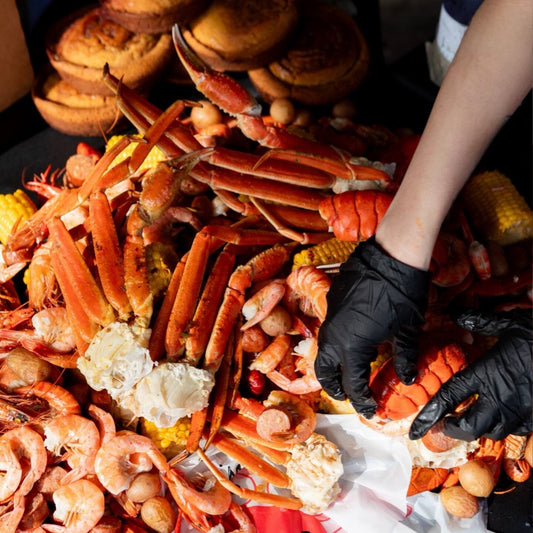
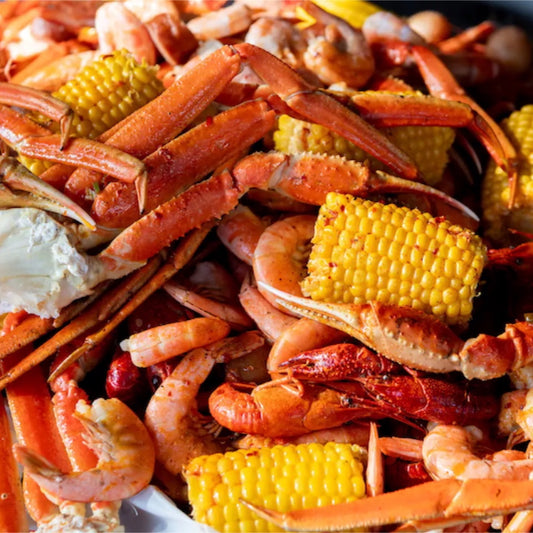
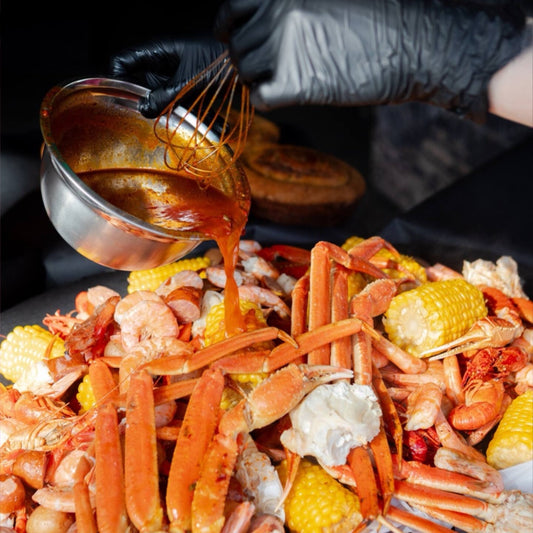
For hosts in West Hollywood and surrounding areas, Boil Baby Boil's Cajun Seafood Catering collection solves the outdoor party equation entirely. These expertly prepared seafood boils travel remarkably well thanks to their robust seasoning and communal serving style. The signature Cajun boil mix—featuring snow crab, crawfish, lobster, and shrimp—arrives ready to serve, eliminating prep stress while delivering authentic, craveable flavor that guests will devour. The mess-free family meal format means no complicated plating or individual portioning, just pure, hands-on enjoyment that defines memorable outdoor gatherings.
Firm-fleshed fish varieties like salmon, swordfish, and mahi-mahi withstand grilling and transport better than delicate sole or flaky cod. Crab—whether whole clusters, claws, or picked meat—offers impressive versatility. Pre-cooked mussels in flavorful broths can be served chilled or gently reheated. Don't overlook quality canned options: sustainably sourced tuna, salmon, and sardines provide legitimate foundations for dips, salads, and spreads with zero perishability anxiety.
2.3 Seafood to avoid for outdoor parties (highly perishable, delicate, or fussy dishes)
Raw oysters, despite their coastal-celebration cachet, present significant challenges for outdoor service unless you're equipped with professional-grade ice displays and rapid consumption timelines. The same applies to sashimi-grade preparations—save these for climate-controlled environments where temperature precision is guaranteed.
Overly sauced seafood dishes become problematic outdoors. Creamy preparations separate in heat, while delicate emulsions break down. Breaded and fried seafood loses its textural appeal rapidly, turning soggy rather than maintaining that desirable crispness. Whole fish presentations, while visually stunning, prove cumbersome to serve without proper stations and utensils.
2.4 Safety first: time, temperature, and storage guidelines for seafood on the go
The two-hour rule governs outdoor seafood service: perishable items shouldn't remain in the danger zone longer than two hours total, and that window shrinks to one hour when ambient temperatures exceed 90°F. This timeline includes prep time, transport duration, and actual serving period.
Proper cooler management makes the difference between safe enjoyment and potential disaster. Pack seafood in leak-proof containers surrounded by ice packs or ice, maintaining separation between raw and cooked items if transporting both. A dedicated seafood cooler prevents cross-contamination and allows you to monitor internal temperatures without repeatedly opening the main food cooler. Consider frozen gel packs rather than ice to avoid waterlogged containers as melting occurs.
- Maintain seafood at 40°F or below until serving
- Transport in insulated coolers with adequate ice or gel packs
- Minimize cooler opening to preserve cold temperatures
- Discard any seafood that's been unrefrigerated beyond safe time limits
- Use separate utensils for raw and cooked seafood service
3. Planning Your Outdoor Party Seafood Menu
3.1 How many seafood dishes do you really need? (starters, mains, sides, and nibbles)
Menu architecture depends entirely on your event's format and duration. For a two-hour afternoon gathering, one substantial seafood main plus a starter or nibble option provides sufficient variety without overwhelming your preparation schedule. Extended celebrations spanning four or more hours benefit from multiple offerings that allow guests to graze—perhaps a chilled appetizer, grilled main course, and a light seafood salad.
Resist the temptation to overcomplicate. Three thoughtfully executed seafood components typically outshine six mediocre options. Consider building around a single showstopper—like a spectacular seafood boil or impressive grilled fish presentation—then supporting it with simpler accompaniments that complement rather than compete.
3.2 Portion planning: how much seafood per person for a crowd
Calculating seafood quantities requires accounting for shell weight, cooking loss, and your menu's overall composition. As a main course, plan for 6-8 ounces of boneless fish or shellfish meat per person. For shell-on shrimp, increase to 10-12 ounces per guest. Whole crabs demand approximately one to one-and-a-half pounds per person, while crab legs portions run about 8 ounces per guest.
When seafood serves as one component among multiple proteins, reduce portions by one-third to one-half. Appetizer portions generally range from 2-3 ounces per person for sit-down service, though buffet-style events where guests control their own portions may require slightly more to account for varying appetites and inevitable seconds.
3.3 Building a balanced menu (light vs. rich dishes, hot vs. cold options)
Temperature and richness variation creates dynamic, satisfying menus. Pairing a butter-rich lobster preparation with a bright, acidic ceviche prevents palate fatigue while offering guests genuine choice. Cold options provide refreshment during peak heat hours, while warm dishes become more appealing as evening temperatures drop.
Balance extends to preparation complexity as well. If your main course demands active grilling or last-minute assembly, ensure supporting dishes can sit beautifully without intervention. This strategic approach prevents the host from being tethered to the food station while guests mingle elsewhere.
3.4 Adapting your menu for different outdoor settings (backyard, park, beach, rooftop)
Venue realities shape menu possibilities. Backyard parties with nearby kitchen access permit more ambitious preparations and easy equipment retrieval. You can execute warm dishes, make ingredient adjustments, and quickly replenish serving platters. Parks and beaches demand complete self-sufficiency—everything must travel in your initial load, from serving utensils to backup ice.
Rooftop gatherings often contend with intense sun exposure and limited shade, making chilled preparations particularly sensible. Beach settings require sand-proof packaging and containers that won't topple in breezes. Park pavilions might offer grill access but limited electrical outlets, eliminating options requiring heating elements while expanding grilling possibilities.
4. Make-Ahead Cold Seafood Dishes That Travel Beautifully
4.1 Chilled shrimp platters and cocktails that hold up in transit
The classic shrimp cocktail endures for good reason—it checks every portability box. Poach shrimp the day before, chill thoroughly, and pack in shallow containers layered with ice packs. The shells-on presentation actually extends holding time while adding visual appeal. Transport cocktail sauce separately to prevent sogginess, then assemble your display upon arrival.
Elevate beyond basic presentations with marinated shrimp variations. A Mediterranean-inspired version with lemon, garlic, and herbs or an Asian-influenced preparation with ginger and sesame oil both improve with resting time, making them ideal make-ahead candidates. The marinade effectively brines the shrimp, enhancing flavor while providing a protective coating that guards against drying.
4.2 Seafood salads that stay fresh (shrimp, crab, orzo, and grain-based options)
Grain and pasta-based seafood salads deliver heartiness that purely protein-based versions lack. An orzo salad studded with shrimp, cherry tomatoes, cucumbers, and feta provides textural interest while the pasta absorbs dressing flavors during transit. Quinoa or farro foundations offer nutritional appeal and maintain better texture than delicate lettuce greens that wilt in coolers.
For those seeking a truly impressive centerpiece without the preparation hassle, the Lobster Tail & Crab Legs Feast from Boil Baby Boil delivers restaurant-quality results that travel exceptionally well. This generous boil features succulent lobster tails paired with snow crab legs, all seasoned with the signature Cajun spice blend that West Hollywood insiders crave. The beauty of this feast lies in its serving versatility—enjoy it chilled as an elevated seafood platter or gently warm it for a hot main course. The robust flavors intensify during transport, arriving at your outdoor venue ready to impress guests without requiring any culinary expertise on your part.
Crab salad compositions benefit from chunky, visible crab pieces rather than overly shredded meat that appears indistinct. Combine with crisp celery, fresh herbs, and just enough binder to cohere without drowning the delicate crab flavor. These salads excel when served in individual cups or atop crackers, creating built-in portion control.
4.3 No-mayo vs. mayo-based seafood salads: which is better for hot weather?
Mayonnaise-based seafood salads carry an outsized reputation for food safety risks, though proper handling mitigates concerns significantly. The acidity in mayo actually provides some protective effect, and commercially prepared mayonnaise contains preservatives that home versions lack. The genuine risk emerges from temperature abuse—mayo-based salads that sit warm for hours, not the mayonnaise itself.
That said, vinaigrette-based preparations offer peace of mind for extended outdoor events. Lemon-herb dressings, citrus vinaigrettes, and oil-based marinades eliminate mayo anxiety while delivering bright flavors that complement seafood beautifully. These lighter preparations also feel more appropriate for summer heat when rich, creamy dishes seem less appealing.
| Dressing Type | Best For | Holding Time | Flavor Profile |
|---|---|---|---|
| Mayonnaise-based | Shorter events, classic appeal | 2 hours refrigerated | Rich, creamy, traditional |
| Vinaigrette-based | Extended events, hot weather | 4+ hours refrigerated | Bright, acidic, lighter |
| Yogurt-based | Health-conscious crowds | 2-3 hours refrigerated | Tangy, creamy, balanced |
4.4 Ceviche-style and marinated seafood: when they work for outdoor parties and how to keep them safe
Ceviche occupies interesting territory for outdoor events. The citrus "cooking" process creates a product that's technically raw yet acid-cured, offering improved safety over completely raw preparations. For outdoor service, prepare ceviche with fully cooked shrimp or scallops rather than raw fish, gaining the bright, refreshing flavors without raw seafood handling complexities.
Marinated seafood benefits from the preservative and flavor-enhancing effects of acidic ingredients. A shrimp aguachile or octopus carpaccio gains both safety margin and taste complexity from lime juice, vinegar, or other acidic components. Drain excess marinade before packing to prevent dilution, then refresh with reserved marinade and fresh herbs upon arrival for optimal presentation.
5. Grilled and Skewered Seafood for Outdoor Parties
5.1 Why skewers and kebabs are ideal for a portable seafood menu
Skewered seafood eliminates serving utensil dependencies while creating built-in portion control. Each guest claims their own skewer, reducing communal serving spoon contact and simplifying the buffet flow. The threaded format also prevents delicate seafood from fragmenting during transport—individual shrimp or scallop pieces might tumble about in containers, but skewered versions maintain their arrangement.
The visual impact of colorful seafood skewers shouldn't be underestimated. Alternating shrimp with vegetables, citrus wheels, or even pineapple chunks creates an appetizing presentation that photographs beautifully and signals the care invested in your menu. Threading items also maximizes marinade contact, ensuring flavor penetration throughout each component.
5.2 Best seafood for grilling without falling apart (shrimp, scallops, salmon, firm white fish)
Shrimp's natural curve provides mechanical advantage when skewering—threading through both tail and head sections creates stability that prevents spinning. Jumbo or colossal sizes withstand high heat without overcooking in seconds, giving you margin for error. Scallops require patting thoroughly dry before grilling to achieve proper caramelization rather than steaming.
Salmon steaks and thick fillets handle direct heat admirably thanks to their substantial fat content and firm flesh. Cut into uniform cubes for kebabs or leave as portion-sized steaks for individual service. Swordfish, mahi-mahi, and halibut cubes all skewer beautifully, maintaining structure through cooking and transport. Avoid flaky fish like cod or tilapia that disintegrate under grilling conditions.
5.3 Make-ahead marinades and rubs that enhance flavor and prevent drying out
Oil-based marinades serve double duty—imparting flavor while creating a protective barrier against moisture loss during grilling. A simple blend of olive oil, garlic, herbs, and citrus zest can be prepared days ahead and actually improves as flavors meld. For robust seafood like salmon or swordfish, consider bolder profiles incorporating soy sauce, ginger, or chili paste.
Dry rubs work exceptionally well for seafood destined for outdoor grilling since they won't drip and create flare-ups. Cajun-spiced rubs deliver bold flavor without requiring refrigerated storage during transport. Apply rubs 30 minutes to two hours before grilling for optimal adhesion and flavor development. A light oil coating before applying dry rub helps seasoning cling to seafood surfaces.
5.4 Transporting marinated seafood safely to a shared grill or park barbecue
Layer marinated seafood in rigid containers rather than flexible bags that might leak or puncture during transit. Place containers in a dedicated cooler with ice packs positioned above and below to maintain consistent chilling. If traveling longer distances, consider freezing some marinade into ice cubes that continue seasoning as they melt while providing cooling.
Pack raw seafood completely separately from ready-to-eat items, ideally in its own cooler if quantities warrant. Bring along a separate clean container for cooked seafood—never return grilled items to the container that held raw product. Include wet wipes or hand sanitizer specifically for post-handling cleanup before touching serving items.
5.5 Serving ideas: DIY skewer bar vs. pre-assembled platters
A DIY skewer bar transforms cooking into entertainment, particularly effective for smaller gatherings where grill access accommodates guest participation. Provide pre-skewered seafood alongside vegetables and aromatics, allowing guests to customize their combinations before grilling. This interactive approach extends the event timeline naturally and keeps people engaged.
Pre-assembled platters suit larger crowds or events where maintaining conversation flow matters more than cooking theater. Grill all skewers to perfection before guests arrive, then hold them warm in insulated carriers or serve at room temperature if appropriate for your preparations. Arrange on large platters with lemon wedges, fresh herbs, and dipping sauces for immediate enjoyment.
6. Seafood Finger Foods and Bite-Size Party Ideas
6.1 Handheld seafood bites that won't make a mess (sliders, tacos, lettuce wraps)
Lobster rolls and shrimp sliders deliver premium seafood experiences in compact, manageable formats. The roll or bun contains potential drips while providing structural integrity that naked seafood lacks. For outdoor service, slightly underfill compared to restaurant portions—this prevents spillage when guests navigate uneven terrain or balance plates on laps.
Fish tacos excel at outdoor events thanks to their forgiving nature and customizable toppings bar potential. Grill or pan-sear firm white fish, flake it into manageable pieces, and let guests assemble their own creations with cabbage slaw, crema, and salsa. Transport components separately to prevent soggy shells, then set up an assembly station that becomes a natural gathering point.
6.2 Seafood dips and spreads that travel well (smoked fish dip, salmon rillettes, crab spread)
Smoked fish dip offers remarkable stability—the smoking process itself acts as preservation while the whipped cream cheese or sour cream base holds beautifully in coolers. Prepare two or three days ahead, allowing flavors to marry completely. The spreadable consistency means guests can help themselves without dedicated serving utensils beyond a simple spreader knife.
Salmon rillettes provide elegant richness in a format that tolerates temperature fluctuations better than many seafood preparations. The potted format—silky fish bound with butter or cream cheese—can be portioned into small individual jars for upscale presentation or served family-style from a communal crock. Crab spread similarly benefits from make-ahead preparation and improves texturally when allowed to come just slightly above refrigerator temperature before service.
6.3 Using canned and smoked seafood for stress-free outdoor party menus
Quality canned seafood has shed its pedestrian reputation, with premium imported options rivaling fresh preparations in flavor complexity. Sustainably caught Spanish conservas—think smoked mussels, octopus, or razor clams—require zero preparation beyond opening the tin and perhaps a squeeze of lemon. Arrange on a platter with crusty bread, cornichons, and good olive oil for an instant, sophisticated appetizer.
Smoked salmon, trout, or mackerel fillets transport effortlessly and tolerate temperature variations better than fresh counterparts. The concentrated, preserved nature means they maintain quality even if your cooler situation isn't perfect. Create a smoked fish board with bagel chips, capers, red onion, and cream cheese for a crowd-pleasing spread that requires minimal oversight.
6.4 Simple pairings: crackers, baguette, and veggie dippers that complement seafood
Sturdy crackers that won't shatter under seafood dip weight prove essential. Water crackers, artisanal flatbreads, and substantial whole-grain varieties all transport well and provide neutral canvases for seafood flavors to shine. Avoid overly seasoned crackers that compete with delicate seafood tastes.
Baguette slices, lightly toasted before packing, maintain texture better than soft breads that turn gummy. Pack toasts in rigid containers with parchment between layers to prevent breakage. Vegetable dippers—cucumber rounds, endive spears, celery sticks, and bell pepper strips—add refreshing crunch while accommodating guests seeking lighter options.
7. Sides, Sauces, and Drinks That Highlight Seafood Outdoors
7.1 Fresh, travel-friendly sides that make seafood shine (salads, grilled veggies, grains)
Grain salads bring substance without heaviness, making them ideal seafood companions. A farro salad with roasted corn, black beans, and cilantro-lime dressing complements grilled fish perfectly while providing vegetarian-friendly substance. Quinoa tabbouleh studded with cucumber and tomato offers refreshing contrast to rich, buttery seafood preparations.
Grilled vegetable platters can be prepared entirely ahead and served at room temperature, developing deeper flavors as they rest. Zucchini, eggplant, bell peppers, and asparagus all travel well and provide colorful visual contrast to seafood's typically pale presentation. A drizzle of balsamic reduction or herb oil elevates them from basic sides to memorable components.
7.2 Sauces and condiments that hold up in the heat (aioli, chimichurri, citrus dressings)
Herb-forward sauces like chimichurri, salsa verde, and pesto maintain vibrancy in warm conditions better than dairy-heavy options. The high acid and oil content actually improves their stability while the bold flavors cut through seafood's richness. Prepare in squeeze bottles for easy, controlled portioning that minimizes mess.
Aioli walks the line between indulgent and practical—mayonnaise-based but stabilized with garlic and lemon juice. Transport in a cooler and serve in small ramekins rather than communal bowls to minimize temperature fluctuation. Citrus-butter sauces should be avoided for extended outdoor service, but compound butters can work if kept properly chilled and served immediately before consumption.
7.3 Beverage ideas that pair well with seafood in hot weather (mocktails, spritzers, light wines)
Crisp white wines and rosés provide classic seafood accompaniment while refreshing in summer heat. Sauvignon Blanc's citrus notes complement lighter preparations, while oaked Chardonnay stands up to richer, buttery lobster dishes. Transport wine chilled and store in ice-filled beverage tubs for self-service convenience.
Citrus-forward mocktails and spritzers offer sophisticated non-alcoholic options that echo seafood's bright flavors. Sparkling lemonade with fresh herbs, cucumber-lime agua fresca, or grapefruit spritzers all cleanse the palate between bites. Beer enthusiasts appreciate lighter lagers and wheat beers that won't overwhelm delicate seafood while providing refreshment.
7.4 Make-ahead dessert ideas that complement a seafood-heavy menu
Following substantial seafood offerings, guests appreciate lighter, fruit-forward desserts over heavy, creamy options. Lemon bars, key lime pie, or berry tarts provide sweet conclusions without overwhelming already-satisfied appetites. These preparations also travel reliably and tolerate ambient temperatures better than chocolate-based or custard-filled desserts.
Individual portions simplify service and eliminate cutting utensil needs. Mason jar parfaits, personal fruit crisps, or bite-sized tarts allow guests to grab dessert at their leisure without requiring host intervention. For a truly fitting finale to a Cajun-inspired seafood feast, consider beignets—Boil Baby Boil's signature pillowy, powdered sugar-dusted treats that provide a sweet, indulgent ending.
8. Practical Logistics: Transport, Setup, and Serving
8.1 Packing seafood for the drive: coolers, ice packs, and safe containers
Invest in quality hard-sided coolers with tight-sealing lids rather than soft-sided bags for seafood transport. Pre-chill coolers by filling them with ice several hours before packing—this extends cold retention significantly. Layer frozen gel packs along the bottom and sides, then nestle containers in the center surrounded by additional cooling elements. Top with a final layer of ice packs to create comprehensive cold coverage.
Rigid, leak-proof containers prevent cross-contamination disasters and protect delicate seafood from crushing. Glass or heavy-duty plastic containers with locking lids provide superior protection compared to disposable options. Label each container clearly with contents and any reheating or serving instructions to eliminate guesswork during setup chaos.
8.2 How long can seafood safely sit out at an outdoor party?
The strict two-hour window for perishable foods at room temperature becomes even more restrictive when temperatures soar above 90°F—shrinking to just one hour of safe holding time. This constraint doesn't mean abandoning outdoor seafood service; it requires strategic timing and replenishment planning.
Stagger your seafood offerings rather than displaying everything simultaneously. Start with one platter, then refresh with a second batch from your cooler after the initial serving is consumed. This rotation ensures constant freshness while preventing waste from over-displayed food that exceeds safe holding times. Set phone alarms to track how long each dish has been displayed, removing items promptly when time limits approach.
8.3 Setting up a seafood-friendly buffet table (shade, labeling, utensil placement)
Position your seafood service station in the shadiest available location, away from direct sunlight that accelerates warming. If natural shade is unavailable, create it using pop-up canopies, large umbrellas, or even strategically positioned sheets. Elevate platters on risers to improve air circulation underneath, which helps maintain cooler temperatures.
Clear labeling serves multiple purposes—identifying dishes for guests with allergies, indicating spice levels, and providing serving suggestions. Include cards noting whether items should be eaten cold or can be enjoyed at room temperature. Position serving utensils logically, with separate implements for each dish to prevent flavor transfer and accommodate guests with shellfish allergies who might be enjoying fish-only preparations.
8.4 Quick food safety checklist for outdoor party seafood menu ideas
Before your event, run through this essential safety verification:
- Confirm all seafood stored at 40°F or below until serving time
- Verify adequate ice pack quantities for transport duration plus margin
- Pack thermometers to spot-check seafood temperatures upon arrival
- Designate separate cutting boards and utensils for raw versus cooked seafood
- Establish clear timelines for when each dish hits the table and when it must be removed
- Identify backup refrigeration options at your venue if available
- Plan disposal method for seafood that exceeds safe holding times
9. Customizing Menus for Guests' Needs
9.1 Planning for allergies and shellfish-free options
Shellfish allergies rank among the most common and potentially severe food allergies, necessitating careful consideration when seafood anchors your menu. Always include at least one substantial non-shellfish option—grilled salmon, seared tuna, or even high-quality canned fish preparations provide safe alternatives for affected guests.
Prevent cross-contamination by designating separate serving areas and utensils for shellfish versus fin fish preparations. When possible, prepare shellfish-free items in different cookware and using different cutting boards. Clearly label all dishes, and don't hesitate to create small signage listing major allergens present in each preparation. This transparency helps guests make informed choices without repeatedly asking the host for ingredient information.
9.2 Offering kid-friendly seafood dishes that still travel well
Children often gravitate toward milder seafood preparations without aggressive seasoning or unfamiliar textures. Breaded fish strips or popcorn shrimp—while not ideal for extended outdoor holding—can work if served immediately upon arrival while still warm. Alternatively, shrimp cocktail appeals to young palates when presented playfully with mild cocktail sauce or even ketchup-based dipping options.
Fish tacos with simple seasonings allow kids to customize their spice levels and toppings, creating investment in their meal. Crab or lobster rolls simplified with minimal seasoning—just seafood, a touch of butter or mayo, and a soft roll—provide accessible entry points to premium seafood. Avoid overly spicy Cajun preparations for the children's portion of your menu, instead offering a milder seasoned alternative.
9.3 Incorporating pescatarian and mixed-diet plates without complicating prep
When hosting mixed dietary groups, seafood-centric menus actually simplify planning compared to events requiring multiple protein types. Pescatarians enjoy all your seafood offerings, while meat-eaters typically embrace quality seafood preparations enthusiastically. The challenge lies in accommodating vegetarians and vegans without creating parallel menus.
Select sides and accompaniments that naturally satisfy multiple dietary approaches. Grain salads, grilled vegetables, and herb-forward preparations work universally. Consider one substantial vegetarian main—perhaps a grilled vegetable platter or hearty bean salad—that doesn't require separate equipment or preparation timing from your seafood items. This approach respects diverse needs without fragmenting your cooking focus across incompatible items.
10. Sample Outdoor Party Seafood Menu Ideas You Can Use
10.1 Light afternoon picnic seafood menu
For a refined afternoon gathering serving 8-10 guests:
- Chilled citrus-herb marinated shrimp with cocktail sauce
- Smoked salmon platter with bagel chips, capers, and lemon-dill cream cheese
- Mediterranean orzo salad with shrimp, cucumber, tomatoes, and feta
- Seasonal fruit salad with mint
- Lemon bars for dessert
This menu requires minimal on-site preparation—simply unpack and arrange. Everything travels beautifully chilled and maintains quality for several hours with proper cooler management. The combination provides protein, carbohydrates, and refreshing elements without requiring reheating or last-minute assembly.
10.2 Casual backyard grill-out seafood menu
For a relaxed cookout serving 12-15 guests:
- Cajun-spiced shrimp and vegetable skewers
- Grilled salmon steaks with chimichurri
- Crab and corn chowder (transported in insulated container, kept warm)
- Coleslaw and grilled corn on the cob
- Honey butter cornbread
- Key lime pie
This menu balances active grilling with make-ahead components. The skewers and salmon require attention but cook quickly, while the chowder can simmer gently on a side burner. Sides are unfussy and complement the smoky, spiced seafood without competing for attention.
10.3 Elegant evening patio party seafood menu
For an upscale gathering serving 10-12 guests:
- Lobster tail and crab legs feast with drawn butter and lemon
- Shrimp ceviche in individual cups
- Grilled scallops with citrus beurre blanc (prepared last-minute)
- Arugula salad with shaved fennel and grapefruit
- Roasted fingerling potatoes with herbs
- Individual berry tarts
This sophisticated menu creates a special-occasion atmosphere while remaining manageable. The lobster and crab centerpiece can be served chilled or gently warmed, the ceviche requires no cooking, and only the scallops demand precise timing. The elevated presentation belies the relatively straightforward execution.
10.4 How to scale these sample menus up or down for your guest list
Scaling seafood menus follows different mathematics than other proteins. Double the guest count but increase seafood quantities by only 75%—larger groups consume less per person due to variety and social eating patterns. Conversely, intimate gatherings of four to six may require maintaining fuller portions since guests will sample everything available.
When expanding menus, add variety through additional side dishes and accompaniments rather than multiplying seafood types. Three seafood preparations remain manageable for most home cooks; six become overwhelming. Instead, offer more dipping sauces, varied bread options, or additional vegetable sides that extend the menu's interest without complicating your seafood preparation timeline.
11. FAQs About Summer Outdoor Party Seafood Menu Ideas
11.1 What is the safest seafood option for a long, hot day outdoors?
Fully cooked, chilled shrimp represents the safest choice for extended outdoor events in warm weather. The cooking process eliminates pathogens, while the chilled serving temperature removes the complexity of maintaining hot holding standards. Shrimp's natural protective shell provides an additional barrier, and the individual portion format allows guests to take only what they'll consume immediately, minimizing repeated handling of communal platters.
Smoked seafood runs a close second for safety and stability. The smoking process acts as preservation while creating flavors that actually improve at room temperature. High-quality canned or preserved seafood like Spanish conservas offer virtually zero safety concerns since they're shelf-stable until opened and require minimal handling.
11.2 How far in advance can I prepare seafood dishes before the party?
Timing depends entirely on the preparation method. Cooked shrimp maintains optimal quality for up to 48 hours when properly refrigerated, making it an excellent two-day advance option. Seafood salads with vinaigrette dressings hold well for 24 hours, while mayo-based versions should be prepared no more than 12 hours ahead to ensure peak freshness and texture.
Marinades and dry rubs can be prepared three to five days in advance, though apply them to seafood only a few hours before cooking to prevent texture degradation from prolonged acid exposure. Smoked fish dips and spreads actually benefit from two to three days of refrigeration, allowing flavors to meld completely. Raw seafood should be purchased the day of your event or at most one day prior, and kept at proper refrigeration temperatures until cooking or serving.
11.3 Can I serve raw seafood (like oysters or sashimi) at an outdoor event?
While technically possible, serving raw seafood outdoors introduces significant food safety challenges that most home hosts should avoid. Raw oysters require continuous refrigeration on ice beds that need constant replenishment, professional-grade temperature monitoring, and consumption within very narrow time windows. The liability and logistics rarely justify the effort for casual gatherings.
If you're determined to include raw preparations, limit quantities to what can be consumed within 30 minutes of display, maintain them on deeply bedded ice with drainage, and keep backup ice readily available. Consider this option only for temperate weather conditions—never when ambient temperatures exceed 85°F. Alternatively, choose ceviche-style preparations using pre-cooked seafood that deliver similar bright, fresh flavors without the raw seafood risks.
11.4 How do I keep grilled seafood from drying out while I transport or hold it?
Slight undercooking provides the best insurance against dry grilled seafood, since residual heat continues cooking during transport. Pull shrimp when they're just turned pink with slight translucency remaining in the thickest part; remove fish when it flakes but still shows a hint of translucency at the center. This technique accounts for carryover cooking that occurs as seafood rests.
Transport grilled seafood in insulated containers lined with parchment paper, not sealed airtight which creates steam and sogginess. A light brush of flavored oil or butter before packing adds moisture and prevents surface drying. For extended holding, loosely tent with foil rather than wrapping tightly, which traps moisture against the surface and degrades texture. If serving grilled seafood at room temperature rather than hot, allow it to cool completely before packing to prevent condensation formation.
11.5 What are budget-friendly seafood choices for feeding a large crowd?
Frozen shrimp purchased in bulk offers the most economical option for crowd-pleasing seafood service. Five-pound bags of shell-on shrimp cost significantly less per pound than fresh, and when properly thawed and prepared, the quality difference becomes negligible, especially when robust seasonings are employed. Canned tuna, salmon, or sardines provide legitimate foundations for dips, salads, and spreads at a fraction of fresh seafood costs.
Mussels deliver impressive visual impact and generous portions at modest prices compared to other shellfish. A two-pound portion serves as a substantial main course yet costs less than many meat proteins. Fish fillets sold as "previously frozen" at supermarket counters cost considerably less than "fresh" options while offering comparable quality—most "fresh" fish was actually frozen on the boat and thawed for display anyway.
For West Hollywood locals seeking exceptional value without sacrificing quality, Boil Baby Boil's catering options provide better pricing than traditional big-name seafood boil competitors while delivering the authentic Cajun flavors and generous portions that make outdoor gatherings memorable. The family meal format eliminates individual plating costs while the no-dishes-required service model reduces rental expenses.
11.6 How can I make my outdoor seafood menu more sustainable and eco-conscious?
Prioritize domestic, wild-caught seafood over imported farmed options when possible, checking for MSC (Marine Stewardship Council) certification or consulting Seafood Watch guides for sustainable choices. Alaska salmon, Pacific halibut, and domestic shrimp from the Gulf or Atlantic represent more sustainable options than imported alternatives with questionable harvesting practices.
Choose whole or larger format seafood that requires less processing and packaging. Buying whole fish or large shrimp that you clean yourself eliminates excess packaging while often providing superior freshness. When utilizing canned seafood, seek brands committed to sustainable fishing practices and minimal processing—premium tinned fish companies typically provide detailed sourcing information.
Minimize single-use serving items by investing in reusable platters, utensils, and beverage containers. If disposables are necessary, choose compostable options made from bamboo, palm leaves, or other plant-based materials. Properly dispose of seafood shells and scraps in compost when possible, as they provide valuable nutrients, though check local composting guidelines since some municipal programs exclude seafood waste.