Cajun Boil Bags vs Restaurant Dining: Which Wins in 2026?
1. Introduction: The 2026 Cajun Seafood Boil Showdown
1.1 Why "seafood boil bags vs restaurant" is the big question now
The culinary landscape has morphed dramatically since 2020, and Cajun seafood boils—once relegated to coastal shacks and niche eateries—have surged into mainstream consciousness. By 2026, the debate between procuring a ready-to-cook seafood boil bag versus reserving a table at your favorite Cajun spot has become unavoidable. Consumers now demand convenience without sacrificing authenticity, and the proliferation of premium meal kits alongside innovative restaurant models has made this choice trickier than ever.
Home delivery services, improved cold-chain logistics, and the rise of ghost kitchens have blurred the lines between professional and domestic seafood preparation. Meanwhile, restaurants are countering with experiential dining, tableside theatrics, and even hybrid takeout "bagged boils" that mimic the at-home ritual. For late-night foodies in West Hollywood, Hollywood, and Beverly Hills, this question isn't academic—it's dinner tonight.
1.2 What this comparison will (and won't) cover
This guide dissects flavor, cost, convenience, health, and social experience across both options. We'll explore real-world scenarios: feeding a small gathering, satisfying a solo midnight craving, or catering a birthday bash. You'll discover when a high-end boil bag can rival—or even eclipse—restaurant quality, and when the communal ambiance of a buzzing seafood joint remains irreplaceable.
What we won't do is declare a universal winner. Your ideal choice hinges on budget, time constraints, culinary confidence, and whether you're chasing Instagram-worthy plating or simply craving buttery, spice-laden crustaceans at 10 p.m. on a Tuesday.
1.3 Quick snapshot: how Cajun boil bags and restaurant dining differ in 2026
"Seafood boil bags offer unparalleled flexibility and cost control, while restaurants deliver expertise, atmosphere, and zero post-feast cleanup—each excels in distinct contexts."
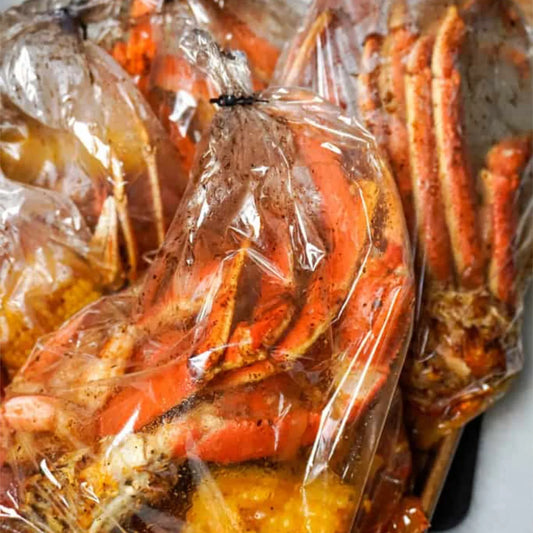
Boil bags arrive pre-portioned with seasoning sachets, frozen or fresh seafood, and often corn, sausage, and potatoes. You boil at home, pour onto parchment, and devour mess-free. Restaurants, conversely, handle sourcing, cooking, and presentation, wrapping the meal in a social ritual complete with bibs, communal tables, and craft cocktails. In 2026, both formats have evolved: bags now feature sustainably sourced lobster and global spice fusions, while restaurants employ QR-code menus and offer "grab-and-go" bagged boils for dine-at-home convenience.
2. What Exactly Are Cajun Seafood Boil Bags in 2026?
2.1 The basics: how seafood boil bags work
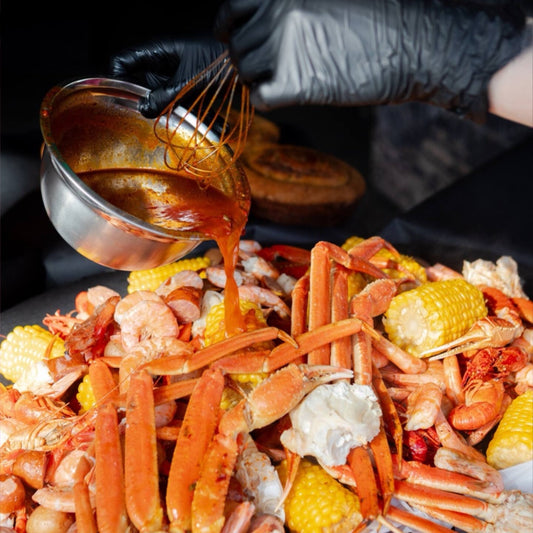
A Cajun seafood boil bag is a curated package containing shellfish—snow crab, crawfish, shrimp, or lobster—alongside vegetables, andouille sausage, and a proprietary spice blend. The classic preparation involves boiling water, immersing the bag's contents for a prescribed duration, then draining and serving directly on butcher paper or a lined table. No specialized cookware is mandated; a large stockpot suffices.
Modern iterations may include vacuum-sealed compartments to preserve freshness, pre-measured butter for finishing, and even disposable gloves. The appeal lies in simplicity: minimal prep, maximal flavor, and the visceral joy of cracking shells without leaving your kitchen.
2.2 Types of Cajun boil bags: frozen kits, meal delivery, and restaurant takeout bags
Three primary categories dominate the 2026 market:
- Frozen kits from national brands, stocked in supermarket freezers, offer shelf stability and budget-friendly pricing but may compromise on seafood provenance.
- Subscription meal services ship fresh or flash-frozen boils on a recurring schedule, often emphasizing organic produce and traceable shellfish.
- Restaurant takeout bags—like those from Boil Baby Boil in West Hollywood—bridge the gap, providing chef-calibrated seasoning and restaurant-grade seafood for home enjoyment without the dine-in markup.
Each format caters to different priorities: cost, freshness, or brand trust.
2.3 Typical ingredients: seafood, seasoning blends, and add‑ins
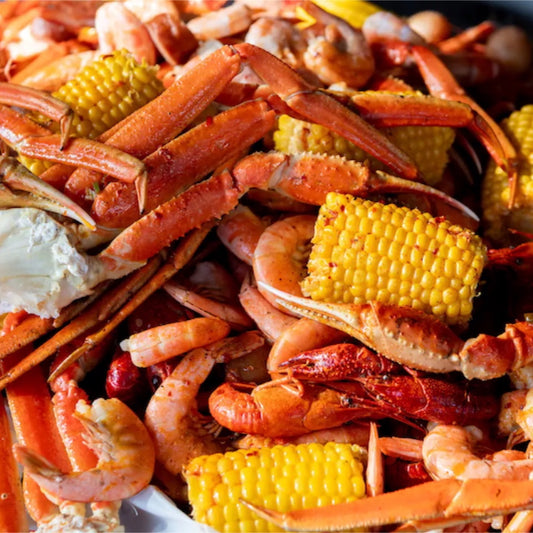
Core components include shellfish (head-on shrimp, snow crab clusters, whole crawfish, or lobster tails), Yukon gold potatoes, sweet corn, and smoked sausage. Seasoning packets marry Old Bay-style celery salt with cayenne, garlic powder, lemon zest, and sometimes brown sugar for a subtle sweetness. Premium bags incorporate fresher aromatics—whole garlic cloves, bay leaves, and halved lemons—that infuse during the boil.
Add-ins have diversified: mushrooms, artichoke hearts, even pineapple chunks for a tropical riff. Boil Baby Boil's signature honey butter cornbread, while not boiled, often accompanies bags as a sweet-savory counterpoint to the spice-forward seafood.
2.4 2026 trends in boil bags: premium seafood, global flavors, and healthier twists
This year's innovations reflect broader culinary currents. Expect:
- Sustainably harvested Alaskan king crab and MSC-certified shrimp.
- Global mash-ups—gochugaru-spiked Korean boils, miso-butter finishes, or Caribbean jerk spice rubs.
- Lower-sodium blends and plant-based "lobster" analogs for flexitarians.
- Single-serve bags catering to solo diners or late-night cravings.
These trends position boil bags as both indulgence and accessible luxury, eroding the perception that only restaurants can deliver gourmet-caliber seafood feasts.
3. Classic Restaurant Seafood Boils: What You Get When You Dine Out
3.1 How a traditional Cajun seafood boil restaurant experience works
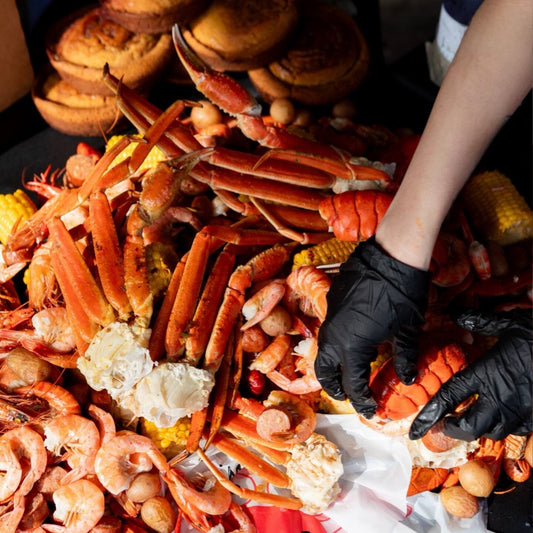
Upon arrival, diners select shellfish by type and weight—often displayed on ice or via digital boards. The kitchen boils your order in a cauldron of spiced liquid, then dumps the steaming haul onto your table, lined with butcher paper or inside a communal tray. Bibs are donned, mallets distributed, and the cracking commences. It's theater as much as sustenance, a participatory spectacle that transforms strangers into comrades over shared drawn butter.
Servers replenish napkins, refill drinks, and occasionally demonstrate proper claw-cracking technique. The experience is designed to be messy, loud, and liberating—a departure from refined fork-and-knife dining.
3.2 Atmosphere and service: what restaurants still do best
Restaurants curate ambiance: Zydeco playlists, rustic décor, and the kinetic energy of a packed room. Attentive staff troubleshoot dietary restrictions, recommend spice levels, and upsell premium add-ons like lobster tails. For first-timers, this guidance is invaluable; for regulars, it's reassuring continuity.
Post-meal, cleanup is someone else's problem. You exit satiated, fingers sticky with garlic butter, leaving behind a mountain of shells and wadded paper towels. That zero-effort conclusion is a cornerstone of the restaurant value proposition.
3.3 Common menu formats: per‑pound seafood, combos, and all‑you‑can‑eat
Pricing structures vary:
- Per-pound ordering lets diners customize—two pounds of snow crab, a half-pound of head-on shrimp, add andouille.
- Combo platters bundle popular items at a slight discount, ideal for groups.
- All-you-can-eat promotions, resurgent in 2026, appeal to budget-conscious big eaters but often limit premium proteins like lobster.
Boil Baby Boil, for instance, emphasizes quality over volume, offering daily specials from 5 p.m. to 10:30 p.m. and transparent per-item pricing that rivals national chains without sacrificing freshness.
3.4 New in 2026: digital ordering, tableside tech, and "bagged" boils served in‑house
Contactless QR menus now display real-time seafood availability and allergen flags. Some venues deploy tableside tablets for reordering sides or adjusting spice mid-meal. Intriguingly, certain restaurants—including Boil Baby Boil—now offer "bagged boils" for dine-in: your order arrives in a sealed pouch, ceremoniously opened at your table, merging home-kit convenience with restaurant service.
This hybrid model caters to diners seeking the communal vibe without the kitchen's full overhead, effectively blurring the seafood boil bags vs restaurant dichotomy.
For those craving restaurant-quality Cajun seafood without the dine-in commitment, exploring a curated selection of ready-to-cook boil bags bridges the gap. Boil Baby Boil's Cajun Seafood Boil Bags Delivery collection delivers chef-calibrated spice blends and premium shellfish straight to your door in West Hollywood and surrounding neighborhoods. Whether you're hosting a spontaneous late-night gathering or planning a birthday dinner, these bags eliminate guesswork while preserving the authentic, buttery decadence that defines a proper Louisiana-style boil. Same-day catering options and no-dishes-required packaging mean you enjoy the feast, not the cleanup.
If you're feeding a crew—say, six to eight friends for a weekend hangout—the Classic Seafood Boil Bundle exemplifies how a premium boil bag can rival or exceed restaurant value. This bundle packs snow crab, jumbo shrimp, andouille sausage, corn, and potatoes with Boil Baby Boil's signature Cajun seasoning mix. At a fraction of the per-head cost of dining out, you control spice intensity, boil timing, and add-ons like extra butter or lemon. It's perfect for those "if you know, you know" insiders who want the full sensory experience—crackling shells, aromatic steam, communal table—without reservations, wait times, or tipping anxiety.
4. Flavor & Quality: Do Seafood Boil Bags Really Compete with Restaurants?
4.1 Freshness of seafood: sourcing for bags vs restaurant kitchens
Restaurant kitchens often receive daily shipments from regional distributors, ensuring live crawfish or never-frozen crab. Premium boil bags counter with flash-freezing technology that locks in flavor within hours of harvest—sometimes yielding better texture than seafood languishing on restaurant ice for days.
Transparency varies. Reputable bag providers list catch methods and origins; restaurants may obscure sourcing behind generic "market price" labels. In 2026, savvy consumers demand traceability—boil bags with MSC or BAP certifications can edge out opaque restaurant claims.
4.2 Seasoning profiles: depth of Cajun flavor, spice control, and consistency
Restaurant chefs adjust spice on the fly, tasting and tweaking each batch. This yields nuanced depth but risks inconsistency—your "mild" Monday boil may be spicier than your "hot" Thursday order. Boil bags standardize flavor via pre-measured sachets, ensuring repeatability but potentially sacrificing the chef's intuitive touch.
However, top-tier bags—like Boil Baby Boil's—replicate signature restaurant blends, calibrated by chefs and tested across batches. Home cooks can further customize by adding extra cayenne, brown sugar, or a splash of beer to the pot, achieving personalization impossible in a commercial kitchen.