Where to Find Seafood Boil with Andouille Sausage and Corn Near You
Boil Baby Boil in West Hollywood serves Cajun seafood boils with andouille sausage and corn, plus shrimp, snow crab, crawfish and potatoes tossed in your choice of sauce and spice level. Order online at boilbabyboil.com for delivery across WeHo, Beverly Hills, Hollywood, Santa Monica, Culver City and Downtown LA, or for pickup.
What a true seafood boil with andouille sausage and corn includes
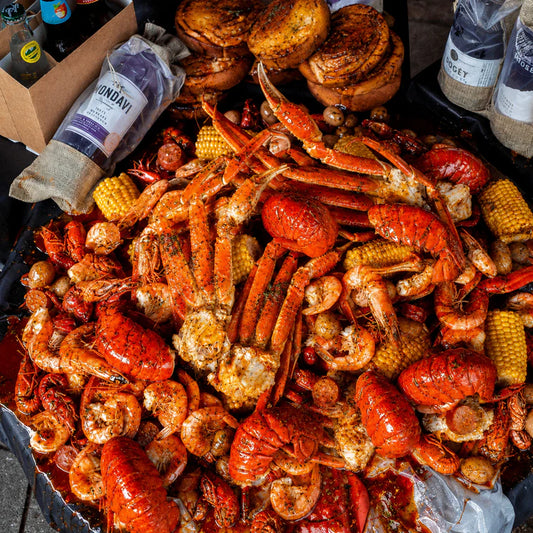
A true seafood boil with andouille sausage and corn is more than just steamed shellfish—it's a complete, flavor-layered meal cooked together in one pot, where spiced boiling liquid and buttery sauce infuse every ingredient. According to the Louisiana Seafood Promotion and Marketing Board, authentic seafood boils feature shellfish like shrimp, crab, or crawfish cooked with Cajun spices, smoked sausage, corn, and potatoes, all served together in a boil bag or spread on table paper. When you search for this dish near you, you're looking for a specific combination: high-quality andouille sausage, sweet corn on the cob, seafood boiled in seasoned water, and finished with a rich sauce blend.
Cajun vs Viet-Cajun: spices, boil liquid, and sauce styles
Traditional Cajun boils rely on dry spices like cayenne, garlic powder, black pepper, and bay leaves added directly to the boiling water, with minimal finishing sauce. The Louisiana State University Agricultural Center notes that classic boil liquids often include lemon, onion, and commercial blends such as Zatarain's or Old Bay. In contrast, Viet-Cajun boils—popularized in Houston and Los Angeles—add garlic butter, lemongrass, and Asian aromatics to the boil liquid, then toss everything in thick, glossy sauces after cooking. Common Viet-Cajun sauce profiles include garlic butter, lemon pepper, Cajun butter, and house blends combining soy, Worcestershire, and chili paste. Both styles feature andouille and corn, but Viet-Cajun boils typically deliver bolder, sweeter, and more heavily sauced results.
The role of andouille sausage, sweet corn, and classic sides
Andouille sausage serves as a smoky, fatty anchor that flavors the entire boil. According to the USDA, authentic andouille is a coarsely ground pork sausage seasoned with garlic, black pepper, and cayenne, traditionally smoked over pecan wood. During boiling, its oils and spices infuse the cooking liquid and coat the corn and potatoes. Sweet corn on the cob absorbs the boil seasoning and sauce, providing a starchy, slightly sweet counterpoint to the briny seafood. Classic sides always include red potatoes or Yukon golds, which soak up spiced butter, and many boils add mushrooms, celery, or sausage slices to bulk out the portions.
How to spot a boil bag vs a mixed seafood platter
A real seafood boil arrives in a sealed boil bag or poured directly onto table paper, with every ingredient coated in the same sauce and seasoning. Menu photos should show shrimp, crab, sausage slices, corn pieces, and potatoes glistening together in a single preparation. Avoid menus listing "seafood combo" or "surf and turf platter" without mentioning boil bags, boil liquid, or sauce toss—these often indicate separately grilled or fried items arranged on a plate. According to restaurant industry standards, true boil houses price by the pound, list specific sausage types, and offer multiple spice levels and sauce blends. If the menu doesn't specify andouille or corn as standard inclusions, call ahead to confirm before ordering.
Smart Ways to Search "Seafood Boil with Andouille Sausage Corn Near Me"
Use Google Maps Filters, "Open Now," and Menu Keyword Checks
Start your search by opening Google Maps and typing "seafood boil andouille sausage corn" instead of just "seafood." Tap the filters to select "Open now" if you need immediate availability, and sort by rating or distance depending on your priorities. Once you see a list of candidates, click through to each restaurant's profile and look for menu photos or uploaded PDFs—many Cajun spots post full boil menus with per-pound pricing and explicit ingredient lists. If a venue's photos show actual boil bags with visible andouille slices and corn cobs, that's a strong indicator they serve the authentic setup. Cross-reference reviews that mention "andouille" or "corn on the cob" to confirm the dish is a regular menu item, not a one-time special.
Next, use the "Search this menu" feature if available, or manually scan uploaded images for keywords like "andouille," "smoked sausage," "corn," and "Cajun butter." Restaurants that specialize in Cajun or Viet-Cajun seafood typically highlight these ingredients prominently. According to the Times-Picayune, traditional boil menus list each protein and side separately, so clarity is a quality signal.
Scan Menus for Andouille and Corn; Avoid Vague "Seafood Combo" Terms
Generic menu labels like "seafood combo," "mixed platter," or "house special" often bundle steamed or fried items without the true boil technique or core ingredients. Look instead for explicit phrases such as "Cajun boil bag," "boil with andouille sausage," "corn on the cob included," or "choice of sausage." Authentic spots will itemize proteins—shrimp, snow crab, crawfish—and list andouille, corn, and potatoes as standard or add-on components. If the menu only mentions "sausage" without specifying "andouille," it may be a mild kielbasa or breakfast link, which lacks the smoky, spiced profile you want.
Review the pricing structure carefully. Legitimate per-pound boil pricing should show separate line items: for example, "$12/lb snow crab," "$3 andouille sausage," "$2 corn." Bundled "combo" deals that omit ingredient breakdowns often substitute cheaper proteins or skip andouille altogether. The LSU AgCenter notes that andouille's distinct pork-and-spice flavor is central to Louisiana boil culture, so any menu that treats sausage as an afterthought likely isn't adhering to tradition.
Confirm Live by Calling: Exact Sausage Type, Corn Availability, and Wait Time
Once you've narrowed your list, call the restaurant directly. Ask three specific questions: "Do you use andouille sausage, and is it pork-based?" (some venues offer turkey or beef andouille for dietary needs); "Is corn on the cob included in the boil, or is it an add-on?"; and "What's the current wait time for a boil order?" Many kitchens prep boil bags to order, so wait times can range from 20 minutes to over an hour during peak weekend dinner service.
This live confirmation step prevents disappointment. A phone call also lets you verify whether the corn is fresh or frozen—fresh sweet corn, especially during California's summer harvest from June to September per CDFA data, delivers superior texture and flavor. Ask if they're currently running any seasonal specials or if certain proteins are market-priced that day. Restaurants that answer these questions confidently and provide exact details demonstrate transparency and kitchen expertise.
High-probability places to find your boil
Once you understand what makes a complete seafood boil and how to search for it, the next step is knowing exactly where to look. Not every seafood restaurant offers andouille sausage and corn by default, and many venues rotate their boil offerings by season or availability. Focusing on high-probability locations—those that specialize in Cajun-Creole traditions, hands-on seafood markets, or nimble pop-up concepts—saves time and increases your chances of finding an authentic boil experience close to home.
Cajun/Creole restaurants that host weekly or seasonal boils
Full-service Cajun and Creole restaurants are among the most reliable sources for seafood boils that include andouille sausage and corn. Many establishments feature boils as permanent menu items, while others host them as weekend specials or during crawfish season (typically February through June). Call ahead to confirm the restaurant serves andouille—not kielbasa or generic smoked sausage—and ask whether corn is steamed in the same pot or served separately. Restaurants that promote "low country boils" or "Cajun seafood feasts" on their menus often include both components as standard. In Los Angeles, Cajun-style eateries in West Hollywood, Culver City, and Hollywood often cater to local demand for spicy, well-seasoned boils delivered in authentic boil bags or family-style platters.
Seafood markets with steam pots, boil bags, and per-pound pricing
Many seafood markets—especially those with on-site steam pots—offer custom boils you can order by the pound. You select your shellfish (shrimp, crab, crawfish), spice level, and add-ons like andouille sausage, corn on the cob, and red potatoes. Pricing is transparent and typically posted per pound, making it easier to control portion sizes and total cost. Markets that display live tanks, publish daily catch boards, or advertise "boil to order" services usually maintain high freshness standards. Before ordering, confirm the sausage brand or type—authentic andouille carries robust smoke and spice, while generic links may lack depth. This model works well for takeout, picnics, and same-day gatherings when you want restaurant-quality flavor without sit-down service.
Food trucks, pop-ups, and ghost kitchens announced on Instagram
Food trucks and pop-up vendors specializing in Cajun seafood have become increasingly visible across Los Angeles, often announcing locations, menus, and limited-time boils through Instagram stories and posts. These mobile operations tend to source ingredients quickly, rotate seasonal specials, and experiment with house-made sauces and andouille blends. Ghost kitchens—delivery-only brands operating out of shared commercial kitchens—also offer seafood boils optimized for pickup and third-party apps. Follow local seafood vendors on social media to catch flash boils, pre-order windows, and sold-out warnings. Because inventory can be limited, early ordering and direct communication via DM or phone ensure you secure andouille, fresh corn, and your preferred spice level before stock runs out.
Verify quality before you spend
Freshness indicators, sourcing notes, and seasonal specials
Fresh seafood smells like clean ocean water, not ammonia or strong fish odor. When browsing menus or calling ahead, ask when shellfish was delivered and whether the restaurant receives daily or weekly shipments. Many reputable spots display sourcing details on their website or chalkboard—look for phrases like "Louisiana crawfish," "Gulf shrimp," or "East Coast blue crab." According to the U.S. Food and Drug Administration, shellfish should be stored at or below 40°F and cooked the same day or within 24 hours of thawing. Seasonal specials often signal peak freshness: crawfish season runs February through June, while corn is sweetest late spring through early fall. If a restaurant highlights a "crawfish boil weekend" or "summer corn special," you're likely getting product at its prime.
Check whether the kitchen posts photos of raw shellfish or live tanks on social media. Establishments proud of their supply chain share behind-the-scenes content. Ask if the andouille sausage is house-made or sourced from a regional Cajun supplier; generic smoked sausage tastes milder and lacks the traditional peppery kick. Transparency about vendors—whether named on the menu or explained by staff—indicates a commitment to quality ingredients.
Price checks: per-pound costs, add-ons, and market-price items
Seafood boils are typically priced per pound, with shrimp ranging $8–$14, snow crab legs $18–$28, and crawfish $6–$12 depending on season and origin. Andouille sausage and corn are usually sold as add-ons at $2–$4 per piece or included in combo packages. Always confirm whether potatoes, corn, and sausage are bundled or charged separately. Market-price items—lobster, king crab, Dungeness crab—fluctuate weekly; request the current rate before ordering to avoid sticker shock. Some restaurants list "MP" on menus, meaning you must call or ask in person.
Compare per-pound pricing across three competitors in your area. Factor in delivery fees, service charges, and minimum order requirements for takeout or catering. Watch for hidden costs: extra garlic butter ($3–$5), upgraded spice blends, or premium sauces. Transparent operators break down each component on the receipt, while vague "seafood combo" pricing can obscure true value. If a deal seems unusually cheap, verify portion sizes and confirm that real andouille—not generic kielbasa—is included.
Review analysis: photos that prove real andouille and corn
Customer photos on Google, Yelp, and Instagram reveal more than star ratings. Scroll past professional shots and study user-uploaded images: genuine andouille has a coarse texture, reddish-brown casing, and visible spice flecks. Corn should appear plump and golden, not pale or shriveled. Look for boil bags or spread-out newspaper presentations with all components visible—shrimp, crab, sausage, corn, and potatoes together. If reviews repeatedly show only shellfish without sausage or corn, the restaurant may not include those items by default.
Read text reviews for keywords: "smoky andouille," "sweet corn," "everything in one bag," or complaints like "sausage was bland" or "corn was canned." A pattern of five-star reviews praising specific ingredients builds confidence. Check timestamps to ensure recent feedback; a restaurant's quality can shift with ownership changes or supplier swaps. Cross-reference photo evidence with menu descriptions—if the menu promises andouille but photos show generic sausage links, ask questions before placing your order.
Order like a local: sausage choice, spice level, and sauce blends
Once you've found a reliable spot for your seafood boil, ordering with confidence ensures you get exactly what you're craving. Understanding sausage options, spice preferences, and sauce styles helps you customize your meal like a regular—and skip any ordering confusion.
Andouille profiles and pork-free swaps (beef, turkey, chicken)
Traditional andouille sausage is a coarse, smoked pork sausage with a bold, peppery kick and roots in Louisiana Cajun cuisine. According to the USDA, pork andouille often includes garlic, black pepper, and cayenne, which contribute to its signature heat and depth. Many boil spots source andouille from regional producers or prepare house-made links with varying spice profiles. When ordering, ask whether the sausage is mildly smoked or heavily spiced—some brands lean sweet, others lean fiery.
If you avoid pork for dietary or religious reasons, request beef, turkey, or chicken andouille substitutes. Beef andouille delivers a similar texture and smokiness; turkey and chicken versions are leaner but may lack the fat-driven richness of pork. Verify ingredients directly with your restaurant, especially if cross-contact with pork products is a concern. In Los Angeles neighborhoods like West Hollywood and Culver City, many spots stock multiple sausage options to accommodate diverse diets.
Heat levels and popular blends: garlic butter, lemon pepper, house mix
Most seafood boils offer spice levels ranging from mild (minimal cayenne) to extra-hot (concentrated Cajun or Thai chili blends). Start at mild if you're unsure—you can always add hot sauce at the table. Popular sauce blends include garlic butter (rich, aromatic, and universally loved), lemon pepper (bright, tangy, and citrus-forward), and house mixes that combine butter, Cajun spices, Old Bay, and proprietary seasonings. Some Viet-Cajun restaurants offer garlic-butter-lemon-pepper hybrids with optional Cajun or Rau Ram herb additions.
Ask if sauces contain MSG, dairy, or gluten-based thickeners if you have sensitivities. Many spots will customize spice levels or create half-and-half bags—half garlic butter, half lemon pepper—so you can taste both profiles in one order.
Portion planning: shrimp, crab, corn, and potatoes per person
A standard single serving includes roughly one pound of shellfish (shrimp, crab, or a combination), two to three ears of corn, and a half-pound of potatoes. For andouille sausage, plan on one to two links per person. If you're ordering for a group, most restaurants offer family or party packs scaled by the pound. According to seafood industry guidelines, one pound of head-on shrimp yields approximately half a pound of peeled meat, while snow crab clusters average six to eight ounces of meat per pound.
Adjust portions based on appetite and sides: if you're adding cornbread, beignets, or appetizers, scale back shellfish slightly. For parties or catering in areas like Beverly Hills or Santa Monica, confirm minimum order quantities and whether sides like corn and sausage are included or charged separately.
Timing and logistics that affect availability
Crawfish peaks vs year-round shrimp/crab; when corn is sweetest
Crawfish season in Louisiana runs from late January through early June, peaking in March and April when live crawfish are abundant and prices drop significantly. According to the Louisiana State University Agricultural Center, this window delivers the sweetest, meatiest tails at the lowest cost per pound. Outside this period, many Cajun restaurants pause crawfish boils or switch to frozen tails, which lack the same texture and flavor. Shrimp and crab, by contrast, are available year-round in most coastal markets, with Gulf white shrimp peaking in summer and fall per NOAA Fisheries data. Snow crab and Dungeness crab maintain steady supply through commercial fisheries, though prices fluctuate with seasonal demand.
Sweet corn reaches peak sweetness in summer—typically June through August in California—when local farms harvest bi-color and yellow varieties. Fresh summer corn transforms a seafood boil, offering natural sugars that caramelize during steaming. Off-season corn sourced from Mexico or storage facilities still works but delivers less intense sweetness. When searching for a boil in winter, confirm whether the restaurant uses fresh or frozen corn, as texture and flavor differ noticeably.
Pre-order policies, weekend sell-outs, and festival boil lines
Many seafood boil specialists require 24 to 48 hours advance notice for large orders, especially during crawfish season or major weekends. Restaurants often allocate limited crawfish inventory on a first-come, first-served basis, and popular spots in Los Angeles can sell out by Saturday afternoon. Call ahead Friday morning to reserve your pound count and confirm andouille sausage and corn availability. Festival and pop-up boils—common at farmers markets or community events—operate on strict batch schedules, with lines forming 30 minutes before service. Arrive early or monitor Instagram for real-time queue updates and batch announcements.
Dine-in setups vs takeout: transport, reheat, and cleanup tips
Dine-in boils arrive on lined trays or tables covered in butcher paper, offering the full communal experience with bibs, wet wipes, and immediate consumption at peak temperature. Takeout boils are packed in heat-sealed bags or aluminum pans with sauce pooled at the bottom; transport them upright in a cooler or insulated bag to prevent leaks. The USDA recommends consuming cooked seafood within two hours at room temperature or refrigerating immediately for same-day reheating. Reheat gently in a 300°F oven for 10 to 12 minutes or steam in a large pot with a splash of water to restore moisture. Avoid microwaving whole boils, which toughens shrimp and dries out sausage. Cleanup is simpler with disposable gloves and compostable liners; save the boil liquid to make seafood stock or discard in sealed trash bags to minimize odor.
Dietary, safety, and transparency considerations
Shellfish allergy and cross-contact disclosures to request
Seafood boil kitchens handle multiple shellfish species—shrimp, crab, crawfish, and sometimes lobster—in shared pots, tongs, and prep surfaces. If you have a shellfish allergy, call ahead to ask whether the kitchen can isolate andouille sausage and corn in a separate pot or if all items share the same boil liquid and utensils. According to the U.S. Food and Drug Administration, crustacean shellfish is one of the nine major allergens, and even trace contact can trigger reactions in sensitive individuals. Request a detailed allergen disclosure: Does the andouille sausage contain shellfish extract or seafood seasoning? Are gloves changed between handling shrimp and sausage? Many restaurants cannot guarantee zero cross-contact in a high-volume boil environment, so transparency is essential before you order.
Gluten, dairy, and MSG in sauces; how to customize safely
Cajun and Viet-Cajun sauces often include butter (dairy), Worcestershire sauce (which may contain gluten), soy sauce (gluten), and monosodium glutamate for savory depth. If you avoid gluten, ask whether the kitchen uses gluten-free soy or tamari and confirm that thickeners in house blends are cornstarch, not wheat flour. For dairy-free diets, request olive oil or a dry seasoning rub instead of butter-based sauces. MSG sensitivity varies, but the FDA recognizes MSG as generally safe; still, reputable kitchens will disclose its use and offer MSG-free alternatives. Write down your restrictions when placing a phone or online order, and confirm verbally at pickup to ensure the kitchen flagged your customization.
Health inspection scores and kitchen transparency signals
In Los Angeles County, the Department of Public Health posts letter-grade placards (A, B, or C) at restaurant entrances and publishes inspection reports online. Check the county's food facility database or third-party tools before ordering; look for recent A grades and zero critical violations related to seafood storage temperatures. Transparency signals include visible kitchens, photos of daily seafood deliveries on social media, and staff who can name suppliers or harvest regions. If a business hesitates to share sourcing details or lacks a posted health grade, consider that a red flag and search for a more open alternative.
Quick checklist and FAQs for first-time buyers
Checklist: confirm andouille type, corn included, price, and prep time
Before you place your order, ask the restaurant or market whether they use genuine andouille sausage or a substitute—some kitchens swap in kielbasa or smoked turkey sausage, which changes flavor and texture. Verify that corn on the cob is part of the base boil rather than a paid add-on; traditional Cajun boils include corn as standard, while some operations charge per piece. Request a price breakdown per pound for shellfish, noting whether potatoes, corn, and sausage are priced separately or bundled. Clarify total prep time if you're ordering for a specific event—live crab and lobster take longer to boil than thawed shrimp, and weekend rush hours can push wait times from twenty minutes to over an hour.
Budgeting and etiquette: fees, add-on butter, and tipping norms
Expect to pay between twelve and eighteen dollars per pound for shrimp, fifteen to thirty dollars for snow crab, and twenty-five to fifty dollars for lobster, depending on seasonality and market fluctuations. Many restaurants charge one to three dollars extra for additional Cajun butter or lemon-pepper sauce, so factor sauce refills into your budget. Delivery platforms often add service fees and higher menu prices, making direct pickup or restaurant-run delivery more economical. Tip fifteen to twenty percent for table service and ten to fifteen percent for pickup if staff bag your order, prepare sides, or help carry heavy boil bags to your car. For catering, gratuity of eighteen to twenty percent is customary, especially when the team sets up warming trays, provides utensils, and breaks down after your event.
FAQ: low country boil vs Cajun/Viet-Cajun—what you'll taste
A low country boil, popular in South Carolina and Georgia, emphasizes Old Bay seasoning, beer or vinegar in the boil water, and a mild, briny finish with minimal sauce. Cajun boils from Louisiana lean on cayenne, garlic, bay leaves, and lemon, typically tossed in melted butter after cooking for a richer, spicier coat. Viet-Cajun kitchens add garlic butter sauce infused with lemongrass, fish sauce, and sometimes jalapeño or Thai chili, creating a sweet-savory glaze with pronounced umami. Low country presentations often arrive on newspaper with cocktail sauce, while Cajun and Viet-Cajun versions come in plastic boil bags dripping with seasoned butter. If you prefer gentle seafood flavor with Old Bay and corn sweetness, request a low country style; if you want bold heat and buttery richness, choose Cajun or Viet-Cajun.