What's Included in a Complete Seafood Boil for Groups?
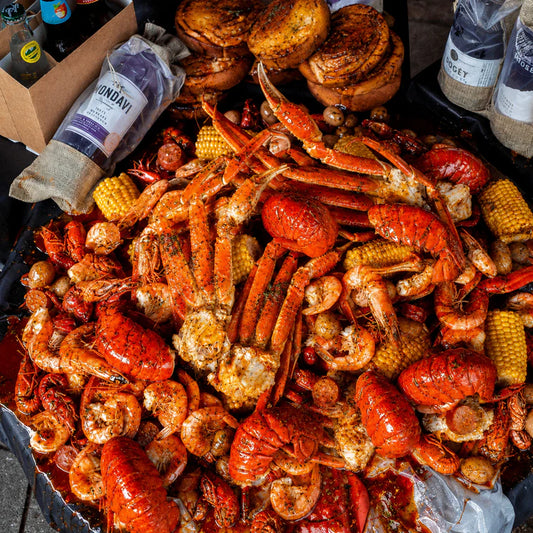
TL;DR: A complete seafood boil for a group includes a mix of shellfish (shrimp, snow crab legs, crawfish and sometimes lobster), andouille sausage, corn, baby potatoes, a Cajun butter sauce and something sweet or bready on the side. Boil Baby Boil in West Hollywood packages all of it as party feasts that feed 4 to 12 people, with cornbread, lemons, bibs, gloves, wipes and a butcher paper table setup, for delivery or pickup in Los Angeles.
What's in a complete seafood boil meal for group gatherings
The essential categories: seafood, seasoning, starches, sauces, and sides
A complete seafood boil meal for a group organizes into five core categories that work together to create a balanced, memorable feast. The seafood itself forms the centerpiece—typically a mix of shrimp, crab, crawfish, or lobster—while seasoning defines the flavor identity through spice blends, aromatics, and boiling liquids. Starches such as red potatoes and corn on the cob absorb the seasoned broth and provide filling substance. Sauces and butters offer customizable dipping options that let each guest adjust richness and heat to their preference. Finally, sides like cornbread, coleslaw, and green salad balance the meal's intensity and provide textural contrast.
According to the USDA, planning these categories in advance reduces food waste at large gatherings by helping hosts purchase appropriate quantities. Each category serves a distinct purpose: seafood delivers protein and showstopping appeal, seasoning unifies flavors across ingredients with different cook times, starches extend the meal's satiety without excessive cost, sauces accommodate varied taste preferences, and sides offer lighter options for guests who need a break from rich, spiced shellfish.
Choosing a flavor profile (Cajun, Lowcountry, Chesapeake) to guide your menu
Your flavor profile shapes every component decision and creates a cohesive dining experience. Cajun-style boils from Louisiana feature bold cayenne-forward spice blends, garlic butter, and andouille sausage, often incorporating crawfish and shrimp. Lowcountry boils, rooted in South Carolina and Georgia coastal traditions, use Old Bay or similar celery-seed-based seasonings with a gentler heat level, typically pairing shrimp with smoked sausage, corn, and potatoes. Chesapeake-style preparations emphasize blue crab and rely on dry spice rubs rather than heavily seasoned boiling liquid, with vinegar-based dipping sauces and minimal butter.
Each regional approach works best for specific audiences: Cajun suits adventurous eaters who enjoy intense heat, Lowcountry appeals to families and mixed-age groups with milder preferences, and Chesapeake offers a lighter, less rich option ideal for warm-weather gatherings. Declaring your profile upfront guides sauce selection, spice levels, sausage type, and even dessert choices, ensuring every element reinforces the same culinary story.
Matching components to venue, guest count, budget, and season
Practical constraints determine which components make your final menu. Indoor venues without high-BTU burners favor smaller batches and pre-cooked elements, while outdoor spaces with propane rigs accommodate large single-pot boils for 20 or more guests. Guest count affects seafood variety—smaller groups can splurge on lobster or stone crab, whereas larger gatherings often rely on shrimp and crawfish for cost efficiency. Budget considerations may shift your seafood mix toward frozen shrimp and mussels instead of live Dungeness crab, or replace artisan sausages with standard smoked links.
Seasonality impacts both availability and price. The NOAA FishWatch program notes that Gulf shrimp peaks in summer and fall, crawfish season runs January through June, and crab availability varies by species and region. Matching your boil to what's abundant locally in Los Angeles—such as Dungeness crab in winter or spot prawns in spring—delivers better flavor and value while supporting sustainable fisheries.
Portions and planning: how much to buy per person
Planning quantities for a complete seafood boil meal for group events requires balancing generous servings with budget and waste prevention. The right portions ensure every guest leaves satisfied while keeping your costs predictable and your kitchen efficient.
Seafood per guest: pounds for adults, teens, and kids (shell-on vs peeled)
For shell-on seafood like crab, shrimp, and crawfish, plan 1.5 to 2 pounds per adult, according to Louisiana State University Agricultural Center's guidelines for community seafood events. This accounts for shell weight and the hands-on eating style that defines the boil experience. Teenagers typically match adult appetites, while children ages 6–12 need about 0.75 to 1 pound each. If serving peeled or tail-on shrimp, reduce portions to 0.5 to 0.75 pounds per adult since there's no waste. Mixed seafood platters work well: combine 0.75 pounds crab legs, 0.5 pounds shrimp, and 0.25 pounds crawfish per person to create variety without overwhelming any single ingredient. For guests with lighter appetites or when offering abundant sides, aim toward the lower end of these ranges.
Potatoes, corn, and sausage quantities that satisfy without waste
Each guest should receive 2 to 3 small red or gold potatoes (about 4–6 ounces total), one to two 3-inch corn segments (half an ear), and 2 to 3 ounces of smoked sausage, per USDA meal planning standards. These starchy components absorb seasoning, extend the meal's satisfaction, and provide options for guests who eat less shellfish. Cut whole sausage links into 2-inch rounds before boiling to control portions easily and ensure even flavor distribution. Pairing these foundational ingredients with thoughtfully prepared sides elevates the entire experience—explore complementary options that balance heat and richness in your Cajun seafood boil sides collection.
Quick scaling formula and budgeting per guest for any group size
Use this simple formula: multiply guest count by 2 pounds seafood, 0.5 pounds potatoes and corn combined, and 0.25 pounds sausage. For a 20-person gathering, purchase 40 pounds seafood, 10 pounds potatoes and corn, and 5 pounds sausage. Budget $18–$28 per guest for quality ingredients when buying retail; wholesale sources or seasonal sales can lower costs by 20–30 percent. Always add a 10 percent buffer for unexpected guests or heartier appetites, and track your spending per head to refine future events.
The core seafood lineup for crowd-pleasing boils
Building a memorable complete seafood boil meal for group gatherings starts with choosing the right mix of shellfish and crustaceans. Each variety brings distinct flavor, texture, and price points, so understanding the strengths of shrimp, crab, crawfish, clams, mussels, and lobster helps you create a balanced pot that satisfies diverse palates.
Shrimp, crab, crawfish, clams, mussels, and lobster: pros, cons, and mix ratios
Shrimp is the workhorse of any boil—affordable, quick-cooking, and universally loved. Plan on shell-on for maximum flavor and presentation. Snow crab and Dungeness crab clusters add sweetness and visual impact but carry a higher cost per pound. Crawfish deliver authentic Louisiana flair during spring season, though availability peaks between March and June according to the LSU AgCenter. Clams and mussels are budget-friendly bivalves that cook fast and contribute briny depth; littlenecks and PEI mussels are reliable choices. Lobster tails or whole lobsters elevate any boil into a celebration but require careful timing to avoid rubbery texture.
For a balanced mix serving 12 adults, consider a 3:2:1 ratio—three pounds shrimp, two pounds crab clusters, and one pound mussels or clams per person. Adjust based on budget and preferences; a crawfish-forward boil might flip those ratios during peak season. When hosting in Los Angeles, where fresh seafood arrives daily from Santa Monica and San Pedro, source live or flash-frozen product from reputable suppliers to ensure quality.
Fresh, frozen, or live: how to choose based on availability and timing
Live seafood—lobsters, crabs, and crawfish—guarantees peak freshness but demands same-day cooking and careful handling. The FDA recommends storing live shellfish in breathable containers at 40°F or below and never submerging them in freshwater. Fresh shrimp and cleaned bivalves offer convenience without the logistics of live transport; look for firm texture, ocean smell, and clear labeling of harvest date.
Frozen seafood shines for advance prep and group catering. IQF (individually quick frozen) shrimp and pre-cooked crab sections lock in quality and thaw safely overnight in the refrigerator, per NOAA guidelines. For events in West Hollywood, Beverly Hills, or Santa Monica, frozen options eliminate last-minute sourcing stress while maintaining flavor integrity. Thaw in cold water baths if time is tight, changing water every 30 minutes until pliable.
Budget-friendly and allergy-conscious swaps that keep flavor high
If shellfish allergies are a concern, swap half your seafood budget for firm white fish like halibut, cod, or mahi-mahi cut into two-inch steaks. These absorb spice beautifully and cook in similar time windows. For budget flexibility, replace lobster with king crab legs or increase shrimp and sausage ratios—Cajun andouille or smoked turkey sausage stretches portions and adds savory depth. Clams and mussels deliver premium taste at under $6 per pound when sourced from reputable markets.
Pairing your seafood lineup with complementary sides creates a complete feast. A thoughtfully curated selection of Cajun seafood boil sides rounds out the meal with classic options like cornbread, coleslaw, and beignets that balance the rich, spicy core of your boil. These traditional accompaniments enhance the overall experience without overshadowing the star ingredients.
For pescatarian guests who avoid shellfish but eat fish, grilled or poached salmon portions seasoned with the same Cajun blend maintain thematic consistency. Always label dishes clearly and designate separate serving utensils to prevent cross-contact, following protocols outlined by Food Allergy Research & Education.
Seasonings, aromatics, and liquid for authentic boil flavor
The liquid and aromatics you choose transform a pot of seafood and vegetables into an unforgettable feast. While the seafood lineup anchors your menu, the seasoning blend, fresh aromatics, and cooking liquid determine whether your boil delivers bold, layered flavor or falls flat. For large-group boils, the key is building a foundation that enhances without overwhelming, allowing the natural sweetness of shrimp, crab, and corn to shine while adding complexity guests will remember.
Base salt and spice levels for large pots without overpowering
For every gallon of liquid in your boil pot, start with approximately three tablespoons of kosher salt and two to three tablespoons of a commercial seafood boil seasoning blend such as Zatarain's or Old Bay. According to the U.S. Food and Drug Administration, balancing sodium levels ensures food safety while enhancing flavor extraction. If you prefer building your own spice mix, combine cayenne pepper, paprika, black pepper, mustard seeds, coriander seeds, and celery salt in a ratio that respects your guests' heat tolerance. Always taste the boiling liquid before adding seafood—it should be pleasantly salty, like well-seasoned soup. For a crowd of 12, a five-gallon pot typically requires one cup of commercial seasoning or three-quarters cup of homemade blend. Add half the seasoning at the start, then adjust after vegetables soften and release their sugars.
Citrus, garlic, onions, celery, bay, and herbs: what to add and why
Fresh aromatics infuse the boil with natural sweetness and fragrance that dried spices alone cannot deliver. Halve two large lemons and add them directly to the pot—citric acid brightens seafood flavor and helps tenderize shellfish protein. Include one whole head of garlic, halved crosswise, two large yellow onions quartered, and four to five celery stalks cut into thirds. These vegetables release natural sugars and glutamates that deepen umami. Toss in six to eight bay leaves and a small bundle of fresh thyme or parsley stems tied with kitchen twine. The USDA Agricultural Research Service notes that bay leaves contain compounds that enhance digestion of rich, fatty foods. These aromatics should simmer for at least 15 minutes before seafood enters the pot, allowing their flavors to fully bloom in the hot liquid.
Liquid choices: water, stock, beer, and wine—when each shines
Water remains the most reliable base for large-scale seafood boils because it won't compete with your seasoning blend or introduce unwanted bitterness. However, substituting one-quarter of the water with seafood stock, chicken stock, or vegetable stock adds body and complexity, especially for indoor boils where you want restaurant-level richness. Light lagers or pilsners contribute subtle malt sweetness and help proteins cook more evenly—add one 12-ounce bottle per gallon of water. Dry white wine such as Sauvignon Blanc or Pinot Grigio works beautifully in smaller batches (up to 16 guests), but can become overpowering in very large pots. The Seafood Nutrition Partnership recommends acidic liquids in moderation to preserve delicate seafood texture. For outdoor boils serving 20 or more, stick with water, salt, and aromatics—you'll achieve authentic flavor without the expense or risk of off-notes from reduced alcohol.
Vegetables, sausage, and smart add-ins that round out the pot
A complete seafood boil meal for group gatherings relies on smart supporting ingredients that absorb seasoning, stretch the menu, and add satisfying texture. Vegetables, sausage, and thoughtful add-ins transform a pile of shellfish into a balanced, filling feast that accommodates varied appetites and dietary needs.
Potatoes and corn: varieties, sizes, and exact cook times
Small red or gold potatoes work best for seafood boils because they hold their shape and cook evenly. Choose potatoes 1.5 to 2 inches in diameter, allowing 2 to 3 potatoes per person. Larger russets or Yukon Golds should be halved or quartered to match timing. Add whole small potatoes directly to the pot 12 to 15 minutes before the seafood goes in, ensuring they reach fork-tender without turning mushy.
Fresh corn on the cob should be husked, cleaned, and cut into 3- to 4-inch segments for easy handling and portion control. Plan one full ear (two to three segments) per guest. Add corn 8 to 10 minutes before the seafood, or 4 to 5 minutes after the potatoes start. Frozen corn on the cob requires an extra 2 to 3 minutes. According to the U.S. Department of Agriculture, both vegetables absorb boil seasoning best when cooked directly in the spiced liquid rather than steamed separately.
Sausage options (and pork-free alternatives) that complement seafood
Andouille sausage is the traditional choice for Cajun seafood boils, delivering smoky heat that balances sweet shellfish. Slice andouille into 2-inch rounds and add 10 to 12 minutes before seafood. Plan 3 to 4 ounces of sausage per person. For guests avoiding pork, turkey andouille, chicken sausage, or fully cooked turkey kielbasa provide similar texture and smoke. Halal-certified beef sausage and plant-based smoked sausage links work well for groups with religious or dietary restrictions. Always check labels for fully cooked varieties to ensure food safety and consistent timing across large batches.
Optional add-ins: mushrooms, onions, artichokes, and hard-boiled eggs
Whole mushrooms (cremini or button), halved sweet onions, quartered artichoke hearts, and peeled hard-boiled eggs are popular add-ins that soak up Cajun butter and spice. Add mushrooms and onion halves with the potatoes for full flavor absorption. Artichoke hearts, whether canned or frozen, need only 5 to 6 minutes and pair especially well with lemon-forward seasoning. Hard-boiled eggs, peeled and added in the final 3 minutes, are a Southern tradition that adds protein and richness. These ingredients stretch portions, accommodate vegetarians at the table, and create visual variety when the boil is dumped onto butcher paper for serving.
Sauces, butters, and table condiments guests expect
A complete seafood boil meal for a group is only as memorable as the sauces and condiments spread across the table. These finishing touches let guests customize heat, richness, and tang to match their palate, transforming boiled seafood from simple to spectacular. According to the USDA Food Safety and Inspection Service, compound butters and dips should be held at safe temperatures—above 140°F if hot, or below 40°F if cold—to prevent bacterial growth during long group meals. Planning your condiment lineup in advance ensures every diner finds the perfect complement to their shrimp, crab, or crawfish.
Garlic butter, lemon butter, and spicy butter: make-ahead foundations
Flavored butters are the cornerstone of any seafood boil table. Garlic butter—made by melting unsalted butter with fresh minced garlic, a pinch of salt, and chopped parsley—delivers rich, savory depth that clings to shell-on shrimp and crab legs. Lemon butter brightens the dish with fresh juice and zest, cutting through the Cajun spice and balancing the natural sweetness of lobster and crawfish. Spicy butter combines melted butter with cayenne, paprika, or your boil's leftover seasoning blend, offering guests an extra kick without overwhelming the pot.
These butters can be prepared up to three days ahead, stored in airtight containers, and gently reheated in a double boiler or microwave just before serving. For a group of 12, plan one stick of butter per flavor; for 24 guests, double the batch. Serve in small ramekins or squeeze bottles for easy drizzling and portion control.
Cocktail, remoulade, and vinegar-based dips for balanced richness
Classic cocktail sauce—a blend of ketchup, prepared horseradish, lemon juice, Worcestershire, and hot sauce—is a non-negotiable for shrimp and crab. Remoulade, a Creole mayonnaise-based sauce with mustard, capers, pickle relish, and paprika, adds tangy complexity that pairs beautifully with fried seafood sides or boiled potatoes. Vinegar-based dips, such as a simple mignonette or a Louisiana-style pepper vinegar, offer acidity that cleanses the palate between bites.
Prepare these sauces the morning of your boil and refrigerate until service. For 12 guests, offer one cup of each sauce; for larger groups, scale to two cups per variety. Label each dip clearly to guide guests and reduce cross-contamination for those with dietary restrictions.
Fresh accents: lemon wedges, parsley, scallions, pickles, and hot sauces
Fresh garnishes elevate the visual appeal and flavor spectrum of your seafood spread. Lemon wedges provide bright, on-demand acidity that guests squeeze directly onto their seafood. Chopped fresh parsley and sliced scallions add herbaceous color and a mild onion note. Pickles—whether dill spears or pickled jalapeños—deliver briny crunch that contrasts with tender seafood. A selection of hot sauces, from Louisiana-style to habanero, lets heat-seekers dial up intensity without altering the boil itself.
Set out one lemon wedge per two guests, and arrange fresh herbs, pickles, and hot sauces in small bowls within arm's reach of every seat. These simple, inexpensive touches signal attention to detail and ensure your complete seafood boil meal for group gatherings feels restaurant-quality from the first bite to the last.
Equipment and setup for a smooth large-group boil
Pot size, baskets, outdoor burners, propane, and safety essentials
For groups of twelve or more, plan on a 40- to 60-quart stockpot with a perforated basket insert; this capacity lets you boil 15 to 20 pounds of shell-on seafood in a single batch. Aluminum pots are lighter and heat quickly, while stainless steel offers better durability and easier cleaning for repeat events. According to the National Fire Protection Association, outdoor propane burners rated at 60,000 to 100,000 BTU deliver the high, even heat required to bring large volumes of seasoned water to a rolling boil in under twenty minutes. Position your burner on a stable, level surface at least ten feet from buildings, overhangs, and dry vegetation, and keep a multipurpose fire extinguisher within arm's reach. Always test propane connections with soapy water before lighting, and never leave a live flame unattended. If cooking for more than twenty-four guests, consider running two simultaneous pots to keep service flowing and prevent guests from waiting thirty-plus minutes between batches.
Prep and staging: colanders, sheet pans, timers, and thermometers
Stage at least two large metal colanders near your burner to drain potatoes, corn, and seafood quickly once the timer sounds. Full-size sheet pans lined with parchment or foil catch drips and provide a safe resting area for hot ingredients before final plating. Use a digital instant-read thermometer to confirm internal temperatures—shrimp should reach 120°F, crab legs 145°F, and sausage 160°F, per FDA safe-food-handling guidance. Set multiple kitchen timers or use smartphone alarms to track staggered cook intervals: potatoes may need twelve minutes, corn eight, and shrimp only three. Label each timer clearly—"corn out," "shrimp in"—to avoid confusion when managing overlapping batches. Keep a clipboard with your ingredient list, portion counts, and target finish times visible so helpers can stay synchronized without constant verbal updates.
Serving on butcher paper, platters, and drip management for easy cleanup
Cover tables with heavy-duty white or kraft butcher paper, secured with painter's tape at the corners; the paper absorbs spills, displays the colorful boil beautifully, and rolls up for quick post-meal disposal. If using platters, choose rimmed stainless steel or enamel trays that contain liquid runoff and withstand the weight of ten pounds or more of hot seafood. Place folded towels or silicone trivets beneath platters to protect table surfaces and prevent sliding. Position small bowls of drawn butter and lemon wedges directly on the paper or on individual coaster-sized squares of parchment to minimize drips spreading across the table. After service, gather the paper from the outside edges inward, capturing shells, cobs, and napkins in one motion, then transfer the bundle to a compost bin or heavy-duty trash bag lined for wet waste.
Sides, drinks, and dessert that make the meal feel complete
A complete seafood boil meal for group events needs more than shellfish and potatoes. The right sides, beverages, and desserts balance the richness, cool the spice, and create a rounded dining experience that keeps guests satisfied from first bite to last.
Breads (baguette, cornbread), slaws, and green salads to balance heat
Crusty French baguettes and warm cornbread serve as essential palate cleansers and butter delivery systems. The USDA's nutrition guidelines suggest balancing protein-rich meals with whole grains and vegetables. Plan two to three ounces of bread per person—about one 16-inch baguette for every five guests or one eight-by-eight-inch cornbread pan for six to eight people. Slice baguettes on a bias for easier dipping in garlic butter and Cajun drippings.
Coleslaw and simple green salads cut through the butter and spice with refreshing crunch. A vinegar-based slaw with shredded cabbage, carrots, and celery works better than creamy versions for outdoor events, staying food-safe longer without refrigeration. Prepare one quart of slaw for every eight to ten guests. A mixed green salad with lemon vinaigrette, cherry tomatoes, and cucumber offers a lighter option. Dress greens just before service to prevent wilting in warm or humid conditions common at Los Angeles gatherings.
Beverages that pair well: iced tea, light beer, crisp wine, mocktails
Hydration is critical when serving heavily seasoned seafood. Unsweetened or lightly sweetened iced tea remains the traditional pairing—plan one gallon for every six guests. Light lagers, pilsners, and wheat beers complement shellfish without overpowering delicate flavors; budget two to three bottles per adult. For wine drinkers, chilled Sauvignon Blanc, Pinot Grigio, or dry rosé balance salt and spice effectively.
Offer creative mocktails for designated drivers, families, and non-drinkers: sparkling water with muddled citrus and mint, cucumber-lime coolers, or hibiscus tea with fresh ginger. Keep beverages in ice-filled coolers or beverage tubs, stocked at a two-to-one ratio of non-alcoholic to alcoholic drinks to ensure everyone stays comfortably hydrated throughout the meal.
Light, travel-friendly desserts: fruit, bars, and citrus-forward sweets
After a rich seafood feast, guests appreciate lighter desserts that refresh rather than weigh them down. Fresh seasonal fruit—watermelon wedges, pineapple spears, or mixed berry cups—provides natural sweetness and hydration. Plan six to eight ounces of prepared fruit per person.
Lemon bars, key lime pie bars, and citrus pound cake slices travel well and echo the bright flavors already on the table. These can be baked a day ahead, cut into individual portions, and transported in covered containers. For Louisiana-style authenticity, serve warm beignets dusted with powdered sugar—a signature dessert option available from Boil Baby Boil's Los Angeles catering menu. Calculate two small dessert pieces per guest, knowing that many diners will share or skip dessert after a filling seafood boil.
Dietary, safety, and sustainability considerations
Shellfish allergy protocols and cross-contact avoidance at scale
Shellfish allergies affect approximately 2.9% of U.S. adults and 1.3% of children, according to Food Allergy Research & Education (FARE), making them one of the most common and severe food allergies. When hosting a seafood boil for groups, establish dedicated allergen-free zones with separate cookware, utensils, and serving platters. Prepare non-shellfish proteins such as chicken sausage, grilled fish fillets, or vegetable skewers in a completely separate pot using clean equipment. Label all serving areas clearly with "Contains Shellfish" and "Shellfish-Free" signage, and brief all guests about cross-contact risks before service. If a guest has a severe allergy, consider preparing their safe plate first, before any shellfish hits the boiling water, and store it covered in a separate area. Always keep an emergency action plan visible and ensure someone present knows how to use an epinephrine auto-injector if needed.
Halal, kosher-style, pescatarian, and no-pork adaptations
Traditional seafood boils often include pork-based andouille or kielbasa sausage, which excludes guests following halal, kosher-style, or vegetarian diets. Substitute with certified halal beef sausage, turkey kielbasa, or plant-based links that deliver smoky, savory flavor without pork. According to the Pew Research Center, dietary diversity in Los Angeles reflects growing Muslim, Jewish, and health-conscious communities, making inclusive menu planning essential for larger gatherings. For kosher-style events, note that shellfish itself is not kosher, so consider offering a parallel boil featuring fin fish such as salmon, cod, or tilapia with the same seasonings, potatoes, and corn. Pescatarian guests are usually well-served by the seafood itself, but confirm no chicken or beef stock was used in the boiling liquid. Clearly communicate ingredients and preparation methods in advance so every guest feels welcomed and safe.
Responsible sourcing, portion control, and compost-friendly cleanup
Sustainable seafood choices protect ocean ecosystems and support local fisheries. Use resources like the Monterey Bay Aquarium Seafood Watch or NOAA FishWatch to select Best Choice or Good Alternative species, such as U.S. farmed shrimp, domestic blue crab, or responsibly harvested clams and mussels. Plan portions carefully—approximately 1.5 to 2 pounds of shell-on seafood per adult—to minimize waste while ensuring satisfaction. Leftover shells, corn cobs, and vegetable scraps are compostable in many Los Angeles municipal programs; check LA Sanitation & Environment guidelines for accepted organics. Use unbleached butcher paper instead of plastic tablecloths for easier eco-friendly disposal, and provide clearly labeled bins for compost, recycling, and landfill waste. Thoughtful sourcing and waste management reflect respect for both your guests and the environment.
Sample complete seafood boil meal for group sizes
8–12 guests: quantities, seafood mix, veggies, sauces, and sides
For an intimate gathering of 8–12 guests, plan 8–10 pounds of shell-on shrimp, 4–6 whole Dungeness or blue crabs, and 2 pounds of mussels or clams. The FDA recommends purchasing seafood from reputable sources and keeping it refrigerated until cooking. Add 3–4 pounds of small red or Yukon Gold potatoes, 12 half-ears of corn, and 2 pounds of andouille or smoked sausage sliced into 2-inch rounds. Prepare 1 cup of melted garlic butter, ½ cup of cocktail sauce, and ½ cup of remoulade for dipping. Serve with 1 pound of cornbread or two baguettes, a simple cabbage slaw, and 2 gallons of iced tea or lemonade. This mix yields roughly 1.5 pounds of seafood per person, generous vegetable portions, and enough sauces to keep tables lively without waste.
13–24 guests: scaled components and serving plan
Scaling to 13–24 guests requires 18–20 pounds of shrimp, 10–12 crabs, 4 pounds of clams or mussels, and optionally 4–6 lobster tails for visual impact. Double your vegetables: 8 pounds of potatoes, 24 half-ears of corn, and 4 pounds of sausage. Prepare 2 cups of garlic butter, 1 cup each of cocktail sauce and remoulade, and set out lemon wedges, hot sauce, and fresh parsley. Plan two sequential boil batches using a 60- to 80-quart stockpot or twin 40-quart pots to maintain optimal cooking times. Serve the first batch family-style on butcher paper while the second batch finishes. Offer 2 pans of cornbread, two large slaws, a mixed green salad, and 4–5 gallons of beverages. Assign a dedicated server to replenish sauces and clear empty shells between waves.
Make-ahead checklist and last-hour workflow for smooth service
Two days before, confirm headcount, order seafood for pickup the morning of your event, and prep sauces and seasonings in labeled containers. One day ahead, bake cornbread, chop vegetables, slice sausage, and set up your serving station with butcher paper, bibs, wet wipes, and trash bins. On event day, start your boil water 45 minutes before service, add aromatics and seasoning, then layer in potatoes, sausage, corn, and seafood according to cook times. In the final hour, warm sauces, plate sides, fill beverage dispensers, and assign one team member to timing and another to plating. This workflow keeps stress low, flavors high, and guests impressed from first pour to final bite.
FAQs about complete seafood boil meal for group planning
How many pounds of seafood per person should I plan for mixed appetites?
For a crowd with varied appetites, plan 1 to 1.5 pounds of shell-on seafood per adult, according to portion guidelines from the U.S. Food and Drug Administration and culinary best practices. If your seafood mix includes heavy items like crab legs or whole lobster, lean toward 1.5 pounds; lighter shrimp-only boils stay closer to 1 pound. For children under 12, reduce portions to 0.5 to 0.75 pounds. Add 0.5 to 0.75 pounds of vegetables, potatoes, and sausage per person to balance the meal. Offering a hearty starch component allows lighter eaters to fill up without requiring extra seafood, keeping your budget predictable while satisfying everyone.
Can I host a complete boil indoors without an outdoor burner?
Yes, you can execute a full seafood boil indoors using a large stockpot on a residential gas or electric range, though you'll need to work in batches for groups beyond eight. The National Fire Protection Association recommends ensuring adequate ventilation by opening windows and running exhaust fans to manage steam and seafood aromas. Preheat your pot with liquid and aromatics, then cook seafood in stages—potatoes and sausage first, followed by corn, then shellfish—to prevent overcooking. Keep finished batches warm in a 200°F oven on sheet pans covered loosely with foil. For groups larger than 12, consider ordering from a Los Angeles catering service like Boil Baby Boil to eliminate equipment and space constraints.
What's the best way to keep corn and potatoes hot without getting mushy?
Remove corn and potatoes as soon as they reach fork-tender doneness—typically 12 to 15 minutes for potatoes and 5 to 7 minutes for corn—then drain and transfer immediately to sheet pans lined with butcher paper. According to the USDA Agricultural Research Service, holding cooked starchy vegetables above 140°F prevents bacterial growth while minimizing texture breakdown. Keep them in a warm oven (175°F to 200°F) uncovered or loosely tented for up to one hour. Avoid submerging in standing boil liquid, which continues to cook and waterlog the vegetables. For extended events, stagger cooking batches every 30 minutes to serve fresh, perfectly textured sides throughout your gathering.
How do I accommodate guests who don't eat pork or shellfish?
Swap traditional andouille or smoked sausage with poultry-based options like chicken-andouille or turkey sausage, widely available at grocery chains and halal markets across Los Angeles. Cook pork-free sausage in a separate pot or clearly labeled section to prevent cross-contact. For shellfish-averse or allergic guests, prepare a parallel boil with firm white fish (cod, halibut, or snapper cut into large chunks), following the same seasoning and vegetable formula. The Food Allergy Research & Education (FARE) organization advises using dedicated utensils, pots, and serving platters to avoid allergen transfer. Label each station clearly and inform guests of ingredients upfront.
What's the simplest way to transport a seafood boil to another location?
Cook seafood just until done, drain thoroughly, then pack in insulated cambro containers or foil pans layered with butcher paper to absorb excess moisture. The California Department of Public Health recommends keeping hot food above 140°F during transport—use hot boxes, thermal bags, or towel-wrapped coolers to retain heat for up to two hours. Transport sauces and garnishes separately in sealed containers, and bring serving paper, gloves, and wet wipes for setup. For stress-free group events in West Hollywood, Beverly Hills, Santa Monica, and surrounding LA neighborhoods, Boil Baby Boil offers same-day catering with free direct delivery, arriving hot and ready to serve.
Group Seafood Boil FAQs
What is included in a seafood boil for a group?
A group seafood boil usually includes shrimp, snow crab legs and crawfish, plus andouille sausage, corn and baby potatoes tossed in a Cajun butter sauce. Boil Baby Boil party feasts also add prawns, honey butter cornbread, lemons, bibs, gloves, wipes and a butcher paper table setup.
How many people does a Boil Baby Boil feast feed?
The Table Turnup feeds 4 to 6, The Whole Damn Table feeds 6 to 8, Big Drip Banquet feeds 8 to 10 and The Boil Baby Feast feeds 8 to 12. Larger groups can combine feasts or book catering.
What sauces come with a group seafood boil?
Boil Baby Boil offers five butter sauces: Cajun Butter, Garlic Butter, Lemon Pepper Butter, Cajun Garlic Lemon Blend and TRUFF Truffle Butter, each in Mild, Medium, Hot or Hottest. Add Dunkin' Sauce cups so guests can dip at their own heat level.
Can I get a group seafood boil delivered in Los Angeles?
Yes. Boil Baby Boil delivers party feasts from West Hollywood to WeHo, Beverly Hills, Hollywood Hills, Century City, Culver City, Santa Monica, Brentwood, Studio City and Downtown LA, with pickup at 8939 Santa Monica Blvd, Suite B.
What sides go best with a seafood boil for a crowd?
Corn, baby potatoes and andouille sausage are the classic boil sides. Honey butter cornbread, Cajun butter eggs, saucy ramen noodles and beignets for dessert round out the table without adding much cost per person.
Feed the Whole Group
Skip the pots and propane. Order a group seafood boil feast from Boil Baby Boil for delivery or pickup, or book seafood boil catering in Los Angeles for offices, parties and events that need more than one feast.