Seafood Boil Delivery with No App Fees: Skip the Markups
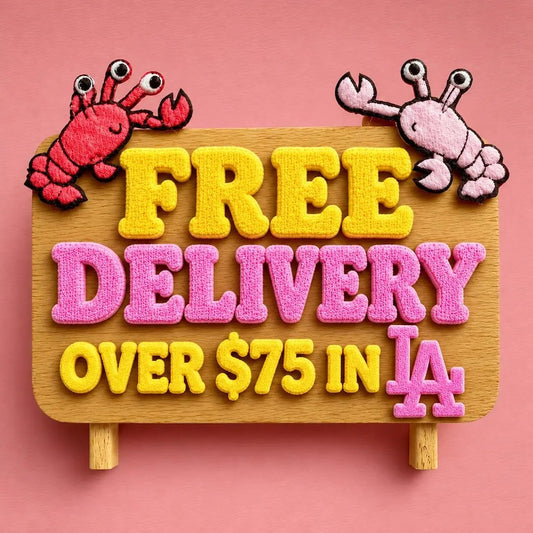
TL;DR: The easiest way to get seafood boil delivery without app fees in Los Angeles is to order direct from the restaurant. Boil Baby Boil takes orders at boilbabyboil.com, which skips third-party service fees and app menu markups. Qualifying orders get free delivery across West Hollywood, Beverly Hills, Santa Monica, Culver City, Century City and Downtown LA, or you can pick up in WeHo.
Seafood Boil Delivery in Los Angeles Without App Fees: What It Really Means
How third‑party app markups inflate seafood boil prices
Third-party delivery platforms typically charge restaurants commissions ranging from 15% to 30% per order, according to data published by the National Restaurant Association. To offset these fees, many restaurants quietly raise menu prices on app platforms by 20–35% compared to in-store or direct pricing. For a typical Los Angeles seafood boil priced at $45 when ordered directly, the same meal may appear as $55–$60 on a major app before any delivery or service fees are applied. A 2022 study by Consumer Reports found that customers ordering through third-party apps paid an average of 23% more than direct orders, even after promotional discounts. When you're ordering pounds of snow crab, shrimp, and crawfish for a family or group, these markups compound quickly, turning a $90 feast into a $115+ total before tip.
The difference between delivery fee, service fee, and menu markup
Understanding line items on your receipt prevents sticker shock at checkout. The delivery fee is a flat or distance-based charge to cover driver logistics, often $2.99–$6.99 in Los Angeles. The service fee—sometimes labeled as a "platform fee"—is a percentage of your subtotal (typically 10–15%) that goes to the app company, not the restaurant or driver, as confirmed by disclosures on platforms like DoorDash and Uber Eats. The menu markup is the invisible upcharge embedded in each item's listed price; you won't see it as a separate line, but a side-by-side comparison of a restaurant's direct website versus their app menu reveals the difference. Los Angeles County also applies a 9.5% sales tax, and some apps add "California Driver Benefits" or small-cart fees. A $50 subtotal can balloon to $70+ once all layers stack, whereas ordering directly from a restaurant's own site or phone line eliminates service fees and menu inflation entirely.
Red flags that suggest hidden fees despite "free delivery"
When a promotion claims "free delivery," scrutinize the fine print. Common red flags include higher per-item prices compared to the restaurant's own website, minimum order thresholds that exceed typical direct minimums, and added "small order fees" or "regulatory response fees" that appear at checkout. The Federal Trade Commission has flagged deceptive fee practices in digital marketplaces, urging consumers to compare final totals rather than relying on advertised discounts. In Los Angeles, check whether the restaurant operates its own delivery fleet or uses the app's courier; in-house drivers typically mean transparent pricing. Another warning sign is ghosted branding—menus listing the same restaurant under multiple names or addresses, a tactic used by virtual kitchens to capture extra search traffic while layering on reseller fees. Before finalizing any order, take a screenshot of your cart, visit the restaurant's direct site or call, and request a price match to confirm you're getting the no-markup rate.
Best Ways to Find Seafood Boil Delivery No App Fees Los Angeles Today
Finding genuine no-fee seafood boil delivery in Los Angeles requires intentional research, because third-party platforms dominate search results and many restaurants list the same menu on multiple apps. The key is bypassing aggregators entirely and connecting directly with restaurants that own their delivery infrastructure, pricing, and customer relationships.
Use Direct‑Order Filters: Google Maps, Restaurant Websites, and Social Links
Start your search in Google Maps by entering "seafood boil delivery Los Angeles" and filtering results by "Order Online." Tap each restaurant profile and look for a "Website" button rather than third-party app badges. Legitimate direct-order businesses display their own domain—for example, boilbabyboil.com—not a DoorDash or Uber Eats storefront. Check the restaurant's Instagram bio and Facebook page for direct ordering links; many LA seafood spots promote fee-free channels exclusively on social to avoid platform commissions. If the business highlights "order direct" or "no delivery fees" in their bio or pinned posts, screenshot that claim for later verification.
When you're ready to explore authentic Cajun seafood delivered without platform markups, browse the full range of boil bags, party platters, and build-your-own combos available for direct order across West Hollywood, Beverly Hills, and nearby neighborhoods.
Verify Fee‑Free Claims with Screenshots and Menu Price Matching
Before placing your order, open the restaurant's direct website and a third-party app side by side. Compare identical items—say, two pounds of snow crab with Cajun butter—line by line. According to a 2021 NBC Los Angeles investigation, menu prices on apps can run 20–30% higher than in-house menus, even before service fees. Take screenshots of both carts at checkout, including subtotals, taxes, delivery charges, and any small-order fees. If the direct site shows identical or lower menu prices and lists zero service fee, you've confirmed a true no-markup channel. Save these screenshots and receipt confirmations as proof, especially if you plan to reorder or recommend the vendor to colleagues planning office catering or event setups.
Spot Ghost Kitchens and Reseller Menus That Pad Prices
Ghost kitchens and virtual brands often appear as separate storefronts on delivery apps, sometimes listing the same kitchen's food under multiple names with inflated prices. Cross-check the restaurant's official address on Google Maps against the pickup location shown in the app; mismatched addresses or generic "cloud kitchen" facilities signal a reseller operation. Read recent Google and Yelp reviews for mentions of "overpriced," "same as [another brand]," or "cheaper on their website." The Los Angeles Times reported that some ghost concepts add $5–$8 per entrée compared to the parent restaurant's direct menu. Stick with verified, single-location seafood boil specialists that publish their own address, phone number, and transparent pricing on a standalone website.
Direct Ordering That Skips Markups: Channels that Keep Your Total Low
Once you've identified restaurants offering fee-free delivery, the next step is choosing an ordering channel that actually preserves those savings. Not all direct-order methods are equal—some introduce hidden service charges or rely on third-party couriers that add unexpected fees at checkout. Understanding which channels truly bypass markups ensures your seafood boil stays affordable from cart to doorstep.
First-party websites and native checkout (no middleman fees)
The most transparent way to order is through a restaurant's own website with integrated checkout. When a business processes payments directly—without handing the transaction to DoorDash, Uber Eats, or similar platforms—you see the menu price, applicable taxes, and delivery charge with no service percentage added on top. According to the U.S. Census Bureau, direct e-commerce transactions eliminate intermediary commission layers, which can range from 15 to 30 percent on third-party apps.
Before finalizing your order, verify the checkout belongs to the restaurant itself. Look for the business name in the payment gateway, a matching domain in the URL, and itemized totals that reflect advertised prices. If you're craving Louisiana-style crab legs, shrimp, or crawfish prepared Cajun-style, browsing a dedicated seafood boil menu ensures you're ordering authentic portions at house pricing.
Phone, SMS, and DM ordering with written confirmation of totals
Calling, texting, or messaging a restaurant on Instagram or Facebook remains a reliable fee-free alternative—provided you request a written breakdown before payment. A phone order allows you to ask specific questions about delivery radius, minimum order amounts, and any environmental or container fees. The key is securing a text, email, or screenshot that lists each line item: subtotal, tax, delivery charge, and total due.
For example, you might text: "Can you confirm the total for two pounds of snow crab, one pound of shrimp, and corn—delivered to West Hollywood, 90046?" A written reply creates accountability and prevents surprises when the driver arrives. The Federal Trade Commission emphasizes that clear price disclosure protects consumers from deceptive practices, even in casual order channels.
In-house drivers vs. third-party couriers: what changes on your receipt
Some restaurants advertise "free delivery" but fulfill orders through contract drivers from Postmates, DoorDash Drive, or similar white-label courier networks. While the restaurant absorbs the courier fee internally, you may still encounter elevated menu prices to offset those costs. True in-house delivery—where the restaurant employs its own drivers—typically produces the lowest total because there's no external logistics markup.
Ask explicitly: "Do you use your own drivers, or a third-party service?" If the answer is in-house, your receipt should list only menu price, tax, and a flat delivery fee (if any). If a contractor is involved, compare the direct-order cart against the dine-in menu to spot price inflation. Los Angeles traffic can extend delivery windows, but transparency around who's behind the wheel helps you predict both cost and estimated arrival time accurately.
Step‑by‑Step: Place a No‑App‑Fee Seafood Boil Order in Minutes
Quick audit: compare app cart vs. direct cart line by line
Before you hit checkout, build identical carts on both a third-party app and the restaurant's direct channel. In Los Angeles, a 2-pound snow crab boil listed at $39.99 in-store might appear as $47.99 on DoorDash or Uber Eats before you even add service fees. Line up each item: seafood weight, spice level, add-ons like corn and potatoes, sauces, and drinks. Screenshot both totals side by side. According to a National Bureau of Economic Research working paper, platform markups can raise menu prices 20–30 percent above direct pricing. Verify taxes, delivery fees, service charges, and "regulatory response" surcharges that apps layer on. If the app cart exceeds the direct cart by more than sales tax and a reasonable delivery flat fee, you've uncovered the markup. This simple comparison gives you a dollar figure to save and confirms the restaurant isn't inflating direct prices to offset platform commissions.
Call or message template to confirm fees, taxes, and delivery radius
Use this script when you call or DM: "Hi, I'd like to place a seafood boil order for delivery to [your West Hollywood or Beverly Hills address]. Can you confirm your menu price for [specific item], whether there's a delivery fee, and if any service charges apply? Also, does my ZIP fall inside your free-delivery radius?" Request a total estimate including California sales tax—currently 9.5 percent in most LA County zones per the California Department of Tax and Fee Administration. Ask if minimums trigger, and whether they waive fees for orders above a threshold. A transparent operator will quote line items over the phone or in a text confirmation. If you receive vague answers or pushback, that's a red flag. Boil Baby Boil, for example, confirms totals upfront and delivers fee-free across West Hollywood, Beverly Hills, Culver City, and nearby neighborhoods, so you know exactly what you'll pay before your card is charged.
Payment, tipping, and receipt requests for transparent totals
When you order direct, ask whether the restaurant accepts credit cards online, over the phone, or cash on delivery. Request an itemized receipt by email or text before the driver departs, so you can review charges in real time. For tipping, the U.S. Department of Labor clarifies that tips belong to workers, not platforms, so when you tip an in-house driver directly—cash or added to the card total—100 percent reaches them. A standard 15–20 percent tip on the pre-tax subtotal is fair; if the driver navigates LA traffic, climbs stairs, or delivers late at night, consider rounding up. Always confirm that the final receipt matches your quoted total. If surprise fees appear, politely dispute them on the spot and keep a screenshot. Transparent payment and tipping protect you from hidden charges and ensure your generosity supports the team that cooked and delivered your seafood boil, not a distant app headquarters.
Delivery Coverage, Timing, and Packaging for Los Angeles Orders
Typical LA delivery radii and peak traffic timing to plan around
Most seafood boil restaurants offering direct delivery in Los Angeles cover a 5–8 mile radius from their kitchen, encompassing neighborhoods like West Hollywood, Beverly Hills, Century City, Culver City, and Santa Monica. According to the Los Angeles Department of Transportation, average traffic speeds drop to 15–20 mph during weekday rush hours (7–10 a.m. and 4–7 p.m.), meaning a 6-mile delivery can take 25–40 minutes instead of 15. To keep your boil hot and fresh, order outside peak windows or add 15–20 minutes to quoted delivery times during high-traffic periods. Weekend evenings and Dodgers or Lakers game nights around downtown can slow westside deliveries, so confirm estimated arrival times when placing direct orders by phone or website.
Heat retention: boil bags, insulated liners, and venting to prevent sogginess
Professional seafood boil packaging uses heavy-duty poly bags sealed inside insulated foil liners or thermal bags to hold heat for 45–60 minutes. The USDA recommends keeping cooked seafood above 140°F during transport to minimize bacterial growth. Quality operators vent lids slightly or use micro-perforated bags to release steam and prevent condensation, which turns crispy corn and potatoes soggy. Ask your direct-order restaurant whether they double-bag boils or include absorbent paper between layers—this small step preserves texture during LA commutes. If delivery exceeds 30 minutes, reheat shrimp and crab gently in a 300°F oven for 5–7 minutes rather than microwaving, which toughens shellfish.
High-rise and office handoffs: gate codes, loading zones, and curbside pickups
Downtown LA high-rises, Century City office towers, and gated communities in Brentwood require clear delivery instructions to avoid delays and cold food. When ordering direct, provide gate codes, building entry protocols, and loading-zone time limits in your order notes or confirmation call. Many commercial buildings restrict food deliveries to ground-floor lobbies between 11 a.m. and 2 p.m., so coordinate curbside pickup if your office is above the 10th floor. For hotel deliveries in Beverly Hills or Santa Monica, include room numbers and request that drivers text upon arrival—most in-house delivery teams accommodate these details without the communication lag common on third-party apps.
Portion Planning and Flavor Choices That Travel Well
How many pounds per person: light, standard, and hearty appetites
A light seafood boil portion runs about ¾ pound per person when you're serving multiple courses or abundant sides. Standard appetites typically require 1 to 1.5 pounds of shellfish per guest, while hearty eaters or single-entrée meals call for 2 pounds or more. According to the U.S. Food and Drug Administration, shellfish deliver high-quality protein with relatively few calories, so guests often eat more than they anticipate. When ordering for a mixed group, plan on 1.5 pounds per person and add an extra pound or two as insurance—leftover boil reheats beautifully and stretches into next-day tacos or pasta.
Children under ten usually consume about half a standard portion, and guests who prefer crab legs over shrimp may reach for heavier weights per serving. If your Los Angeles delivery includes corn, potatoes, and sausage, you can trim shellfish quantities slightly since the sides add volume and calories. Always confirm per-pound pricing and minimum order thresholds when placing fee-free direct orders to avoid surprise charges at checkout.
Spice levels, sauce styles, and sides that survive LA commutes
Mild and medium spice levels travel better than extreme heat because capsaicin continues to infuse during transit, intensifying flavor. Cajun butter and garlic butter sauces cling to shellfish without separating as quickly as thin broths, and they reheat cleanly in a microwave or stovetop pan. Lemon-pepper and Old Bay seasonings also maintain stability across typical 20- to 45-minute Los Angeles delivery windows, even during peak traffic on the 405 or surface streets through West Hollywood and Beverly Hills.
Corn on the cob, red potatoes, and andouille sausage hold heat and texture well when packed in insulated boil bags with minimal air exposure. Avoid delicate greens or fried items that turn soggy in steam; instead, request cornbread or beignets packaged separately with ventilation holes. If you're ordering for an office or event, ask the restaurant to portion sauces into side containers so guests can control heat and prevent cross-contact for anyone with capsaicin sensitivity.
Budget stretchers: add-ons, family bundles, and shareable extras
Family bundles and combo packs often slice per-pound costs by 15 to 25 percent compared to à la carte ordering, especially when you order directly and skip third-party app markups. Many Los Angeles seafood boil kitchens offer "feast" packages that pair snow crab, shrimp, and crawfish with corn, potatoes, and sausage at a fixed price, simplifying portion math and reducing decision fatigue. Adding extra corn or potatoes costs far less per serving than additional shellfish yet still fills guests and absorbs flavorful Cajun butter.
Shareable sides like cornbread, coleslaw, and extra sauces round out the meal without driving up the seafood line item. When you place a no-fee direct order by phone or website, ask if bulk discounts or loyalty rewards apply—some kitchens offer free delivery thresholds or bonus sides for repeat customers. Confirm that bundle pricing reflects actual savings by comparing the package total to individual menu items, and request an itemized receipt to verify transparency before your driver departs.
Price Reality Check: Avoiding Hidden Costs Before You Checkout
Fee audit checklist: delivery, service, small order, containers, and surcharges
Before confirming your seafood boil order, compare line items carefully. Many Los Angeles restaurants advertise "free delivery" while embedding costs elsewhere. Check your cart for a delivery fee, service charge (often 10–18%), small-order or minimum-order surcharge, and packaging or container fees. Some operators add a "driver benefits" line or fuel surcharge during peak hours. According to the Consumer Financial Protection Bureau, transparency around junk fees is now a regulatory priority, yet third-party platforms still layer charges across multiple categories. Request an itemized total—via phone, text, or email—before submitting payment. If you see unexpected percentages or flat fees, ask whether they apply to direct orders or only app-based checkouts.
Container and utensil fees may appear as $1–$3 per boil bag or family-style tray. While sustainable packaging costs are legitimate, confirm they're disclosed upfront. Screenshot or save the final subtotal, taxes, and fees so you can verify the charge against your credit-card statement and identify any post-order additions.
Minimums and free-delivery thresholds: when they actually save money
Many direct-order restaurants in West Hollywood, Beverly Hills, and Santa Monica waive delivery fees above a $40–$60 minimum. If your seafood boil totals $55 and the threshold is $60, adding a side of cornbread or beignets can eliminate a $5–$8 delivery charge—netting real savings. Conversely, inflating your cart with unnecessary extras to dodge a small fee may cost more overall. Calculate the breakeven: if the delivery fee is $4 and you're $10 short of the minimum, you're better off paying the fee unless you genuinely want another pound of shrimp.
For larger groups or office catering across Century City or Culver City, bundled family feasts often include free delivery by default. Confirm radius limits; crossing into Malibu or Pasadena may trigger mileage surcharges even when your subtotal exceeds the threshold.
Pickup vs. delivery: curbside savings and first-party driver perks
Choosing curbside pickup eliminates delivery, service, and driver-benefit fees entirely—savings that can reach 20–30% of your total. Restaurants with in-house parking, like those near Beverly Boulevard or Fairfax Avenue, offer designated pickup zones and text-on-arrival notifications. You also control timing: no waiting for rush-hour couriers or uncertain delivery windows.
When delivery is essential, ordering direct from a restaurant with first-party drivers often means lower tips are expected (15% vs. 20–25% on apps) because the driver isn't paying platform commissions. Confirm the tip line on your receipt goes to the actual courier, not a corporate processing pool.
Food Safety, Allergens, and Sustainability You Should Confirm
Shellfish allergen and cross‑contact questions to ask before ordering
Shellfish allergies affect approximately 2.9% of adults in the United States, according to the FDA's Food Allergen Labeling guidelines, making crustacean allergy one of the most common food sensitivities. When ordering seafood boil delivery directly, confirm whether shrimp, crab, crawfish, and lobster are boiled in shared water or if dedicated pots are available for guests with mild sensitivities. Ask if corn, potatoes, and sausage are prepped on surfaces wiped down between batches to minimize cross-contact. The Food Allergy Research & Education (FARE) organization recommends disclosing your allergy severity so kitchen staff can take appropriate precautions. Request ingredient lists for butter sauces, seasonings, and breading if you have secondary allergens like wheat, dairy, or soy.
Safe handling: the 2‑hour rule, quick cool‑down, and next‑day reheating
The FDA's Safe Food Handling guidelines specify that cooked seafood should not remain in the temperature danger zone—40°F to 140°F—for more than two hours (one hour if ambient temperature exceeds 90°F, common during Los Angeles summer traffic). Upon delivery, transfer leftovers to shallow containers within 30 minutes, refrigerate below 40°F, and consume within two days. To reheat, the USDA advises steaming crab legs and shrimp for 3–4 minutes rather than microwaving, which can create rubbery texture. Boil bags retain residual heat, so confirm your driver uses insulated carriers and vented lids to prevent condensation that encourages bacterial growth during LA's longer delivery windows.
Sourcing transparency: seasonal availability, wild vs. farmed, and traceability
Responsible restaurants publish sourcing details on their direct-order websites, noting whether snow crab is Alaskan Bairdi, crawfish is Louisiana pond-raised, or shrimp is Gulf wild-caught versus imported farmed. The NOAA FishWatch database provides sustainability ratings and harvest seasons for common boil proteins. Peak Louisiana crawfish season runs February through May, while Dungeness crab season in California closes June through November per California Department of Fish and Wildlife regulations. Asking about sourcing before checkout helps you avoid inflated app pricing on out-of-season species and supports vendors who maintain transparent, traceable supply chains.
Frequently Asked Questions About seafood boil delivery no app fees Los Angeles
Does "no app fee" also remove service and small‑order fees?
Not always. "No app fee" typically means the restaurant skips third-party platform charges—often 15–30% menu markups, service fees, and delivery fees charged by apps like DoorDash or Uber Eats. However, some direct-order systems may still apply their own small-order minimums or flat delivery fees, especially for orders under a certain threshold. Before you check out, review the itemized cart line by line: verify that menu prices match the in-store or printed menu, and confirm whether the total includes a delivery charge, packaging fee, or minimum-order surcharge. According to the Federal Trade Commission, businesses must disclose all fees clearly before purchase. If you're ordering from Boil Baby Boil, confirm the final total over the phone or via the website cart to ensure true fee-free delivery within the covered LA zones.
How long will a seafood boil stay hot during LA delivery traffic?
A properly packed seafood boil retains heat for 45–60 minutes in insulated bags or aluminum foil-lined containers, according to food-service best practices. However, Los Angeles traffic—especially during rush hours on the 405, 10, or surface streets in West Hollywood and Beverly Hills—can extend delivery times to 60–90 minutes. To maintain safe serving temperature above 140°F, the FDA recommends keeping hot food covered and insulated. Request double-layered boil bags, ask your driver to avoid unnecessary stops, and plan delivery during off-peak windows (10 a.m.–3 p.m. or after 8 p.m.). If your order arrives warm but not steaming, reheat shellfish gently in a covered pot with a splash of broth for 2–3 minutes to restore serving temperature without overcooking.
Can I schedule a fee‑free delivery for game days, holidays, or late nights?
Yes, many direct-order seafood restaurants in Los Angeles accommodate scheduled deliveries for high-demand windows, including NFL Sundays, New Year's Eve, Fourth of July, and late-night requests. Boil Baby Boil, for instance, offers late-night ordering and same-day catering when available across West Hollywood, Beverly Hills, and nearby neighborhoods. To secure your slot, place your order at least 24 hours in advance—48 hours for major holidays—and confirm the exact delivery time window, especially if your event starts at a fixed kickoff or countdown. Ask whether the restaurant caps daily delivery orders during peak periods; some kitchens reserve a percentage of slots for fee-free direct customers to avoid app surge pricing. Always request written confirmation of the scheduled time, menu items, and zero-fee guarantee via email or SMS.
What's a fair tip when there's no platform fee in the total?
Standard tipping etiquette for food delivery in Los Angeles is 15–20% of the pre-tax subtotal, according to consumer guidance from the Consumer Reports tipping guide. When you order direct and skip app markups—saving $10–$25 on a typical seafood boil—consider allocating a portion of those savings to the driver. For orders over $100, a $20–$25 tip is appropriate, especially if the driver navigates challenging LA traffic, climbs stairs to a high-rise, or arrives within a tight time window. If the restaurant uses in-house drivers rather than third-party couriers, your tip goes directly to the individual who packed, drove, and delivered your meal. During holidays, late nights, or inclement weather, bump the tip to 20–25% to recognize the extra effort and ensure reliable service on future orders.
How do I confirm direct‑order pricing matches the in‑store menu?
Before you finalize any online or phone order, compare the per-pound price of snow crab, shrimp, crawfish, and lobster against the restaurant's published in-store or PDF menu. Visit the business's official website, check Google Business listings, or ask the order-taker to email or text a current menu. Take a screenshot of your direct-order cart and cross-reference each line item: for example, if the website lists one pound of snow crab at $29.99 but your cart shows $34.99, you may be looking at a ghost kitchen or reseller menu with hidden markups. The Los Angeles County Department of Consumer and Business Affairs advises reporting discrepancies between advertised and charged prices. Legitimate direct-order platforms like Boil Baby Boil's native checkout display identical pricing to in-person purchases, with only sales tax and optional tip added at checkout.
What if my area is outside the stated delivery radius—will fees appear?
Most fee-free delivery policies apply only within a defined radius—typically 3–7 miles from the restaurant's kitchen. If you're located in Malibu, Pasadena, or the South Bay and the business is based in West Hollywood, you may encounter a distance surcharge, elevated minimum order, or outright unavailability. Before placing your order, verify your address falls within the free-delivery zone by calling the restaurant or entering your ZIP code on the website. Some operators charge a flat $5–$10 fee per additional mile or partner with third-party couriers for outlying areas, which reintroduces platform fees. To preserve true zero-fee ordering, consider meeting the driver at a midpoint—such as a public parking lot in Culver City or Century City—or choose pickup to avoid delivery limitations altogether.
Are there packaging or environmental fees I should anticipate?
Since July 2021, many California municipalities—including Los Angeles—have implemented ordinances that allow restaurants to pass eco-friendly packaging costs to customers. According to the CalRecycle guidelines on reusable foodware and disposables, compostable containers, utensils, and bags may incur a $0.25–$1.00 per-order fee. Direct-order platforms typically disclose these charges at checkout under labels like "sustainable packaging" or "container fee." When you order a seafood boil for delivery, expect aluminum pans, heat-sealed bags, and compostable utensils; the incremental cost is often lower than the 15–30% app markup you avoid. Ask the restaurant whether they offer a discount for bringing your own containers for pickup, or confirm whether the packaging fee is waived for large catering orders that use reusable chafing equipment.
How do I reheat a seafood boil without overcooking shrimp or crab?
Shellfish proteins cook quickly and turn rubbery when exposed to high heat. The FDA recommends reheating cooked seafood to an internal temperature of 165°F, but the method matters. For best results, bring a large pot of water to a gentle simmer (not a rolling boil), add your leftover shrimp, crab, and sausage in a steamer basket, cover, and steam for 3–4 minutes until warmed through. Alternatively, spread the boil on a rimmed baking sheet, cover tightly with foil, and reheat in a 300°F oven for 10–12 minutes, checking frequently. Avoid microwaving at full power, which creates hot spots and overcooks delicate shrimp tails. Add a tablespoon of water or reserved Cajun butter to the pan to maintain moisture, and serve immediately to preserve texture and flavor.
Can I split orders across two addresses and still avoid app markups?
Splitting a single order for simultaneous delivery to two Los Angeles locations—such as an office in Century City and a home in Santa Monica—typically requires two separate transactions, each subject to the restaurant's delivery radius and minimum-order policy. Most direct-order systems do not support multi-stop routing within a single cart, meaning you'll place and pay for two independent orders. To preserve fee-free status, confirm that both addresses fall within the no-fee delivery zone, meet any required minimums (often $30–$50), and schedule deliveries at staggered times if the kitchen uses a single driver. Boil Baby Boil and similar local operators may accommodate dual-address requests for large catering orders—such as corporate lunches or family gatherings—by coordinating in-house drivers. Call ahead to discuss logistics, request written confirmation of both delivery windows and totals, and clarify whether each address incurs separate packaging or mileage fees.
No App Fee Seafood Boil Delivery FAQs
How do I get seafood boil delivery without app fees in Los Angeles?
Order direct from the restaurant instead of a third-party app. At Boil Baby Boil, order at boilbabyboil.com/pages/order for delivery or pickup. Direct orders skip app service fees and the higher menu prices many apps show, which adds up fast on a large seafood boil.
Why do seafood boils cost more on delivery apps?
Delivery apps charge restaurants a commission and charge customers service and delivery fees, so many restaurants list higher prices on apps than on their own site. On a multi-pound order of snow crab, shrimp and crawfish, those fees and markups can add a noticeable amount to the total.
Does Boil Baby Boil offer free delivery?
Yes. Boil Baby Boil offers free delivery on qualifying direct orders placed at boilbabyboil.com, and checkout shows whether your order and address qualify. Pickup is always an option at 8939 Santa Monica Blvd, Suite B, West Hollywood.
Where does Boil Baby Boil deliver in Los Angeles?
Boil Baby Boil delivers from its West Hollywood kitchen to WeHo, Beverly Hills, Hollywood Hills, Century City, Culver City, Santa Monica, Brentwood, Studio City and Downtown LA. Enter your address at checkout on boilbabyboil.com to confirm delivery.
What are Boil Baby Boil's delivery hours?
Boil Baby Boil is open daily from 6 PM to 12 AM for delivery and pickup, and often stays open until 2 AM on late nights announced on Instagram at @boilbabyweho.
Skip the Markup and Order Direct
The fastest way to keep more money in your pocket is to order your seafood boil direct from Boil Baby Boil for delivery or pickup. Feeding an office or a party? Book Cajun seafood catering in Los Angeles and skip app fees on the big orders too.