How to Order a Seafood Boil for Your Special Event or Birthday
TL;DR: To order a seafood boil for a birthday or special event in Los Angeles, start with your headcount and pick a feast sized for it. Boil Baby Boil's party feasts run from The Table Turnup (feeds 4 to 6) to The Boil Baby Feast (feeds 8 to 12), loaded with snow crab, shrimp, crawfish, andouille sausage, corn, potatoes, cornbread and a butcher paper table setup, for delivery or pickup from West Hollywood. Bigger events book through catering.
Seafood boil energy: why it makes birthdays and milestones memorable
Hands-on dining that sparks connection and photo-worthy moments
A seafood boil transforms any birthday or celebration into an interactive experience that brings guests together. Unlike plated dinners where everyone sits quietly, a boil encourages hands-on participation—cracking shells, sharing tools, and passing butter bowls create natural conversation starters and laughter. The communal pour of shrimp, crab, corn, and sausage onto butcher paper instantly becomes a focal point, inviting everyone to dig in at the same time. This shared ritual breaks down social barriers and turns acquaintances into friends.
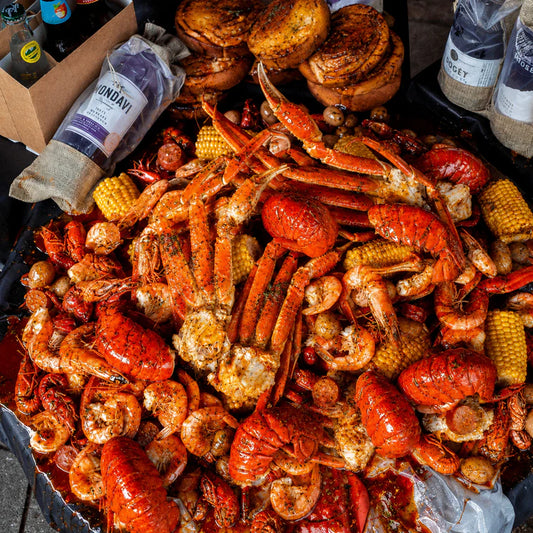
The visual drama of a seafood boil also delivers Instagram-worthy moments your guests will share for weeks. Vibrant red Cajun spices, golden corn cobs, and glistening crab legs piled high create stunning tablescapes that photograph beautifully under both natural light and evening string lights. Guests wearing bibs, wielding crackers, and holding up trophy-sized lobster tails generate authentic, joyful photos that capture the energy of your event. According to food marketing research, experiential dining formats see 40% higher social media engagement than traditional plated meals, making your celebration reach friends and followers organically.
Ideal group sizes, seasons, and venues for a boil-centered party
Seafood boils scale beautifully for intimate gatherings of 10 to large milestone celebrations of 100 or more. Groups of 15 to 40 guests hit the sweet spot—large enough to create festive energy but manageable for synchronized serving and quality control. Smaller parties allow for personalized spice adjustments and intimate conversation, while larger events benefit from staggered batch pours that keep seafood hot and fresh throughout the party.
Timing your event with seasonal seafood peaks enhances both flavor and value. In Los Angeles, crawfish season runs February through June, while Dungeness crab shines November through April. Summer months bring abundant shrimp and sweet corn, making June through September ideal for outdoor boils in backyards, rooftop terraces, or beachside venues. Covered patios in West Hollywood, open-air courtyards in Beverly Hills, and park pavilions in Santa Monica provide flexible spaces that accommodate cooking equipment, shell disposal, and casual seating. Always confirm your venue permits open-flame cooking or propane burners and has adequate ventilation for indoor winter events.
Lock Your Event Variables Before You Place an Order
Before you reach out to any caterer or place your seafood boil order, pause and nail down three critical variables: who's coming, what the vibe will be, and where the party happens. According to the USDA, roughly 30 percent of catered food goes uneaten when planners overestimate or underestimate portions—often because headcount and guest preferences weren't locked early. A clear picture of your event's scope saves you money, reduces waste, and ensures every guest leaves happy.
Headcount by Adults, Kids, Big Eaters, and Light Eaters
Start with a guest list that breaks down by appetite, not just total bodies. Adults who love shellfish will consume 1.5 to 2 pounds of shell-on seafood, while children typically need 0.75 to 1 pound. A birthday party of 20 that includes 10 adults, 6 kids, and 4 teens might order differently than a corporate mixer of 20 all-adult guests. Label your list: "15 adult seafood fans, 3 vegetarians, 5 kids under 10." This granularity helps the caterer portion crawfish, shrimp, and sausage precisely. If you're hosting colleagues who skip lunch before the event, plan for the higher end of the range. Light eaters—think folks who nibble sides and skip seconds—can balance heavier appetites, so a 10 percent buffer covers late RSVPs and surprise hunger spikes without doubling your budget.
Theme, Spice Tolerance, and Service Style (Casual Table Pour vs Plated)
Decide whether your event leans backyard-casual or upscale-plated. A traditional Cajun boil thrives on communal table pours: steaming seafood dumped onto butcher-paper-lined tables, gloves on, mallets swinging. That hands-on energy fits milestone birthdays, family reunions, and block parties. Plated service—individual portions in compostable bowls or trays—suits office celebrations, hotel ballrooms, or venues with strict cleanliness rules. Spice levels matter just as much. Survey your guests: will they tolerate mild Cajun butter, crave Old Bay kick, or demand Louisiana hot? Offering two spice tiers—mild and medium-hot—covers most crowds without splitting into a dozen micro-batches. Theme elements like tropical décor, football jerseys, or glittery "Happy Birthday" banners should guide your menu add-ons: pineapple wedges for a luau twist, andouille sausage for a New Orleans nod, or lemon wheels for a coastal California vibe.
Date, Location, Weather Backup, and HOA/Venue Rules (Open Flames, Parking, Noise)
Pinpoint your party date and secure your location logistics before locking a caterer. Outdoor seafood boils rely on propane burners and open flames, which many Los Angeles HOAs, parks, and apartment complexes restrict or ban outright. The California Air Resources Board enforces local air-quality rules that can affect outdoor cooking during high-smog days. Call your venue or check HOA bylaws for flame permits, noise curfews, and parking caps—Century City condos often limit guest vehicles, while Santa Monica beach lots require advance reservations. Weather is equally critical: June gloom or surprise rain can drown an unprotected setup. Book a backup indoor space, rent a canopy tent with sidewalls, or confirm your caterer offers quick pivot plans. If your venue prohibits outdoor cooking, ask whether the caterer can boil off-site and deliver hot in insulated coolers. Clarify load-in windows, trash disposal, and cleanup responsibilities in writing, so you avoid last-minute scrambles or extra fees on event day.
Build a seafood boil menu everyone will love
Once you've locked in your headcount and venue details, it's time to design a menu that delivers flavor, variety, and crowd-pleasing balance. A well-built seafood boil menu accounts for different tastes, dietary needs, and seasonal availability—all while keeping your budget and timeline realistic.
Choose your stars: shrimp, crab, crawfish, mussels, clams, lobster—when each shines
Shrimp is the universal favorite—quick-cooking, affordable, and loved by nearly every guest. Snow crab and king crab legs bring premium drama and satisfying meat yield, ideal for milestone celebrations. Crawfish season runs late winter through early summer in Louisiana, making them a natural pick for spring birthdays and Mardi Gras-themed events, according to the LSU AgCenter. Mussels and clams cook fast, absorb broth beautifully, and stretch your seafood budget without sacrificing flavor. Lobster elevates any menu but works best in smaller batches or as an optional upgrade rather than the main protein. If you're serving a mixed crowd in Los Angeles, a combination tray—shrimp, crab, and mussels—gives variety without overwhelming your caterer's capacity.
Broth and spice levels: mild, medium, extra hot—plus Cajun, Old Bay, and garlic-butter styles
Heat tolerance varies widely, so plan for at least two spice levels. Mild Cajun butter satisfies kids and spice-sensitive guests, while medium hits the sweet spot for most adults. Extra hot appeals to chili lovers but should be clearly labeled to prevent surprise tears. Old Bay delivers a Maryland-style herbal punch, garlic-butter offers rich, crowd-pleasing comfort, and traditional Louisiana Cajun brings paprika, cayenne, and bay leaf depth. Many Los Angeles caterers, including Boil Baby Boil's catering menu, allow split seasoning across batches so you can serve half mild and half spicy without doubling your entire order.
Add-ins and sides: corn, potatoes, sausage, onions, citrus, and dipping sauces
Corn on the cob and red potatoes are non-negotiable—they soak up broth, add carbs, and balance the richness of shellfish. Andouille or smoked sausage adds savory, meaty depth; for pork-free events, turkey or chicken sausage works well. Onions and garlic cloves sweeten as they cook, while lemon and lime wedges brighten each bite. Don't skip the dipping sauces: melted garlic butter, comeback sauce, and hot sauce stations let guests customize heat and richness. A basket of cornbread or dinner rolls rounds out the spread and gives non-seafood eaters something to enjoy.
Kid-friendly, vegetarian, and pork-free options that fit the boil
Kids often prefer mild shrimp, corn, and potatoes over crab legs or mussels. Offer smaller portion boxes with lower spice and easy-to-peel seafood. For vegetarian guests, many caterers can prepare a separate pot with mushrooms, artichoke hearts, zucchini, and cauliflower in the same seasoned broth. Swap andouille for turkey sausage or omit it entirely to accommodate pork-free diets. Always label allergy-friendly and dietary-specific items clearly, and confirm with your caterer that separate cookware is used to avoid shellfish cross-contact, as recommended by Food Allergy Research & Education.
Portion planning: exactly how much seafood and sides to order
Getting portions right is the difference between guests leaving satisfied and either running short or drowning in expensive leftovers. Unlike traditional plated meals, seafood boils are measured by raw, shell-on weight—which shrinks during cooking and includes shells, heads, and legs that guests don't eat. Understanding these numbers upfront helps you order confidently and stay within budget.
1–2 lb shell-on seafood per adult; 0.75–1 lb per child (adjust for event length)
A standard adult serving at a seafood boil is 1.5 to 2 pounds of shell-on seafood, according to industry catering guidelines and Seafood Health Facts. That accounts for shells, claws, and inedible parts—yielding roughly 6 to 10 ounces of actual meat. For a two-hour birthday party where seafood is the main attraction, plan closer to 2 pounds per person. If your event includes heavy appetizers, a dessert bar, or runs under 90 minutes, 1.25 to 1.5 pounds per adult is often sufficient. Children typically eat 0.75 to 1 pound, depending on age and enthusiasm. For a 30-person event in West Hollywood with 22 adults and 8 kids, order approximately 44 to 50 pounds of seafood total.
Seafood-to-sides ratio: 70/30 for indulgent, 60/40 to manage budget
Balance your tray with sides that stretch the meal without diluting the star ingredient. A 70/30 ratio—70 percent seafood, 30 percent corn, potatoes, sausage, and onions by weight—delivers an indulgent, seafood-forward experience perfect for milestone celebrations. A 60/40 split lowers cost per person by 15 to 25 percent while still feeling generous, making it ideal for larger groups or budget-conscious events. For example, a 50-pound seafood order at 70/30 requires about 21 pounds of sides; at 60/40, you'd add 33 pounds of sides and reduce seafood to 50 pounds or keep seafood constant and serve more volume overall.
Add a 10–15% buffer for late RSVPs and hearty appetites
Even with confirmed headcounts, appetite variability and last-minute plus-ones are common. Adding a 10 to 15 percent buffer protects against shortages without excessive waste. If you calculate 40 pounds for 20 guests, order 44 to 46 pounds. This cushion also covers guests who return for seconds—a frequent occurrence when the boil is as good as the ones from Boil Baby Boil's catering menu in Beverly Hills and Santa Monica. Discuss the buffer with your caterer; many can pivot extra seafood into family-meal leftovers or offer take-home containers, ensuring nothing goes to waste while keeping your event stress-free.
Budget with eyes open and avoid surprise fees
A seafood boil looks simple—pot, seafood, spice—but the final invoice often includes charges far beyond the per-pound menu price. Understanding every line item before you sign prevents budget shock and keeps your birthday or special event celebration on track financially.
Line items beyond seafood: labor, travel, rentals, fuel, permits, gratuity, taxes
Seafood is just the starting point. Professional catering invoices typically include chef or cook fees (often $150–$300 per staff member for a four-hour event), mileage or delivery charges if your venue sits outside the caterer's core zone, and fuel surcharges for propane burners. If you need tables, linens, chafing dishes, or serving utensils, rental costs add $5–$15 per guest. Venues in Beverly Hills, Santa Monica, or Century City may require health permits or liability insurance certificates, which caterers pass along as administrative fees. Los Angeles County health permits for temporary food events range from $50 to several hundred dollars depending on scope. Gratuity—usually 18–22 percent of food and labor subtotals—and California sales tax (currently 9.5 percent in most LA areas) appear at the bottom but can push your total 30 percent higher than the seafood quote alone. Always request an itemized proposal that separates food, labor, travel, rentals, permits, and taxes so you can compare apples to apples across vendors.
Fixed-price packages vs market-price menus—and when to lock quotes
Fixed-price packages bundle a set menu—say, two pounds of mixed shellfish per person plus corn, potatoes, and sausage—at one guaranteed rate, shielding you from weekly seafood-market swings. Market-price menus list current per-pound costs for crab, shrimp, and lobster but adjust weekly based on wholesale availability; a snow-crab spike can add hundreds of dollars between quote and event day. If your event sits more than three weeks out, ask the caterer to lock your quote in writing with a deposit. Many Los Angeles seafood vendors honor locked quotes for 14–30 days, protecting your budget during peak seasons when crab imports fluctuate. For gatherings over 50 guests or during high-demand windows like summer weekends, a fixed package offers peace of mind and simpler planning.
Cost-savers: seasonal species, mixed trays, and right-sizing sides
Choosing what's abundant saves money without sacrificing flavor. Gulf shrimp peaks March through May and again September through November, often dropping 20–30 percent below winter prices. Louisiana crawfish season runs January through June, making late spring the sweet spot for volume discounts. Mixed seafood trays—half shrimp, half mussels or clams—cost less per pound than all-crab orders and add textural variety that guests enjoy. Right-sizing sides prevents waste: one ear of corn and three small potatoes per person satisfies without leftovers, freeing budget for an extra half-pound of shellfish. Swap premium andouille for smoked turkey sausage to cut $2–$3 per person while keeping the smoky, savory backbone. Finally, negotiate direct delivery through your caterer instead of third-party apps; Boil Baby Boil and similar LA vendors often waive delivery fees for catering orders, saving $30–$75 compared to marketplace platforms.
Vet and book the right seafood boil caterer or vendor
After nailing down your budget, the next critical step is choosing a caterer who can deliver the quality and experience your event deserves. Not all seafood boil vendors operate at the same level—some cook on-site in small batches to maximize freshness, while others pre-cook and reheat, sacrificing flavor and texture. A few strategic questions and thorough research will help you separate professionals from providers who might leave you with lukewarm crab and disappointed guests.
Questions that reveal quality: sourcing, batch size, on-site cooking, insurance
Start by asking where the caterer sources their seafood. Top-tier vendors work with certified suppliers or direct Gulf and Pacific Coast distributors, ensuring traceability and freshness. According to the FDA's Seafood HACCP guidelines, proper sourcing and handling are non-negotiable for food safety. Ask if they cook on-site or bring pre-cooked product—on-site boiling means guests enjoy seafood at peak temperature and texture, straight from the pot. Confirm their maximum batch size; smaller batches (10–15 pounds per pot) allow better seasoning control and even cooking. Finally, verify they carry general liability insurance and, if required by your venue, a certificate of insurance naming the location as an additional insured. Los Angeles County health permits may also apply if they're preparing food for more than a private residence.
Reviews, references, and photo proof of recent events
Don't rely solely on a polished website. Read Google, Yelp, and Instagram reviews from customers who hosted events similar to yours—birthday parties, corporate gatherings, or backyard celebrations in West Hollywood, Beverly Hills, or Santa Monica. Pay attention to comments about punctuality, portion accuracy, and how the team handled dietary requests or last-minute changes. Request references from at least two recent events of comparable size, then follow up with a quick call or email. Ask past clients if the seafood was fresh, if the caterer arrived on time, and whether cleanup was thorough. Request photo galleries from real events, not just styled stock images. Look for evidence of proper table setup, clean serving stations, and happy guests digging into steaming seafood piles.
Compare proposals: full-service, drop-off, or DIY kit—and what each includes
Caterers typically offer three service models, each with different price points and responsibilities. Full-service includes cooking, setup, serving, staffing, and cleanup—ideal for larger events or hosts who want a hands-off experience. Drop-off delivery brings cooked seafood in insulated containers with reheating instructions; you handle setup, serving, and cleanup, saving labor costs but requiring more guest management. DIY kits supply raw seafood, seasonings, and instructions for you to boil at home—budget-friendly for experienced home cooks but risky if you've never managed a large boil. When comparing proposals, confirm what's included: are tables, burners, propane, serving utensils, gloves, bibs, and disposable serviceware part of the package, or billed separately? Does the quote cover travel within Los Angeles, or will you pay a mileage fee for delivery to Culver City or Brentwood? Clear line-item breakdowns prevent surprise charges on event day.
Sustainability asks: seasonal species, certifications, and compostable serviceware
If environmental responsibility matters to you or your guests, ask whether the caterer sources seasonal, sustainably harvested seafood. The NOAA FishWatch database identifies species caught or farmed using methods that minimize habitat damage and bycatch. Look for certifications like Marine Stewardship Council (MSC) or Best Aquaculture Practices (BAP) on shrimp and crab. Inquire whether the vendor offers compostable or recyclable serviceware instead of single-use plastics—many Los Angeles venues and eco-conscious hosts now require it. Seasonal species like Dungeness crab in winter or Gulf shrimp in spring often carry lower environmental footprints and better pricing. A caterer willing to discuss sourcing transparency and sustainable practices signals a commitment to quality that extends beyond the plate.
How to Order Seafood Boil for Special Event: A Practical Timeline
A successful seafood boil depends as much on timing as it does on quality seafood. Following a structured booking timeline prevents last-minute surprises, locks in your preferred caterer, and gives you breathing room to adjust guest counts and menu details. Whether you're planning a birthday bash in Beverly Hills or a corporate event in Century City, this roadmap will guide you through every milestone from initial inquiry to final cleanup.
6–8 Weeks Out: Inquiries, Tastings, and a Written Proposal with Holds/Deposit
Start your search at least six to eight weeks before your event date, especially if your party falls during peak season—April through September when crawfish and crab demand spikes across Los Angeles. Reach out to two or three caterers with your headcount estimate, preferred date, location, and any must-have menu items. Request a tasting if the caterer offers one; sampling their Cajun butter, spice blends, and shrimp quality reveals far more than a printed menu. Once you've chosen a vendor, ask for a written proposal that details menu options, per-person pricing, service inclusions, and any travel fees for West Hollywood, Santa Monica, or outlying neighborhoods. Secure your date with a signed contract and deposit—typically 25 to 50 percent of the total. This deposit holds your slot and protects both parties if plans change.
3 Weeks (21 Days) Out: Final Menu, Guest Count, Spice Levels, Sides, and Payment Milestones
Three weeks before your event, finalize your seafood selections, spice levels, and sides. Confirm whether you want mild Cajun butter for kids, extra-hot for spice lovers, or a split batch to accommodate both. Lock in your guest count—caterers use this number to calculate pounds of shrimp, crab, and sausage, order fresh seafood, and plan batch sizes. If you're serving 50 guests in Culver City and expect a mix of adults and children, specify how many of each so portions align with actual appetites. Submit your second payment installment if the contract calls for it, and ask for a revised invoice reflecting any menu adjustments. This is also the moment to confirm dietary accommodations: no-pork sausage, vegetarian add-ins, or separate shellfish-free pots for guests with allergies.
5 Days Out: Delivery Window, Setup Map, Rentals, and Weather Contingency
Five days before the event, nail down logistics. Share a simple site map showing your backyard layout, electrical outlets, water access, and table locations. If your caterer is setting up burners outdoors in Brentwood or Fairfax, confirm clearances from fences, awnings, and landscaping—propane burners need at least three feet of open space per National Fire Protection Association guidelines. Arrange rentals for items not included in your catering package: folding tables, chairs, shell discard bins, and paper table covering. Discuss your weather backup plan—will you move indoors, set up a canopy, or reschedule if rain hits Los Angeles? Clarify the delivery or arrival window so you're not surprised by a 2 p.m. arrival when guests expect dinner at 6 p.m. Confirm the caterer has your cell number and any gate codes or parking instructions for the venue.
Event Day: Arrival, Cooking Schedule, Serving Flow, and Cleanup Handoff
On event day, expect your caterer to arrive one to two hours before service to unload equipment, fire up burners, and start the first boil. A typical seafood boil takes 20 to 30 minutes per batch—longer if cooking for 100-plus guests—so stagger guest arrivals or offer appetizers while the first round finishes. Communicate your desired serving flow: one grand communal pour onto a lined table, staggered batches to keep seafood piping hot, or individual platters for a more formal sit-down. As the event winds down, clarify cleanup responsibilities. Full-service caterers typically bag shells, wipe tables, and pack equipment; drop-off vendors may leave cleanup to you. Store any leftovers in shallow containers and refrigerate within two hours, per FDA safe food handling guidelines, to keep seafood safe at 41°F or below.
Setup, equipment, and serving flow that keep lines moving
A seafood boil is only as good as its execution on the day. With the right setup, equipment, and serving flow, you'll deliver hot, perfectly seasoned seafood while keeping guests engaged and lines moving smoothly—whether you're hosting 20 friends in a Beverly Hills backyard or 100 colleagues at a West Hollywood corporate event.
Pots, burners, propane, and safety clearances for indoor vs outdoor setups
Professional caterers typically use 40–80 quart stainless steel stockpots paired with high-output propane burners rated at 50,000–100,000 BTUs, which bring 10 gallons of water to a rolling boil in 15–20 minutes. Outdoor setups require propane burners placed on level, non-flammable surfaces with at least 3 feet of clearance from overhangs, tents, or combustible materials, per NFPA 1 Fire Code safety guidelines. If your Santa Monica or Culver City venue doesn't allow open flame, confirm your caterer can use electric burners or transition to off-site cooking with insulated hot-hold transport containers that maintain 135°F or above, the minimum safe holding temperature per FDA Food Code standards.
Table protection, paper lining, gloves, bibs, crackers, and shell discard bins
Seafood boils are famously messy, so layering is essential. Start with wipeable tablecloths or plastic sheeting, then add a double layer of unprinted kraft or butcher paper for the traditional pour. Provide disposable gloves, bibs, and heavy-duty crab crackers or mallets at each place setting. Position large-capacity shell discard bins every 6–8 feet along the table to prevent overflowing piles and unpleasant odors. For Century City or Brentwood events with stricter cleanup requirements, ask your caterer to include post-service breakdown and trash removal in the contract.
Serving options: single grand pour, staggered batches, or boxed platters
Decide how the seafood reaches your guests. A single grand pour—where the entire boil cascades dramatically onto the table—creates an unforgettable moment but works best for groups under 30 and requires everyone to be seated simultaneously. Staggered batches, cooking and serving in 20-minute intervals, keep seafood piping hot for larger parties of 50–100 and accommodate late arrivals. Boxed or plated portions offer the cleanest option for indoor Hollywood or Westwood venues and prevent cross-contamination for guests with dietary restrictions, though they sacrifice the communal vibe.
Beverage pairings and condiment station layout (butter, lemons, hot sauces)
Position a dedicated condiment station near the serving area with multiple squeeze bottles of melted garlic butter, fresh lemon wedges, hot sauces ranging from mild to extra spicy, and cocktail sauce. Beverage pairings should complement Cajun spice: cold beer, crisp white wines, iced tea, and sparkling water with citrus. Set up beverage coolers or bartender stations at opposite ends of the table to reduce bottlenecks and keep foot traffic flowing smoothly throughout your West Hollywood or Beverly Hills celebration.
Allergies, dietary needs, and food safety you can trust
Shellfish allergy protocols and clear labeling to prevent cross-contact
Shellfish allergies affect approximately 2.9% of U.S. adults and can trigger life-threatening reactions, according to FDA food allergen guidelines. When you order a seafood boil for a special event, communicate all allergy concerns in writing at least two weeks before your date. Ask your caterer how they prevent cross-contact: dedicated cookware, separate prep surfaces, and clear signage at serving stations are non-negotiable. Reputable vendors will prepare allergen-free dishes first, before seafood cooking begins, and use color-coded utensils to avoid cross-contamination. Request individual labeling on every serving container that clearly identifies ingredients—shrimp, crab, sausage, butter sauce—so guests can make informed choices. For birthday parties with mixed age groups, create a separate allergen-free zone with its own serving table, away from the main boil display. The Food Allergy Research & Education organization recommends designating an allergy ambassador among your event staff who can answer ingredient questions and monitor food service throughout the celebration.
Alternatives: chicken/veggie pots, separate cookware, and no-pork sausage
Modern seafood boil caterers in Los Angeles routinely offer inclusive alternatives that mirror the communal experience without shellfish. Chicken sausage and corn-potato-artichoke vegetable pots can be seasoned with the same Cajun or Old Bay spices, prepared in dedicated equipment, and served alongside traditional boils. When placing your order, specify no-pork sausage if you're accommodating halal, kosher, or vegetarian preferences—turkey kielbasa and plant-based andouille deliver authentic flavor without exclusion. Request that alternative pots be cooked in separate burners with distinct ladles and serving bowls. For vegan guests, confirm that vegetable batches use oil-based seasonings instead of butter. Many caterers also provide grilled chicken skewers or blackened fish fillets that complement the boil's flavor profile while serving guests with texture sensitivities or younger children hesitant about peel-and-eat formats.
Safe holds: 135°F+ hot-hold, 41°F or colder for chilled items, and leftover handling
Food safety standards from the Los Angeles County Department of Public Health require hot seafood to be held at 135°F or above to prevent bacterial growth, while cold items like cocktail shrimp must stay at 41°F or below. Professional caterers use insulated chafers, heat lamps, or warming trays with integrated thermometers to maintain safe temperatures during your event. If your celebration extends beyond two hours outdoors in warm weather, ask your vendor to cook and serve in staggered batches rather than holding large volumes. For leftovers, refrigerate cooked seafood within two hours—one hour if ambient temperature exceeds 90°F—and consume within three to four days, per FDA seafood storage guidelines. Never leave shellfish at room temperature overnight. Provide labeled to-go containers so guests can safely transport extras, and include reheating instructions: steam gently or reheat to 165°F internal temperature before serving again.
FAQs and a shareable ordering checklist
How many pounds should I order for 20, 50, or 100 guests?
For 20 guests, plan on 30–40 pounds of shell-on seafood (shrimp, crab, crawfish, or a mix), plus 15–20 pounds of sides like corn, potatoes, and sausage. A 50-person event typically requires 75–100 pounds of seafood and 35–50 pounds of sides. For 100 guests, order 150–200 pounds of seafood and 70–100 pounds of accompaniments. These estimates assume 1.5–2 pounds of shell-on seafood per adult and a 70/30 seafood-to-sides ratio. The USDA FoodKeeper App recommends adding a 10–15 percent buffer for hearty eaters and late RSVPs, especially at birthday parties where guests often snack throughout the event.
Can I split spice levels or sauces in one order?
Yes—most caterers and restaurants, including Boil Baby Boil, cook seafood in separate batches to accommodate multiple spice levels in a single order. Request mild, medium, and extra hot pots or divide sauces into Cajun butter, garlic butter, and Old Bay. Clearly label each tray or serving vessel on-site to prevent mix-ups, and provide allergen and spice-level cards for buffet-style setups. This approach satisfies both heat-sensitive guests and spice enthusiasts without doubling your per-person cost.
What happens if weather forces us indoors?
If rain or wind pushes your outdoor boil inside, confirm that your venue allows propane burners and has adequate ventilation—many Los Angeles event spaces and community centers permit electric burners only. Switch to drop-off service with insulated cambros that hold seafood at safe temperatures above 135°F, as recommended by the FDA Safe Food Handling guidelines. Protect indoor tables with disposable paper liners, and position shell-discard bins near each seating cluster to contain mess and odors.
How far in advance should I book during peak season?
Reserve your seafood boil caterer six to eight weeks ahead during peak season—May through September for crawfish, November and December for holiday parties, and weekends in West Hollywood, Beverly Hills, and Santa Monica year-round. According to event-planning data from Eventbrite, lead times shrink availability and may push you toward less-experienced vendors or market-price menus with volatile costs. Same-day and next-day catering is sometimes available for smaller groups, but locking a written proposal early guarantees your preferred menu, headcount flexibility, and fixed pricing.
Ordering checklist: headcount, menu, portions, rentals, staffing, layout, timeline, payment
- Final guest count by adults, children, and dietary restrictions
- Menu selections: seafood types, spice levels, sauces, sides, and beverages
- Portion plan: pounds per person, seafood-to-sides ratio, and 10–15 percent buffer
- Rentals and equipment: burners, pots, tables, bibs, crackers, and bins
- Staffing needs: on-site cook, server, setup, and cleanup crew
- Layout map: cooking station, serving flow, beverage station, and waste disposal
- Timeline: delivery window, cooking start, serving batches, and teardown
- Payment schedule: deposit, final balance due date, gratuity, and cancellation terms
Download this checklist, share it with your caterer, and tick off each item during planning calls to ensure nothing falls through the cracks on event day.
Birthday and Event Seafood Boil FAQs
How much seafood boil should I order per person for a party?
Boil Baby Boil sizes its party feasts by headcount: The Table Turnup feeds 4 to 6, The Whole Damn Table feeds 6 to 8, Big Drip Banquet feeds 8 to 10 and The Boil Baby Feast feeds 8 to 12. For big appetites or a long party, size up or add extra snow crab, shrimp or sides.
What comes in a Boil Baby Boil party feast?
The Whole Damn Table, the most popular feast, includes 3.5 lb peel and eat shrimp, 1 lb prawns, 2.5 lb snow crab legs, 5 lb crawfish, 1.5 lb andouille sausage, 4 lb baby potatoes, 10 Cajun sweet corn, 8 honey butter cornbread, lemons and a butcher paper table setup, plus bibs, gloves and wipes.
Can I get a seafood boil delivered to a birthday party in Los Angeles?
Yes. Boil Baby Boil delivers from West Hollywood to WeHo, Beverly Hills, Hollywood Hills, Century City, Culver City, Santa Monica, Brentwood, Studio City and Downtown LA. You can also pick up at 8939 Santa Monica Blvd, Suite B, West Hollywood.
When should I order a seafood boil for an event?
Order online ahead of time so the feast arrives when guests are ready to eat. For large parties, offices or events that need more than one feast, contact Boil Baby Boil catering early so the kitchen can plan quantities and delivery timing.
Do I need plates, tools or setup for a seafood boil party?
Party feasts include a butcher paper table spread plus bibs, gloves and wipes, so guests can eat straight off the table. Add a stainless steel cracker tool set for snow crab and extra Dunkin' Sauce cups for dipping.
Plan Your Party Boil
Ready to feed the crew? Order a party feast from Boil Baby Boil for delivery or pickup, or book seafood boil catering in Los Angeles for bigger birthdays, showers, graduations and milestone events.