Can You Get Different Sauces with Your Crab Boil Bag?
TL;DR: Yes. Boil Baby Boil in West Hollywood lets you choose from five house butter sauces: Cajun Butter, Garlic Butter, Lemon Pepper Butter, Cajun Garlic Lemon Blend and TRUFF Truffle Butter, in Mild, Medium, Hot or Hottest. Add extra 8 oz or 16 oz Dunkin' Sauce cups to any pickup or delivery order in Los Angeles so everyone at the table gets their flavor.
What a Crab Boil Bag Includes and Where Sauces Fit
Core components: shellfish, aromatics, corn, potatoes, and sausage
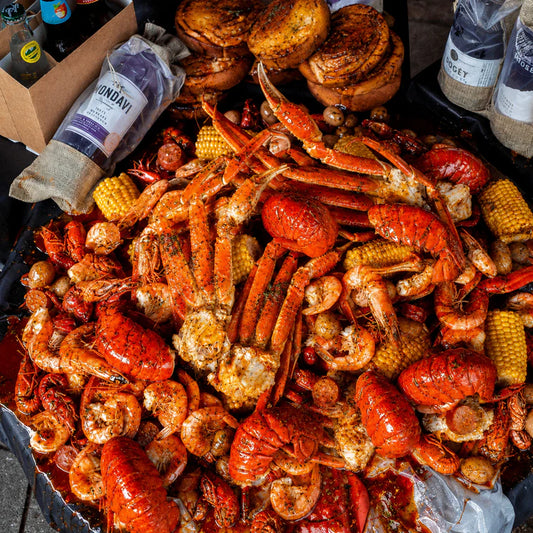
A traditional crab boil bag brings together a full feast in a single, steaming package. At its heart, you'll find shellfish—typically snow crab legs, king crab, Dungeness crab, shrimp, crawfish, mussels, or clams—selected based on season and availability. According to the National Oceanic and Atmospheric Administration (NOAA), crab harvests peak at different times depending on species and region, which influences what lands in your bag.
Alongside the seafood, boil bags typically include aromatic vegetables like onions, garlic, and celery, plus corn on the cob and baby potatoes that soak up the cooking liquid's flavors. Andouille or smoked sausage adds savory richness and balances the sweet, briny shellfish. Some restaurants, including Boil Baby Boil in Los Angeles, allow you to customize your protein mix and choose spice levels, ensuring every bag matches your preferences.
How sauces are used: tossed after boiling vs cooked in the bag
Understanding when and how sauces enter the process shapes the entire flavor experience. Most crab boil bags are cooked in a seasoned broth—often containing Old Bay, cayenne, bay leaves, and lemon—but the signature sauce comes after. Once the seafood and vegetables finish boiling, they're drained and tossed in a rich, buttery sauce spiked with garlic, Cajun spices, lemon pepper, or other flavor blends. This post-boil method keeps sauces thick, glossy, and intensely flavored without diluting them in the cooking water.
Some restaurants offer a "wet bag" option where sauce coats everything before serving, while others serve sauce on the side for dipping. A few establishments cook aromatics directly into the sauce during boiling, but this is less common. The toss-after-boiling approach gives you maximum control over spice levels and allows kitchens to prepare multiple sauce variations efficiently, which is why most menus offer several crab boil bag different sauces options to choose from.
Popular Sauce Options You'll See on Crab Boil Menus
When ordering a crab boil bag, the sauce transforms plain steamed seafood into a finger-licking experience. Most crab boil restaurants across Los Angeles and nationwide offer a core menu of signature sauces, each delivering distinct flavor profiles that cater to different palates and spice tolerances. Understanding what's in each sauce helps you confidently choose—or mix—options that match your seafood and your mood.
Garlic butter and lemon pepper flavor profiles
Garlic butter is the foundation sauce at most seafood boil spots, combining melted butter with minced or roasted garlic, a pinch of salt, and often a squeeze of lemon juice for brightness. This mild, rich option highlights the natural sweetness of crab and shrimp without overpowering delicate flavors. Garlic butter works especially well for diners new to boils or anyone avoiding heat. According to the Seafood Nutrition Partnership, butter-based sauces pair naturally with shellfish because fat carries flavor compounds that enhance the oceanic, briny notes inherent in fresh seafood.
Lemon pepper takes garlic butter a step further by layering in cracked black pepper and zesty lemon peel, adding citrus punch and subtle warmth. The pepper provides a gentle tingle rather than true heat, making it approachable for families and offering a clean, refreshing finish that cuts through the richness of butter-soaked crab legs.
Cajun, Old Bay, and house spice blends explained
Cajun sauce blends bring Louisiana soul to your bag, typically mixing butter or oil with cayenne pepper, paprika, garlic powder, onion powder, oregano, thyme, and sometimes a hint of brown sugar for balance. The result is bold, savory heat with earthy, herbaceous complexity. According to the Louisiana Office of Tourism, authentic Cajun seasonings emphasize layered spice rather than one-note burn, creating warmth that builds gradually and pairs beautifully with corn and potatoes in your boil.
Old Bay is the iconic Chesapeake Bay spice blend featuring celery salt, mustard, red and black pepper, bay leaves, cloves, allspice, ginger, mace, cardamom, cinnamon, and paprika. When blended into butter, Old Bay delivers a tangy, slightly sweet, moderately spicy profile that's become synonymous with crab feasts across the Mid-Atlantic. Many West Coast restaurants including spots in Beverly Hills and West Hollywood now offer Old Bay as a nod to East Coast tradition.
House blends are proprietary mixes created by individual restaurants to set themselves apart. These might combine elements of Cajun, Old Bay, Asian chili oils, or custom aromatics like lemongrass, ginger, or smoked paprika. Always ask your server what's in the house blend to ensure it aligns with your heat tolerance and dietary preferences.
What "the whole shebang" or combo sauces actually include
The Whole Shebang—or similarly named combo sauces like "Everything Sauce" or "The Works"—typically merges garlic butter, Cajun spice, lemon pepper, and sometimes a dash of Old Bay into one unified, maximalist coating. This all-in-one approach delivers layered complexity: buttery richness, citrus brightness, herbal depth, and escalating heat all in a single bag. It's ideal for adventurous eaters who want the full flavor spectrum without committing to one profile.
Expect combo sauces to lean medium to medium-hot on the spice scale, though heat levels vary by restaurant. Some versions incorporate honey or brown sugar to temper the cayenne and add a subtle sweet-savory contrast. If you're ordering for a group with mixed preferences or trying a crab boil for the first time and want maximum variety, the combo sauce offers the best of all worlds in one toss.
Yes, You Can Customize: Choosing Your Crab Boil Sauce
Most seafood boil restaurants and delivery services let you tailor the sauce to your exact preferences. According to the U.S. Food and Drug Administration, proper seasoning enhances both flavor and the dining experience without compromising food safety. Whether you're ordering from a local Los Angeles spot like Boil Baby Boil or preparing a bag at home, understanding your customization options ensures every bite matches your taste.
Selecting heat levels from mild to extra hot without losing flavor
Heat levels typically range from mild to extra hot, controlled by cayenne pepper, chili flakes, or hot sauce concentration. Mild options use paprika and gentle Cajun blends with minimal pepper, perfect for kids or heat-sensitive diners. Medium heat introduces measurable cayenne—usually 1/4 to 1/2 teaspoon per pound of seafood—while maintaining balanced garlic and butter flavors. Hot and extra hot versions can reach 1 teaspoon or more of cayenne, sometimes blended with habanero or Thai chili oil. The key is building heat without masking the sweet, briny seafood underneath. Many Louisiana boil houses, as noted by the Times-Picayune, layer spice gradually so the crab or shrimp still shine through.
Butter vs oil bases and dairy-free or lighter alternatives
Traditional crab boil sauces start with melted butter, which carries spices and clings beautifully to shells. A typical ratio is 4 tablespoons of butter per pound of seafood. For dairy-free diners, olive oil, avocado oil, or plant-based butters deliver similar richness without lactose. According to American Heart Association guidelines, lighter alternatives like grapeseed or sunflower oil reduce saturated fat while preserving sauce consistency. Oil-based sauces also reheat more cleanly without separating. Some Los Angeles spots offer half-butter, half-oil hybrids that balance indulgence with a lighter finish, ideal for late-night orders or larger family feasts.
Add-ins that change the game: citrus, fresh herbs, extra garlic, honey
Beyond base and heat, fresh add-ins elevate every bag. Lemon or lime juice—about 1 tablespoon per pound—brightens rich butter and cuts through fried potatoes and sausage. Fresh parsley, cilantro, or Thai basil added just before tossing bring herbal freshness. Extra garlic, whether minced fresh or roasted, deepens savory notes without extra sodium. A drizzle of honey or agave (1 teaspoon per serving) balances heat and acid, creating a sweet-spicy-tangy profile popular in Cajun-Asian fusion styles. The USDA notes that fresh aromatics also contribute antioxidants and vitamins, making your indulgent boil a bit more nutritious. Don't hesitate to request these tweaks when ordering—they're simple, low-cost changes that transform a standard bag into something memorable.
Pairing Sauces with Specific Seafood in Your Bag
Not all shellfish handle spice and richness the same way. Matching your sauce to the specific seafood in your crab boil bag makes every bite more flavorful and balanced. The texture, sweetness, and brine level of each ingredient dictate which butter blends and spice profiles work best.
Best sauces for king crab, snow crab, and blue crab
King crab legs have thick, sweet meat that pairs beautifully with rich garlic butter or lemon pepper sauces. The mild flavor won't overpower delicate sweetness, and the buttery coating clings perfectly to wide leg segments. Snow crab benefits from medium-heat Cajun butter—its tender, slightly salty meat stands up well to paprika, cayenne, and Old Bay blends without losing its natural taste. Blue crab has a more pronounced brine and smaller claw meat, making it ideal for tangy, vinegar-forward sauces or spicy garlic chili blends that cut through the salt. According to the National Oceanic and Atmospheric Administration, different crab species vary significantly in meat texture and moisture content, which directly affects sauce absorption.
Matching shrimp, crawfish, mussels, and clams with spice and acid
Shrimp's firm texture and mild sweetness work well with almost any spice level, but lemon-garlic butter or Cajun blends with citrus brighten the flavor without masking it. Crawfish are traditional Cajun boil stars—pair them with hot or extra-hot Cajun butter loaded with cayenne, black pepper, and fresh garlic. Mussels and clams have naturally briny, mineral-rich liquor inside their shells, so lighter sauces with white wine, butter, fresh herbs, and a squeeze of lemon balance the ocean intensity. Adding acid—whether from citrus, vinegar, or tomato—helps cut richness and enhances the natural sweetness in all shellfish.
Which sauces make corn, potatoes, and sausage shine
Corn on the cob soaks up butter like a sponge, making garlic butter or honey-Cajun blends perfect for caramelizing kernels and adding a touch of sweetness. Potatoes benefit from heavier, spicier sauces—Cajun butter with extra garlic and paprika turns plain red potatoes into flavor bombs. Andouille or smoked sausage needs bold, savory profiles like spicy garlic butter or "the whole shebang" combo sauce to complement smokiness without redundancy. At Boil Baby Boil in West Hollywood and Beverly Hills, sides like corn and potatoes are tossed in the same sauce as your seafood, ensuring every component in your crab boil bag delivers consistent, layered flavor across the entire meal.
Regional Sauce Styles Worth Trying
Crab boil bags don't have to stick to one regional playbook. Across the United States and beyond, coastal communities have developed their own iconic sauce traditions, each shaped by local ingredients, immigration patterns, and seafood varieties. Understanding these regional styles helps you choose sauces that resonate with your palate or experiment with flavors you've never tried. Many seafood boil restaurants in Los Angeles, including operators serving West Hollywood and Beverly Hills, now offer regional sauce options alongside their signature blends, giving you a passport to taste the Gulf Coast, Mid-Atlantic, and Pacific Rim in a single order.
Louisiana Cajun vs Creole butter: spice, aromatics, and sweetness
Louisiana-style sauces dominate the American crab boil landscape, but Cajun and Creole represent distinct flavor philosophies. Cajun butter typically relies on a rustic, bold spice blend featuring cayenne pepper, paprika, black pepper, and garlic powder, creating intense heat and earthy depth without added sweetness. According to the Louisiana Office of Tourism, traditional Cajun cooking emerged from rural Acadian settlers who used local shellfish and simple pantry spices. Creole butter, by contrast, incorporates tomato paste or puree, fresh bell peppers, onion, celery (the "holy trinity"), and a touch of sugar or Worcestershire sauce, yielding a more refined, layered sweetness balanced with moderate heat. Many Los Angeles crab boil spots offer both, letting you choose between the fiery simplicity of Cajun or the complex aromatic profile of Creole for your bag.
Chesapeake Bay style: Old Bay, vinegar, and drawn butter
The Chesapeake Bay region built its seafood identity around blue crabs dusted with Old Bay seasoning, a proprietary blend of celery salt, mustard, red pepper, and 13 other spices developed in Baltimore in 1939. Chesapeake-style crab boil sauce typically combines melted drawn butter (clarified butter with milk solids removed), apple cider vinegar or malt vinegar for brightness, and generous Old Bay seasoning. The vinegar cuts through the richness of butter and shellfish while highlighting the sweet crab meat. This style is leaner and tangier than Louisiana butter sauces, making it ideal for diners who want pronounced spice without heavy cream or oil. Some Los Angeles seafood boil menus list "Maryland-style" or "Old Bay butter" as a sauce option, delivering that East Coast tang even on the West Coast.
Asian-inspired twists: garlic chili, lemongrass, yuzu, or miso butter
Asian fusion crab boil sauces have surged in popularity across Southern California, reflecting the region's diverse culinary influences. Garlic chili butter blends sambal oelek or Sriracha with butter, fish sauce, and lime juice, creating umami-forward heat that pairs beautifully with shrimp and clams. Lemongrass butter incorporates finely minced fresh lemongrass, ginger, and Thai basil, offering bright, herbaceous notes that lighten heavier shellfish. Yuzu butter adds Japanese citrus complexity, balancing sweetness and acidity without the sharpness of lemon. Miso butter sauces use white or red miso paste whisked into melted butter with sake and scallions, delivering fermented depth and savory richness. These styles appeal to adventurous eaters in Los Angeles neighborhoods like Culver City and Santa Monica, where Asian-fusion seafood boils have become neighborhood favorites.
Ordering Tips: How to Ask for Crab Boil Bag Different Sauces Options
What to say when ordering dine-in or takeout to get it your way
When placing your order, be specific and confident about what you want. Start by naming the seafood and sauce combination clearly: "I'd like two pounds of snow crab in garlic butter, mild heat" or "Can I get the shrimp and crawfish combo with lemon pepper, extra spicy?" If you're ordering from a restaurant like Boil Baby Boil in Los Angeles, ask if they offer a sauce sampler or split option, which allows you to try multiple flavors in one bag. Many Cajun seafood restaurants in West Hollywood and Beverly Hills will accommodate custom requests if you ask upfront. Don't hesitate to inquire about intensity adjustments—most kitchens can dial the heat up or down without extra charge. According to the FDA's menu labeling guidance, restaurants must disclose major ingredients upon request, so always feel empowered to ask what's in each sauce blend.
Upcharges, sauce portion sizes, and getting extra sauce on the side
Standard sauce portions typically coat one to two pounds of seafood generously, but if you prefer extra sauce for dipping cornbread or potatoes, expect a modest upcharge of one to three dollars per additional cup or container. Some Los Angeles seafood boil spots offer complimentary sauce substitutions but charge for adding a second sauce to the same bag. Always ask about portion sizes before ordering—a "small" at one restaurant may be vastly different from another. Request extra sauce on the side when ordering takeout or delivery in areas like Santa Monica or Culver City to maintain control over spice levels and ensure leftovers reheat well without becoming overly saturated.
Communicating allergens and dietary needs clearly and safely
Food allergies and intolerances require clear, direct communication. State your allergen upfront: "I have a shellfish allergy—can the potatoes and corn be boiled separately?" or "I'm dairy-free; do your sauces contain butter or cream?" The Food Allergy Research & Education (FARE) organization recommends speaking directly with kitchen staff or managers rather than relying solely on servers. Many seafood boil restaurants can prepare oil-based sauces instead of butter-based ones, and gluten-free diners should confirm whether flour or wheat-derived thickeners are used. When ordering catering for offices or events in Century City or Hollywood, notify the restaurant of all dietary restrictions at least 24 hours in advance to ensure safe preparation and avoid cross-contamination.
Make Your Own Signature Crab Boil Sauce at Home
Creating your own crab boil sauce gives you complete control over flavor, heat level, and ingredients. Whether you want to replicate your favorite restaurant style or experiment with new combinations, understanding the foundational formula makes the process simple and rewarding.
Core ratio: fat, aromatics, spice blend, acid, and a touch of sweetness
Every great crab boil sauce follows a balanced five-part formula. Start with one stick (½ cup) of melted butter or ¼ cup neutral oil as your fat base. Add minced aromatics—four cloves of garlic, two tablespoons of chopped shallot, and a tablespoon of fresh ginger work beautifully together. For the spice blend, combine two tablespoons of Cajun seasoning, one tablespoon of paprika, one teaspoon of cayenne (adjust to taste), and a teaspoon of black pepper. The acid component comes from two tablespoons of fresh lemon juice or apple cider vinegar, which cuts through the richness and brightens shellfish flavors. Finally, balance everything with one tablespoon of honey or brown sugar to round out the heat and create depth. According to the Louisiana State University Agricultural Center, this balance of fat, spice, and acid is fundamental to Louisiana-style seafood preparations.
Quick 10-minute pan sauce method for tossing a hot boil
Melt your butter in a large skillet over medium heat. Add garlic and shallots, cooking for two minutes until fragrant but not browned. Stir in your dry spices and toast for 30 seconds to bloom the flavors. Remove from heat, then whisk in lemon juice and honey until fully emulsified. For a pound of seafood, use about ⅓ cup of this sauce. Toss your drained boil ingredients directly in the pan, coating everything evenly. Add a splash of the cooking liquid if the sauce seems too thick. The FDA recommends working quickly with hot seafood and consuming immediately for food safety.
Cleaner ingredient swaps and a kid-friendly mild version
For a lighter sauce, replace butter with avocado oil or ghee and reduce the total fat by half. Use smoked paprika instead of cayenne for smoky depth without heat. For children, create a mild garlic butter using just butter, roasted garlic, a pinch of paprika, lemon zest, and a teaspoon of honey. Substitute coconut aminos for Worcestershire sauce to keep it allergen-friendly. Fresh herbs like parsley, cilantro, or basil added at the end provide vibrant flavor without spice, making the sauce appealing to sensitive palates while maintaining the rich, buttery character that makes crab boils special.
Storage, Reheating, and Smart Uses for Leftover Sauce
Safe cooling and fridge/freezer timelines for seafood sauces
Leftover crab boil sauce should be cooled and refrigerated within two hours of cooking to prevent bacterial growth, according to USDA food safety guidelines. Transfer sauce to a shallow, airtight container to speed cooling—never leave butter-based sauces sitting at room temperature in the bag or pot. Properly stored, seafood boil sauces containing butter, garlic, and spices will keep in the refrigerator for three to four days. If your sauce touched raw or cooked shellfish directly, treat it with extra caution and use it within two to three days.
For longer storage, freeze crab boil sauce in ice cube trays or small freezer-safe containers for up to three months. Label each container with the date and sauce type (Cajun butter, garlic lemon pepper, etc.) so you can grab exactly what you need later. Butter-based sauces freeze exceptionally well, though some separation may occur—simply whisk or blend after thawing to restore the creamy texture.
Reheating without breaking the emulsion or dulling spices
Reheat crab boil sauce gently over low heat on the stovetop, whisking constantly to maintain the emulsion and prevent the butter from separating. Avoid microwaving at high power, which can cause sauces to break or become greasy. If your sauce does separate, add a teaspoon of warm water or seafood stock and whisk vigorously until smooth. Taste after reheating—you may need to refresh the flavor with a pinch of Cajun seasoning, fresh lemon juice, or minced garlic, since heat can mute spices over time.
For frozen sauce, thaw overnight in the refrigerator before reheating. Never refreeze sauce that has already been thawed, as this degrades both flavor and food safety.
Leftover sauce ideas: corn ribs, roasted potatoes, wings, or pasta
Leftover crab boil sauce transforms everyday ingredients into restaurant-quality dishes. Toss roasted corn ribs or grilled corn on the cob with Cajun butter for a smoky, spicy side. Drizzle garlic lemon pepper sauce over crispy roasted potatoes or wedges, then garnish with fresh parsley. Coat chicken wings in your leftover sauce and broil until caramelized, or use it as a finishing glaze for grilled shrimp skewers.
For a quick weeknight dinner, toss hot pasta with crab boil butter sauce, adding reserved pasta water to create a silky coating. Stir in sautéed shrimp, cherry tomatoes, and spinach for a Louisiana-inspired seafood pasta that rivals any boil. You can also brush the sauce onto garlic bread before toasting, fold it into scrambled eggs with crab meat, or use it as a dipping sauce for crispy fried seafood.
FAQs about Crab Boil Bag Sauce Choices
Can I split one crab boil bag into two different sauces?
Yes, most seafood boil restaurants will accommodate splitting a single bag into two sauce options, especially when you're feeding a group with different spice preferences. When ordering, simply ask for your bag to be divided before tossing—half in garlic butter and half in Cajun, for example. Some establishments may apply a small upcharge for split saucing due to the extra prep work, while others include it as a complimentary customization. At Boil Baby Boil in Los Angeles, splitting sauce options helps families and office groups enjoy the same seafood feast while respecting individual heat tolerances. For the cleanest separation, request your bag portioned into two separate containers rather than attempting to divide sauces within one bag.
What's the difference between Cajun heat and chili heat?
Cajun heat comes from a complex blend of cayenne pepper, black pepper, white pepper, and paprika, delivering a layered warmth that builds gradually and includes earthy, smoky, and slightly sweet notes from garlic and onion powder. Chili heat, typically derived from fresh or dried chili peppers like Thai bird's eye, jalapeño, or habanero, provides a sharper, more immediate burn focused on capsaicin intensity without the aromatic depth. According to the USDA Agricultural Research Service, capsaicin levels vary widely by pepper variety, affecting perceived heat. Cajun seasoning balances spice with savory richness, making it ideal for butter-based crab boils, while pure chili heat works well in oil-based Asian-fusion sauces where you want clean, direct spice.
How much sauce per pound of seafood is ideal?
A good baseline is two to three ounces of sauce per pound of shellfish, corn, and potatoes combined. This ratio ensures every piece gets a thorough coating without pooling excess liquid in the bottom of your bag. For lighter eaters or those who prefer subtle seasoning, one and a half ounces per pound works, while spice lovers may request up to four ounces for an intensely sauced experience. Most Los Angeles seafood boil spots, including Boil Baby Boil, offer extra sauce on the side at no or minimal charge, so you can start conservative and add more as needed. When ordering catering for larger groups, communicate your preferred sauce intensity to ensure consistent coverage across multiple bags.
Can I get my bag dry-rubbed only or sauce on the side?
Absolutely. Requesting a dry rub—seasoning applied directly to boiled seafood without butter or oil—keeps the meal lower in fat and lets the natural sweetness of crab and shrimp shine. Simply ask for your seafood seasoned with Cajun or Old Bay spice blend only, with no toss sauce. Alternatively, ordering sauce on the side gives you complete control over how much and where you apply it, ideal for picky eaters, young children, or anyone managing dietary restrictions. Many West Hollywood and Beverly Hills diners prefer this approach when sharing mixed seafood platters. Most restaurants will package sauce in separate containers at no extra charge, preserving the texture of your corn and potatoes while keeping your hands cleaner during the meal.
Boil Baby Boil Sauce FAQs
What sauces does Boil Baby Boil offer on seafood boils?
Boil Baby Boil offers five house butter sauces: Cajun Butter, Garlic Butter, Lemon Pepper Butter, Cajun Garlic Lemon Blend and TRUFF Truffle Butter. Each comes in Mild, Medium, Hot or Hottest on seafood and sauced sides like corn, baby potatoes, andouille sausage and Cajun butter eggs.
Can you mix different sauces in one seafood boil order?
Yes. You can order separate boil bags or sides in different sauces, or add Dunkin' Sauce cups in a second flavor. A popular move for groups is Garlic Butter at Mild for cautious eaters and Cajun Garlic Lemon Blend at Hot for spice fans.
What is the spiciest sauce option at Boil Baby Boil?
Heat is chosen separately from flavor, so any of the five butter sauces can be ordered at Hottest, the top heat level. Cajun Butter or Cajun Garlic Lemon Blend at Hottest is the boldest combo. Medium is a safe first order, and Mild keeps the focus on butter, garlic and seafood.
Can I order extra sauce for dipping?
Yes. Dunkin' Sauce comes in 8 oz or 16 oz cups in all five flavors and can be added to any order. Snow crab cluster orders include a free Dunkin' Sauce, which is ideal for dipping crab legs, corn and baby potatoes.
How do I order a seafood boil with my choice of sauce in Los Angeles?
Order online at boilbabyboil.com/pages/order and pick your sauce and heat level for each item. Choose pickup at 8939 Santa Monica Blvd, Suite B, West Hollywood, or delivery to WeHo, Beverly Hills, Hollywood Hills, Century City, Culver City, Santa Monica, Brentwood, Studio City and Downtown LA.
Pick Your Sauce and Order Direct
Ready to taste the difference? Order a seafood boil from Boil Baby Boil for pickup or delivery and choose your butter sauce and heat level at checkout. Feeding a crowd? Book seafood catering in Los Angeles and mix sauces across trays so every guest finds a favorite.