Warm Connecticut Lobster Roll Vs Warm Buttered Lobster Roll Showdown
Warm Connecticut Lobster Roll Vs Warm Buttered Lobster Roll: The Showdown
The eternal debate rages on between two titans of New England's culinary crown jewels. Both champions emerge from the same lineage, yet subtle distinctions create passionate loyalists on either side. Let's dissect these buttery behemoths and settle this delicious dispute once and for all.
Warm Connecticut Lobster Roll: What it is
This regional virtuoso strips away all pretense, letting pristine lobster meat bask in its natural glory. The preparation philosophy centers on restraint and respect for the crustacean's inherent sweetness.
- Warm lobster meat gently tossed in melted butter, no mayo.
- Served on a butter-griddled New England split-top roll.
- Seasoning is minimal: salt, lemon, maybe a sprinkle of chives.
The Connecticut style emerged as a counterpoint to Maine's mayo-heavy approach. Here, butter becomes the conduit for lobster's oceanic essence rather than a masking agent.
Warm Buttered Lobster Roll: What it is
This variation amplifies the butter component, transforming it from supporting player to co-star. The nomenclature might seem redundant, but nuanced preparations distinguish thoughtful kitchens from pedestrian operations.
- Often the same build as a Connecticut roll; "buttered" is the star.
- Restaurants may vary butter style (clarified, brown butter, garlic-herb).
- Occasional twists: lemon-garlic drizzle or light spice.
Are they actually different?
The plot thickens when examining menu linguistics versus actual kitchen execution. Most establishments treat these terms as interchangeable descriptors for the same fundamental preparation.
- In most shops, "Warm Buttered" and "Connecticut" describe the same warm, no-mayo roll.
- Differences, if any, come from the butter style and seasoning choices.
"The distinction often exists more in marketing than methodology—both celebrate lobster's natural sweetness through warm butter delivery."
Lobster Mix: Cuts, freshness, and flavor that make the roll
The foundation of any exceptional lobster roll lies in the quality and composition of its starring ingredient. Understanding lobster anatomy transforms casual diners into discerning connoisseurs who can spot superior preparations from across the room.
Claw and knuckle vs tail
Each lobster section delivers distinct textural experiences that dramatically impact your roll's character. Smart kitchens blend these cuts strategically to achieve optimal mouthfeel and flavor distribution.
- Claw/knuckle: tender, sweet, classic texture for a roll.
- Tail: firmer bite; nice for chunkiness, but can feel denser.
Claw meat possesses delicate fibers that absorb butter beautifully while maintaining structural integrity. Knuckle meat offers similar tenderness with slightly more robust flavor notes. Tail meat, while visually impressive, can overwhelm delicate palates with its assertive texture.
Fresh vs previously frozen
The provenance of your lobster meat determines whether you'll experience transcendent oceanic bliss or merely adequate sustenance. Fresh extraction produces superior results, though proper handling can elevate frozen alternatives.
- Fresh, just-picked meat delivers clean, briny sweetness.
- Previously frozen is fine when handled well; look for big, intact chunks.
Seasoning philosophy
Restraint separates masterful preparations from heavy-handed disasters. The most accomplished chefs understand that lobster's natural salinity requires minimal enhancement to achieve perfection.
- Let the lobster lead; use salt, lemon, and butter for balance.
- Chives for lift; avoid heavy add-ins that mask the lobster.
Build matters: The roll, the butter, the ratio
Construction methodology separates amateur efforts from professional-grade masterpieces. Every component must harmonize to create a cohesive culinary experience that elevates rather than competes with the precious lobster payload.
The roll (bun) that makes it sing
Foundation architecture determines structural integrity and flavor compatibility. The vessel must provide textural contrast while remaining subservient to the starring crustacean.
- New England split-top roll, buttered and griddled for crisp edges.
- Brioche is richer but can overshadow delicate lobster sweetness.
Split-top rolls feature flat sides that griddle evenly, creating golden-brown surfaces with subtle crunch. Brioche's eggy richness can overwhelm lobster's nuanced maritime essence, though some establishments successfully deploy lighter brioche variants.
Butter choices that change the profile
Fat selection profoundly impacts flavor architecture and aromatic complexity. Each butter style imparts distinct characteristics that either complement or compete with lobster's inherent sweetness.
- Clarified butter: pure, clean lobster-first flavor.
- Brown butter: nutty depth; use lightly.
- Garlic-herb lemon butter: bright and aromatic—don't overdo it.
Clarified butter removes milk solids, creating pure butterfat that won't mask delicate lobster notes. Brown butter introduces hazelnut undertones that can enhance or overwhelm depending on application intensity.
Meat-to-roll ratio
Proportional balance determines whether diners experience lobster nirvana or expensive bread consumption. Generous portioning ensures every bite delivers crustacean satisfaction.
- Target 4–6 ounces of lobster per roll for a satisfying bite.
- Every bite should be lobster-forward, not bread-heavy.
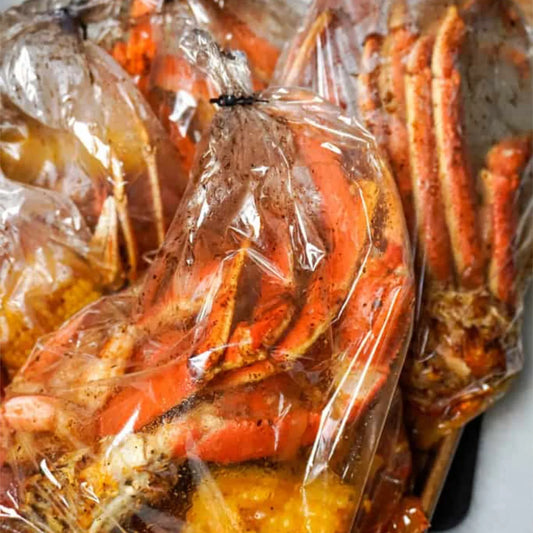
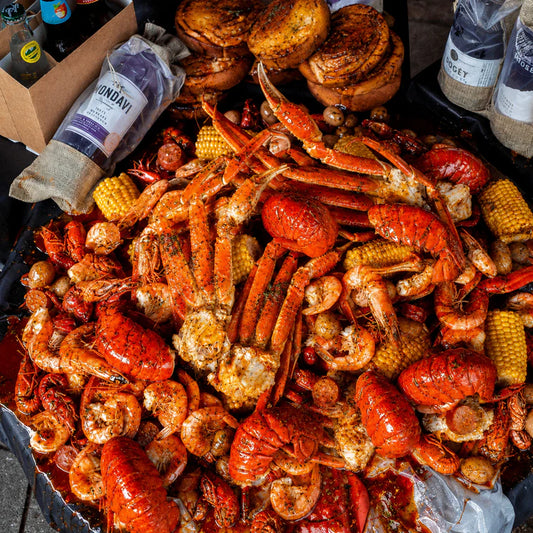
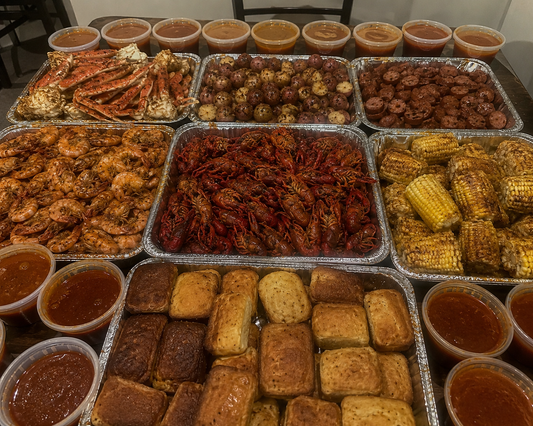
Cajun seafood boils and warm rolls: Perfect pairing or clash?
The intersection of New England's buttery elegance with Louisiana's fiery exuberance creates fascinating culinary opportunities. Strategic pairing transforms these distinct regional specialties into complementary experiences rather than competing flavor profiles.
Pairing strategies
Temperature and spice contrasts provide palate relief during intense Cajun seafood boils sessions. The warm roll functions as a cooling agent that neutralizes capsaicin burn while delivering rich satisfaction.
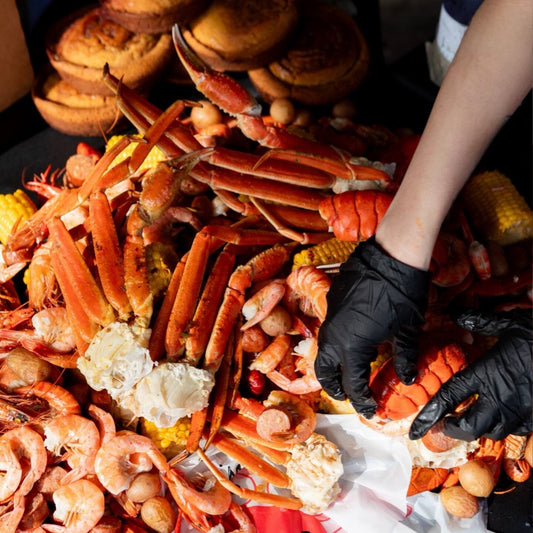
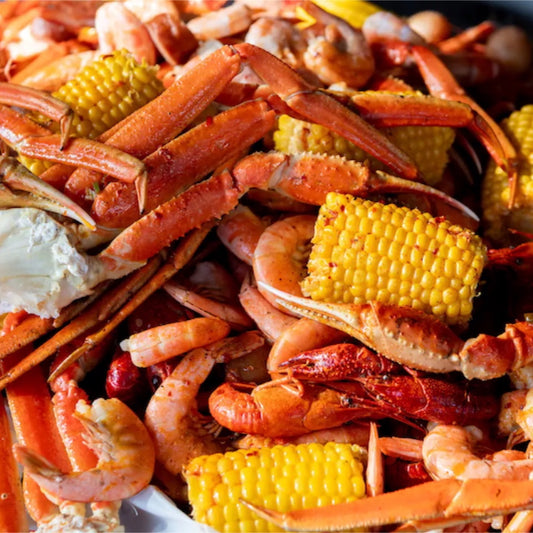
- A buttery warm roll cools down the heat from Cajun seafood boils.
- Balance a spicy boil with a classic, unspiced warm roll for contrast.
West Hollywood's late-night dining scene particularly appreciates this dynamic pairing. Boil Baby Boil's guests often alternate between spice-forward seafood and cooling lobster rolls to maintain optimal palate equilibrium throughout extended dining sessions.
Cajun-spiced butter as a twist
Innovation meets tradition when subtle spice integration enhances rather than overwhelms lobster's delicate profile. Controlled heat application preserves crustacean integrity while adding complexity.
- Try a light Cajun butter drizzle on top—spice should accent, not dominate.
- Offer spice on the side for control.
The key lies in restraint and customization options. Diners can adjust heat levels according to personal tolerance while preserving the fundamental lobster roll experience.
Which style of lobster roll is more popular in New England?
Regional preferences reveal fascinating cultural dining patterns across New England's diverse coastal communities. Understanding these trends helps predict menu success and customer satisfaction.
The regional reality
Statistical analysis of menu prevalence shows clear geographical preferences, though tourist influence complicates traditional patterns. Cold preparations dominate overall, but warm rolls claim significant market share.
- Across New England, the cold mayo "Maine" roll is often the most common overall.
- For warm rolls, the Connecticut-style (aka warm buttered) dominates menus in CT/RI and appears widely elsewhere.
Labeling quirks
Menu terminology confusion creates unnecessary complexity for diners seeking specific preparations. Many establishments use interchangeable naming conventions without distinguishing actual differences.
- "Warm Buttered Lobster Roll" is frequently just another name for "Warm Connecticut Lobster Roll."
- Ask how the kitchen defines each roll if both are listed.
Seasonal habits
Weather patterns significantly influence consumer preferences, creating predictable demand cycles that smart restaurateurs exploit for menu planning and inventory management.
- Warm rolls trend in cooler months and shoulder seasons.
- Cold rolls surge in midsummer—tourist season and hot weather.
How to choose your roll like a pro
Navigating lobster roll selection requires strategic questioning and understanding your personal flavor preferences. Armed with insider knowledge, you'll consistently order exceptional preparations while avoiding disappointing experiences.
Quick decision guide
Streamlined decision-making eliminates menu paralysis while ensuring optimal satisfaction. Consider your heat tolerance and desired flavor intensity when making selections.
- Love pure lobster sweetness? Choose warm buttered/Connecticut.
- Crave richness with zip? Ask for clarified butter with a lemon finish.
- Want heat? Add a light Cajun butter drizzle on top, not mixed in.
Temperature preference plays a crucial role in satisfaction levels. Warm preparations highlight lobster's natural oils, while butter integration creates luxurious mouthfeel that cold versions cannot replicate.
Smart questions to ask
Informed inquiries reveal preparation quality and help customize orders according to personal preferences. Professional kitchens appreciate knowledgeable customers who understand ingredient impact.
- What's in the Lobster Mix—claw/knuckle vs tail?
- Is the butter clarified, brown, or garlic-herb?
- How many ounces of lobster per roll? What roll (bun) do you use?
FAQs
Is a Warm Buttered Lobster Roll the same as a Warm Connecticut Lobster Roll?
- Usually yes—both mean warm lobster soaked in butter, no mayo. Differences are typically butter style and seasoning.
What is "Lobster Mix" and why does it matter?
- The blend of lobster cuts (claw, knuckle, tail). Claw/knuckle give tender, sweet texture ideal for rolls.
Can I get a Cajun-spiced warm roll?
- Yes—ask for a light Cajun butter drizzle so the spice complements, not covers, the lobster.
How much lobster is fair for a roll?
- 4–6 ounces is a solid portion; premium spots may offer more at a higher price.
Any food-safety tips for warm rolls?
- Expect made-to-order assembly and hot holding of buttered meat—eat promptly for best quality.
Verdict: The people-first pick
Bottom line
After examining construction methodology, regional preferences, and flavor profiles, one clear winner emerges for discerning diners seeking authentic New England excellence.
- If you want the cleanest taste of the sea, the Warm Connecticut/Warm Buttered Lobster Roll wins.
- For Cajun seafood boils fans, keep the roll classic and add spice lightly on top for balance.
The warm buttered approach celebrates lobster's natural sweetness while providing comforting richness that pairs beautifully with spicy Cajun preparations. Whether you're enjoying late-night dining in West Hollywood or seeking the perfect complement to your seafood boil experience, this preparation delivers consistent satisfaction that honors both tradition and innovation.