The Ultimate Cajun Seasoning Guide for Perfect Flavor
What Makes Authentic Cajun Seasoning Special
Authentic Cajun seasoning isn't just another spice blend gathering dust in your pantry. It's the soul of Louisiana cuisine, a carefully orchestrated symphony of aromatics that transforms ordinary ingredients into extraordinary experiences. The foundation of this legendary blend stems from the resourcefulness of Acadian settlers who melded French techniques with available New World spices.
True Cajun seasoning delivers a complex flavor profile that balances heat, earthiness, and aromatic depth. Unlike generic "Creole" seasonings found in supermarkets, authentic blends emphasize paprika's smokiness, cayenne's fire, and garlic's pungency. Each component serves a specific purpose in creating that unmistakable taste that makes your taste buds dance.
Essential Ingredients for the Perfect Cajun Blend
Primary Spice Components
The backbone of any respectable Cajun seasoning guide centers on these fundamental ingredients. Paprika provides the characteristic russet color and mild pepper flavor. Sweet Hungarian paprika works best for beginners, while smoked varieties add complexity.
Cayenne pepper delivers the signature heat that separates authentic Cajun food from mild imitations. Start conservatively—you can always add more fire, but you can't take it back. Garlic powder and onion powder form the aromatic foundation, while oregano and thyme contribute herbal notes that complement seafood beautifully.
Supporting Cast of Flavors
Black pepper adds sharp bite, while white pepper contributes heat without overwhelming color. Salt acts as the unifying element, though many prefer sea salt or kosher varieties over table salt. Bay leaf powder, when available, introduces subtle eucalyptus notes that elevate the entire blend.
"The secret to exceptional Cajun seasoning lies not in exotic ingredients, but in the precise balance of common spices that create uncommon flavor."
Step-by-Step Blending Techniques
Creating your perfect Cajun seasoning requires methodology, not just measurements. Begin with room-temperature spices—cold ingredients don't meld properly. Toast whole spices like peppercorns before grinding to unlock volatile oils that pre-ground varieties lack.
Combine ingredients in order of quantity, starting with paprika as your base. Gradually incorporate cayenne while tasting frequently. Remember, heat tolerance varies significantly between individuals. Sift the final blend through fine mesh to ensure uniform particle size and optimal distribution.
| Ingredient | Ratio | Purpose |
|---|---|---|
| Paprika | 4 parts | Base flavor and color |
| Garlic Powder | 2 parts | Aromatic foundation |
| Cayenne | 1 part | Heat and intensity |
| Salt | 2 parts | Flavor enhancement |
Application Methods for Maximum Flavor Impact
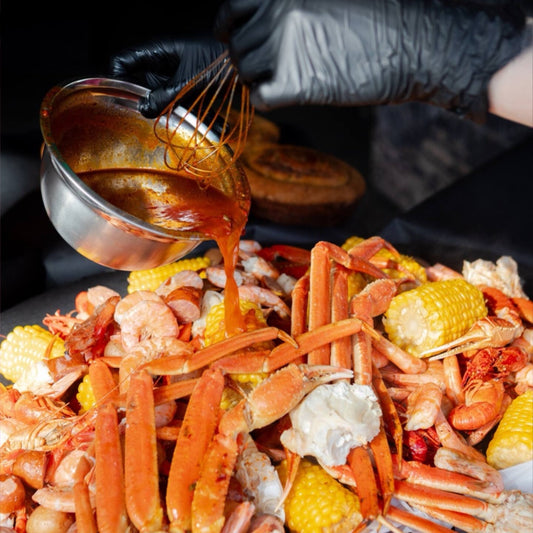
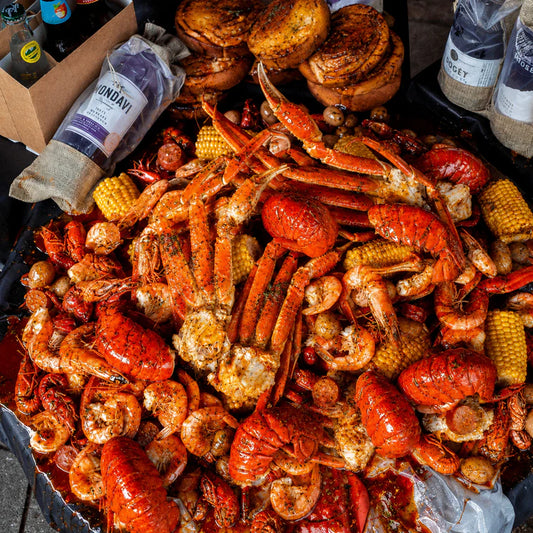
Understanding when and how to apply Cajun seasoning separates amateur cooks from seasoned practitioners. For seafood boils, bloom the spices in oil first to release fat-soluble compounds that water alone cannot extract. This technique intensifies flavor penetration in shellfish.
Dry-rubbing proteins requires different timing. Apply seasoning 15-30 minutes before cooking to allow salt to penetrate surfaces without drawing out excessive moisture. For delicate items like shrimp, season immediately before cooking to prevent texture changes.
Frequently Asked Questions
How long does homemade Cajun seasoning stay fresh? Properly stored in airtight containers away from light and heat, homemade blends maintain potency for 6-12 months. Ground spices lose volatile oils faster than whole ones.
Can I substitute ingredients in traditional recipes? Absolutely. Chipotle powder can replace cayenne for smokiness, while dried basil works when oregano isn't available. However, maintain the salt-to-spice ratios for balanced flavor.
What's the difference between Cajun and Creole seasoning? Cajun blends typically emphasize heat and earthiness, while Creole versions often include more herbs and sometimes sugar for complexity.
- Store in cool, dark locations to preserve potency
- Label containers with creation dates for freshness tracking
- Make small batches initially to perfect your preferred heat level
- Keep separate portions for different spice tolerance levels