Snow Crab Legs Mastery: From Ocean to Your Table
Understanding Snow Crab: The Ocean's Delicate Treasure
Snow crab legs represent one of the ocean's most prized crustacean offerings. These pale, elongated appendages house sweet, succulent meat that melts on your tongue when prepared correctly. The key to exceptional snow crab lies in understanding its delicate nature—overcooking transforms tender flesh into rubbery disappointment.
Fresh snow crab should smell like the ocean breeze, not fishy or ammonia-like. The shells display a pristine ivory color with subtle orange undertones. Weight matters too; hefty legs indicate meat-heavy specimens that deliver maximum satisfaction per bite.
Selecting Premium Snow Crab Legs
Quality selection forms the foundation of stellar snow crab legs cooking techniques. Look for legs with intact joints and minimal shell damage. Frozen varieties should show no ice crystals or freezer burn—telltale signs of compromised texture and flavor.
Size grades vary from small to colossal, but medium-large legs often provide the optimal meat-to-shell ratio. Professional seafood purveyors typically offer the freshest selections, though high-quality frozen options work beautifully when fresh isn't available.
Essential Snow Crab Legs Cooking Techniques
Mastering snow crab legs cooking techniques requires understanding that these crustaceans arrive pre-cooked from fishing vessels. Your kitchen mission focuses on gentle reheating while preserving moisture and enhancing natural flavors through seasoning and aromatics.
The Boiling Method: Classic and Foolproof
Boiling remains the most straightforward approach for snow crab preparation. Fill a large stockpot with enough water to submerge the legs completely. Add generous amounts of sea salt, bay leaves, and lemon slices to create an aromatic bath.
Bring water to a rolling boil, then carefully lower the crab legs using tongs. Cook for 4-6 minutes maximum—any longer risks tough, overcooked meat. The shells will turn bright orange when properly heated through.
"The secret to perfect snow crab lies not in cooking, but in gentle reheating with respect for the ocean's natural perfection."
Steaming: Preserving Natural Flavors
Steaming offers superior flavor retention compared to boiling methods. Set up a large pot with a steamer basket and add two inches of water. Include aromatics like garlic cloves, Old Bay seasoning, and white wine for enhanced taste profiles.
Arrange crab legs in the steamer basket without overcrowding. Steam for 5-7 minutes until heated through. This technique prevents waterlogging while maintaining the meat's delicate texture.
Professional Cajun-Style Preparation
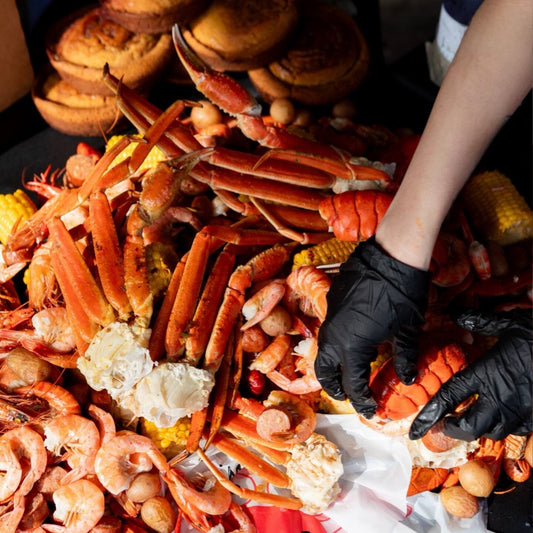
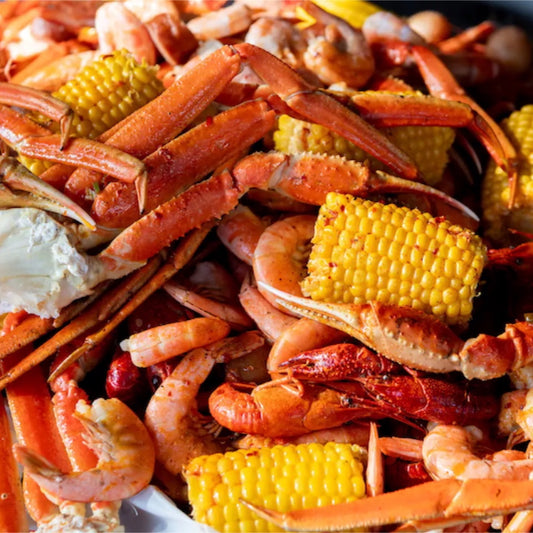
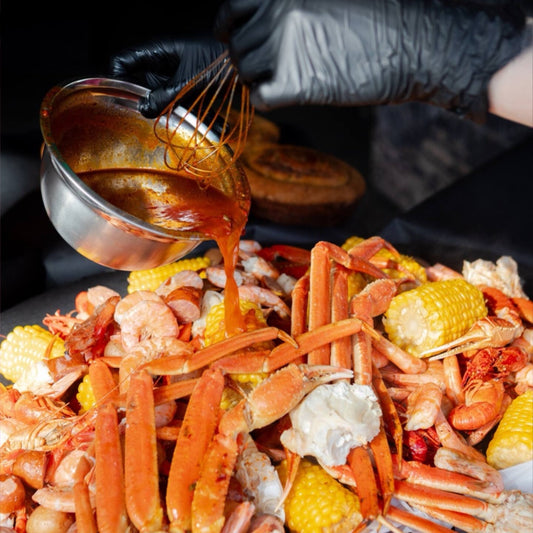
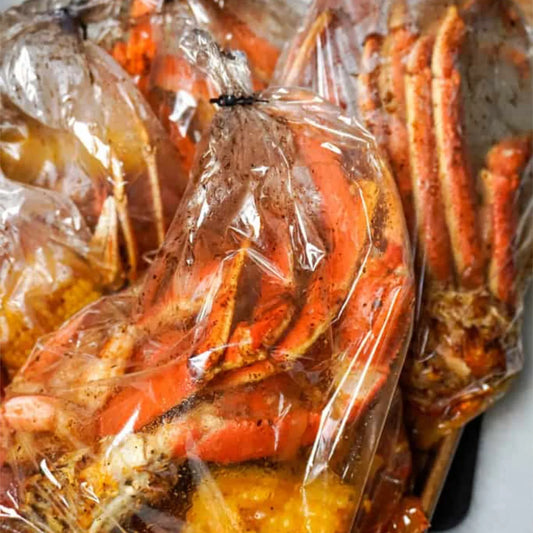
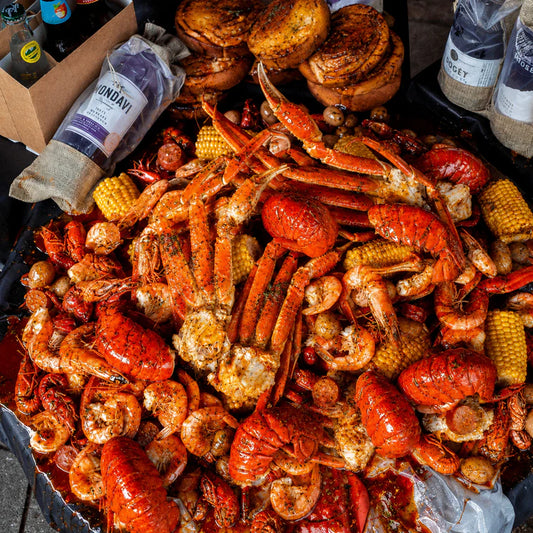
For those craving restaurant-quality results without leaving home, consider the Cajun boil approach that transforms simple crab legs into flavor-packed indulgences. This method incorporates bold spices and aromatic vegetables that complement rather than mask the crab's natural sweetness.
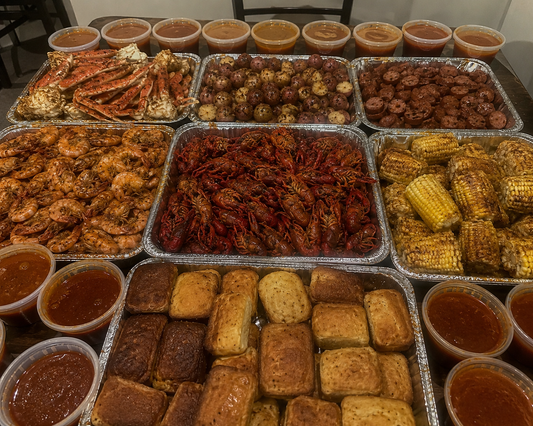
At Boil Baby Boil, we've perfected the art of Cajun-style snow crab preparation through our signature seasoning blend and precise timing techniques. Our fresh snow crab legs arrive daily, ensuring peak quality for West Hollywood's most discerning seafood enthusiasts who demand exceptional late-night dining experiences.
Building Your Cajun Spice Arsenal
Authentic Cajun preparation relies on layered spicing techniques. Create a base blend using paprika, cayenne pepper, garlic powder, onion powder, thyme, and oregano. Add celery salt and white pepper for complexity.
The key involves applying spices at multiple stages—seasoning the cooking liquid, dusting the crab legs before cooking, and finishing with additional spice blend after cooking. This tri-layer approach ensures maximum flavor penetration.
Serving and Presentation Mastery
Proper presentation elevates snow crab from simple seafood to memorable dining experience. Arrange legs on newspaper or parchment paper for authentic boil-house aesthetics. Provide essential tools: nutcrackers, seafood picks, and plenty of napkins.
Essential Accompaniments
Traditional pairings include:
- Clarified butter infused with garlic and herbs
- Fresh lemon wedges for brightness
- Honey butter cornbread for satisfying carbs
- Corn on the cob and baby potatoes
| Cooking Method | Time Required | Best For |
|---|---|---|
| Boiling | 4-6 minutes | Quick preparation |
| Steaming | 5-7 minutes | Maximum flavor retention |
| Cajun Boil | 8-10 minutes | Bold, spiced results |
Common Pitfalls and Professional Tips
Avoid these frequent mistakes that compromise snow crab quality. Never refreeze thawed crab legs—this destroys cellular structure and creates mushy texture. Don't skip the defrosting process; cooking frozen legs results in uneven heating.
Professional chefs recommend starting with room-temperature crab legs for even cooking. Pat shells dry before seasoning to ensure spice adherence. Most importantly, taste your cooking liquid—it should be pleasantly salty like seawater.
Storage and Leftover Management
Properly stored cooked crab legs maintain quality for 2-3 days refrigerated. Remove meat from shells before storing to maximize freshness. Leftover crab meat transforms beautifully into crab cakes, salads, or pasta dishes.
For optimal results, consume snow crab legs immediately after cooking. The sweet, briny flavors reach their peak when served piping hot with your favorite accompaniments and good company to share the oceanic bounty.