Master Your Cajun Seafood Boil Recipe at Home
The Essential Foundation: Understanding Authentic Cajun Boil Techniques
Creating an authentic cajun seafood boil recipe starts with mastering the foundational trinity of Cajun cuisine: celery, bell peppers, and onions. This aromatic base forms the backbone of your boil, infusing every morsel with deep, complex flavors that transport you straight to the bayous of Louisiana.
The key lies in building layers of flavor through proper seasoning timing. Start with your aromatics in the pot, allowing them to release their essential oils before introducing your primary seasonings. Old Bay, cayenne pepper, garlic powder, and bay leaves create the quintessential spice profile, but the secret weapon is the roux-like depth achieved through proper browning of your seasonings.
"A true Cajun boil isn't just about throwing seafood in spiced water—it's about creating a symphony of flavors that crescendos with each bite."
Selecting Premium Seafood: Quality Makes the Difference
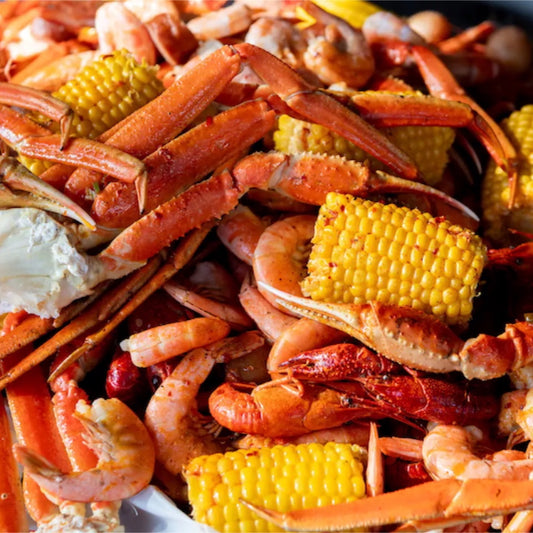
Your cajun seafood boil recipe's success hinges on selecting pristine, fresh seafood. Snow crab legs should feel heavy for their size with intact shells. Crawfish must be lively and responsive, while shrimp should have a translucent appearance without any ammonia scent.
Consider these timing essentials when preparing different proteins:
| Seafood Type | Cooking Time | Internal Temperature |
|---|---|---|
| Crawfish | 3-4 minutes | 145°F |
| Snow Crab | 4-5 minutes | 145°F |
| Jumbo Shrimp | 2-3 minutes | 145°F |
| Lobster Tails | 6-8 minutes | 145°F |
Storage and Preparation Tips
Keep your seafood on ice until the moment of cooking. Purge crawfish in salt water for 15 minutes to eliminate any grit or debris. This extra step elevates your final dish from good to extraordinary, ensuring each bite delivers pure, clean flavor.
The Perfect Boil: Step-by-Step Execution
Fill your largest stockpot with water, leaving ample room for ingredients and vigorous boiling. Add your aromatics and seasonings, bringing the mixture to a rolling boil. The water should taste like well-seasoned soup—slightly overseasoned, actually, since the seafood will dilute the flavors.
Timing becomes crucial here. Add corn and potatoes first, as they require the longest cooking time. Follow with sausage after five minutes, then your heartiest seafood like lobster and crab. Finish with delicate items like shrimp, which can become rubbery if overcooked.
The Crucial Steaming Phase
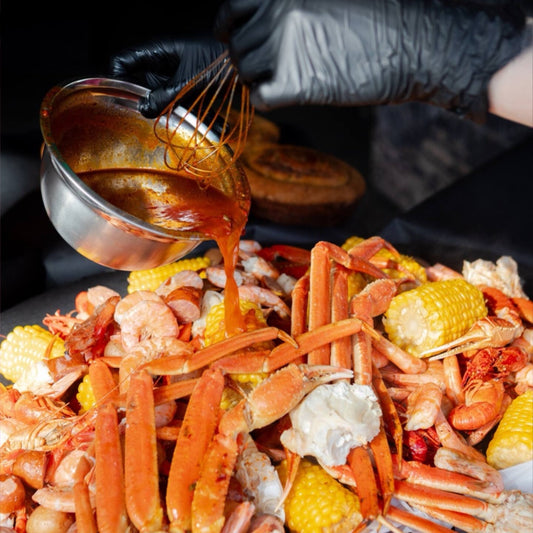
Once everything reaches proper doneness, drain immediately and transfer to your serving vessel. This is where the magic happens—toss everything with additional seasoning while still piping hot. The residual heat helps the spices adhere to the shells and penetrate the meat.
Serving and Presentation: Creating the Full Experience
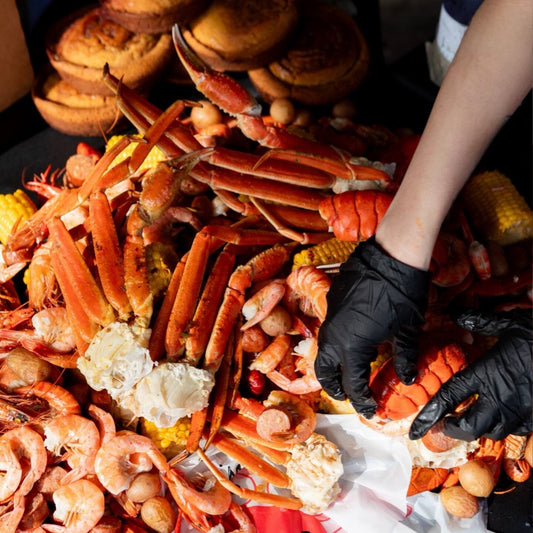
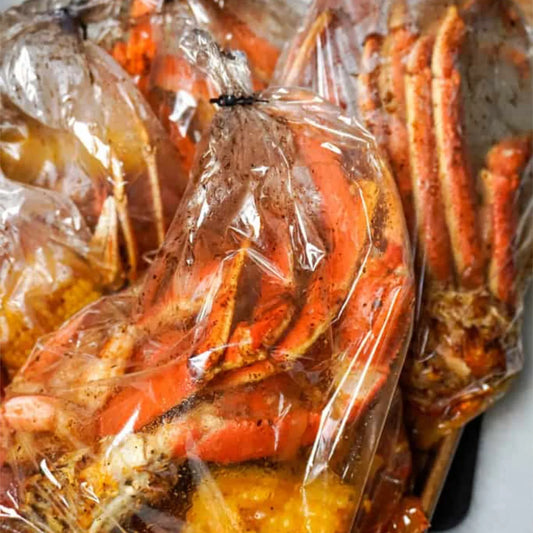
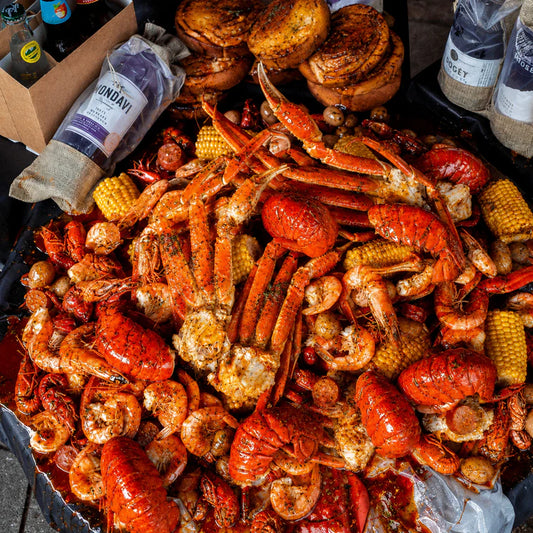
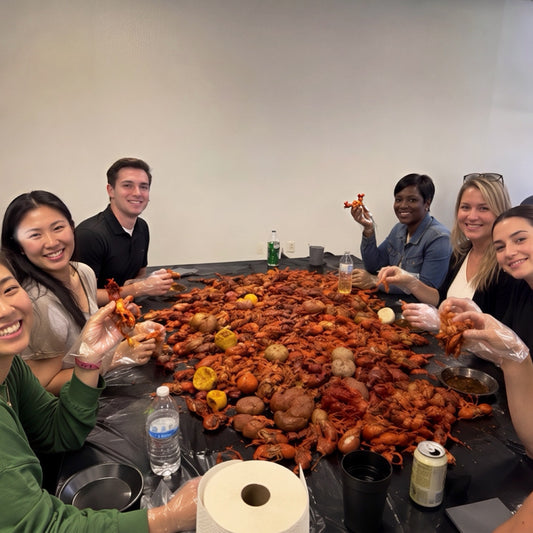
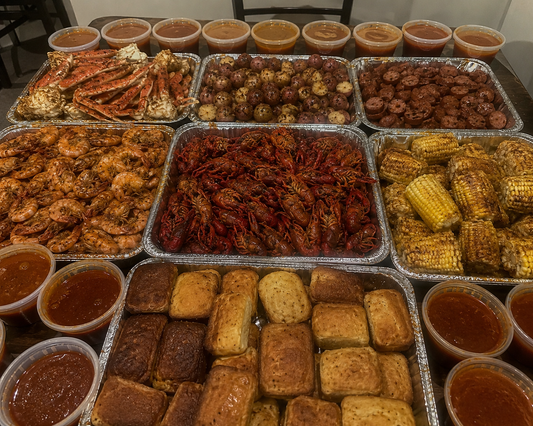
Authentic cajun seafood boil presentation involves spreading everything across newspaper or butcher paper. Provide plenty of napkins, wet wipes, and small bowls for shells. Don't forget the essential accompaniments: honey butter cornbread for soaking up those incredible juices.
- Melted butter mixed with garlic and herbs for dipping
- Fresh lemon wedges to brighten the rich flavors
- Extra seasoning blend for those who want more heat
- Cold beverages to balance the spice intensity
Common Mistakes to Avoid
Overcrowding your pot leads to uneven cooking and temperature drops. Work in batches if necessary. Another frequent error involves under-seasoning the water—remember, this is your primary flavoring method.
Never add delicate seafood too early. Overcooked shrimp becomes chewy and disappointing. Trust the timing guidelines and test for doneness rather than guessing.
What's the ideal spice level for beginners? Start with moderate heat and provide additional seasoning on the side. You can always add more spice, but you cannot remove it once incorporated.