Cajun Crawfish Cooking Secrets: Time and Temperature Guide
The Art of Cajun Crawfish Perfection
Mastering the craft of crawfish cookery requires more than just throwing mudbugs into boiling water. True Cajun tradition demands precision, timing, and an understanding of the delicate balance between heat and seasoning. The difference between succulent, perfectly-cooked crawfish and rubbery disappointments often comes down to temperature control and proper timing techniques.
Whether you're preparing a late-night feast for friends or planning an intimate gathering, understanding these fundamentals will elevate your crawfish game to restaurant-quality standards.
Essential Temperature Guidelines for Crawfish Excellence
The Critical Boiling Point
Achieving crawfish perfection begins with maintaining a vigorous, rolling boil at exactly 212°F (100°C). This temperature ensures the crustaceans cook evenly while preserving their tender texture. Never compromise on this baseline—lukewarm water produces mushy, unappetizing results that even the most generous seasoning can't salvage.
Professional crawfish boilers often use propane burners capable of generating intense heat. These powerful systems maintain consistent temperatures even when adding large quantities of cold crawfish to the pot.
Pre-Boil Water Preparation
Before introducing your crawfish, bring your seasoned water to a rapid boil. Add salt liberally—approximately one pound per five gallons of water. This saline solution not only seasons the crawfish but also helps maintain proper cooking temperatures when the cold crustaceans hit the water.
Consider incorporating aromatic vegetables like onions, garlic, and celery during this initial heating phase. These aromatics infuse the cooking liquid with complex flavors that penetrate the crawfish shells.
Timing Secrets from Cajun Kitchens
The Three-Minute Rule
Once your crawfish return the water to a rolling boil, cook for exactly three minutes. Not two, not four—three minutes delivers optimal texture without overcooking. Professional boilers often set timers to ensure consistency across multiple batches.
"The secret isn't in the seasoning alone—it's in respecting the precise timing that generations of Cajun cooks have perfected through trial and error."
The Soak Phase
After the initial cooking period, remove the pot from heat and allow crawfish to steep in the seasoned liquid for 15-20 minutes. This soaking phase allows the shells to absorb maximum flavor while the residual heat gently finishes the cooking process.
For those seeking convenience without compromising quality, Boil Baby Boil offers expertly prepared Crawfish à la Carte that showcases these precise cooking techniques. Each order demonstrates the perfect balance of timing and temperature that makes crawfish irresistible.
Advanced Techniques for Optimal Results
Purging and Preparation
Before cooking, purge live crawfish in salted water for 10-15 minutes. This process removes impurities and ensures cleaner-tasting final results. Discard any floating crawfish, as these specimens may be compromised.
Sort crawfish by size when possible. Larger specimens may require an additional 30-60 seconds of cooking time to achieve the same doneness as smaller ones.
Seasoning Integration Methods
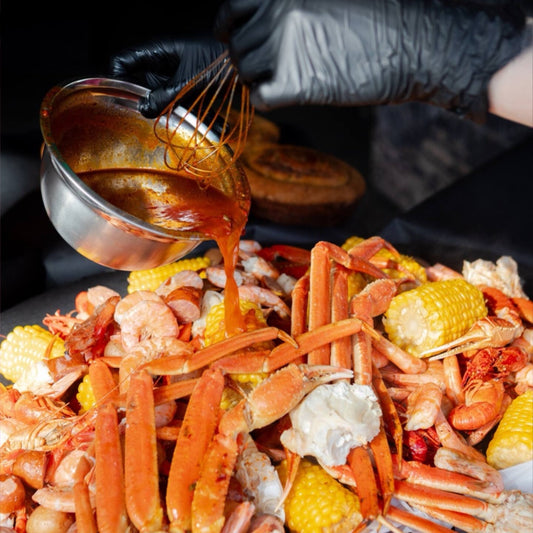
Layer your seasonings strategically throughout the cooking process. Add robust spices like cayenne and paprika early in the boil, while delicate herbs should be introduced during the final soaking phase to prevent bitter flavors from developing.
| Cooking Stage | Seasoning Type | Examples |
|---|---|---|
| Initial Boil | Robust Spices | Cayenne, Paprika, Garlic Powder |
| Mid-Cook | Aromatics | Bay Leaves, Thyme |
| Soaking Phase | Delicate Herbs | Parsley, Green Onions |
Common Mistakes and Professional Solutions
Overcooking represents the most frequent error in crawfish preparation. When crawfish become rubbery or difficult to peel, extended cooking time is usually the culprit. Stick religiously to the three-minute active cooking window.
Temperature fluctuations also compromise results. Maintain consistent heat throughout the process, adjusting burner settings as needed to prevent the boil from subsiding when crawfish are added.
- Use a reliable thermometer to monitor water temperature
- Keep backup propane tanks for uninterrupted cooking
- Prepare ice baths to halt cooking if timing becomes critical
- Test small batches before committing to large quantities
Serving and Presentation Excellence
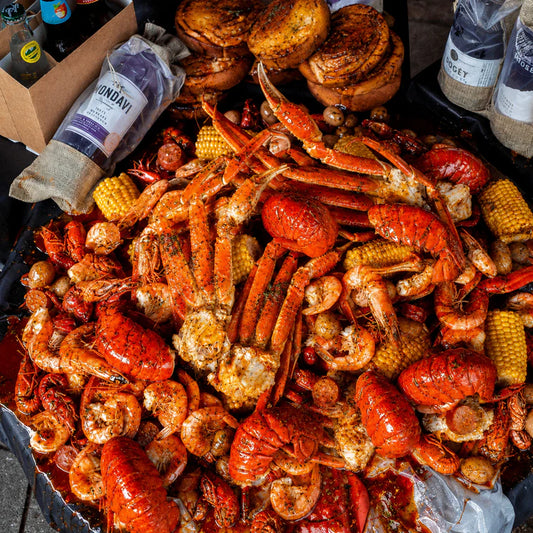
Properly cooked crawfish should exhibit bright red coloration with tails that curl naturally. The meat should separate cleanly from shells with gentle pressure, indicating perfect doneness.
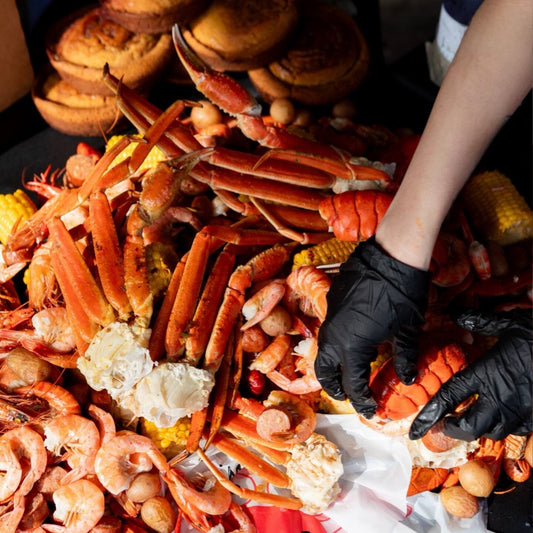
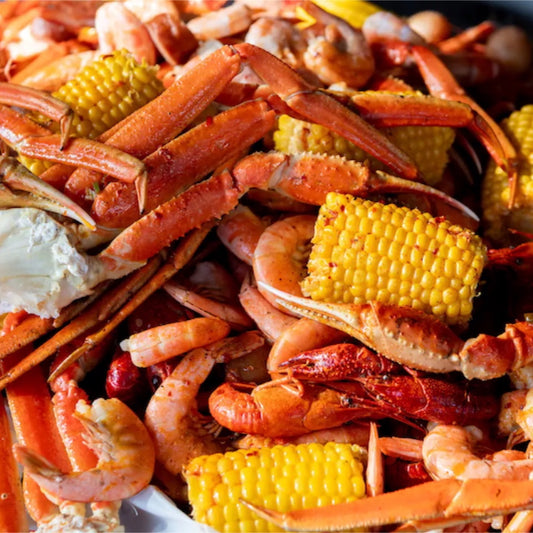
Serve immediately while still warm, accompanied by traditional sides like corn and potatoes that have absorbed the flavorful cooking liquid. For busy West Hollywood nights when cooking isn't feasible, Boil Baby Boil delivers this authentic experience directly to your door through convenient delivery platforms.
Remember that crawfish cookery is both science and art. Master these temperature and timing fundamentals, then experiment with personal touches that reflect your taste preferences and regional influences.