Why Commercial Caterers Choose Seafood for Events
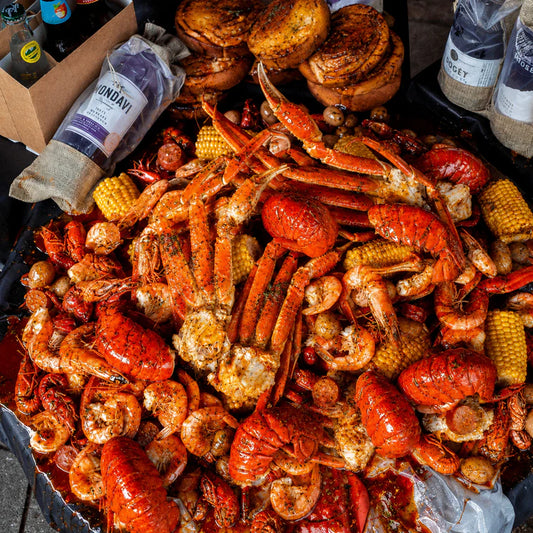
Commercial caterers choose seafood for events because it feels premium, suits lighter and protein focused diets, and turns a meal into a shared experience guests remember. Boil Baby Boil in West Hollywood caters events across Los Angeles with Cajun seafood boils of shrimp, snow crab, crawfish, corn and potatoes, ordered at boilbabyboil.com.
The Business Case for Seafood in Commercial Catering
For commercial caterers navigating today's competitive event landscape, seafood has evolved from an occasional luxury into a strategic centerpiece. The calculus is straightforward: guests perceive oceanic proteins as premium, yet many species deliver superior operational efficiency compared to traditional land-based mains. This duality—elevated perception married to kitchen pragmatism—makes seafood an indispensable arrow in the caterer's quiver.
Perceived value and guest satisfaction
Seafood carries an inherent "occasion" quality that transforms even modest gatherings into memorable affairs. Whether you're plating wild-caught salmon or passing crab-stuffed phyllo parcels, attendees register the offering as premium without requiring overwrought presentation. The treat factor transcends demographic boundaries; from wellness-minded millennials to traditionalist executives, oceanic proteins command broad appeal. Unlike niche game meats or avant-garde cuts, shrimp, scallops, and white fish resonate universally, reducing the risk of alienating segments of your guest roster.
Portion control, yield, and profitability
Shrimp and scallops arrive in nature's own portion-controlled packaging. A U-10 shrimp or a single diver scallop delivers predictable weight and visual impact, simplifying costing spreadsheets and kitchen prep. Commercial caterers can flex portion sizes upward for gala dinners or pare them down for budget-conscious receptions without sacrificing perceived generosity. When you compare value-per-bite, a perfectly seared medallion of fish often outperforms an equivalent gram of beef tenderloin—both in flavor punch and margin protection.
Speed of service and kitchen throughput
Seafood's rapid cook times are a boon during high-pressure service windows. A three-minute sear on a halibut filet or a two-minute poach for prawns allows your line to pivot quickly, replenishing passed trays and buffet wells with minimal lag. Many preparations marry batch-prep convenience—marinades applied hours ahead—with à la minute finishing that delivers restaurant-quality sizzle. Critically, most seafood formats require only stovetops, induction burners, or convection ovens, sparing you the footprint and fuel costs of rotisseries and smokers.
Commercial Catering Solutions Built for Your Events
When your calendar fills with corporate luncheons, milestone celebrations, and product launches, partnering with a specialist streamlines execution. Boil Baby Boil's commercial catering collection offers complete seafood-boil packages designed expressly for commercial caterers and event professionals across Los Angeles. Each kit bundles premium snow crab, Gulf shrimp, andouille sausage, corn, and potatoes with the signature Cajun spice blend that defines the brand. More importantly, every order includes bibs, gloves, butcher paper, and sanitary wipes—eliminating the need for china, flatware, or post-event dishwashing. This hands-on, family-style format injects interactive theater into gatherings while cutting labor and equipment overhead.
By leveraging turnkey catering solutions, you free your team to focus on guest experience rather than procurement logistics, ensuring each event reflects the professionalism and reliability that keeps clients returning.
Streamlined Office Celebrations with Ready-to-Serve Seafood
Corporate gatherings demand punctuality, portion accuracy, and zero drama. The Office Party Package from Boil Baby Boil addresses every pain point commercial caterers face when servicing workplace events. Designed to feed teams of ten to fifty, the package delivers a complete Cajun seafood boil—snow crab legs, jumbo shrimp, sausage, potatoes, and corn—alongside cinnamon honey butter cornbread and all necessary service supplies. Because it arrives ready to serve with no plating or reheating choreography, your staff can stage the spread in minutes, meet tight lunch windows, and depart before the first PowerPoint slide.
This plug-and-play approach not only safeguards your timeline but also elevates employee morale; nothing builds camaraderie quite like cracking crab together over butcher paper.
Menu Versatility Across Event Formats
Passed canapés and small bites
Cocktail receptions thrive on uniformity and swift circulation. One-bite shrimp skewers glazed with miso, mini crab cakes crowned with microgreens, or smoked salmon on rye crisps offer consistent portioning that keeps food cost predictable and servers moving efficiently. Each canapé delivers a complete flavor arc in a single mouthful, reducing the risk of plate waste and simplifying tray choreography.
Buffet, family-style, and stations
Grand seafood paella pans radiating saffron-scented rice, chilled platters of citrus-dressed prawns, and action stations where guests watch oysters shucked to order inject spectacle into buffet lines. Family-style bowls of mussels marinière or grilled branzino encourage communal dining, while interactive poke or ceviche bars let attendees customize their plates—transforming passive grazing into participatory theater.
Plated fine-dining presentations
For seated galas, a center-of-plate seared salmon filet with seasonal vegetables speaks refinement without the fuss of Beef Wellington. Duo plates pairing petite filet mignon with lobster tail amplify perceived value, justifying higher per-head pricing while diversifying protein risk. These compositions photograph beautifully, a non-trivial consideration when guests share their experience across social channels.
Global themes and dietary adaptability
Mediterranean mezze spreads featuring grilled octopus, Asian-inspired ginger-scallion steamed fish, and Latin American ceviches travel seamlessly from kitchen to table. Seafood's flavor neutrality makes it a canvas for bold spice profiles, while its inherently gluten-free and lighter macro profile accommodates wellness-focused menus without segregating guests onto a "special" tier.
Dietary Inclusivity and Nutrition
Meeting pescatarian and flexitarian preferences
As plant-forward and reduced-red-meat diets gain traction, seafood occupies the sweet spot between vegetarian austerity and carnivorous indulgence. Corporate wellness programs and conference organizers increasingly request menus that support lighter eating without sacrificing satiety—making prawns, cod, and mussels ideal protagonists.
Allergen and dietary flags to manage
"Shellfish ranks among the top eight allergens, demanding rigorous cross-contact protocols and transparent labeling. Commercial caterers must maintain dedicated cutting boards, utensils, and fryer oil when shellfish shares the menu with finfish or poultry."
Clear signage calling out shellfish, fish, soy-based marinades, and sesame garnishes protects guests and shields your operation from liability.
Nutritional upsides guests appreciate
Lean protein, omega-3 fatty acids, and the option for poached or grilled preparations position seafood as the virtuous choice at multi-course affairs. Attendees leave feeling energized rather than sluggish—a subtle but meaningful differentiator that enhances post-event sentiment and referral likelihood.
Sourcing, Sustainability, and Storytelling
Certifications and traceability
Marine Stewardship Council (MSC), Aquaculture Stewardship Council (ASC), and Best Aquaculture Practices (BAP) certifications lend credibility to your sourcing narrative. Vendor documentation—lot numbers, harvest dates, fishery identifiers—becomes a selling point in proposals, reassuring environmentally conscious clients that their event aligns with corporate social responsibility pledges.
Local, seasonal, and farmed options
Balancing day-boat catches with responsibly farmed species hedges against supply shocks and price volatility. Seasonality dictates peak flavor and favorable pricing; spot prawns in spring, Dungeness crab in winter. Menu copy that celebrates "line-caught California halibut" or "sustainably farmed Mediterranean branzino" transforms a protein into a story.
Using sourcing stories in proposals and signage
On-site signage detailing species origin, harvest method, and farm partnerships reinforces brand values and justifies premium pricing. Guests appreciate transparency, and the narrative depth elevates a simple buffet into an educational experience.
Operations: Procurement, Prep, and Food Safety
Buying formats that fit events
Fresh whole fish dazzles but demands skilled butchery and tight lead times. Individually quick-frozen (IQF) shrimp and scallops offer consistency, extended shelf life, and minimal waste. Pasteurized crabmeat sidesteps the labor of picking shells while meeting food-safety benchmarks for make-ahead salads and dips. Spec standardization—U-12 shrimp, 10–20 count scallops, exact glaze percentages—ensures each order matches your costing model.
Storage, thawing, and cold chain discipline
First-in, first-out rotation, continuous time-and-temperature logging, and overnight refrigerator thawing (never under warm water) protect product integrity and guest safety. Transport planning must account for adequate refrigeration at venues lacking walk-in coolers; insulated cambros with gel packs become essential kit.
HACCP and venue compliance
Event-specific Hazard Analysis and Critical Control Points (HACCP) plans document every step from receiving to plating. Raw bars and live-shucking stations often trigger additional health-department scrutiny; coordinate with venue management early to secure permits and designate prep zones that satisfy local codes.
Waste reduction and yield planning
Pre-portioning shrimp into skewers or scallops onto spoons minimizes over-service. Trim—shells, heads, bones—converts into rich stocks for bisques or risottos, while leftover poached salmon becomes next-day spreads or salad protein. Realistic buffer percentages (5–10% for plated, 15–20% for buffet) balance hospitality with fiscal discipline.