Wedding Catering Los Angeles: Seafood Boil Ideas for Your Big Day
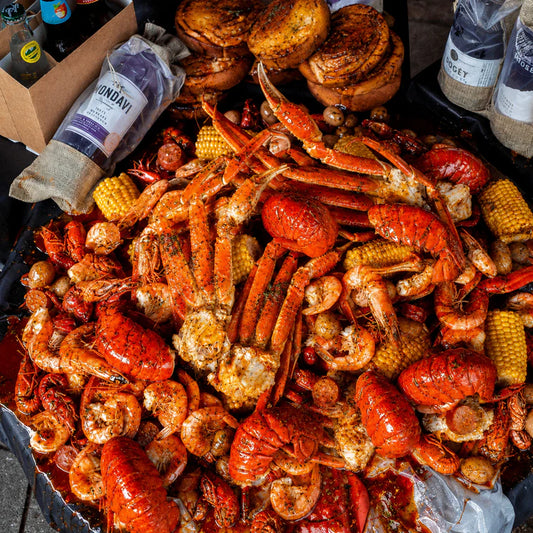
Boil Baby Boil brings Cajun seafood boil catering to Los Angeles weddings, with shrimp, snow crab, crawfish, corn and potatoes in garlic butter or Cajun sauce as a fun, shareable alternative to a plated dinner. Order online at boilbabyboil.com for delivery to venues across LA or pickup in West Hollywood for receptions, after parties and welcome dinners.
Why a Seafood Boil Works for Los Angeles Weddings
The communal, celebration-forward vibe
A seafood boil transforms the traditional sit-down wedding meal into an interactive, hands-on celebration that breaks down formality and invites genuine connection. Guests gather around communal tables lined with butcher paper, cracking shells, sharing sauces, and laughing together—creating the kind of candid, joyful moments couples want to remember. According to The Knot, 67% of couples in 2023 prioritized guest experience and memorable food over conventional plated service, and a seafood boil delivers exactly that energy. The casual, tactile nature encourages mingling across family lines and friend groups, turning strangers into tablemates who bond over drawn butter and perfectly seasoned shrimp. For LA couples seeking something authentic and Instagram-worthy without feeling staged, a seafood boil hits the mark.
Perfect for LA's outdoor venues and microclimates
Los Angeles boasts more than 280 sunny days per year, according to the National Weather Service, and couples take full advantage with rooftop terraces in Downtown LA, garden estates in Malibu, and beachfront venues in Santa Monica. A seafood boil thrives in these open-air settings where steam, aromas, and propane burners integrate naturally without overwhelming indoor ventilation systems. LA's microclimates—cool coastal breezes in Venice, warm valleys in Pasadena—mean caterers can adjust timing and service styles for comfort. Evening receptions in West Hollywood or Brentwood courtyards benefit from the theater of live boiling stations, while daytime events in Culver City can pre-cook proteins and focus on plated presentation.
Locally minded and seasonally fresh
Southern California's proximity to the Pacific and year-round harvest from Dungeness crab (November through June) to spot prawns (late spring) aligns perfectly with farm-to-table values many LA couples hold. The California Department of Fish and Wildlife tracks commercial landings, and local caterers like Boil Baby Boil source directly from Santa Monica Seafood and other trusted distributors to guarantee traceability. Seasonal menus reduce carbon footprint, support regional fisheries, and taste better—guests notice the difference between live, day-boat catch and frozen imports. Incorporating California-grown corn, Oxnard strawberries for dessert, and Ventura County citrus in cocktails reinforces a distinctly West Coast identity for your big day.
Choosing the Seafood: Local, Seasonal, Sustainable
Building a wedding seafood boil menu in Los Angeles starts with selecting proteins that deliver both flavor and integrity. The choices you make will shape your guests' experience, your budget, and your environmental footprint. Fortunately, LA's proximity to the Pacific and established networks to Gulf and Atlantic fisheries give couples and caterers unparalleled access to premium, traceable seafood.
Core boil proteins and smart substitutions
Classic seafood boil anchors include snow crab, Dungeness crab, king crab legs, Gulf or Maine lobster, head-on shrimp (16/20 or 21/25 count), crawfish (seasonal, typically February through June), mussels, and clams. According to the National Oceanic and Atmospheric Administration (NOAA), Dungeness crab harvested off California's coast peaks November through June, making it an ideal local choice for spring and early summer weddings. If king crab prices spike or crawfish are out of season, substitute with extra snow crab clusters, spot prawns (April–October from California waters), or black mussels from Baja and Central Coast farms. Andouille sausage, corn, red potatoes, and garlic round out the pot and stretch portions without sacrificing tradition.
Sourcing with confidence in Los Angeles
Los Angeles is home to trusted wholesale and retail seafood purveyors, many operating out of the Downtown LA Fashion District, San Pedro's waterfront, and Santa Monica Seafood's certified processing facilities. Santa Monica Seafood, the largest seafood distributor on the West Coast, offers traceability reports and can supply caterers with Marine Stewardship Council (MSC)-certified crab and shrimp. For smaller-scale or same-day needs, the Port of Los Angeles and San Pedro Fish Market provide direct access to day-boat catches. Always ask your caterer for supplier documentation, cold-chain certifications, and harvest dates—especially critical during summer heat waves when shellfish spoilage accelerates.
Sustainability signals to look for
Look for seafood bearing third-party eco-labels: MSC (wild-caught), Aquaculture Stewardship Council (ASC) for farmed shrimp and mussels, and Monterey Bay Aquarium Seafood Watch "Best Choice" or "Good Alternative" ratings. The NOAA Fisheries FishWatch program publishes detailed sustainability profiles for domestic species, including Pacific Dungeness crab and Gulf brown shrimp. Avoid imported warm-water shrimp without ASC certification, as practices vary widely. Prioritize domestic or Canadian sources, and confirm your caterer rotates selections based on seasonal abundance. Transparent sourcing not only honors marine ecosystems—it signals to guests that your celebration aligns with values many Angelenos hold dear.
Flavor Profiles and LA-Inspired Twists
Once you've locked in your seafood, the next decision shapes the entire guest experience: which flavor profile will anchor your boil? Los Angeles wedding catering embraces heat, smoke, tang, and butter in equal measure, and a seafood boil offers the ideal canvas to honor tradition while weaving in local tastes and global influences that reflect LA's multicultural dining scene.
Cajun/Creole heat
Classic Cajun and Creole boils deliver bold, peppery warmth from cayenne, paprika, garlic, and bay. Expect shells slick with cayenne butter, potatoes tinged red, and corn cobs spiked with heat. For a wedding, most caterers offer a two- or three-tier heat scale so guests choose mild, medium, or "bring-the-fire" intensity. This style shines in communal pours and pairs beautifully with cold beer, sweet tea, or sparkling lemonade. If your crowd skews adventurous, lean into Louisiana tradition; if it's mixed, keep the base mild and offer hot-sauce caddies on every table.
Lowcountry & Chesapeake classics
Lowcountry boils from South Carolina and Georgia favor Old Bay, lemon, smoked sausage, and a gentler spice profile. Chesapeake crab feasts double down on malt vinegar and mustard-seed blends. Both styles feel approachable, a bit less fiery, and deeply rooted in American coastal heritage. They work especially well for daytime or garden weddings in Santa Monica or Brentwood, where guests want bold flavor without intense heat. Consider adding peel-and-eat shrimp tossed in Old Bay as a passed appetizer before the main boil hits the tables.
West Coast and Asian-fusion approaches
Los Angeles caterers increasingly fuse boil technique with miso butter, ginger-scallion oil, lemongrass, Thai basil, Szechuan peppercorns, or yuzu. These Pacific Rim twists honor the city's Vietnamese, Korean, and Japanese neighborhoods and give your wedding menu a signature LA edge. Pair West Coast Dungeness crab with garlic-chili butter and cilantro, or finish shrimp with toasted sesame and lime. For maximum impact, offer a split boil: half Cajun, half Asian-fusion, so guests sample both traditions side by side.
When planning flavors at scale, explore options through Boil Baby Boil's commercial catering collection, which showcases customizable spice levels, butter blends, and portion packages designed for large LA events. Working with an experienced caterer ensures your chosen profile translates consistently across every pot.
Allergen- and heat-level planning
Shellfish, gluten (in sausage or seasonings), dairy (in butter sauces), and nightshade peppers are the primary allergen and sensitivity concerns. Communicate clearly with your caterer about labeled stations, separate prep zones, and alternative proteins—grilled chicken thighs, roasted vegetable medleys, or fish fillets—for guests who cannot eat crustaceans. Heat tolerance varies widely; always default to a medium baseline and empower guests to add heat via condiments. Print small tent cards at each station noting spice level, major allergens, and whether dishes contain gluten or dairy, ensuring everyone feels safe and included on your big day.
Menu Planning and a Sample Boil for 100–150 Guests
Building a complete wedding menu around a seafood boil means looking beyond the pot. Los Angeles couples planning for 100–150 guests need a balanced spread that satisfies diverse appetites while maintaining the laid-back, celebratory spirit of a boil. Most caterers recommend anchoring your timeline with the boil as the main event, then layering in complementary courses that honor both tradition and your guests' needs.
Beyond the pot: sides, starters, and sauces
Classic sides elevate the boil without competing for attention. Cornbread, coleslaw, hushpuppies, and roasted corn are Southern staples that pair naturally with Cajun spice. For a California twist, consider grilled artichokes, citrus-dressed fennel slaw, or garlic-butter sourdough. Starters keep guests engaged during service: raw oysters on ice, ceviche cups, or shrimp cocktail all work well in LA's climate. Sauce variety is essential—offer traditional Cajun butter, garlic aioli, lemon-herb, and a mild option for heat-sensitive guests. According to the USDA ChooseMyPlate guidelines, balancing protein with vegetables and whole grains supports guest satisfaction and dietary quality across a long reception.
Dietary inclusions
Not every guest eats shellfish. Plan dedicated alternatives: grilled chicken thighs, andouille sausage, or blackened salmon provide satisfying protein without cross-contact risk. For vegetarians, smoked portobello mushrooms, seasoned potatoes, and grilled vegetables can mirror the boil's flavor profile. The Food Allergy Research & Education (FARE) organization notes that shellfish allergies affect approximately 2% of U.S. adults, making separate prep zones and clear labeling critical. Work with your caterer to confirm allergen protocols, especially for crustacean and molluscan shellfish, which are among the FDA's nine major allergens.
Beverage pairings
Light, refreshing drinks cut through rich, spiced seafood. California white wines—Sauvignon Blanc, Albariño, or unoaked Chardonnay—complement boil flavors without overwhelming delicate crab or shrimp. For beer, pilsners, wheat ales, and hoppy IPAs are crowd favorites. Signature cocktails like bourbon lemonade, blood orange margaritas, or a sparkling aperol spritz add personality. Always offer robust non-alcoholic options: iced tea, lemonade, and sparkling water with citrus keep the vibe inclusive.
Sample quantities (approximate for 120 adults)
For 120 guests, plan approximately 180–240 pounds of shell-on seafood total: 80–100 pounds snow crab legs, 50–60 pounds large shrimp (16/20 count), 30–40 pounds crawfish (when in season), plus 20–30 pounds andouille sausage, 40 pounds small red potatoes, and 30 ears of corn. Budget 2–3 pieces of cornbread per person and 1.5 ounces of compound butter per guest. These estimates assume a seafood boil as the primary entrée with moderate sides; adjust upward if serving a lighter first course or if your crowd leans toward hearty appetites.
Service Styles and Guest Experience
The way seafood reaches your guests shapes their entire evening. Los Angeles wedding catering for a seafood boil offers several service models, each balancing theater, hands-on fun, and logistical flow. Choose based on your venue layout, guest count, formality level, and how messy you're willing to let things get.
Family-style table pours
Family-style pours are the heart of a classic boil. Caterers line each table with butcher paper, then pour a steaming mound of crab legs, shrimp, sausage, corn, and potatoes directly onto the center. Guests crack, peel, and share—no plates, just communal joy. This approach works beautifully for intimate weddings of 50–120 guests seated at long farm tables or rounds, and it's especially popular at Los Angeles venues with rustic charm like Heritage Square Museum or Calamigos Ranch. According to the International Live Events Association, family-style service increases guest interaction time by 20–30% compared to plated meals. Expect caterers to deliver fresh batches in waves so seafood stays hot, and budget 1.5–2 pounds of seafood per guest plus sides.
Chef-attended stations or buffet
Stations let guests customize spice levels, proteins, and sauces. A chef-attended boil pot can simmer live, with staff ladling portions into individual baskets or bags. Buffet-style setups display chilled shrimp, pre-cracked crab, corn, and sausage in chafing dishes, with squeeze bottles of Cajun butter and lemon wedges. This model suits cocktail receptions or larger weddings (150+) where line flow matters. The National Restaurant Association's ServSafe program mandates hot seafood hold at 135°F or above; chilled items must stay below 41°F to prevent bacterial growth. Stations also simplify dietary accommodations: shellfish-free guests can access grilled chicken or andouille sausage on the same line.
Plated or hybrid options
For black-tie or formal LA weddings, plated seafood boil components offer elegance without sacrificing flavor. Servers deliver individual portions—half a lobster tail, six jumbo shrimp, a corn cob, and fingerling potatoes—arranged on parchment or ceramic. Hybrid models start with a plated salad or appetizer, transition to family-style boil mains, then close with plated dessert. The WeddingWire 2023 Newlywed Report found 38% of couples mixing service styles to balance formality and guest comfort. Plating reduces mess and guarantees portion control, but it sacrifices the tactile, communal magic that defines a boil.
Staffing and flow
Plan one server per 15–20 guests for family-style pours, one chef per 50 guests at live stations, and one server per 25 for plated service. Include dedicated runners to clear shells, replenish bibs and wet wipes, and manage trash stations. The National Association for Catering and Events recommends staggering seating by table or section to prevent kitchen bottlenecks. For a 120-guest boil in West Hollywood or Beverly Hills, budget 6–8 service staff, 2 chefs, 1 expediter, and 1 waste coordinator. Flow improves when tables are called by number, music transitions signal course changes, and clear signage directs guests to handwashing stations.
Logistics, Safety, and Venue Compliance
A seafood boil creates a celebratory atmosphere, but success depends on managing equipment, regulations, and food safety protocols behind the scenes. Los Angeles County enforces strict health codes and fire safety rules, and many private venues layer on additional restrictions. Securing the right permits, working with a licensed caterer, and planning for contingencies protects both your guests and your investment.
Equipment and fuel
Most outdoor boils rely on propane burners rated at 50,000–100,000 BTU, often mounted on portable stands or trailer rigs. The Los Angeles County Fire Department requires that propane cylinders be stored upright, secured, and inspected annually; tanks larger than 20 pounds may need a separate permit. Indoor venues typically prohibit open-flame cooking, so electric boil kettles or adjacent kitchen prep become necessary workarounds. Caterers should confirm amperage capacity with the venue and bring backup burners, igniters, and extension cords rated for outdoor use. Water access is critical—plan for at least two large sinks or a dedicated wash station for shellfish prep and cleanup.
Permits and restrictions
Under LA County Environmental Health regulations, any caterer serving food to more than 50 people must hold a valid health permit and use a commissary kitchen. Temporary food facilities (TFFs) require submission at least seven business days in advance. Venues in coastal zones—Santa Monica, Malibu, Manhattan Beach—may require California Coastal Commission approval if the event affects public access or uses parkland. Fire permits are mandatory when propane exceeds 200 cubic feet, and many hotel venues ban open flame entirely, requiring electric alternatives. Always request a copy of the venue's insurance and indemnification requirements; some demand that caterers carry $2 million general liability naming the property as an additional insured.
Food safety and shellfish handling
Shellfish must be received cold (below 41°F), tagged with harvest dates and lot numbers, and displayed for inspection per FDA National Shellfish Sanitation Program guidelines. California requires that all live shellfish be purchased from certified dealers listed on the Interstate Certified Shellfish Shippers List. Cook to an internal temperature of 145°F—crabs and lobsters should reach bright red shells and opaque meat. Boiled seafood enters the USDA danger zone within two hours at room temperature, so hot-hold equipment or immediate service is essential. Staff should wash hands with soap for at least 20 seconds and use separate tongs for raw and cooked proteins to prevent cross-contamination.
Allergens and waste
Crustacean shellfish—crab, shrimp, lobster, crawfish—rank among the FDA's top nine major allergens, responsible for nearly 20 percent of food-allergy-related emergency-room visits. Clearly label all dishes, brief servers on ingredients, and offer a dedicated allergen-free station with grilled chicken, sausage, and vegetables prepared using separate utensils. Waste planning is equally important: a boil for 150 guests generates 30–50 pounds of shells, corn cobs, and paper goods. Work with the venue to arrange extra dumpsters or compost bins; Los Angeles Mandatory Organics Recycling (SB 1383) requires venues to separate food scraps from landfill trash. Some caterers partner with local shellfish-composting programs or donate shells to community gardens for calcium amendment.
Budgeting and Timeline Essentials
Per-person portions and cost drivers
Seafood boil pricing typically ranges from $45 to $95 per guest in Los Angeles, depending on protein selection and service style. A classic mix—one pound of shrimp, half a pound of snow crab, and half a pound of crawfish per person—lands around $55 to $70 per head when catered. Premium proteins drive costs sharply upward: substituting king crab legs or whole lobsters can push per-person totals to $85 or higher. Seasonal availability matters, too; crawfish prices peak outside Louisiana's spring season, while Dungeness crab from Northern California is most affordable November through May, according to the California Department of Fish and Wildlife.
Beyond protein, consider sides, sauces, bibs, and labor. Family-style table pours require more hands-on staffing than buffet lines, typically adding $20 to $30 per server for a four-hour event. Beverage pairings, specialty sauces, and dessert courses contribute another $8 to $15 per guest. Always request itemized proposals that separate seafood, labor, equipment rental, and service fees to identify the true cost drivers and negotiate effectively.
Hidden and variable costs
Permit fees for propane use, waste disposal surcharges for shellfish shells, and venue-specific insurance riders often appear late in planning. Some Los Angeles venues impose commissary kitchen fees or require certified fire marshals for outdoor cooking, adding $200 to $800 to your bottom line. Delivery and setup windows matter financially: tight load-in schedules or multi-story venue access can trigger overtime labor charges. If your caterer sources seafood same-day or requires refrigerated truck rental to maintain cold-chain integrity during summer heat, expect a $150 to $400 premium, particularly for events in inland LA neighborhoods like Woodland Hills or Pasadena.
Price-lock clauses protect against market volatility. Crab and lobster prices can swing 30 percent or more between contract signing and your wedding date. Reputable caterers offer substitution clauses—locking in a per-pound budget but allowing species flexibility—or require final counts and menu confirmation 10 to 14 days out, when spot prices stabilize.
Run-of-show timeline
Plan a 90-minute cook window before service. Live seafood arrives chilled two to four hours prior, then boils in batches to ensure peak doneness. For a 6 p.m. dinner start, caterers typically begin setup at 2:30 p.m., fire burners by 4 p.m., and plate or pour the first tables by 6:15 p.m. Stagger service across multiple pots if your guest count exceeds 100, releasing tables every 15 minutes to prevent long waits and maintain food temperature.
Coordinate your run-of-show with toasts, cake cutting, and dancing. A seafood boil works best as the main event, served before formalities, so guests can relax, crack shells, and linger. Budget 60 to 75 minutes of active eating time, followed by a 20-minute reset before dessert or dancing begins.
How to Choose the Right Los Angeles Caterer
Once you've budgeted and mapped your timeline, vetting caterers becomes your most critical decision. Los Angeles hosts hundreds of catering companies, but only a fraction have meaningful seafood-boil expertise—and fewer still can execute it safely and elegantly at a wedding. The right partner transforms a risky novelty into a smooth, memorable centerpiece; the wrong one can sink your day in logistical chaos or food-safety violations.
Credentials and experience
Confirm the caterer holds a valid Los Angeles County Department of Public Health food-facility permit and commercial general-liability insurance of at least $1 million. Ask specifically how many seafood boils they've catered in the past 12 months—not just seafood in general—and request photo documentation from weddings of similar size. Caterers experienced with shellfish understand HACCP cold-chain protocols, allergen segregation, and time-temperature control for safety. If they hesitate to detail cooling logs or supplier traceability, keep looking. Membership in the Catersource Association or references from planners at The Beverly Hills Hotel, Smog Shoppe, or The Ebell of Los Angeles add credibility.
Tastings and proposals
Insist on a paid tasting that mirrors your event's protein mix, spice blend, and service style. A professional proposal should itemize per-head cost, staffing ratios, rental needs, setup/breakdown windows, and cancellation terms. Request a second tasting of sides—cornbread, potatoes, sausage—since they're often rushed or outsourced. Compare at least three detailed bids, not just bottom-line numbers, to spot hidden fees like corking, cake-cutting, or overtime.
Contract clarity
Your contract must specify final guest count deadline, payment schedule, force-majeure language, and liability for equipment damage or venue fines. Insist on named seafood suppliers or "equivalent quality" clauses to prevent last-minute bait-and-switch. Clarify who owns leftover shellfish and how waste disposal is handled—many LA venues fine caterers who breach grease or shell-disposal rules. Review indemnity clauses with your planner or attorney, and confirm the caterer carries workers' compensation if they bring staff onto private property.
FAQs: Wedding catering Los Angeles seafood boil
Can a seafood boil work in an indoor LA venue?
Yes, with proper ventilation and equipment. Most indoor venues in Los Angeles permit seafood boils if steam is vented through commercial kitchen hoods or exhaust systems, and propane burners meet fire codes. The Los Angeles County Department of Public Health requires that all cooking equipment meet local health and safety standards. Your caterer should coordinate with venue management at least six weeks prior to confirm electrical capacity, exhaust capabilities, and flooring protection. Many ballrooms and event spaces in West Hollywood, Beverly Hills, and Santa Monica accommodate boils by setting up near service kitchens or loading docks with dedicated exhaust fans. If your venue lacks ventilation, consider pre-cooking the boil off-site and transporting it in insulated cambros that maintain temperature above 140°F, as recommended by the FDA's safe food handling guidelines.
What if many guests don't eat shellfish?
Offer a parallel protein station with andouille sausage, chicken thighs, or blackened salmon prepared in separate pots to avoid cross-contact. According to Food Allergy Research & Education, approximately 2% of U.S. adults have shellfish allergies, so planning non-shellfish options ensures inclusivity. Many Los Angeles caterers specializing in seafood boils build dual menus featuring Cajun-spiced pork ribs, grilled tri-tip, or vegetarian jambalaya with the same sides—corn, potatoes, and garlic bread—so dietary-restricted guests enjoy the same communal vibe. Clearly label all dishes at buffet stations and train servers to answer allergen questions confidently.
How messy is it, and what about attire?
Seafood boils are inherently hands-on, but you can manage mess with disposable bibs, wet wipes, and strategic tablecloth choices. The traditional Cajun experience involves newspaper-lined tables and shell piles, which may clash with formal wedding attire. Many Los Angeles couples schedule the boil as a rehearsal dinner or late-night snack after the couple changes into casual reception wear. If you want a refined presentation, ask your caterer to pre-crack crab legs, serve shrimp peeled, and plate portions on compostable trays instead of dumping them on tables. Provide individual finger bowls with lemon water and linen napkins to elevate the experience while preserving authenticity.
How do you keep seafood fresh during a heat wave?
Los Angeles summer temperatures routinely exceed 90°F, so cold-chain management is critical. The FDA recommends keeping raw shellfish below 40°F until cooking and serving hot foods above 140°F. Your caterer should transport live seafood in refrigerated trucks, use ice baths or coolers for storage on-site, and cook in batches timed to service windows. For outdoor weddings in Century City or Culver City, rent shaded prep tents and portable refrigeration units. According to the National Oceanic and Atmospheric Administration, sourcing seafood the morning of your event from verified Los Angeles wholesalers ensures peak freshness. Boil Baby Boil and similar local providers often coordinate same-day deliveries to minimize time-temperature abuse.
Can we avoid crab/lobster if prices spike?
Absolutely. Snow crab and lobster prices fluctuate due to seasonal quotas and global supply, sometimes exceeding $25 per pound retail. Substitute with head-on shrimp, crawfish when in season (typically February through May), or clams and mussels, which the NOAA FishWatch lists as abundant and affordable. A boil featuring Gulf shrimp, andouille, and Blue Bay mussels can cost 30–40% less per guest while delivering bold Cajun flavor. Discuss flexible protein clauses in your catering contract so your vendor can pivot if market rates spike closer to your wedding date. Many Los Angeles caterers lock in prices 90 days out but allow substitutions of equivalent quality and weight.
What permits might be needed for propane?
Propane burners require permits from the Los Angeles Fire Department if used in public venues or outdoor spaces under LAFD jurisdiction. The department mandates that all liquefied petroleum gas equipment meet NFPA 58 standards and that operators maintain clearances of at least ten feet from structures and guests. Your caterer should file for a temporary use permit at least two weeks before your event, providing proof of equipment inspection and liability insurance. Some city parks in Santa Monica and Beverly Hills ban open-flame cooking entirely, so verify local ordinances early. If propane is prohibited, electric induction burners rated for high-volume cooking offer a compliant alternative, though boil capacity may be reduced.
Next Steps Checklist
You've explored how a seafood boil can transform your Los Angeles wedding into a memorable, flavorful celebration. Now it's time to turn inspiration into action. Follow this step-by-step checklist to move confidently from vision to execution, ensuring every detail—from budget to backup plan—is locked down before your big day.
Define your vision and budget
Start by answering three core questions: What atmosphere do you want your guests to feel? How many people will you feed? And what can you realistically spend per person? A Cajun-spiced boil for 120 guests under bistro lights in Santa Monica carries different cost drivers than a plated hybrid menu in a Beverly Hills ballroom. According to The Knot Real Weddings Study, the average Los Angeles wedding spends $300–$400 per guest on catering, but a seafood boil can flex from $65 to $150+ depending on protein choice, sides, service style, and bar. Write down your must-haves—live crab, chef-attended stations, allergen-friendly proteins—and separate them from nice-to-haves. This clarity will guide every conversation with caterers and keep scope creep in check.
Shortlist and vet caterers
Request proposals from at least three Los Angeles caterers experienced in seafood boil formats. Ask for client references, health permits, liability insurance, and photos from similar-scale events. Schedule tastings to evaluate spice balance, texture, and sauce variety. Confirm they source from reputable suppliers—many cite Santa Monica Seafood or Water2Table—and ask how they handle last-minute shellfish pricing spikes. Review contracts for inclusions: staffing ratios, cleanup, rentals, and cancellation terms. If your venue is in West Hollywood or Culver City, verify the caterer knows local fire codes and propane restrictions.
Align with venue and rentals
Share your caterer's technical rider with your venue coordinator at least 90 days out. Confirm electrical capacity for burners, water access for rinsing, and waste disposal for shells and corn husks. If your venue prohibits open flame, ensure your caterer has electric or induction alternatives. Coordinate with your rental company on butcher-paper-topped tables, bibs, mallet baskets, and hand-wash stations. Outdoor venues in Brentwood or Century City may require tents, fans, or heaters depending on season.
Lock the plan and contingencies
Finalize your menu, head count, and timeline 30 days before the wedding. Build contingencies for weather—pop-up canopies, portable AC units—and supply shocks, like substituting Dungeness crab if snow crab prices surge. Confirm your caterer's day-of contact, load-in window, and cleanup protocol. Print a one-page run-of-show for your planner, venue, and catering captain. With every detail documented and every backup ready, you'll walk into your seafood boil wedding with confidence—and your guests will leave with full bellies and lasting memories.