Wedding Catering, Caterer Service Near Me That Guests Rave About
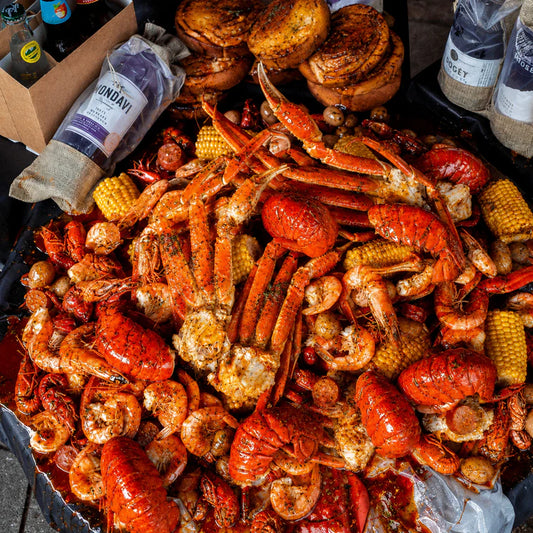
For a wedding caterer near you that guests rave about, Boil Baby Boil in West Hollywood serves Cajun seafood boils of shrimp, snow crab, crawfish, corn and potatoes plus lobster rolls and beignets, a memorable, shareable alternative to plated dinners. Book wedding catering at boilbabyboil.com for delivery to venues across Los Angeles.
What "rave‑worthy" wedding catering really means
The experience beyond the plate
When guests rave about wedding catering, they're remembering more than just the food. According to the WeddingWire Newlywed Report, couples who prioritize exceptional service—attentive staff, seamless timing, and thoughtful presentation—receive 40% more positive guest feedback than those who focus on menu alone. Rave-worthy catering weaves together flavor, hospitality, and atmosphere: servers who refill drinks before glasses empty, chefs who plate dishes with care, and coordinators who quietly solve problems before couples notice.
Great caterers also honor the couple's story. Whether that's a Cajun seafood boil reflecting New Orleans roots or lobster rolls served during cocktail hour because you met in Maine, personal touches transform dinner into memory. Boil Baby Boil has catered West Hollywood and Beverly Hills weddings where crawfish and cornbread became conversation starters, turning strangers into friends over shared butter-dipped shrimp.
Matching menu, service style, and venue logistics
Menu brilliance means nothing if service style clashes with your venue. A formal plated dinner demands precise kitchen access and holding equipment; family-style feasts need table space and coordinated courses; buffets require traffic flow planning. The Special Event trade association notes that 60% of catering mishaps stem from logistics mismatches—not food quality.
Ask candidates how they adapt. Can they execute a seafood boil in a backyard without full kitchen facilities? Do they bring backup generators for outdoor summer receptions in Century City? Will staff arrive early to coordinate with your venue manager? Trusted Los Angeles caterers scout locations beforehand, confirm power and water access, and build contingency plans for everything from August heat to unexpected guest counts.
How to choose a wedding caterer service near me
Finding the right wedding caterer in Los Angeles means balancing culinary excellence with flawless logistics. Whether you're planning a rooftop celebration in West Hollywood or an intimate garden reception in Santa Monica, the caterer you choose will shape your guests' entire experience. Start by evaluating their menu flexibility, customization process, and operational capabilities—three pillars that separate memorable events from mediocre ones.
Menu versatility and dietary needs covered safely
Today's wedding guests arrive with diverse dietary requirements, from gluten-free and dairy-free to vegan, kosher, halal, and allergen-specific needs. According to Food Allergy Research & Education (FARE), roughly 32 million Americans live with food allergies, making safe menu planning essential. When vetting caterers near you, ask how they handle allergen protocols—cross-contamination prevention, ingredient sourcing transparency, and staff training matter as much as the recipes themselves.
A versatile caterer should offer modular menu options that accommodate restrictions without isolating guests. For example, a seafood-forward spread like Boil Baby Boil's catering menu can easily swap Cajun butter for dairy-free alternatives or substitute shrimp and lobster with grilled vegetables for plant-based guests. Ask prospective caterers for sample menus they've executed with multiple dietary modifications—this reveals both creativity and operational discipline.
Request documented food safety certifications and inquire about kitchen practices. The FDA's Food Safety Modernization Act (FSMA) sets preventive controls for commercial kitchens, and reputable caterers maintain rigorous compliance. In Los Angeles County, caterers must hold valid health permits from the Los Angeles County Department of Public Health, which you can verify online before signing any contract.
Tastings and customization workflow
Professional tastings reveal more than flavor—they expose a caterer's attention to detail, communication style, and willingness to collaborate. Most Los Angeles wedding caterers offer complimentary or modestly priced tastings once you're seriously considering their services. Schedule these at least six to nine months before your wedding date to allow ample time for menu refinement and vendor coordination.
During your tasting, bring your planner or a trusted family member and evaluate presentation, portion sizes, temperature consistency, and how dishes hold up over time—mimicking real reception conditions. Ask the chef to walk you through ingredient sourcing; caterers who partner with local suppliers like the Santa Monica Farmers Market or sustainable seafood vendors often deliver fresher, more vibrant plates. Don't hesitate to request modifications: swap sauces, adjust spice levels, or incorporate family recipes that honor your heritage.
A transparent customization workflow includes written proposals detailing every dish, service element, and cost breakout. The caterer should outline revision rounds, final menu lock dates (typically 30
Smart budgeting for wedding catering (without sacrificing delight)
Pricing models and what's typically included
Most wedding caterers quote either per-person pricing or tiered packages, and understanding what's bundled versus what costs extra helps you compare proposals accurately. According to The Knot 2023 Real Weddings Study, the average couple in the United States spends approximately $75 per guest on catering, though pricing in Los Angeles typically runs higher due to labor costs, permit requirements, and premium local ingredients. A per-person quote usually includes entrées, sides, non-alcoholic beverages, disposable serviceware, and basic setup labor. Premium packages may bundle buffet stations, plated service with servers, china and glassware, and breakdown.
Items not always included—and which inflate final invoices—are bar service and alcohol, specialty linens, upgraded rentals (chiavari chairs, specialty flatware), cake cutting fees, late-night snacks, additional service hours, and gratuity. Many caterers also charge separately for tastings, event coordination beyond the meal, and permits required by Los Angeles County's Environmental Health Department. For seafood-forward menus like those from Boil Baby Boil, confirm whether market-price adjustments apply if crab or lobster costs spike between contract signing and your event date.
Quality‑first ways to stretch your budget
Choose a streamlined service style that matches your venue and guest count. Family-style or buffet service typically costs 20–30% less than plated dinners because you need fewer servers, and guests appreciate the interactive, communal vibe. Opt for seasonal, regional ingredients; a summer wedding catering menu starring California farmers' market produce and Gulf shrimp costs less—and tastes fresher—than imported December asparagus. If you dream of lobster or crab legs, feature them in one signature dish or late-night bite rather than across every course.
Limit your bar to beer, wine, and one signature cocktail instead of a full open bar, which can consume 30–40% of your catering budget. Consider a brunch or lunch reception; daytime events generally cost less per person and guests consume less alcohol. Partner with a caterer service near you that owns its own kitchen and equipment, cutting rental markups. Finally, ask if off-peak dates (Friday evenings, Sunday afternoons, or January through March) unlock discounted rates or waived fees, a common practice among Los Angeles caterers eager to fill quieter calendar slots.
Vetting local wedding caterers with confidence
Once you've set your budget, the real detective work begins: separating caterers who deliver unforgettable experiences from those who simply fill plates. Los Angeles offers hundreds of wedding catering options, so a disciplined vetting process saves both time and heartache.
Shortlisting from reviews and real weddings
Start by reading Google reviews, Yelp testimonials, and wedding-specific platforms like The Knot or WeddingWire, filtering for mentions of responsiveness, food quality on the actual day, and how staff handled last-minute changes. According to The Knot 2023 Real Weddings Study, 87% of couples consult online reviews before booking any wedding vendor. Look for patterns: if three couples mention lukewarm entrées or a missing dessert course, that's a trend, not a fluke.
Ask your venue coordinator or wedding planner for their shortlist of reliable caterers who know the space's kitchen capabilities, load-in procedures, and permit requirements. Venues often maintain preferred lists of caterers who've proven they can execute flawlessly under pressure. Request portfolio galleries showing real weddings—not just styled shoots—to see plating consistency, buffet flow, and station setups in action.
Essential questions for discovery calls and tastings
Before you commit to a tasting, phone or video-call each shortlisted caterer. Ask how many events they handle per weekend during peak season; a company juggling six weddings on the same Saturday may stretch kitchen and service teams too thin. Confirm their liability insurance limits (most venues require $1–2 million general liability) and whether they hold current health permits from the Los Angeles County Department of Public Health.
During the tasting, taste dishes at the temperature guests will receive them—buffet items sit under chafing fuel, plated entrées rest under heat lamps. Ask which ingredients are prepared on-site versus reheated, and request to see the actual china, glassware, and linens included in your package tier. The FDA's safe food-handling guidelines recommend hot foods stay above 140°F and cold items below 40°F; a professional caterer will explain their holding and transport protocols without hesitation.
Clarify the staffing ratio: the International Caterers Association suggests one server per 15–20 guests for plated dinners, one per 25–30 for buffets. Confirm whether the executive chef or sous chef will be on-site, or if a junior cook will execute your custom menu for the first time at your wedding.
Red flags to avoid
Walk away if a caterer refuses to provide references from weddings held in the past six months, dodges questions about their cancellation or rescheduling policy, or pressures you to sign a contract before the tasting. Vague line items—"service fees," "coordination," or "miscellaneous"—without itemized breakdowns often hide markups or
Menu ideas guests love right now
Interactive chef stations that double as entertainment
Live-action chef stations transform wedding catering into theatre. A seafood boil station where guests watch Louisiana-style crawfish, snow crab, and shrimp tumble into custom spice blends creates unforgettable moments—and Instagram content your wedding planner will love. According to The Knot's wedding trend reports, interactive stations rank among the top three guest satisfaction drivers at receptions.
Oyster-shucking bars, build-your-own lobster roll counters, and flambé dessert carts give guests agency and conversation starters. Los Angeles wedding caterers like Boil Baby Boil bring portable burners and skilled chefs to West Hollywood, Beverly Hills, and Santa Monica venues, ensuring food safety and proper temperature control. The ServSafe guidelines require hot-held seafood to remain above 135°F, so verify your caterer's setup includes commercial-grade equipment and certified staff.
Stations work especially well for 100+ guest counts, reducing wait times and distributing foot traffic naturally across your venue.
Cultural and regional inspirations (done respectfully)
Authenticity matters when showcasing cultural cuisines at your wedding. If you're honoring Cajun heritage, partner with caterers who source Louisiana crawfish seasonally (typically January through June, per LSU AgCenter data) and use traditional spice ratios. Fusion menus require research—consult family members, hire cultural consultants, or work with chefs from the communities you're celebrating.
Los Angeles's diversity invites Korean-Cajun shrimp boils, Baja fish taco bars, or Mediterranean mezze spreads. The key is intentionality: label dishes accurately, train servers on pronunciation and ingredients, and credit the cuisine's origins in your menu cards. Events Industry Council standards recommend cultural competency training for catering teams serving diverse guest lists.
Regional inspiration can be hyperlocal, too. Santa Monica farmers' market produce, California spot prawns (in season April–November), and locally baked cornbread showcase LA terroir without appropriation concerns.
Late‑night bites and signature sips
Guest energy dips around 10 p.m., making late-night catering a strategic investment. Comfort foods—mini lobster rolls, Cajun fries, beignets dusted with powdered sugar—fuel dancing and extend the celebration. Research from WeddingWire
Timeline: booking and prepping your wedding catering
If you're planning a micro-wedding, weekday celebration, or off-season date, you may find availability 4–6 months out. For same-day or week-of inquiries, reach out to flexible operators like Boil Baby Boil, which offers same-day seafood catering when schedules permit across West Hollywood, Beverly Hills, and surrounding LA neighborhoods. Even with short notice, confirm headcount, venue access, and dietary restrictions immediately to streamline preparation.
Always request a tasting at least three months before your event—California health codes require advance notice for allergen planning, and this window gives your caterer time to source specialty ingredients or coordinate with venue kitchens.
How many servers and bartenders do I need?
The California Restaurant Association recommends one server per 15–20 guests for plated or family-style service, and one per 25–30 for buffet setups. For passed hors d'oeuvres or multi-course dinners, increase to one server per 12–15 guests to maintain smooth timing and attentive tableside service. Bartenders should follow a 1:50 ratio during cocktail hour and 1:75 during dinner service when bar traffic slows.
Interactive stations—like a seafood boil bar or live oyster shucking—require dedicated attendants. At a 150-guest wedding in Century City, assigning two servers to manage a Cajun seafood station kept lines short and kept bibs, melted butter, and cornbread flowing. Plan one additional floater for every 100 guests to handle drink refills, clear plates, and answer questions.
Verify whether your caterer includes labor in the quote. Some Los Angeles vendors itemize server and bartender fees separately, while all-inclusive packages bundle staffing, setup, and breakdown. Ask if gratuity is pre-added or expected on-site, and confirm overtime rates if your reception extends past the contracted window.
Can my caterer manage allergies and prevent cross‑contamination?
Professional wedding caterers must follow FDA Food Code guidelines and California Health and Safety Code Section 113700, which mandate allergen awareness training and separate prep protocols for the Big Nine allergens: milk, eggs, fish, shellfish, tree nuts, peanuts, wheat, soybeans, and sesame. Request written allergen documentation during your tasting—reputable caterers maintain ingredient lists and can flag shared equipment or cross-contact risks.
For guests with severe allergies or celiac disease, ask your caterer to prepare individually plated meals in a dedicated zone using clean utensils, cutting boards, and cookware. At a Brentwood