Signature Event Catering: Make Every Occasion Memorable
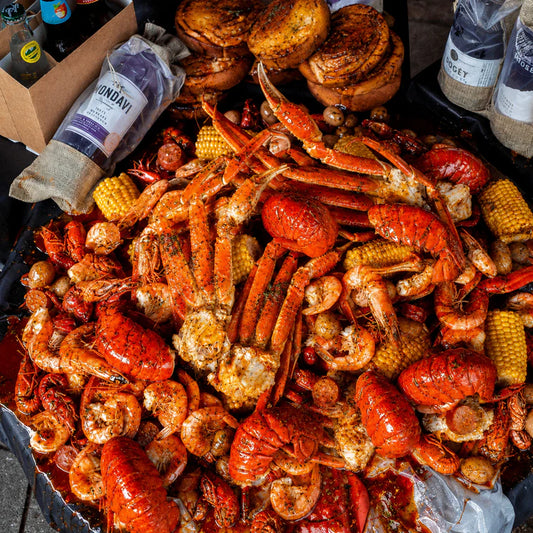
Signature event catering makes any occasion memorable when the food is the experience, and Boil Baby Boil in West Hollywood delivers that with Cajun seafood boils of shrimp, snow crab, crawfish, corn and potatoes plus lobster rolls and beignets. Book event catering online at boilbabyboil.com for delivery across Los Angeles or pickup.
Defining Signature Event Catering
What makes catering "signature" versus standard?
Signature event catering transcends the conventional steam-table affair. It's anchored in a distinctive culinary identity—one that reflects the chef's philosophy, the caterer's provenance, and the occasion's unique narrative. Bespoke menu engineering replaces cookie-cutter packages, allowing each course to echo the client's vision. Guest-centered hospitality becomes the throughline, weaving attentive service, personalized touches, and anticipatory problem-solving into every moment. Where standard catering delivers fuel, signature catering delivers an experience that lingers in memory long after the last fork is set down.
What "luxury" means in practice
Luxury isn't simply lavish spending—it's intentional excellence. Premium sourcing means partnering with fisheries that hand-select live crab and lobster, farms that harvest heirloom produce at dawn, and purveyors who document chain of custody. Handcrafted techniques replace industrial shortcuts: butter sauces emulsified tableside, spice blends ground fresh, and seafood boils calibrated by salinity and sweetness. Elevated service standards demand precision timing, synchronized coursing, and staff who read the room intuitively. Meticulous event execution ensures every logistical variable—from micro-kitchen builds to final plate wipe—reflects uncompromising professionalism.
Who benefits most from signature services
Weddings seeking culinary moments that rival floral arrangements. Corporate galas where first impressions translate to brand equity. Film premieres demanding photogenic spreads worthy of social feeds. Brand launches that marry product storytelling with edible artistry. High-touch private gatherings—milestone birthdays, anniversary soirées, intimate fundraisers—where hosts want guests to feel genuinely celebrated, not merely fed. Signature catering elevates these occasions from scheduled events to indelible experiences.
Why Luxury Event Catering Los Angeles Sets a Higher Bar
Diverse palates and cultural influences
Los Angeles is a mosaic of diasporas, each contributing flavor lexicons and culinary rituals. Luxury event catering here demands multilingual menu fluency—miso and mole, tahini and tamarind, lemongrass and lobster. Regional authenticity matters; guests can discern when a "Cajun boil" honors Louisiana tradition versus when it's theater. Broad dietary literacy isn't optional—it's foundational. A caterer who navigates kosher-style, vegan, paleo, and allergen-free protocols with equal dexterity earns trust in a city where wellness and heritage converge daily.
Iconic venues and unique logistics
Beach cliffs battered by marine wind. Rooftop terraces with freight-elevator weight limits. Art galleries where open flame is verboten. Historic estates lacking modern electrical panels. Each Los Angeles venue presents logistical riddles: load-in choreography through narrow canyon roads, temporary power distribution for induction burners, permit wrangling with multiple municipal departments, and micro-kitchen builds that transform greenrooms into working commissaries. Signature caterers don't just cook—they architect solutions.
Trend-forward expectations
In an entertainment capital where aesthetics drive commerce, plating becomes performance. Artisanal techniques—live-fire cookery, nitrogen-frozen desserts, tableside shellfish shucking—add multisensory theater. Chef-driven storytelling transforms menus into narratives: heirloom tomatoes from a fourth-generation Ojai farm, Santa Barbara uni harvested that morning, heritage-breed pork from Sonoma ranches. Photogenic composition isn't vanity; it's currency in a city where Instagram reach can eclipse traditional press.
Health, wellness, and dietary lifestyles
Plant-forward isn't niche—it's expectation. Gluten-free requests arrive in multiples, not singles. Allergen awareness extends beyond the top eight to sesame, nightshades, and histamine sensitivities. Clean-label ingredients—no artificial dyes, no seed oils, minimal processing—serve as baseline standards. Luxury caterers in Los Angeles don't begrudgingly accommodate these preferences; they engineer menus where dietary inclusivity and culinary excellence coexist seamlessly.
Core Services to Expect from a Luxury Los Angeles Caterer
Menu strategy and culinary concepting
Theme alignment begins with understanding event purpose: Is this celebratory, reflective, energizing, intimate? Seasonal planning leverages California's year-round harvest calendar, ensuring produce at peak flavor and value. Multicourse flow considers pacing—cocktail hour grazing shouldn't compete with seated appetizers; dessert timing must honor toast schedules. The menu becomes architecture, supporting the event's emotional and logistical structure rather than dictating it.
Beverage program and mixology
Curated wine programs tap California's viticultural diversity—Paso Robles reds, Santa Barbara County whites, Napa reserves for landmark toasts. Zero-proof pairings mirror cocktail complexity with shrubs, house-made tonics, and botanical infusions. Signature cocktails can echo event themes or honor guest-of-honor preferences. Responsible service protocols include certified bartenders, measured pours, ID verification systems, and discreet intervention training—because hospitality includes safeguarding well-being.
Event Package: Turnkey Cajun Luxury
For hosts seeking signature catering without the complexity, Boil Baby Boil's Event Package delivers Cajun-inspired luxury designed for Los Angeles gatherings. This comprehensive offering brings the full seafood boil experience—snow crab, crawfish, lobster, shrimp, and signature Cajun spice blends—directly to your venue, complete with bibs, gloves, wipes, and butcher paper for an authentic, hands-on feast. It solves the perennial challenge of memorable catering that feels both elevated and approachable, blending premium ingredients with effortless service. Perfect for weddings, corporate celebrations, and milestone birthdays, the package transforms any location into an interactive culinary destination.
Commercial Catering Collection: Scalable Seafood Excellence
When your event demands volume without sacrificing quality, Boil Baby Boil's Commercial Catering collection provides scalable solutions for office gatherings, brand activations, and large private events. These curated packages maintain the integrity of fresh, Cajun-style seafood boils while accommodating guest counts that stretch beyond intimate dinners. Each selection includes family-meal essentials—allowing teams or groups to share communal feasts that spark conversation and connection. Same-day availability addresses last-minute planning needs, while midnight service windows support evening galas and after-parties that extend beyond conventional catering hours.
Rentals, decor, and tabletop design
Coordinated glassware, plateware, and linens create visual cohesion that amplifies event design. Florals shouldn't merely fill space—they should complement plate colors and enhance sightlines. Lighting transforms ambiance: Edison strands soften industrial venues, uplighting accentuates architectural features, candlelight adds intimacy. Luxury caterers either maintain rental inventories or partner with trusted vendors, ensuring that every fork, charger, and napkin ring aligns with the occasion's aesthetic fingerprint.
Staffing model and service choreography
Ratios matter. One server per twelve guests for plated service; one bartender per fifty for full-bar programs; a captain overseeing floor flow and troubleshooting. Tray-passing requires spatial awareness and guest-reading intuition. Coursing demands kitchen-to-table synchronization, with runners, expeditors, and chefs communicating via discreet cues. Service choreography—when plates land, how silverware is cleared, the ballet of refilling water—should be invisible yet impeccable, elevating guests without distracting them.
Sourcing, Seasonality, and Dietary Excellence
Local and sustainable sourcing
Santa Monica Farmers Market yields heirloom carrots still fragrant with earth, stone fruit that perfumes prep kitchens, and edible flowers that garnish canapés. California ranches supply grass-fed beef and heritage pork with documented welfare standards. Pacific fisheries deliver live Dungeness crab, Santa Barbara spot prawns, and line-caught halibut. Traceability isn't marketing—it's accountability. Waste reduction strategies include composting programs, donation partnerships, and menu engineering that utilizes whole ingredients, turning beet greens into salads and lobster shells into bisque bases.
Seasonal sample menu ideas
Spring: English pea panna cotta with morel conserva and micro greens. Summer: Grilled white nectarines over burrata with coastal crab and basil oil. Autumn: Roasted kabocha squash soup with pepita crumble and sage. Winter: Blood orange and fennel salad with Castelvetrano olives and citrus vinaigrette. Seasonality isn't constraint—it's creative catalyst, ensuring ingredients arrive at peak flavor while supporting regional agriculture.
Dietary accommodations done right
Vegan menus engineered for satisfaction, not substitution: cashew-based cremas, umami-rich mushroom broths, charred vegetables with chimichurri. Gluten-free protocols extend beyond swapping flour—cross-contact controls include dedicated prep surfaces, separate fryers, and color-coded utensils. Kosher-style service respects tradition without requiring full certification. Halal-friendly sourcing partners with documented halal butchers. Nut-free environments demand rigorous ingredient audits and staff training. Excellence means every guest eats abundantly, not cautiously.
Presentation and Experiential Dining
Live action stations and chef interactions
Carving stations where prime rib is sliced to order, juices pooling into jus. Crudo bars displaying diver scallops, hamachi, and seasonal citrus, assembled before guests' eyes. Made-to-order pasta stations with hand-cranked extruders and simmering sauces. Fireside searing where ribeyes meet open flame, smoke curling upward. These multisensory engagements transform feeding into theater, inviting curiosity and conversation while showcasing culinary craft in real time.
Plated vs. family-style vs. tasting menus
Plated service offers precision and pacing—ideal for formal galas where timing aligns with speeches. Family-style encourages sharing and tactile engagement, perfect for rehearsal dinners or corporate team-building. Tasting menus deliver culinary storytelling across multiple courses, suited to intimate gatherings where guests savor progression. The right choice hinges on event goals: Do you prioritize efficiency, intimacy, or narrative arc?
Edible artistry and brand storytelling
Logo-forward canapés where company insignias appear in beet reductions or edible gold leaf. Thematic desserts that echo film narratives or product launches—miniature clapboards rendered in chocolate, macarons color-matched to brand palettes. Cinematic plating transforms premiere after-parties into extensions of the screening, where food becomes set design. This isn't gimmickry; it's integrated brand experience that respects both cuisine and client vision.
Planning Timeline and Process
Discovery and event brief
Goals: Are you celebrating, fundraising, launching, or honoring? Guest profile: Demographics, dietary patterns, cultural considerations. Theme: Vintage elegance, modern minimalism, coastal casual? Budget comfort zone: Not ceilings, but honest parameters that guide concepting. Venue parameters: Load-in access, power capacity, neighbor noise restrictions. This foundation prevents misalignment and ensures proposals reflect reality.
Tasting and iteration
Refining flavor profiles through sampling sessions where acidity, richness, and spice levels get calibrated to client palates. Finalizing courses by testing plating speed and visual consistency. Testing dietary versions to confirm that vegan and gluten-free dishes match their conventional counterparts in flavor and presentation. Iteration isn't indecision—it's precision.
Site visit and logistics mapping
Load-in routes assessed for grade, width, and gate clearance. Power and water access verified—amperage for induction burners, potable water for prep. Back-of-house layout sketched: Where does the micro-kitchen land? Where do staff stage? Neighbor considerations reviewed: Will music permits be needed? Are there quiet hours? This reconnaissance prevents day-of surprises.
Run of show and day-of execution
Kitchen timeline maps prep waves, cooking sequences, and plating windows. Service cadence aligns courses with toasts, dances, and program segments. Vendor sync coordinates florists, AV teams, and valet services. Contingency plans address weather shifts, equipment failures, and guest-count fluctuations. Breakdown procedures ensure venues are returned pristine, waste is sorted responsibly, and staff depart gracefully.
Budgeting for Luxury Event Catering in Los Angeles
What shapes per-guest pricing
"Menu complexity—from canapé counts to protein tiers—drives ingredient and labor costs. Sourcing tier distinguishes commodity seafood from dock-direct catches. Service style impacts staffing ratios and rental needs. Bar programs add beverage costs, glassware, and bartender fees. Each variable compounds, making per-guest pricing a reflection of ambition and execution standards."
Inclusions vs. add-ons
Standard inclusions typically cover menu development, food preparation, service staff, and basic table settings. Add-ons might include brand activations—custom signage, interactive stations, photo-worthy installations—or specialty rentals like vintage glassware, farm tables, or lounge furniture. Understanding this distinction prevents sticker shock and allows strategic allocation of budget toward highest-impact elements.
Maximizing impact at any spend
Focus courses on one or two hero ingredients rather than spreading budget thin across mediocre variety. Strategic stations—a caviar bar or raw oyster display—create luxury perception efficiently. Seasonal hero ingredients deliver peak flavor at lower cost than off-season imports. Smart bar curation emphasizes signature cocktails over full top-shelf inventories, channeling spend toward memorable drinks rather than exhaustive selection.
Compliance, Permits, and Guest Safety
Health department and off-site cooking rules
Approved commissaries provide licensed facilities for advance prep, ensuring food safety from procurement through final plating. Hot-holding and cold-holding protocols maintain safe temperatures during transport and service. HACCP-informed procedures—Hazard Analysis and Critical Control Points—identify risk stages and implement preventive controls, protecting guests from foodborne illness while satisfying regulatory scrutiny.
Alcohol licensing and insurance
ABC permits authorize alcohol service at specific venues and dates. Certified bartenders demonstrate knowledge of responsible service and legal liability. Liquor liability insurance protects hosts from alcohol-related incidents. ID verification systems—whether manual checks or digital scanners—ensure compliance with age restrictions, safeguarding both guests and event hosts from legal exposure.
Open flame, fire codes, and venue policies
Heaters, sternos, grills, and live-fire stations require fire marshal approval and adherence to clearance distances. Indoor restrictions often prohibit open flame entirely, necessitating induction or electric alternatives. Outdoor permits may mandate fire extinguishers, clearances from structures, and standby personnel. Venue policies layer additional rules—historic estates may ban candles, coastal sites may restrict propane. Navigating this matrix safely and legally demands experience and diligence.
Allergen and contamination controls
Ingredient transparency begins with supplier documentation and continues through menu labeling. Separate prep zones isolate allergens, using dedicated cutting boards, utensils, and cookware. Trained staff communicate confidently with guests, answering ingredient questions and flagging dishes that carry cross-contact risk. These controls aren't bureaucratic hurdles—they're life-safety fundamentals that distinguish professional caterers from amateur operations.
Signature Scenarios: Los Angeles Events and Menus
Malibu cliffside wedding
Coastal seafood crudo bar showcasing Santa Barbara uni, Kumamoto oysters, and citrus-cured hamachi. Citrus-forward cocktails with grapefruit, yuzu, and elderflower. Wind-aware service plans include weighted linens, enclosed chafing setups, and strategic positioning of buffet stations behind natural windbreaks. Sunset timing dictates coursing—appetizers during golden hour, entrées as twilight settles, dessert under stars. Logistics account for limited parking, shuttle coordination, and backup generators for ambient lighting when coastal fog rolls in.
DTLA art gallery brand launch
Minimalist canapés designed for one-handed consumption—compressed watermelon with feta and mint, smoked salmon on buckwheat blini, micro beef Wellington bites. Zero-proof mixology featuring housemade kombuchas, botanical sodas, and alcohol-free aperitifs that respect wellness-focused attendees. Gallery-safe service logistics prohibit red wine near art installations, require silent dish collection to preserve ambient music, and employ discreet waste management that keeps visual clutter invisible. Staff move like curators—present but unobtrusive.
Beverly Hills estate fundraiser
Black-tie plated courses begin with butter-poached lobster tail over celery root purée, progress through herb-crusted rack of lamb with seasonal vegetables, and culminate in dark chocolate soufflé with raspberry coulis. Caviar service offers Kaluga and Ossetra selections with traditional accompaniments. Silent-auction-friendly pacing builds in extended cocktail hours and strategic pauses between courses, allowing guests to bid, mingle, and absorb program content without feeling rushed through dinner.
Hollywood awards after-party
Late-night luxe bites sustain energy without weighing guests down—truffle fries, sliders with aged cheddar, tuna tartare on wonton crisps, and miniature crème brûlée. VIP lounges receive dedicated servers and premium bottle service. High-volume bar efficiency demands multiple stations, pre-batched signature cocktails, and streamlined beer-and-wine options that prevent bottlenecks. The vibe balances celebration with stamina, fueling conversations that stretch toward dawn.
How to Choose the Right Partner for Luxury Event Catering Los Angeles
Essential questions to ask
What are the chef's credentials and culinary training? How do you approach sourcing—local partnerships, seasonal priorities, sustainability commitments? What does your staffing plan include—ratios, training protocols, backup personnel? How do you handle contingencies—equipment failures, weather shifts, dietary emergencies? Answers reveal operational maturity and whether the caterer treats your event as a creative collaboration or transactional delivery.
Proof of expertise
Portfolio depth demonstrates versatility across venue types, guest counts, and cuisine styles. Venue approvals indicate established relationships with sought-after locations and familiarity with their unique requirements. Testimonials from recent clients provide candid insight into communication style, problem-solving, and final outcomes. Case studies detailing challenges faced and solutions implemented showcase critical thinking beyond pretty photos.
Red flags to avoid
Vague proposals lacking ingredient specificity, staffing details, or timeline breakdowns suggest inexperience or corner-cutting. Weak safety practices—no health permits visible, unclear allergen protocols, casual attitudes toward alcohol service—pose legal and health risks. Limited dietary fluency, evidenced by reluctance to accommodate restrictions or generic "we can handle that" assurances without specifics, signals potential disaster. Slow communication during planning phases predicts chaos during execution.
FAQs
What is the typical lead time to book luxury event catering in Los Angeles?
Peak seasons—May through October for weddings, November through January for corporate galas—fill three to six months in advance. Complex events requiring custom menus, specialty rentals, or challenging venues benefit from longer timelines. However, exceptional caterers sometimes accommodate shorter windows for intimate gatherings or when existing event infrastructure simplifies logistics. Early booking secures preferred dates and allows unhurried menu development.
Can a caterer build a temporary kitchen at a private estate?
Yes, with proper coordination. Power requirements get assessed during site visits—amperage for induction burners, convection ovens, and refrigeration. Water access determines whether plumbing hookups or tankless systems are needed. Ventilation solutions range from commercial exhaust hoods to open-air setups for outdoor cooking. Permits vary by municipality, with some requiring health department inspections of temporary facilities. Experienced caterers manage this complexity routinely.
Do you accommodate kosher or halal requirements?
Options span a spectrum. Kosher-style service respects separation principles and ingredient restrictions without formal certification. Certified partnerships with kosher caterers or mashgiach supervision provide orthodox compliance for events requiring it. Halal sourcing documents chain of custody from certified halal butchers through preparation and service. Transparency about capability levels prevents mismatched expectations.
How are allergens and cross-contact managed?
Dedicated prep zones physically separate allergen-free preparation from general cooking areas. Labeled plating uses color-coded systems or discrete markers so servers can identify safe dishes confidently. Staff training includes ingredient memorization, cross-contact awareness, and communication protocols for guest inquiries. Guest communication involves pre-event questionnaires, day-of confirmation with attendees, and clear labeling at buffet stations.
What's the backup plan for heat waves or rain?
Tented kitchens with climate control maintain safe food temperatures and staff comfort during temperature extremes. Menu adjustments might swap fragile garnishes for heat-stable alternatives or shift from cold preparations to room-temperature options. Rerouted service paths move buffets indoors or under cover, with rentals like umbrellas, heaters, or fans deployed as needed. Experienced caterers monitor forecasts obsessively and activate contingencies proactively.
Is valet, rentals, and vendor coordination included?
Often available as add-on planning services, either managed directly or facilitated through preferred partner networks. Full-service caterers may bundle coordination into comprehensive packages, acting as liaison among florists, AV technicians, valet companies, and transportation providers. This consolidation simplifies client communication and ensures vendor synchronization, though it typically carries additional fees beyond core catering costs.
What minimum guest count applies to luxury catering?
Varies by caterer and service style. Some specialize in intimate gatherings of ten to twenty, where bespoke attention justifies pricing. Others establish minimums—often fifty guests—to offset staffing and logistics overhead. Plated service and elaborate tasting menus may support smaller counts more readily than buffet-style events requiring extensive stations. Transparent conversations about minimums and pricing structures prevent misalignment.
Next Steps: Make Your Occasion Unforgettable
Prepare your event brief
Document guest count, confirmed or target date, secured or shortlisted venue, event goals, cuisine preferences, known dietary needs, and budget comfort zone. The more specificity you provide, the more precisely caterers can propose solutions aligned with your vision. This brief becomes the blueprint guiding discovery conversations and proposal development.
Schedule a tasting and site visit
Tasting sessions allow you to evaluate flavor profiles, presentation standards, and portion sizing before committing. Site visits enable caterers to assess logistics firsthand—load-in routes, power capacity, spatial constraints—and propose realistic service models. These in-person engagements build rapport, surface potential challenges early, and align expectations before contracts are signed.
Confirm timeline and partners
Lock rentals early—specialty items like vintage china or unique linens have limited inventory. Coordinate decor installation with kitchen setup to prevent spatial conflicts. Align entertainment schedules with service pacing so toasts don't interrupt coursing. Confirm transportation and valet logistics to manage guest flow smoothly. Seamless execution emerges from meticulous coordination across all event partners, with catering as the anchor around which other elements orbit.
| Service Element | Standard Catering | Signature Luxury Catering |
|---|---|---|
| Menu Development | Pre-set packages | Bespoke concepting and iteration |
| Ingredient Sourcing | Commodity suppliers | Local farms, traceable fisheries |
| Service Style | Buffet or drop-off | Plated, family-style, action stations |
| Dietary Accommodation | Limited substitutions | Engineered vegan, GF, allergen-free menus |
| Staffing Ratio | Minimal coverage | Optimal ratios with trained captains |
| Logistics Planning | Basic delivery | Site visits, permit coordination, micro-kitchens |
Luxury event catering in Los Angeles isn't merely about feeding guests—it's about crafting sensory narratives that honor milestones, amplify brands, and create shared memories. From the Cajun-spiced richness of a Boil Baby Boil seafood feast to the refined elegance of a Beverly Hills estate dinner, signature catering transforms occasions into indelible experiences. Whether you're planning an intimate gathering or a grand celebration, the right culinary partner elevates every detail, ensuring your event resonates long after the final course is served.