Rehearsal Dinner Catering That Guests Talk About for Weeks
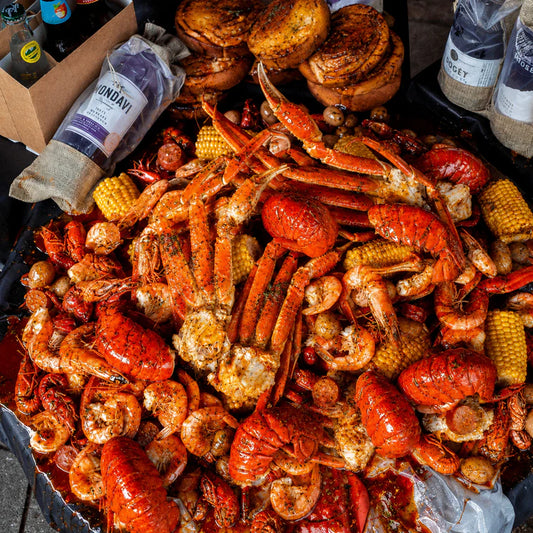
Boil Baby Boil caters rehearsal dinners in Los Angeles with a Cajun seafood boil spread of shrimp, snow crab, crawfish, corn and potatoes in garlic butter or Cajun sauce that gets guests talking for weeks. Order online at boilbabyboil.com for delivery to your venue across LA, or pickup in West Hollywood, with no cooking or cleanup for the wedding party.
Why Beverly Hills Rehearsal Dinners Leave a Mark
The Beverly Hills guest expectation: elevated yet effortless
Beverly Hills guests arrive with a refined palate shaped by the city's world-class dining scene and luxury hospitality standards. According to the California Travel and Tourism Commission, Beverly Hills hosts over 100 Michelin-recommended and celebrity-chef restaurants, setting the bar high for any private event. Your rehearsal dinner must deliver restaurant-quality execution—precise timing, attentive service, and flawless plating—while feeling warm and personal, not stiff or overly formal. The best caterers blend technical skill with intuitive hospitality, anticipating needs before guests voice them and creating an atmosphere that feels both polished and genuinely welcoming.
This expectation extends beyond the food itself. Guests notice whether servers are trained to unobtrusively refill wine glasses, if dietary preferences are handled gracefully without drawing attention, and whether the pacing allows for toasts and conversation without feeling rushed. A memorable rehearsal dinner strikes a balance: it showcases the couple's taste and thoughtfulness while never feeling performative or labored.
Local flavors and LA culinary influences that feel fresh, not flashy
Los Angeles leads the nation in farm-to-table innovation, with over 60 certified farmers markets operating weekly across the county, according to California Department of Food and Agriculture data. Beverly Hills rehearsal dinner menus gain distinction when they reflect this seasonal, ingredient-forward ethos—Santa Barbara spot prawns in late spring, Ojai pixie tangerines in winter, heirloom tomatoes from Chino Farm in summer. This approach feels authentically LA: confident in simplicity, rooted in provenance, and designed to let quality ingredients shine without unnecessary embellishment.
Successful menus also nod to the city's cultural mosaic, weaving in Persian-influenced herb plates, Japanese umami depth, or Mexican coastal techniques that reflect the diverse culinary fabric of greater Los Angeles. The goal is to feel current and considered, not trendy or derivative.
Privacy, polish, and photo-ready presentation from start to finish
Beverly Hills venues and private estates prioritize discretion, with many requiring non-disclosure agreements and vetted vendor teams to protect guest privacy. Your caterer must coordinate seamlessly with security, valet, and event staff to ensure smooth, unobtrusive service. Every detail—from the way appetizers are passed during cocktail hour to the final dessert presentation—should be camera-ready, because guests will document and share the experience across social platforms and in private conversations for weeks.
Photo-worthy moments are built into thoughtful service: beautifully composed charcuterie boards, synchronized tableside pours, or a dramatic flambé that creates both spectacle and flavor. According to hospitality design research, well-lit, Instagram-friendly plating drives guest satisfaction and long-term recall, making visual presentation as critical as taste in creating a rehearsal dinner that truly leaves a mark.
Rehearsal Dinner Catering Beverly Hills: Essentials
Aligning with venue policies, permits, and neighborhood considerations
Beverly Hills rehearsal dinner venues—from historic estates to boutique hotels—enforce strict vendor policies rooted in liability, noise ordinances, and neighbor relations. According to the City of Beverly Hills Business License Division, caterers operating in residential zones must secure temporary food facility permits from the Los Angeles County Department of Public Health, especially when cooking on-site. Many private residences also require courtesy notices to neighbors 72 hours ahead if service extends past 10 p.m., per municipal code 5-1-204. Confirm load-in access, parking restrictions along streets like Benedict Canyon or Coldwater, and whether your caterer's refrigerated truck can idle during setup without violating anti-idling laws enforced by the South Coast Air Quality Management District.
Hotels and restaurants typically maintain approved vendor rosters. If your preferred caterer isn't pre-approved, expect proof of general liability insurance (minimum two million dollars aggregate) and workers' compensation coverage. Venues near Rodeo Drive or within the Golden Triangle often require certificate of insurance naming them as additional insured at least two weeks before your event. Always ask your caterer whether they carry liquor liability if serving alcohol, even if the bar is separately contracted.
Preferred vendor lists, insurance, and food safety standards
Top Beverly Hills venues curate preferred lists based on consistent execution, insurance compliance, and California Department of Public Health food safety records. ServSafe-certified kitchen managers and current health permits aren't negotiable—request copies during your tasting. Cross-check permit status via the LA County Environmental Health online facility search tool to verify zero critical violations in recent inspections.
If you're planning a gathering that blends office celebration vibes with wedding festivities, consider flexible packages designed for groups. Boil Baby Boil's Office Party Package offers built-in variety, simplified logistics, and generous portions perfect for relaxed rehearsal dinners where you want familiar comfort with a coastal-luxe twist—snow crab, shrimp, Cajun butter, and sides that need minimal plating but deliver maximum conversation.
Insurance should cover product liability, equipment damage, and employee injury. Red flags include generic certificates without venue-specific endorsements or expiration dates falling before your event. Green flag: caterers who proactively send updated COIs and maintain food handler certifications for every team member, not just the chef.
Timing around traffic, valet, and guest arrival patterns
Beverly Hills traffic patterns shift dramatically between 4–7 p.m. on weekdays, when Wilshire, Santa Monica, and Canon gridlock with commuters. Schedule load-in before 3 p.m. or after 7:30 p.m. to avoid delays that cascade into late service. If your venue offers valet, confirm attendant arrival one hour before first guests—typically 6 p.m. for a 7 p.m. start—and coordinate with your caterer so passed apps debut as guests hand off keys, not ten minutes later when mingling momentum stalls.
Weekend evenings see tourist congestion near Rodeo and restaurant clusters along Beverly Drive. Build buffer time: if your rehearsal follows a 5 p.m. ceremony at Greystone Mansion, assume 20–30 minutes transit to a restaurant in the Golden Triangle, longer if guests Uber individually. Communicate a realistic cocktail-hour window so your caterer doesn't rush first-course plating before half your party arrives.
Menu Strategy That Gets Talked About
The difference between a polite thank-you and guests texting about your rehearsal dinner for weeks? A menu with intention. Beverly Hills diners expect refinement, but what keeps them talking is personality—food that reflects the couple's story, executed with technical precision and creative flair. This section outlines how to build a menu that delivers both satisfaction and surprise, drawing on seasonal ingredients and clear culinary vision.
Chef-driven concepts with a clear point of view
A memorable rehearsal dinner menu starts with a cohesive culinary narrative. Rather than a random assortment of crowd-pleasers, look for caterers who curate dishes around a central theme—whether that's coastal California simplicity, modern French technique, or regional American traditions with a twist. A chef-driven approach means thoughtful ingredient pairings, considered flavor progressions from appetizer through dessert, and dishes that reflect current technique without chasing trends. For example, a Gulf Coast–inspired menu might highlight Louisiana-style seafood boils with Cajun butter, house-made cornbread, and beignets for dessert, drawing on authentic regional flavors that feel both grounded and celebratory.
Balancing familiar comfort with signature surprises
Guests appreciate anchors—dishes they recognize and trust—alongside one or two elements that spark conversation. Consider starting with a classic Caesar salad prepared tableside, then following with a main course that showcases lesser-known cuts or preparations, such as wood-grilled branzino with charred citrus or short rib with miso-butter glaze. The goal is to honor comfort without defaulting to predictability. According to The Knot's 2023 Real Weddings Study, 68% of couples prioritize personalized menu elements that reflect their tastes over traditional catering standards. Signature items—whether a family recipe reimagined by the chef or a nod to the couple's favorite date-night spot—create those "remember when" moments that outlast the evening.
Seasonality and sourcing for peak flavor and sustainability
Beverly Hills diners notice ingredient quality, and seasonality is your advantage. Summer menus benefit from heirloom tomatoes, stone fruit, and Santa Barbara spot prawns; fall brings butternut squash, wild mushrooms, and Dungeness crab. Work with caterers who source from California farmers' markets and sustainable fisheries certified by the Monterey Bay Aquarium Seafood Watch program. Not only does seasonal produce taste better at peak ripeness, but it also signals environmental awareness—a value increasingly important to LA audiences. Ask your caterer to name their purveyors; transparency around sourcing is a green flag for quality and accountability.
Service Style and Guest Flow
How you serve your rehearsal dinner shapes the evening's energy just as much as what's on the menu. In Beverly Hills, where guests have experienced everything from intimate chef's tables to grand hotel ballrooms, the service style must feel intentional—never rushed, never stiff.
Plated, family-style, or stations: pros, cons, and pacing
Plated service offers precise timing and elegant presentation, ideal for formal venues and multi-course progressions. Expect 15 to 20 minutes per course, which means a three-course dinner runs 60 to 75 minutes from first plate to dessert. The trade-off: guests stay seated, and you'll need a higher staff ratio—one server per 10 to 12 guests is standard in Beverly Hills.
Family-style encourages conversation and feels generous, with large platters passed around each table. It works beautifully for groups of 30 to 60 who want warmth without formality. Pacing is faster—most tables finish mains within 30 to 40 minutes—but requires coordinated timing so early tables don't wait while late arrivals are still being served. Stations and action areas let guests graze at their own rhythm, perfect for mingling crowds or multi-generational groups with varied appetites. Plan one station per 25 to 30 guests to avoid bottlenecks, and stagger opening times if you're combining hot entrées with cold displays.
Reception-style mingling with passed canapés and small plates
Passed hors d'oeuvres create movement and surprise. Plan six to eight pieces per guest for a cocktail hour, 12 to 14 if it's the primary service. In Beverly Hills, expect items like seared scallops with citrus beurre blanc, hamachi crudo on crisp wonton, or wagyu tartare cones. Servers should circulate every four to six minutes, refreshing trays in view of guests to maintain visual abundance.
Small plates—think individual tuna poke cups, lamb lollipops, or heirloom tomato panzanella—bridge the gap between passed bites and seated courses. They're substantial enough to satisfy but designed to be eaten standing. Provide scattered high-tops and perch seating so guests can set down drinks and plates without retreating to formal tables.
Interactive moments: carving, sushi, taquero, or caviar service
Live-action stations transform a meal into theater. A carving station with herb-crusted prime rib or whole roasted fish becomes a natural gathering point and photo opportunity. Sushi chefs rolling custom hand rolls or taqueros griddling fresh tortillas add energy and personalization—guests call out preferences, watch the technique, and taste immediacy.
Caviar service, whether a dedicated butler-passed course or a stationed display with traditional garnishes, signals occasion without ostentation when executed with restraint. Interactive moments work best when placed strategically: after cocktails to transition into dinner, or late in the evening as a palate reset before dessert. Just ensure your caterer staffs these stations properly—one chef per 40 to 50 guests keeps lines moving and quality consistent.
Dietary and Cultural Inclusivity Without Compromise
Vegetarian, vegan, gluten-free, and allergen-aware planning
Modern rehearsal dinner catering in Beverly Hills demands more than a single vegetarian plate added as an afterthought. Guests expect plant-based, gluten-free, and allergen-aware options that stand alongside the main menu in creativity and flavor. A skilled caterer will design dedicated vegetarian and vegan dishes—such as heirloom tomato tartare with citrus-herb oil, charred broccolini with tahini, or wild mushroom risotto—that feel intentional, not substitutional. Gluten-free guests benefit from dishes naturally free of wheat, like grilled seafood, cauliflower steaks, or polenta-based preparations, rather than gluten-free bread that often falls flat in flavor.
Request an allergen matrix during your tasting that lists common triggers—dairy, tree nuts, shellfish, soy, eggs—alongside each menu item. This proactive approach, recommended by the FDA's Food Allergen Labeling guidelines, ensures your caterer tracks ingredients from sourcing through plating. Ask how they handle last-minute dietary requests and whether they maintain backup proteins or sides for unanticipated needs.
Kosher, halal, and cultural traditions—what to confirm with your caterer
When rehearsal dinner guests observe kosher or halal dietary laws, or honor specific cultural traditions, confirm your caterer's experience and certification early. Kosher catering requires supervision by a mashgiach, separate utensils, and certified suppliers—details that cannot be retrofitted the week before. Halal observance similarly demands certified halal meats and slaughter methods compliant with Islamic guidelines. If your caterer lacks direct experience, request referrals to specialized vendors who can collaborate or co-cater specific components.
Cultural traditions extend beyond religious dietary laws. Persian, Indian, Chinese, or Latin American families may expect specific dishes, service sequences, or symbolic foods at the rehearsal table. Communicate these expectations clearly and ask your caterer to walk you through their sourcing, preparation, and presentation approach for culturally significant items.
Cross-contamination protocols and clear menu labeling
Cross-contamination poses serious risk for guests with celiac disease or severe allergies. Professional caterers prevent this through dedicated prep zones, color-coded cutting boards, separate cookware, and trained staff who understand allergen protocols. Verify that your caterer follows CDC food allergy safety practices and maintains sanitation logs. During plated service, each dish should arrive with discreet labeling—tent cards, custom menus, or staff communication—so guests and servers identify safe choices without confusion.
Clear labeling also builds trust. Print individual menu cards noting vegetarian, vegan, gluten-free, dairy-free, or nut-free status for each course. This transparency eliminates guesswork and lets guests relax, knowing their needs have been thoughtfully addressed from kitchen to table.
Beverage Program and Bar Logistics
Curated wine pairings and thoughtful zero-proof options
A well-designed beverage menu elevates the entire dining experience and signals thoughtfulness to your guests. Work with your caterer or sommelier to select two to three wines that complement each course—perhaps a crisp Sauvignon Blanc from Santa Barbara County alongside raw bar selections, or a bold Pinot Noir from Sonoma to accompany grilled meats. According to the Alcohol and Tobacco Tax and Trade Bureau, wine selection should align with both cuisine and occasion formality.
Zero-proof options deserve equal attention. Move beyond generic sodas and offer house-made shrubs, sparkling water with fresh citrus and herbs, or alcohol-free cocktails featuring seasonal ingredients like white peach, elderflower, and basil. In Beverly Hills, where wellness-conscious guests are common, a thoughtfully curated non-alcoholic program demonstrates hospitality and ensures no one feels overlooked during toasts or throughout the meal.
Signature cocktails with seasonal produce and elegant garnishes
Signature cocktails add personality and memorable detail to your rehearsal dinner. Select one or two drinks that reflect the season and your personal style—a summer basil gimlet with California-grown herbs, or a winter blood orange margarita with hand-pressed juice. Elegant garnishes like edible flowers, dehydrated citrus wheels, or fresh rosemary sprigs turn each glass into a photo-worthy moment that guests will share and remember.
Keep the menu streamlined to maintain service flow and quality. Two signature options plus wine, beer, and zero-proof choices provide variety without overwhelming bartenders. Communicate ingredient availability with your caterer early, especially if you're sourcing specialty produce from Los Angeles farmers markets or requesting specific spirits not typically stocked.
Bar logistics: licensing, staffing, glassware, and corkage
Bar logistics require careful advance planning, particularly in Beverly Hills where venue and municipal regulations can be strict. If hosting at a private residence, you may need a special event permit from the City of Beverly Hills to serve alcohol. Commercial venues typically handle licensing, but confirm what's included in your rental agreement and whether your caterer's liability insurance covers beverage service.
Professional staffing is essential—plan for one bartender per 50 to 75 guests for full bar service, and ensure your caterer provides appropriate glassware for each beverage type. If bringing your own wine or spirits, clarify corkage fees upfront, which in Beverly Hills venues typically range from $15 to $50 per bottle. Confirm whether your caterer charges separate corkage, and whether the venue allows outside alcohol at all. Proper planning prevents day-of surprises and ensures smooth, legal, and guest-focused service.
Experience Design Beyond the Plate
Outstanding rehearsal dinner catering in Beverly Hills extends beyond exquisite flavors—it's a multi-sensory experience shaped by visual harmony, emotional pacing, and thoughtful details. When every element aligns with your menu's narrative, guests remember the evening as a cohesive moment, not just a meal. According to event design professionals in Los Angeles, successful catering integration accounts for atmosphere, timing, and personalized touches that reflect the couple's style while honoring the significance of the occasion.
Tablescapes, rentals, and lighting that complement the menu
Your table design should amplify, not compete with, what arrives on the plate. If your caterer is serving family-style seafood—such as Louisiana-style shrimp boils or coastal crab feasts—rustic wood tables, linen napkins in ocean tones, and ambient Edison bulb strings create warmth without formality. For plated California cuisine with delicate presentations, opt for neutral linens, minimal florals, and soft uplighting that highlights each course without washing out colors. Beverly Hills venues often provide preferred rental partners; coordinate china patterns, glassware weight, and flatware finish with your caterer's serving style so transitions feel seamless. Candlelight remains timeless—use unscented votives in clear or gold holders to add intimacy without interfering with the aroma of your dishes.
Music, toast timing, and micro-moments that feel organic
Live acoustic musicians or curated playlists should shift dynamically throughout the evening. Begin with softer background jazz during cocktails and welcome bites, transition to slightly livelier tempos as entrees are served, then dial back for toasts so voices carry clearly without microphone feedback. Plan toasts between courses—not during—so guests can focus and servers aren't caught mid-plate. Rehearse with your caterer when the best man or maid of honor will speak; experienced teams adjust pacing to accommodate spontaneous moments. Consider a surprise interlude—perhaps a violinist appearing as dessert is plated, or the couple's favorite song playing softly during coffee service—to create those unscripted, emotional beats that guests recall weeks later.
Finishing touches: welcome bites, parting favors, and late-night nibbles
First and last impressions anchor memory. Greet arrivals with a single passed canapé and a signature cocktail so guests feel immediately cared for, especially after navigating Beverly Hills traffic. As the formal dinner winds down, surprise the group with a late-night comfort moment—mini lobster rolls, warm beignets dusted with powdered sugar, or a build-your-own slider station that invites playful interaction. Parting favors tied to your menu—house-made hot sauce, locally roasted coffee beans, or artisan sea salt—extend the experience beyond the venue. These small gestures, coordinated seamlessly with your caterer, transform a polished dinner into a story guests recount for weeks.
Logistics, Timeline, and Smart Budgeting
Sample timeline from load-in to last toast
A typical Beverly Hills rehearsal dinner requires a minimum three-hour venue window, plus two hours for load-in and breakdown. Caterers typically arrive 90–120 minutes before guest arrival to set up stations, prep hot foods, and brief staff. For a 7:00 PM cocktail hour, expect load-in by 4:30 PM, final kitchen checks by 6:30 PM, and guest departure around 10:30 PM, with full breakdown by midnight. According to the National Association for Catering and Events, venues in residential zones like Trousdale Estates or north of Sunset may impose noise curfews at 10:00 PM on weeknights, so confirm restrictions early. Build in buffer time for traffic—deliveries from Downtown LA or Santa Monica can add 30–45 minutes during rush hour. Coordinate valet arrival, toast timing (typically after entrées, around 8:30–9:00 PM), and dessert service to keep the evening flowing without feeling rushed or dragging past guest energy.
Communication plan among caterer, planner, and venue
Establish a shared timeline document and group text or Slack channel at least two weeks before the event. Your caterer, planner, and venue contact should align on load-in access, parking for staff vehicles, kitchen equipment needs, and waste disposal. The venue may require certificates of insurance 72 hours in advance—confirm coverage limits with your caterer. Schedule a walk-through one week out to finalize table layouts, electrical capacity for warmers or beverage stations, and restroom access for staff. On event day, designate one point person (usually the planner) to field last-minute changes, so your caterer isn't fielding calls while plating appetizers. Clear communication prevents duplicate rentals, timing conflicts, and the all-too-common scenario where passed appetizers start before half the guests arrive.
Where to invest vs. where to simplify for maximum impact
Invest in what guests taste and experience directly: premium proteins, skilled service staff, and beverage quality. A well-trained server-to-guest ratio of 1:12 for plated dinners or 1:20 for stations dramatically improves pacing and attentiveness. Simplify behind-the-scenes elements like basic china (vs. ornate chargers) if your venue already provides elegant tableware, or choose family-style over plated service to reduce labor costs by 15–20 percent while amplifying the communal, relaxed vibe. Skip elaborate ice sculptures or themed décor that photographs once but doesn't enhance flavor or conversation. For rehearsal dinner catering in Beverly Hills, allocating 40–50 percent of your budget to food and beverage, 25–30 percent to labor and service, and the remainder to rentals and logistics ensures a memorable meal without overspending on elements guests won't remember.
Sample Beverly Hills Rehearsal Dinner Menus
Inspiration matters when choosing a menu direction, and these three proven approaches balance Beverly Hills expectations with memorable culinary storytelling. Each reflects current LA dining trends while offering clear guidance for couples navigating caterer proposals and tastings.
California Luxe: market-driven produce, coastal seafood, bright citrus
This menu celebrates Southern California's coastal and agricultural bounty. Start with heirloom tomato carpaccio drizzled with olive oil from the Santa Monica Farmers Market, followed by Santa Barbara spot prawns with charred lemon and micro cilantro. Main courses highlight line-caught halibut or Dungeness crab paired with roasted rainbow carrots, farro risotto, and Meyer lemon beurre blanc. According to the National Oceanic and Atmospheric Administration, sourcing regional seafood reduces environmental impact while ensuring peak freshness. Finish with stone fruit galette using peaches from the Ojai Valley, served alongside lavender crème fraîche. This approach works beautifully for spring and summer rehearsal dinners when produce variety peaks.
Old Hollywood Glam: tableside Caesar, prime steaks, martinis
Classic supper-club elegance never fades in Beverly Hills. Open with passed oysters Rockefeller and smoked salmon blini, then present tableside Caesar salad prepared with anchovy, parmigiano-reggiano, and house-made croutons. The centerpiece is USDA Prime dry-aged ribeye or filet mignon with truffle pommes Anna, broccolini, and bordelaise sauce. Pair with martini service featuring house-infused vodkas and premium vermouths. Close with baked Alaska flambéed tableside for theater. The Beverly Hills Conference & Visitors Bureau notes that heritage dining experiences remain highly requested for milestone celebrations. This menu delivers timeless sophistication with interactive service moments guests photograph and remember.
Global Mosaic: Persian-LA, Japanese-Californian, and plant-forward fare
LA's multicultural fabric inspires this progressive menu. Begin with Japanese-style hamachi crudo with yuzu kosho and edible flowers, alongside Persian herb platters featuring sabzi khordan, feta, and lavash from local bakeries. Offer miso-glazed black cod with forbidden rice, or za'atar-roasted cauliflower steaks with tahini and pomegranate. Include vegan options like king oyster mushroom scallops with saffron aioli. According to National Restaurant Association research, 60% of fine-dining guests actively seek plant-forward dishes. Finish with cardamom panna cotta and matcha financiers. This approach honors diverse guest backgrounds while showcasing LA's culinary innovation and cultural respect.
How to Choose the Right Caterer
Selecting rehearsal dinner catering Beverly Hills requires more than browsing portfolios—it demands careful vetting to ensure your caterer delivers on experience, logistics, and taste. Beverly Hills venues and private residences come with unique expectations around service standards, permitting, and guest experience, so your caterer must be both skilled and locally fluent.
Green flags and red flags in proposals and tastings
Green flags include detailed proposals that itemize staffing levels, rental inclusions, timeline breakdowns, and clear liability insurance documentation. A strong caterer will ask about your venue's kitchen access, power capacity, and noise ordinances before quoting. At tastings, look for seasoned, well-balanced dishes served at proper temperature—not undersalted or overly garnished samples designed to impress rather than translate to scale. Red flags include vague "all-inclusive" pricing without line items, reluctance to provide references from similar Beverly Hills events, or staff who cannot explain ingredient sourcing or allergen protocols. If a caterer dismisses your dietary concerns or skips questions about guest flow and service timing, move on.
Essential questions to ask before you book
Ask how many events the team executes per weekend and whether your date includes a dedicated lead coordinator on-site. Confirm their staffing ratio—one server per 12 to 15 guests is standard for plated service, fewer for passed hors d'oeuvres or interactive stations. Request examples of contingency plans for weather, equipment failure, or last-minute headcount changes. Clarify what rentals are included versus add-ons: linens, glassware, flatware, and chargers can add $20 to $40 per guest if not bundled. Verify their familiarity with your venue or neighborhood permit requirements, especially for residential rehearsal dinners in Beverly Hills where noise and parking restrictions apply.
Contract checkpoints: staffing ratios, rentals, and contingency plans
Review contracts for guaranteed minimums, final headcount deadlines (typically seven days prior), and cancellation or postponement terms. Ensure staffing numbers, arrival times, and breakdown schedules are spelled out, along with overtime rates if your event runs late. Confirm liability insurance coverage and whether the caterer holds a valid Los Angeles County health permit. Check whether gratuity is included or calculated separately, and clarify responsibility for rentals, cleanup, and waste removal. A complete contract protects both parties and sets clear expectations for a flawless rehearsal dinner.
FAQs: Rehearsal Dinner Catering Beverly Hills
How far in advance should we book a Beverly Hills rehearsal dinner caterer?
For peak wedding months (May through October), book your rehearsal dinner caterer at least six to nine months in advance. Beverly Hills caterers often work multiple events per weekend, and the best teams fill their calendars quickly. If you're planning an intimate gathering during off-peak months (January through March), three to four months may suffice, though sooner is always safer. The moment you secure your venue or private residence date, reach out to caterers for availability checks. Many popular full-service providers in Beverly Hills maintain waitlists, and early booking gives you first pick of preferred staff, menu flexibility, and tasting dates before final headcounts are due.
Can we host at a private residence—what permits or neighbor considerations apply?
Private residence events in Beverly Hills fall under the city's special events permit system when you exceed certain guest counts or use amplified sound. Most residential rehearsal dinners under 50 guests with minimal noise won't require a formal permit, but it's courteous to notify immediate neighbors in advance. Parking is a major consideration: valet services may need permitted street access, and the Beverly Hills Police Department encourages advance coordination for events expecting more than 20 vehicles. Your caterer should confirm whether their insurance covers residential work and if the homeowner's policy requires additional event coverage. Fire safety protocols, especially for outdoor cooking equipment, must meet Los Angeles County regulations, and some neighborhoods have strict noise curfews (often 10 PM on weekdays).
Is bringing our own wine or spirits allowed, and how does corkage work?
Corkage policies vary by caterer and venue. Many Beverly Hills caterers permit clients to provide wine and champagne with a corkage fee ranging from $15 to $40 per bottle, covering service, glassware, and sommelier oversight. Some full-service caterers waive corkage if you purchase a minimum number of bottles through their beverage program. Spirits are trickier: California law requires licensed bartenders to serve liquor, and many caterers only pour spirits they've procured themselves due to liability and state regulations. If you have a rare bourbon or sentimental bottle, discuss it early—some teams accommodate special requests with proper advance notice. Always clarify whether corkage includes setup, ice, mixers, and garnishes, or if those incur separate fees.
What's a realistic per-guest budget in Beverly Hills, and what drives it up or down?
Beverly Hills rehearsal dinner catering typically ranges from $125 to $350 per guest, all-inclusive. A passed-appetizer reception with wine and beer might start around $125, while a plated three-course dinner with premium proteins, full bar, and elevated rentals can reach $300 or higher. Key cost drivers include protein selection (filet mignon and lobster versus roasted chicken), service style (plated requires more staff than buffet), bar scope (open premium bar versus wine-only), and rental needs (custom linens, chargers, specialty glassware). Off-peak dates, simplified menus, and limiting guest counts to under 30 can reduce per-person costs. According to industry data, couples who prioritize quality ingredients and experienced service teams typically allocate 20 to 25 percent of their total wedding budget to the rehearsal dinner when hosting in Beverly Hills.
Do we need a planner if our caterer is full-service?
A full-service caterer manages food, beverage, rentals, and often basic timeline coordination, which may be sufficient for straightforward rehearsal dinners at established venues. However, a planner adds value when you're hosting at a private residence, coordinating multiple vendors (florist, musician, valet), or want someone to troubleshoot logistics on the day itself. Planners liaise with the venue, secure permits, manage load-in schedules, and handle guest flow nuances your caterer may not cover. If your rehearsal dinner involves complex cultural traditions, multi-generational guest needs, or tight turnaround between ceremony rehearsal and dinner service, a day-of coordinator (often $800 to $1,500 in Beverly Hills) ensures seamless execution while you focus on toasts and celebration.
How do we accommodate mixed dietary needs without creating separate menus?
Build your core menu around naturally inclusive dishes, then offer thoughtful modifications. For example, a grilled vegetable and grain station works for vegan and gluten-free guests when prepared without cross-contamination. Family-style service allows dietary-restricted guests to self-select compatible dishes, while plated dinners benefit from advance guest tagging (vegetarian, gluten-free, shellfish allergy) so kitchen staff can plate accordingly. Your caterer should provide clear ingredient labels for buffets and stations, noting common allergens like dairy, nuts, and gluten. According to FDA food allergen guidelines, professional caterers follow strict protocols to prevent cross-contact. Communicate dietary needs at least two weeks before your event, and confirm your caterer maintains separate prep surfaces and utensils for allergen-free dishes.
Next Steps and Planning Checklist
Now that you understand the elements of memorable rehearsal dinner catering in Beverly Hills, it's time to translate vision into action. A structured approach keeps details from slipping through the cracks and ensures your caterer can deliver exactly what you envision. The following checklist and milestones turn planning overwhelm into a confident, step-by-step process.
Point checklist to start this week
Begin by confirming your venue and guest count range—even a ballpark number helps caterers scope accurately. Next, identify any must-have menu elements or dietary restrictions among your core group. Schedule tastings with at least two to three Beverly Hills caterers who specialize in rehearsal dinners, allowing time to compare service style, creativity, and responsiveness. Lock in your event date and request venue-specific requirements such as insurance certificates, preferred vendor lists, or noise ordinances. Finally, clarify your beverage vision: full bar, wine and beer only, or signature cocktails paired with thoughtful zero-proof options.
Information your caterer needs to quote accurately
Your caterer will need the confirmed venue name and address, expected guest count with a realistic minimum and maximum, event date and start time, and preferred service style—whether plated, family-style, or stations. Specify any cultural or religious dietary requirements, allergy alerts, and whether you'll provide your own alcohol or need full beverage service. Share your approximate budget per person, desired menu tone such as coastal California or Old Hollywood elegance, and timeline for setup and breakdown. The more detail you provide upfront, the fewer surprises appear in the final contract.
Milestones from booking to final headcount and tasting
Aim to book your caterer six to nine months before the rehearsal dinner for peak Beverly Hills dates, especially during spring and fall wedding seasons. Schedule your tasting three to four months out, allowing time to refine the menu based on seasonality and guest feedback. Submit your final headcount and dietary matrix two weeks before the event, accounting for last-minute RSVPs. Confirm delivery, setup, and breakdown schedules one week prior, coordinating with your venue and any planners involved. This phased approach keeps communication clear, budgets predictable, and your rehearsal dinner on track to become the evening guests remember long after the wedding.