Private Party Catering in LA: Why Seafood Boils Win Every Time
Seafood boils win at private parties in LA because they are interactive, easy to share and feed a crowd without plating, and Boil Baby Boil in West Hollywood caters them with shrimp, snow crab, crawfish, corn and potatoes in garlic butter or Cajun sauce. Order online at boilbabyboil.com for delivery across Los Angeles or pickup.
Private Party Catering in LA: Why Seafood Boils Win Every Time
What a seafood boil is — and the LA spin
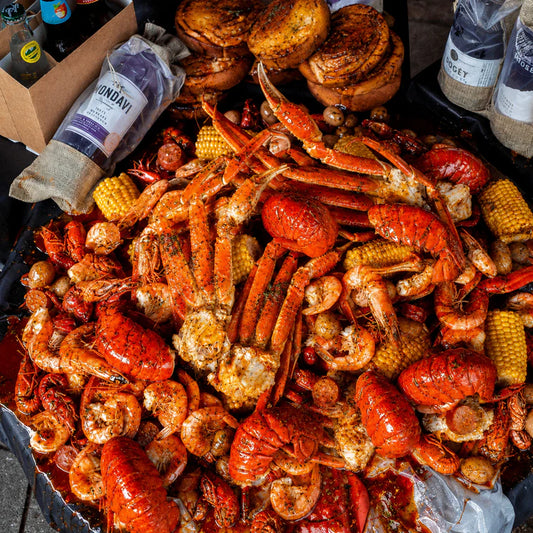
A seafood boil is a communal feast born in the Lowcountry swamps of Louisiana and coastal Carolina—a one-pot tradition where shrimp, crab, crawfish, corn, potatoes, and andouille sausage tumble together in a spice-forward broth, then land center-table for hands-on eating. According to the National Park Service, this cooking style dates back to Cajun and Creole communities who gathered around newspaper-lined tables to celebrate harvests and homecomings. In Los Angeles, the boil has morphed into something unmistakably SoCal: think wild-caught Pacific crab legs alongside Gulf shrimp, vegan andouille for plant-forward guests, and Cajun butter tweaked with yuzu or garlic confit. The city's sprawling outdoor spaces—rooftop terraces in West Hollywood, backyard patios in Culver City, beachside decks in Santa Monica—make it easy to replicate that communal vibe under string lights and palm fronds.
Why it's perfect for private parties
Seafood boils turn catering into theater. Guests crack shells, share butter bowls, and forget their phones—a rare feat in LA's scroll-heavy dining culture. Research from Appetite journal confirms that shared, interactive meals strengthen social bonds and extend dwell time, both critical at birthdays, corporate mixers, and milestone celebrations. There's no plating stress, no fork-and-knife formality, and minimal dietary drama when you offer clear spice tiers and shellfish-free sides like corn, potatoes, and sausage. The format scales beautifully—feed eight around a patio table or a hundred under a Century City tent. Cleanup is swift: gather butcher paper, toss shells into compostable bags per LA Sanitation guidelines, and you're done. Unlike plated dinners that require timed courses and staffed service windows, a boil lets your crew eat when hunger strikes—essential when LA traffic turns a 7 p.m. start into 8:15.
Tailoring the Boil to Your Guest List
When you book private party catering seafood LA, getting portions right is the foundation of a smooth event. Most caterers recommend one to one-and-a-half pounds of shell-on seafood per adult, but LA crowds tend to skew higher—especially when shrimp, snow crab, and crawfish are all in the pot. A balanced menu mix matters: a combination of tender shrimp, sweet crab legs, lobster for centerpiece appeal, and sausage or corn for guests who pace themselves helps everyone leave satisfied. For parties of twenty or more, ask your caterer to build tiers—say, a premium option with lobster tail and Dungeness crab, and a classic tier anchored by snow crab and Gulf shrimp—so you control cost without sacrificing wow.
Portions and menu mix that satisfy
Start with your headcount and appetites. Casual backyard gatherings in Culver City or Brentwood often see guests eating with their hands and lingering over seconds, so budget closer to two pounds per person. Office celebrations or cocktail-style events may hover around one pound. Balance shellfish with sides: Cajun butter-drenched potatoes, corn on the cob, and cornbread soak up spice and fill gaps. If you're serving a crowd that includes kids or lighter eaters, pre-peeled shrimp skewers or lobster rolls offer tidy, approachable entry points while keeping the main boil dramatic.
Dietary and allergen strategies
Shellfish allergies are non-negotiable. Always ask guests to flag restrictions ahead of time, and work with your caterer to provide a completely separate protein—grilled chicken thighs in Cajun butter, andouille sausage, or even a vegan "boil" of mushrooms, artichokes, and cauliflower cooked in the same spice blend but in isolated equipment. The FDA identifies crustacean shellfish as a major allergen, so cross-contact control—dedicated tongs, separate platters, clear labels—is critical. For gluten-free guests, confirm that your seasoning blends and sausages are certified; many Cajun rubs contain fillers.
Flavor and heat customization
LA palates range from spice-averse to ghost-pepper veterans, so tiered heat is your friend. Offer mild (butter-forward, garlic, lemon), medium (classic Cajun with cayenne and paprika), and hot (habanero or Thai chili oil) in separate bags or zones on the table. Label each clearly. Sauce stations with remoulade, garlic aioli, and extra melted butter let guests dial in their own intensity. For West Hollywood or Beverly Hills clients hosting influencer or industry crowds, consider signature twists—yuzu-kosho butter, miso-Cajun hybrids, or cilantro-lime finishes—that photograph beautifully and spark conversation without overshadowing the seafood itself.
Smart Sourcing and SoCal Seasonality
Southern California's unique coastal geography and year-round temperate climate create exceptional opportunities for fresh, sustainable seafood sourcing—but quality varies dramatically by season and supplier. Understanding when species peak locally and how to verify sustainable practices can transform your private party from ordinary to unforgettable while supporting responsible fishing.
Local and sustainable choices
California spot prawns run from late April through October, delivering sweet, firm meat that rivals imported shrimp at a fraction of the environmental cost. Dungeness crab season officially opens November 15 and closes June 30, making winter and spring parties ideal for this West Coast favorite. According to the California Department of Fish and Wildlife, Dungeness populations remain robust thanks to strict harvest quotas. Spiny lobster season runs October through March, though most LA caterers supplement with sustainably sourced Maine lobster year-round for consistency.
The Monterey Bay Aquarium Seafood Watch program rates U.S. farmed oysters, stone crab claws (which regenerate), and Pacific sardines as "Best Choice" options, while imported warm-water shrimp often earns "Avoid" status due to habitat destruction and bycatch concerns. Request Marine Stewardship Council (MSC) or Best Aquaculture Practices (BAP) certified seafood whenever possible—reputable LA caterers should provide sourcing details willingly.
Questions to ask your caterer
Before signing a contract, confirm exactly where your seafood originates. Ask: "Are your shrimp wild-caught Gulf or farmed? If farmed, are they BAP-certified?" Request the country of origin for all shellfish—domestic options typically arrive fresher in LA and carry lower carbon footprints. Inquire about delivery schedules: premium caterers receive seafood shipments two to three times weekly, ensuring live or recently harvested products rather than week-old frozen stock.
Verify backup plans for supply disruptions. California's commercial fishing weather closures, dock worker strikes, and seasonal quotas can force last-minute menu pivots. A prepared caterer maintains relationships with multiple suppliers and offers equivalent substitutions—snow crab for Dungeness, Pacific white shrimp for Gulf brown—without compromising quality or increasing your bill. Finally, ask whether they publish supplier lists or sustainability certifications; transparency signals professionalism and accountability in an industry where greenwashing remains common.
LA Logistics: Venues, Setup, and Safety
Hosting a seafood boil in Los Angeles requires more than great ingredients—you need the right space, equipment, and attention to local regulations. Whether you're planning a backyard gathering in Beverly Hills or a rooftop event in West Hollywood, understanding venue logistics ensures your private party runs smoothly and safely.
Venue readiness checklist
Your venue must accommodate both the cooking process and the communal dining experience. Outdoor spaces—patios, gardens, driveways—work best because they provide ventilation and easy cleanup. Confirm you have access to running water for rinsing seafood and hands, plus electrical outlets if your caterer uses burners or warming equipment. Check table capacity: you'll need sturdy surfaces that can handle heavy butcher paper, pounds of shellfish, and enthusiastic diners. If you're hosting indoors in areas like Century City or Culver City, ensure excellent cross-ventilation through windows or fans, as boiling spices create aromatic steam. Finally, verify parking and load-in access for your caterer's vehicle and equipment.
Equipment and layout
Professional seafood boil caterers typically bring propane burners, stock pots, serving trays, and butcher paper. Confirm what your provider supplies versus what you need to arrange. You'll want long communal tables—folding banquet tables work perfectly—covered with waterproof liner or kraft paper. Position tables away from landscaping or delicate surfaces to prevent staining from Cajun butter and seasoning. Set up handwashing stations or provide wet towels and hand sanitizer within arm's reach. According to the FDA's safe food handling guidelines, maintaining proper hot-holding temperatures above 140°F is critical, so coordinate warming equipment placement near electrical sources.
Permits, neighbors, and compliance
Most residential seafood boils in LA don't require special permits, but City of Los Angeles Planning Department rules vary by neighborhood and event size. If you're hosting more than 50 guests or charging admission, check with your local planning office. Be considerate of neighbors—seafood boils create robust aromas and can run late. Give adjacent properties a courtesy heads-up, especially in dense areas like Santa Monica or Brentwood. For beach venues, the LA County Department of Beaches and Harbors prohibits open flames and commercial cooking on public beaches, so opt for permitted private beach clubs or residential properties with beach access. Always arrange proper waste disposal; shells and seafood scraps require sealed bags to prevent odor and pest issues.
Cost and Packages: What to Expect in LA
Planning a private seafood boil in Los Angeles means understanding what you're paying for—and where to find flexibility. Catering budgets in LA vary widely, but transparency around pricing drivers helps you allocate wisely and avoid surprises on the final invoice.
What drives pricing
The single biggest cost factor is the seafood itself. Market prices for snow crab, lobster, and crawfish fluctuate weekly based on seasonality, supply chains, and demand. According to the National Oceanic and Atmospheric Administration, wild-caught domestic shellfish prices can swing 20–40% throughout the year, with lobster peaking in summer and crawfish season running late winter through early spring. In Los Angeles, you'll also pay a premium for overnight cold-chain delivery from Gulf or Atlantic sources, especially for live or super-fresh product.
Beyond the catch, labor and logistics drive the bill. Full-service catering—setup, boiling on-site, serving, and breakdown—requires skilled staff, portable burners, propane, coolers, and commercial-grade pots. Venue access fees, parking permits in neighborhoods like Beverly Hills or Santa Monica, and liability insurance riders for private residences can add 10–25% to base quotes. Guest count matters too: economies of scale kick in above 30–40 guests, while intimate parties of 10–15 often carry higher per-head minimums to cover fixed costs.
Budget-friendly ways to wow
You don't need to blow your budget to deliver a memorable boil. Consider a shrimp-forward menu with one premium accent—split king crab legs or a few whole lobsters as centerpieces—rather than all-lobster platters. Stretch seafood with generous sides: Cajun potatoes, corn, andouille sausage, and house-made cornbread add volume and flavor at a fraction of the cost per pound. Opt for drop-off or pickup service if your venue has kitchen access; self-service cuts labor fees by 30–50% and still delivers restaurant-quality food.
Timing is leverage. Book weekday events or Sunday afternoons when caterers have lighter calendars, and ask about last-minute openings if your date is flexible. Bundling beverage service, rentals, or dessert with one vendor often unlocks package discounts, and some LA caterers offer seasonal promotions during slower months like January or September.
Service Styles That Elevate the Experience
How you serve a seafood boil shapes the entire vibe of your Los Angeles private party. The right presentation turns a meal into an immersive, shareable moment your guests will talk about for months.
Family-style "table dump," platters, or boil bags
The classic table dump—where your caterer pours steaming shellfish, sausage, corn, and potatoes directly onto butcher-paper-covered tables—delivers maximum drama and conversation. Guests dig in with their hands, sharing sauce boats and stories. According to the California Department of Public Health, caterers must use food-grade, disposable table coverings and maintain hot-holding temperatures above 135°F until service. If your venue has limited table space or a more formal tone, individual boil bags—parchment-lined pouches filled with a personal portion—offer a tidy, Instagram-friendly alternative. Platters work beautifully for seated events in West Hollywood lofts or Beverly Hills dining rooms, preserving elegance while showcasing vibrant Gulf shrimp, snow crab clusters, and bright lemon wedges.
Memorable add-ons
Elevate the spread with thoughtful extras. Live shucking stations featuring Santa Barbara uni or Carlsbad oysters add theater and local pride. Cornbread sliders, Cajun butter dipping flights, and beignet dessert bars create flavor variety. For interactive fun, consider a seasoning station where guests custom-blend Old Bay, lemon pepper, and garlic butter to taste. Branded bibs, wet-nap towers, and Polaroid photo corners turn practical needs into branded keepsakes that extend your event's reach on social media.
Cleanup and waste handling
Seafood shells generate serious volume. Professional LA caterers should supply heavy-duty compost bags and coordinate with services like LA Sanitation for organic waste pickup where available. Confirm your caterer will haul all shells, wipe tables, and leave your Culver City backyard or Century City rooftop spotless. Many top providers include post-event breakdown in their base fee—ask upfront to avoid surprise charges or lingering garlic-butter aroma.
Beverage Pairings for LA Palates
What pairs with spice and brine
The rich, spicy, buttery flavors of a Cajun seafood boil call for drinks that cleanse the palate, cut through heat, and complement briny sweetness. According to the Beverage Alcohol Resource (BAR) certification body, lighter, crisp wines and beers with good acidity balance capsaicin burn and enhance seafood's natural flavors. For white wines, reach for unoaked Sauvignon Blanc, dry Riesling, or Albariño—all high in acidity and refreshing against drawn butter and cayenne. Rosé works beautifully in warm LA weather, offering fruit and minerality without overpowering delicate crab or shrimp.
Beer remains the classic choice at Southern-style boils. Light lagers, pilsners, wheat beers, and crisp IPAs provide carbonation that scrubs spice from your tongue between bites. The Brewers Association notes that citrus-forward West Coast IPAs, widely available across Los Angeles, pair particularly well with garlic-butter sauces. For non-drinkers, offer chilled sweet tea, sparkling lemonade, or Mexican aguas frescas like horchata or jamaica—cultural nods that resonate with LA's diverse palate. Avoid heavy reds or oak-aged whites; tannins clash with iodine-rich shellfish, and oak competes with Cajun seasoning.
Bar service and rules of the road
If you're serving alcohol at your private party, California law requires compliance with Department of Alcoholic Beverage Control (ABC) regulations. For events in private residences, hosts may serve beer and wine without a license, but selling alcohol—even collecting "donations"—requires a permit. According to the California ABC, any for-profit sale or donation-based bar service necessitates a special-event license, which costs around $75 and must be filed at least 10 days in advance. Venues like rented lofts, rooftops, or event spaces typically hold their own licenses; confirm coverage and corkage fees in writing.
Professional bartender services streamline the experience and help manage consumption responsibly. Many Los Angeles mobile bar companies provide trained staff, glassware, ice, and garnishes—ensuring compliance with responsible beverage service (RBS) training mandated by California law since 2021. Always arrange rideshare codes or designated drivers for guests. Keep plenty of water stations near the buffet and bar to encourage hydration, especially when outdoor temperatures climb and Cajun spice levels rise.
Timeline: From First Call to Final Shell
Planning a private seafood boil catering event in Los Angeles takes more than a quick phone call. A clear timeline keeps your party running smoothly, from initial vendor outreach to the last napkin cleanup. Whether you're hosting 15 friends in West Hollywood or 150 colleagues in Santa Monica, breaking the process into phases ensures nothing slips through the cracks.
–6 weeks out
Start vetting caterers now. According to the Event Manager Blog, prime weekends in Los Angeles—especially April through October—book fast, and seafood sourcing windows can tighten during peak demand. Request sample menus, confirm availability, and ask about deposit structures. Finalize your headcount estimate, venue location (backyard, rooftop, event space), and any special requests like vegan options or low-sodium Cajun butter. If you're planning a beach setup in Malibu or Dockweiler, check LA County Beaches & Harbors for permit requirements. Lock in your date with a signed contract and initial deposit, typically 25–50 percent of the total bill.
–10 days out
Confirm your final guest count and menu selections—shrimp, snow crab, crawfish ratios, spice levels, and sides like cornbread or beignets. Share any updated dietary restrictions or allergen concerns. Coordinate delivery or setup timing with your venue manager; outdoor spaces in Culver City or Century City may have noise curfews or loading-dock windows. Arrange rentals if needed—tables, chairs, hand-washing stations—and confirm beverage logistics. Provide the caterer with a single point-of-contact phone number for day-of questions.
Event day
Allow caterers at least 90 minutes before service for setup, especially if they're firing live burners or staging a table-dump presentation. Designate a clear path for heavy coolers and equipment. Keep pets and small children away from hot pots. Once service begins, relax—professional crews handle pacing, refills, and breakdown. Budget 30–45 minutes post-meal for cleanup, shell bagging, and surface wipe-down, per ServSafe food-safety protocols.
Choosing a Private Party Catering Seafood LA Provider
The Los Angeles catering market is crowded, and not every provider has the equipment, sourcing relationships, or food-safety protocols that a live seafood boil demands. Choosing the wrong caterer can turn your party into a logistical headache or, worse, a health risk. The right partner will make your event seamless, delicious, and memorable.
Vetting checklist
Start by confirming the caterer holds a valid Los Angeles County Department of Public Health permit and carries general liability insurance—ask for proof. According to the LA County Environmental Health Division, mobile food operators must meet strict standards for cold-chain management and cooking temperatures, especially for shellfish. Check online reviews on Google, Yelp, and WeddingWire, focusing on mentions of punctuality, food temperature, and staff professionalism. Request references from recent private-party clients in neighborhoods similar to yours—West Hollywood, Beverly Hills, or Santa Monica—and follow up by phone. Inspect their social media for current photos; fresh, well-plated boils and clean setups are good signs. Finally, ask if they source from inspected suppliers; reputable providers cite vendors certified by the California Department of Public Health Shellfish Program.
Essential questions
During your consultation, ask: "What is your process for holding seafood at safe temperatures during transport and service?" The answer should include refrigerated trucks, ice baths, and thermometer checks. Confirm their cancellation and weather-contingency policies—critical for outdoor LA events. Ask, "Do you provide staff to manage the boil on-site, or is it drop-off only?" Full-service teams handle everything from setup to trash removal. Inquire about allergen protocols: "How do you prevent cross-contact if we have non-shellfish guests?" Request a detailed quote showing per-person pricing, service fees, gratuity structure, and any overtime charges. Finally, ask how they handle leftovers and waste, especially shells, which require special disposal under LA sanitation rules.
FAQs
Can a seafood boil be done indoors in LA?
Yes, indoor seafood boils are common in Los Angeles homes, lofts, and event spaces. Proper ventilation is essential—open windows, run kitchen exhaust fans, and consider portable fans to circulate air. Many LA caterers like Boil Baby Boil bring portable burners and chafing dishes that generate less steam than traditional outdoor pots. Cover dining tables with butcher paper or vinyl tablecloths for easy cleanup, and keep hot food away from smoke detectors to avoid false alarms.
What if some guests don't eat shellfish?
Professional caterers offer shellfish-free proteins like Andouille sausage, chicken, corn, potatoes, and grilled fish fillets seasoned with the same Cajun spices. According to food allergy data from FARE, shellfish is one of the top allergens, so clearly label all dishes and brief your caterer on cross-contamination protocols. Dedicated utensils and separate boil bags prevent accidental exposure.
How much seafood per person should I plan?
Plan 1.5 to 2 pounds of shell-on seafood per adult for a main-course boil, per industry catering standards. For example, a party of 20 requires 30–40 pounds total, mixing shrimp, crab, and crawfish. Include 2–3 ears of corn, 4–6 small potatoes, and sausage per guest as fillers. Appetites vary, so ask your caterer to balance heavier crab legs with more economical shrimp.
Are beach boils allowed?
Beach boils in Los Angeles County require permits and strict adherence to fire and alcohol regulations. The LA County Beaches & Harbors department prohibits open flames on most public beaches, though some areas allow propane stoves with advance permits. Santa Monica and Malibu enforce no-cook zones; check local ordinances before booking. Many hosts opt for nearby beach-view homes or private beach clubs with kitchen access instead.
How do you handle leftovers safely?
Refrigerate leftover seafood within two hours—one hour if outdoor temperatures exceed 90°F, per FDA food safety guidelines. Store cooked shellfish in airtight containers for up to three days. Reheat to 165°F internal temperature. Discard any seafood left at room temperature too long, as bacteria multiply rapidly on protein.
Will it smell up my house?
Seafood boils do produce aromatic steam, but proper ventilation minimizes lingering odors. Run exhaust fans during cooking, light citrus or eucalyptus candles afterward, and take trash out immediately. Wiping surfaces with vinegar-water solution neutralizes fishy smells. Most LA hosts report the scent dissipates within a few hours with open windows.
What's typical for gratuity or service fees in LA?
Gratuity for private catering staff in Los Angeles typically ranges from 18% to 22% of the food and service total, according to local catering norms. Some caterers include a service charge covering setup and breakdown; confirm whether gratuity is separate. For exceptional service or complex events, 20–25% is customary and appreciated.
Do I need special trash or compost for shells?
Shellfish shells belong in regular trash in Los Angeles, not green waste bins. The LA Sanitation & Environment department classifies shells as non-compostable due to slow breakdown rates. Use heavy-duty trash bags to prevent leaks and odors. Some hosts freeze shells until collection day to minimize smell. Ask your caterer about post-event shell removal as part of their service package.
Wrap-Up: Make Your LA Party Unforgettable
Key takeaways
Private party catering with a seafood boil in Los Angeles delivers everything you want from a memorable event: interactive dining, bold flavors, and a format that brings guests together around the table instead of keeping them glued to buffet lines. Whether you're hosting in West Hollywood, Beverly Hills, Santa Monica, or any corner of LA County, the right caterer handles sourcing, setup, and cleanup so you stay focused on your guests. Start planning six weeks out to lock in peak-season dates and ensure sustainable, high-quality seafood. Confirm venue logistics early—power, tables, waste stations—and secure any permits your location requires, especially for outdoor spaces near the beach or public parks.
Tailor your menu to your crowd: offer grilled chicken or Andouille sausage for shellfish-averse guests, dial heat levels up or down, and communicate allergies clearly with your provider. Budget transparency matters; ask for itemized quotes and understand what drives cost—pounds per person, premium add-ons like lobster, staffing, and rental equipment. Service style transforms the experience: a communal table dump creates theater and camaraderie, while individual boil bags keep things tidy indoors. Pair your boil with cold beer, crisp white wine, or citrus mocktails, and plan for 1.5 to 2 pounds of shellfish per guest when it's the main protein. Finally, choose a caterer with proper Los Angeles County health permits, liability coverage, and a track record of timely execution. When done right, a seafood boil becomes the story your guests retell for years—messy hands, big smiles, and flavors that capture the vibrant energy of LA entertaining.