Office Lunch Catering West Hollywood: Fresh Seafood Your Team Will Love
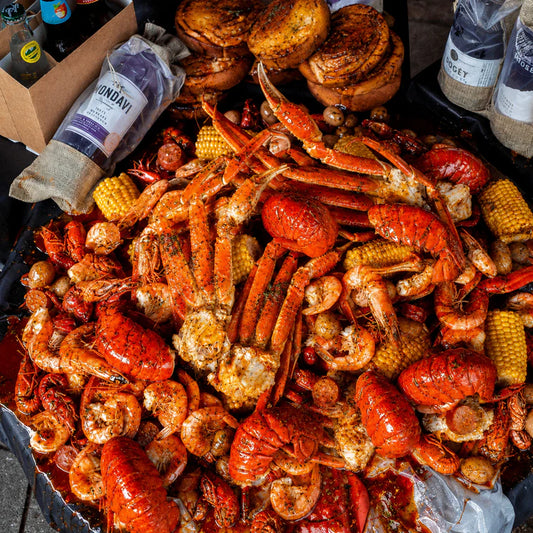
Boil Baby Boil delivers office lunch catering in West Hollywood with fresh Cajun seafood boils of shrimp, snow crab, corn and potatoes in garlic butter or Cajun sauce. Order for your whole team online at boilbabyboil.com for delivery across WeHo, Beverly Hills, Century City and Downtown LA, or schedule a pickup in West Hollywood.
Office Lunch Catering West Hollywood: Fresh Seafood Your Team Will Love
Finding office lunch catering in West Hollywood that breaks the cycle of sandwiches and salads while keeping everyone energized—not sluggish—comes down to one underutilized ingredient: fresh seafood. From snow crab legs to perfectly seasoned shrimp boils, seafood catering delivers protein-packed flavor that doesn't weigh down afternoon productivity.
West Hollywood's creative agencies, tech startups, entertainment studios, and corporate offices are discovering that fresh seafood catering transforms ordinary team lunches into memorable experiences. According to the Academy of Nutrition and Dietetics, seafood provides lean protein, omega-3 fatty acids, and essential vitamins that support brain function and sustained energy—exactly what your team needs during midday meetings and afternoon sprints.
The key word here is fresh. In a neighborhood where quality and presentation matter, West Hollywood offices expect catering that reflects their standards. Fresh seafood sourced from reputable suppliers, prepared the same day, and delivered at safe temperatures makes all the difference between a forgettable meal and one your team will request again.
Whether you're planning a client presentation lunch for 12, a monthly all-hands for 50, or a celebration for 100, fresh seafood catering offers versatility traditional office catering can't match. Think individually boxed lobster rolls for a working lunch, family-style Cajun shrimp platters that encourage connection, or build-your-own seafood bowls that accommodate dietary preferences—all delivered to offices throughout West Hollywood, from La Cienega to Fairfax.
This guide walks you through everything you need to know: selecting the right menu, managing allergens, budgeting accurately, and choosing a caterer who understands both seafood quality and West Hollywood's unique office environment.
Why Choose Fresh Seafood for Your Next Office Lunch
When planning office lunch catering in West Hollywood, fresh seafood offers a unique combination of nutritional value, satisfying flavor, and professional presentation that keeps your team energized and focused. Unlike heavier lunch options that can trigger afternoon fatigue, quality seafood delivers exactly what busy professionals need during the workday.
Health and productivity benefits
Fresh seafood is naturally rich in omega-3 fatty acids, lean protein, and essential vitamins that support cognitive function and sustained energy. According to the FDA's dietary guidance, consuming seafood regularly contributes to heart health and brain function—benefits your team will appreciate during afternoon meetings and deadline pushes. A West Hollywood office lunch featuring grilled shrimp, steamed lobster, or fresh crab provides 20-30 grams of protein per serving without the saturated fats found in many traditional catering options. Employees return to their desks alert rather than drowsy, maintaining productivity through the critical afternoon hours.
Big flavor, minimal heaviness
Seafood delivers bold, memorable taste without the post-lunch sluggishness that often follows heavier proteins and starches. A Cajun-spiced shrimp boil or butter-poached lobster creates an exciting midday experience that feels celebratory yet won't weigh down your team. The natural sweetness of snow crab and the savory richness of quality butter sauces satisfy cravings while keeping portions moderate and digestion comfortable. This balance makes seafood ideal for working lunches where team members need to stay sharp and engaged.
Office-friendly aromas and presentation
Contrary to common concerns, properly handled fresh seafood doesn't create overwhelming odors in office environments. Cold seafood options like lobster rolls, chilled shrimp cocktail, and crab salads arrive ready to serve with minimal aroma. Even warm preparations, when sourced and prepared the same day, offer clean ocean-fresh scents rather than fishy smells. Professional West Hollywood caterers use insulated packaging and proper temperature control to maintain freshness from kitchen to conference room. The visual appeal of vibrant red lobster, pink shrimp, and white crab meat arranged on platters creates an impressive presentation that signals you've invested in your team's experience.
What "Fresh" Means in West Hollywood Seafood Catering
When you're planning office lunch catering in West Hollywood, "fresh seafood" should mean more than a marketing buzzword. True freshness refers to sourcing, handling, and preparation practices that preserve flavor, texture, and nutritional value from dock to desk. Understanding what distinguishes genuinely fresh seafood from merely "not frozen" helps you choose a caterer who delivers quality your team can taste.
Local sourcing and same-day prep
Los Angeles sits within hours of active fishing ports in Santa Barbara, San Pedro, and Ventura, giving West Hollywood caterers access to Pacific catches that can be prepared the same day they're landed. According to the National Oceanic and Atmospheric Administration, seafood processed within 24 hours of harvest retains peak moisture content and flavor compounds. Look for caterers who name their suppliers or reference specific local docks—this transparency signals genuine sourcing relationships. Same-day prep also means your shrimp, crab, or fish fillets haven't been sitting in commercial refrigeration for days, reducing the risk of off-flavors or texture degradation that can turn teams away from seafood lunches.
Professional caterers who prioritize freshness often prepare seafood boils, grilled platters, and cold presentations within hours of your delivery window. For corporate catering needs that demand reliability and quality, exploring specialized vendors can make all the difference.
Seasonality in SoCal: what's best when
Southern California's seafood calendar follows Pacific migration and harvest patterns. Spot prawns peak April through May, Dungeness crab season runs November through June, and local rockfish and halibut arrive abundantly in summer months. The California Department of Fish and Wildlife publishes seasonal availability guides that responsible caterers consult when planning menus. Ordering in-season species means lower prices, better texture, and smaller environmental footprints. A caterer who offers stone crab claws in August or Pacific salmon in December may be relying on frozen or imported stock rather than truly fresh, local product.
Food safety and the cold chain
Fresh seafood's delicate proteins demand strict temperature control from ocean to office. The FDA's Fish and Fishery Products Hazards and Controls Guidance requires seafood be held at 41°F or below to prevent bacterial growth. Reputable West Hollywood caterers maintain this "cold chain" using refrigerated transport, insulated containers, and chafing setups with ice packs or gel reservoirs. Ask prospective vendors about their HACCP (Hazard Analysis Critical Control Points) protocols and food handler certifications. Los Angeles County requires all commercial food handlers to complete county-approved food safety training, a baseline you should verify before booking any office catering.
Menu Ideas Your Team Will Love
When planning office lunch catering in West Hollywood with fresh seafood, the format you choose shapes the entire experience. The right menu structure balances convenience, engagement, and the unique requirements of a professional setting while showcasing premium seafood at its best.
Individually boxed lunches
Boxed lunches offer the ultimate in convenience and portion control for office settings. Each box typically includes a seafood centerpiece—such as a lobster roll, grilled salmon fillet, or shrimp po' boy—alongside complementary sides and utensils. According to the CDC's food safety guidelines, individually portioned meals reduce cross-contact risks and simplify allergen management, making them ideal for teams with dietary restrictions. In West Hollywood offices, popular options include blackened mahi-mahi tacos with slaw, poke bowls with sushi-grade tuna, and New England-style lobster rolls with Old Bay chips. Boxes eliminate serving queues, keep conference tables tidy, and allow team members to eat at their desks or in staggered shifts—perfect for hybrid schedules.
Family-style platters
Family-style service creates a communal dining experience that encourages conversation and team bonding. Large platters of peel-and-eat shrimp, Cajun seafood boils with snow crab and crawfish, or grilled fish tacos arrive at a central station where colleagues serve themselves. This format works exceptionally well for team celebrations, client presentations, or quarterly meetings where shared meals strengthen relationships. The City of West Hollywood recommends ensuring adequate table space and chafing dishes to maintain safe serving temperatures above 140°F throughout lunch service. Family platters typically reduce per-person costs by 15-20% compared to boxed options while generating less packaging waste.
Build-your-own bars for engagement
Interactive seafood bars transform lunch into an engaging experience. A build-your-own poke bowl station might feature ahi tuna, salmon, and octopus alongside rice bases, fresh vegetables, and signature sauces. Taco bars with grilled shrimp, blackened fish, and multiple salsas let team members customize spice levels and toppings. According to research from Cornell University's Food and Brand Lab, choice increases meal satisfaction by up to 30% in group settings. For West Hollywood offices, popular interactive formats include lobster roll bars with warm butter or mayo options, seafood boil stations where guests select crab, shrimp, or crawfish with custom spice blends, and ceviche bars featuring citrus-cured fish with plantain chips and avocado.
Sides, sauces, and office-friendly desserts
Thoughtful accompaniments complete the seafood experience without overwhelming office spaces. Classic sides like coleslaw, corn on the cob, red potatoes, and cornbread complement Cajun-style seafood, while Asian-inspired menus pair well with seaweed salad, edamame, and jasmine rice. The FDA recommends keeping cold sides below 40°F and serving them in small batches to maintain freshness. For sauces, offer variety without mess—individual portions of cocktail sauce, remoulade, garlic butter, and spicy aioli prevent cross-contamination. Office-friendly desserts should be light and easy to eat: mini beignets dusted with powdered sugar, key lime tarts, or lemon bars provide a sweet finish without inducing afternoon drowsiness.
Beverages and non-seafood companions
Thoughtful beverage selection and alternative proteins ensure every team member feels included. Sparkling water with citrus, unsweetened iced tea, and fresh lemonade pair beautifully with seafood without adding excessive sugar. For non-seafood options, the USDA nutrition guidelines suggest offering at least one high-quality alternative protein—such as grilled chicken, vegetarian gumbo, or plant-based proteins—that mirrors the flavor profile of the seafood menu. In West Hollywood's diverse office landscape, providing 10-15% non-seafood portions accommodates allergies, dietary preferences, and religious restrictions while maintaining menu cohesion. Clear labeling helps team members navigate options confidently, and offering both sparkling and still water ensures proper hydration alongside richly seasoned seafood dishes.
Dietary Preferences and Allergen Management Done Right
A successful office seafood lunch accommodates every employee safely. According to the U.S. Food and Drug Administration, approximately 2% of adults and 5% of children have documented food allergies, with shellfish ranking among the top eight major allergens. When catering to West Hollywood offices, professional management of dietary restrictions isn't optional—it's essential for inclusive team culture and legal compliance.
Shellfish allergies and cross-contact prevention
Shellfish allergies can trigger severe reactions, making strict cross-contact protocols mandatory. Reputable caterers prepare allergen-free items in separate kitchen zones using dedicated equipment and color-coded utensils. According to Food Allergy Research & Education (FARE), even trace exposure through shared serving utensils can cause reactions in sensitive individuals. Request individually sealed non-seafood meals for allergic team members, and ensure your caterer maintains separate serving stations with clear signage. Ask whether staff handling setup have food safety training that includes allergen protocols—this documentation matters for office risk management.
Gluten-free, dairy-free, keto, and vegan options
Modern West Hollywood offices include team members following diverse dietary patterns. Quality seafood catering naturally supports several: grilled fish with vegetables suits keto and paleo eaters, while steamed shellfish is inherently gluten-free. However, seasonings, marinades, and sides often contain hidden dairy or gluten. Request ingredient breakdowns for all sauces—Cajun butter typically contains dairy, but high-quality olive oil-based alternatives exist. For vegan colleagues, thoughtful caterers offer robust plant-based proteins like blackened tofu or mushroom "crab" cakes rather than treating them as afterthoughts. The Academy of Nutrition and Dietetics emphasizes that inclusive menus demonstrate organizational values while supporting employee wellbeing.
Transparent labeling and ingredient lists
Clear communication prevents confusion and builds trust. Professional caterers provide printed ingredient cards or digital menus listing all components, including preparation oils and garnishes. Labels should flag major allergens using standardized icons (shellfish, dairy, gluten, nuts) and note items prepared in shared environments. California's Retail Food Code requires certain disclosures for raw or undercooked items. Request advance copies of labels and ingredient lists for distribution to your team before the meal—giving employees time to review options reduces day-of stress and demonstrates organizational care for individual needs.
Ordering, Delivery, and Setup in West Hollywood
Lead times, headcounts, and delivery windows
Most reputable West Hollywood seafood caterers require 24 to 72 hours' notice for office lunches, though same-day service may be available for smaller groups during weekdays. According to the U.S. Food and Drug Administration, adequate lead time ensures proper sourcing, cold-chain management, and food safety compliance—especially critical for fresh seafood.
Provide an accurate headcount at least 48 hours before delivery. West Hollywood offices typically order for groups of 10 to 100, with peak demand between 11:30 a.m. and 1 p.m. If you're hosting a lunch meeting on the 10th floor of a Beverly Boulevard high-rise, confirm your preferred delivery window early—many buildings restrict service elevator access during peak hours. Caterers serving West Hollywood, Beverly Hills, and Century City often schedule deliveries in 30-minute windows to accommodate tight meeting schedules and coordinate with building security protocols.
Building access and COI requirements
Corporate buildings in West Hollywood frequently require vendors to carry general liability insurance and provide a Certificate of Insurance (COI) listing the property owner as an additional insured. This is standard practice across Los Angeles commercial real estate and protects both parties. Request a COI from your caterer at least one week before the event, and forward it to your building management or front desk immediately.
Many Sunset Strip and West Hollywood offices also require advance notice of deliveries, visitor badges, and specific loading dock or service entrance protocols. Coordinate parking details—West Hollywood is notoriously tight for commercial vehicle access—and confirm whether your caterer needs an escort to your suite or floor.
Setup styles: drop-off vs staffed
Drop-off service is the most economical option: your caterer delivers packaged meals or buffet platters, unboxes items, and departs. This works well for smaller teams under 20 people and when your office staff can manage serving and cleanup. Individually boxed lunches travel especially well and require minimal setup.
Staffed service includes on-site attendants who set up buffet lines, answer dietary questions, refresh platters, and handle breakdown. This is ideal for groups over 50, executive presentations, or when you want a polished, worry-free experience. Staffed options typically add $100 to $300 to your invoice but eliminate internal labor and ensure consistent food temperature throughout your event.
Maintaining safe temps during meetings
The FDA recommends holding cold foods at 40°F or below and hot foods at 135°F or above to prevent bacterial growth. Reputable seafood caterers use insulated carriers, gel packs, and chafing dishes with fuel canisters to maintain safe temperatures during transport and display.
If your meeting runs longer than two hours, request that hot items be delivered in disposable chafing setups or ask for staggered delivery times. Cold items like lobster rolls, shrimp cocktail, and poke bowls should arrive on ice and be refrigerated immediately if not consumed within 90 minutes. Always confirm your caterer's time-and-temperature protocols before booking, especially during warm Los Angeles summers when ambient office temperatures can accelerate spoilage.
Budgeting and Portion Planning
Smart budgeting starts with accurate portion planning. Understanding how much fresh seafood each team member will realistically eat helps you avoid waste while keeping everyone satisfied—and keeps your catering spend predictable.
Per-person portions that work
For office lunch catering with fresh seafood in West Hollywood, plan for 4 to 6 ounces of protein per person when seafood is the main course, plus sides. A lobster roll typically contains 4 ounces of meat; shrimp boils run 6 to 8 ounces per person; and plated entrées like grilled salmon or blackened mahi-mahi work well at 5 to 6 ounces. According to the USDA's Dietary Guidelines, a standard protein serving is 3 to 4 ounces, but office catering usually scales up slightly to account for varied appetites and the social nature of shared meals. Include two to three sides—such as cornbread, coleslaw, roasted vegetables, or rice—at 3 to 4 ounces each. For build-your-own seafood bars or family-style platters, increase portions by 10 to 15 percent to allow choice and seconds.
Sample price ranges and ways to save
West Hollywood office seafood catering typically ranges from $18 to $45 per person, depending on species and service level. Shrimp boils and fish tacos trend toward the lower end; lobster rolls and crab platters sit higher. To reduce costs without sacrificing quality, consider these strategies: order family-style platters instead of individually boxed meals to cut packaging expenses; choose seasonal species like local rockfish or sustainably farmed shrimp; mix premium items (such as lobster) with budget-friendly proteins (like grilled chicken) for variety; and skip add-ons like staffed service or premium beverages if your team can self-serve. Ordering mid-week and providing at least 48 hours' notice often unlocks better pricing and flexibility.
Scaling for hybrid teams
Hybrid work models require flexible portion planning. Survey your team one week out to confirm in-office headcount, then add a 10 percent buffer for last-minute attendees or larger appetites. Order in modules—platters designed for five, ten, or twenty people—so you can scale up or down with minimal waste. Many West Hollywood caterers, including Boil Baby Boil, accommodate same-day adjustments for hybrid teams when inventory allows, helping you serve remote employees who decide to join at the last minute without over-ordering for the entire group.
Sustainability That Reflects Your Company Values
When your company chooses fresh seafood catering in West Hollywood, you're making a statement about more than just lunch—you're reinforcing your organization's commitment to environmental stewardship. Today's employees, especially in Los Angeles, increasingly expect their employers to align dining choices with sustainability principles. According to the National Oceanic and Atmospheric Administration, U.S. wild-caught seafood is among the most sustainably managed in the world, offering a responsible protein choice when sourced thoughtfully.
Responsible species and packaging
Start by asking your West Hollywood caterer which species they source and whether they follow NOAA FishWatch or Monterey Bay Aquarium Seafood Watch guidelines. Look for caterers who prioritize abundant, well-managed species like Alaskan snow crab, Gulf shrimp from certified fisheries, and domestic lobster. Avoid overfished species or those caught with destructive methods. Packaging matters, too. Request compostable or recyclable containers instead of Styrofoam clamshells. Many Los Angeles caterers now use plant-based bowls, bamboo utensils, and paper bags that comply with California's single-use plastics laws. Boil Baby Boil, for example, offers direct delivery with minimal packaging waste and clear ingredient transparency to help your team make informed, values-driven choices.
Minimizing waste
Accurate headcounts prevent food waste, which is why portion planning from the previous section is doubly important. Work with your caterer to order just enough, and designate someone to collect leftovers promptly for refrigeration or donation. Set up clearly labeled recycling and compost bins near serving stations—West Hollywood businesses can coordinate with LA Sanitation's Zero Waste LA program for compliant waste sorting. Encourage employees to take only what they'll eat and provide reusable or compostable plates and cutlery. Finally, consider offsetting: some caterers partner with local food banks or composting services to ensure every scrap finds a second life.
How to Choose a West Hollywood Seafood Caterer
With dozens of catering companies serving the West Hollywood area, selecting the right seafood provider for your office lunch requires focused diligence. The caterer you choose will directly impact food safety, employee satisfaction, and the success of your event. Begin your vetting process by examining credentials, reading reviews, and clarifying policies before you book.
Credentials to verify
Start by confirming that any West Hollywood caterer holds a current Los Angeles County Department of Public Health retail food facility permit, which ensures they meet baseline hygiene, cold-chain, and food-handling standards. Request their ServSafe certifications or proof that kitchen managers have completed California Food Handler training. If the caterer operates a brick-and-mortar location, check their latest inspection score through the LA County Environmental Health portal. For seafood specifically, ask whether they source from NOAA-approved suppliers or carry documentation for traceability—especially important for high-risk items like oysters and tuna. Commercial general liability insurance and, if delivering to corporate buildings, a certificate of insurance (COI) naming your landlord as additionally insured are non-negotiable for most West Hollywood office towers.
Reviews, tastings, and flexibility
Read Google, Yelp, and corporate catering platform reviews carefully, looking for recurring praise or complaints about punctuality, portion accuracy, and responsiveness to last-minute changes. Reach out to fellow office managers or HR teams in West Hollywood to gather word-of-mouth referrals. Many professional caterers offer complimentary or low-cost tastings for groups over a certain headcount; this is your opportunity to evaluate freshness, seasoning, presentation, and whether flavors align with your team's preferences. During tastings, assess the caterer's willingness to customize menus, accommodate dietary restrictions, and adjust spice levels. Flexibility extends beyond the menu—reliable caterers can pivot when headcounts shift or delivery windows change due to meetings running over.
Clear contracts and policies
Before signing, review cancellation terms, minimum order requirements, and deadlines for final headcounts. Understand deposit structures and refund conditions if plans change. Ask how the caterer handles ingredient shortages or last-minute substitutions—will you be notified in advance, and will pricing adjust accordingly? Clarify delivery logistics: Does the quoted price include setup, serving utensils, and breakdown? Are disposables compostable or recyclable? Request a written allergen protocol and ask how cross-contact is prevented during prep and transport. Transparent contracts protect both parties and set clear expectations, ensuring your West Hollywood office lunch runs smoothly from order to cleanup.
FAQs: Office Lunch Catering West Hollywood Fresh Seafood
Which seafood travels best for office lunches?
Shrimp, snow crab, and cooked lobster tail hold up exceptionally well during transport, maintaining texture and flavor even after 30–45 minutes in insulated packaging. According to FDA guidance on seafood safety, pre-cooked shellfish stays within safe temperature zones more reliably than delicate fish when properly cooled or heated. In West Hollywood's urban delivery environment, individually sealed portions or family-style platters with tight lids prevent moisture loss and cross-contamination. Avoid oysters on the half shell or rare tuna for large groups unless your caterer provides dedicated cold packs and delivers within 20 minutes of service time.
How far in advance should I order for 20, 50, or 100 people?
For 20 people, most West Hollywood caterers accept orders 24–48 hours ahead, though same-day requests may work if placed before 10 a.m. Groups of 50 typically require 48–72 hours to secure fresh inventory and coordinate delivery logistics. For 100 or more, plan at least five business days in advance—especially during holiday weeks or summer crawfish season when demand spikes. According to the LA County Department of Public Health, caterers must document sourcing and cold-chain records for large events, which adds lead time. Confirm your headcount, dietary restrictions, and building access details when you place the order to avoid last-minute rush fees.
Can we avoid strong seafood smells in the office?
Yes—opt for steamed or boiled preparations over grilled or heavily spiced options. Cajun butter and garlic can linger, so request lighter seasonings like lemon, herbs, or Old Bay if aroma is a concern. Individually boxed lunches with sealed lids contain odors better than open buffet trays. The OSHA indoor air quality resource notes that good ventilation and prompt cleanup minimize odor complaints. Schedule delivery during natural ventilation windows—before meetings or near lunchtime—and ask your caterer to remove waste immediately after service. High-turnover items like shrimp tacos or lobster rolls produce less residual smell than whole boiled crabs.
What if headcount changes the morning of the event?
Most West Hollywood caterers allow a 10–15 percent swing without penalty if you notify them by 9 a.m. on the day of delivery. Increases beyond that threshold may incur rush fees or require substitution of menu items based on available inventory. Decreases typically qualify for credit toward your next order rather than a cash refund, per standard catering contracts. The National Restaurant Association event planning guide recommends finalizing counts 48 hours out and communicating any changes immediately. Keep a buffer: order for your confirmed headcount plus five percent to accommodate last-minute attendees or heartier appetites.
Are there low-mercury options for pregnant team members?
Shrimp, snow crab, crawfish, and farmed catfish are all low-mercury choices safe for pregnancy, according to the FDA and EPA joint guidance on fish consumption. These species accumulate minimal methylmercury due to their shorter lifespans and lower position in the food chain. Avoid tilefish, swordfish, king mackerel, and large tuna steaks. The American College of Obstetricians and Gynecologists recommends 8–12 ounces of low-mercury seafood weekly for optimal fetal development. Communicate dietary needs when ordering so your caterer can label portions clearly and prevent cross-contact with high-mercury items in shared prep areas.
Do you provide compostable utensils and clear labeling?
Many West Hollywood caterers now offer compostable cutlery, plates, and bowls made from bamboo, cornstarch, or sugarcane fiber to align with California's single-use plastics legislation. Ask whether packaging is certified by the Biodegradable Products Institute to ensure it meets commercial composting standards. For allergen transparency, request individual labels listing ingredients, preparation methods, and common allergens—shellfish, gluten, dairy, and soy. The FDA Food Allergen Labeling Act mandates disclosure of major allergens, and responsible caterers extend that to catering menus. Boil Baby Boil provides clear labels and eco-friendly serviceware upon request for West Hollywood office deliveries.
Next Steps
You've learned how fresh seafood can transform office lunch catering in West Hollywood. Now it's time to turn this knowledge into a memorable meal for your team. Following a simple pre-booking process ensures your event runs smoothly, your caterer can meet your needs, and your colleagues enjoy a delicious, hassle-free experience.
Quick pre-booking checklist
Before reaching out to a West Hollywood seafood caterer, confirm your event basics. Lock in your date, time, and approximate headcount—most caterers need at least 48 to 72 hours for orders over 20 people, though same-day options exist for smaller groups. Check with building management about delivery access, loading dock hours, and certificate of insurance requirements; many West Hollywood office towers require COI at least 24 hours in advance. Survey your team for shellfish allergies, dietary restrictions, and strong preferences. Finally, decide on service style—drop-off, setup assistance, or staffed service—and establish a realistic per-person budget. Having these details ready accelerates the quoting process and prevents last-minute surprises.
Information to have ready for a quote
When you contact a caterer, provide your delivery address with suite number, preferred delivery window, and final headcount. Specify any dietary needs, preferred menu items (such as shrimp boils, lobster rolls, or crab platters), and whether you need disposable plates, utensils, and napkins. Mention if you require setup tables, chafing dishes to keep food hot, or allergen labels. If your office has specific requirements—such as no-shell presentations to avoid mess, low-sodium preparations, or compostable packaging—share those upfront. The more detail you provide, the more accurate your quote and the smoother your delivery day will be.
Suggested call-to-action
Ready to bring fresh, flavorful seafood to your West Hollywood office? Contact Boil Baby Boil today to discuss your menu, request a custom quote, and confirm availability for your preferred date. Whether you're planning a casual team lunch for a dozen colleagues or a large corporate event for 100, experienced local caterers can tailor portions, sides, and service to match your vision and budget. Don't wait—West Hollywood's best seafood catering books quickly, especially during peak lunch hours and end-of-quarter celebrations. Reach out now and make your next office lunch one your team will talk about for weeks.