Mastering Cajun Cooking Techniques: Beginner's Guide
Beginner Cajun cooking comes down to three skills: building a dark roux, starting with the holy trinity of onion, celery and bell pepper, and layering bold spice without burning it. When you want the flavor without the work, Boil Baby Boil in West Hollywood delivers Cajun seafood boils across Los Angeles from boilbabyboil.com.
What Makes Cajun Cooking Tick
Cajun cooking isn't just about piling on cayenne and calling it a day. It's a disciplined dance of fat, flour, aromatics, and time—rooted in resourcefulness and designed to coax maximum flavor from humble ingredients. Before you fire up your stove, understanding the foundations will transform you from a recipe-follower into a confident improviser.
Cajun vs. Creole—what's the quick difference?
These two Louisiana cuisines share a ZIP code but diverge in philosophy and pantry. Cajun emerged from rural Acadiana, where resourceful cooks relied on one-pot comfort meals, smoked meats, and a dark roux to stretch proteins and deliver robust spice. Think jambalaya cooked over a campfire or a gumbo built on rendered pork fat.
Creole cooking, by contrast, flourished in cosmopolitan New Orleans. French and Spanish colonial influences introduced tomatoes, butter, and cream—ingredients largely absent from Cajun repertoires. Both traditions are sublime; they simply solve different culinary puzzles.
The flavor backbone you'll build on
Every great Cajun dish starts with the Holy Trinity: diced onion, celery, and green bell pepper, often bolstered by garlic. This aromatic trio forms the mirepoix of the bayou. Beyond that, a well-made roux provides body and nutty depth, while andouille sausage or tasso ham injects smoky salinity. Layered spices—cayenne for heat, paprika for color, thyme for herbaceousness—marry with a rich stock to create that signature umami-forward profile.
Your Cajun Pantry and Tools
Essentials to keep on hand
Stock your larder with onions, celery, green bell peppers, garlic cloves, green onions, and fresh flat-leaf parsley. On the spice rack, prioritize cayenne pepper, both sweet and smoked paprika for nuanced warmth, coarse black pepper, dried thyme, and bay leaves. For thickening, keep okra pods or filé powder—ground sassafras leaves added off-heat to avoid stringiness. Smoked andouille and tasso bring meaty depth, while homemade or quality store-bought chicken, seafood, or pork stocks anchor your braises and gumbos.
Gear that makes cajun cooking techniques easier
A well-seasoned cast-iron skillet and a heavy-bottomed Dutch oven are non-negotiable. The former excels at blackening; the latter masters long, slow simmers. Invest in a flat-edged wooden spatula to scrape every millimeter of roux from the pan, long tongs for flipping proteins, and an instant-read thermometer to nail doneness. Good ventilation—an exhaust fan or open windows—is critical when you're blackening fish at high heat. Finally, choose a neutral oil with a high smoke point, like grapeseed or refined peanut, to withstand aggressive heat without acrid fumes.
Experiencing Authentic Cajun Without the Stress
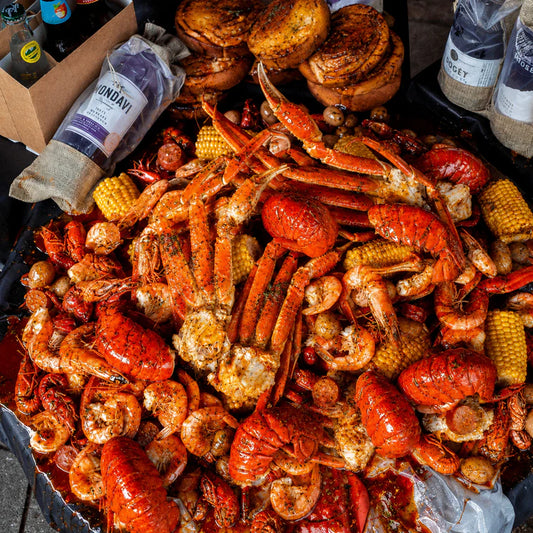
Mastering cajun cooking techniques takes practice, but you don't have to wait months to enjoy restaurant-caliber seafood boils at home. Boil Baby Boil delivers premium, ready-to-feast Cajun-style seafood boils straight to your door across Los Angeles—daily until midnight. Each family meal arrives with bibs, gloves, wipes, and butcher paper, so you can dive into snow crab, crawfish, lobster, and shrimp tossed in our signature Cajun blend without worrying about prep or cleanup. It's the perfect way to taste authentic technique while you're still building your own skills in the kitchen.
Catering Your Next Gathering with Cajun Flair
Once you've fallen for bold, layered Cajun flavors, you'll want to share them. Whether you're hosting an office lunch, birthday celebration, or backyard wedding, Boil Baby Boil's commercial catering delivers the same hands-on seafood feast experience at scale. Same-day catering is available for events throughout West Hollywood, Beverly Hills, and beyond—complete with all the fixings, so your guests can crack shells and soak up spicy butter without a single dish to wash. It's an effortless way to bring authentic Cajun hospitality to any occasion while you continue honing your home-cooking chops.
Essential Cajun Cooking Techniques (The Core Skills)
Roux 101: safe, dark, and deeply nutty
Roux is the soul of gumbo and the chassis of étouffée. Combine equal parts fat—oil for darker roux, butter for blond or medium—and all-purpose flour in a heavy pot. Stir constantly over medium to medium-low heat. Watch the metamorphosis: blond (three to five minutes), peanut butter (eight to ten minutes), milk chocolate (twelve to fifteen minutes), and finally dark chocolate (eighteen to twenty-five minutes). If you see smoke billowing or smell bitterness, the roux has scorched—discard it and begin anew. Halt the darkening by adding your Holy Trinity; the vegetables' moisture arrests the Maillard reaction instantly.
Blackening: that smoky-spicy crust
Popularized by Chef Paul Prudhomme, blackening sears a thick spice crust onto protein at blistering heat. Pat fish fillets or chicken breasts bone-dry, brush with melted butter, then press them into a blend of cayenne, paprika, garlic powder, thyme, and salt. Preheat a cast-iron skillet over high heat for five to eight minutes—no oil in the pan. Lay the protein down and resist the urge to move it. Flip once a charred, mahogany crust forms. Check internal temps: 145°F for fish, 165°F for poultry. Ventilate aggressively; this technique generates serious smoke.
Smothering/étouffée: rich, silky, and spoonable
Étouffée translates to "smothered"—a fitting descriptor for shellfish luxuriating in a velvety sauce. Sweat your Trinity in butter or oil until translucent, season liberally, then deglaze with seafood stock or lager. Simmer gently, covered, to meld flavors. Add shrimp or crawfish tails in the final three to four minutes; carryover heat will finish the cook. Off-heat, swirl in cold butter for gloss or a pinch of filé for earthy body.
Jambalaya rice method: separate grains, big flavor
Jambalaya demands textbook rice technique. Render diced andouille until crisp, remove, then brown chicken thighs to build fond. Sauté the Trinity in the rendered fat, scraping up browned bits. Add long-grain rice and toast until translucent edges appear. Pour in stock at a ratio of roughly 1:1.75 to 1:2 (rice to liquid), return the meats, and bring to a boil. Cover, drop to a bare simmer, and do not lift the lid or stir. After eighteen to twenty minutes, kill the heat and let steam for ten minutes. Fluff gently with a fork.
Seasoning, Heat, and Balance
Layer flavor like a pro
Seasoning in stages is the hallmark of Cajun mastery. Salt and spice your aromatics as they sweat, adjust mid-simmer after adding stock, then fine-tune at the finish. Taste obsessively. Remember that smoked sausage and reduced stocks concentrate salinity, so start conservatively.
Managing spice and finishing touches
Cayenne builds heat; paprika contributes color and gentle warmth. Introduce cayenne incrementally—you can always add more. At the end, brighten the pot with sliced green onions, chopped parsley, a squeeze of lemon, or a few dashes of Louisiana-style hot sauce to lift and balance richness.
Common pitfalls (and quick fixes)
- Greasy pot: Render sausage first and skim excess fat; use less oil up front.
- Overcooked seafood: Add shrimp or fish near the end; residual heat finishes the cook.
- Filé stringiness: Only stir in off-heat to avoid gummy clumping.
A Beginner's Roadmap to Mastery
Start here: Red beans and rice
This forgiving, low-stress simmer teaches you to render sausage, build seasoning layers, and manage a long braise. Mistakes are easily corrected with a splash of stock or a pinch of salt.
Level up: Chicken-and-sausage gumbo
Gumbo demands a medium-dark roux, fond management, deglazing finesse, and stock control. Nail this, and you've conquered the core of Cajun technique.
Quick wins: Shrimp étouffée or blackened catfish
Both dishes cook in under thirty minutes, rewarding precise timing and confident heat management. They're ideal weeknight confidence builders that taste like you've been cooking Cajun for decades.
FAQs About Cajun Cooking Techniques
Do I need filé if I already used okra?
No. Both thicken gumbo, but filé contributes an earthy, slightly floral aroma. Use one primary thickener or finish with a light pinch of filé off-heat for aromatic complexity.
Can I make a gluten-free roux?
Yes. Substitute rice flour or oat flour for all-purpose. Both toast faster than wheat flour, so stir vigilantly and reduce heat slightly to prevent scorching.
What if I don't have cast iron?
A heavy stainless-steel skillet works. For blackening, preheat thoroughly and monitor for hotspots; stainless distributes heat less evenly than cast iron.
Why does my roux taste bitter?
It scorched. There's no salvaging burnt roux—discard it, lower your burner temperature, and start fresh.
Is Cajun food always super spicy?
No. Authentic Cajun cooking is boldly seasoned but not necessarily incendiary. Heat is entirely adjustable to your palate.
Wrap-Up: Your Next Move
Shop, prep, practice
Head to the market for onions, celery, bell peppers, andouille, and a quart of good stock. At home, practice a dry-run roux—no recipe, just fat and flour—to internalize the color stages. This week, commit to one technique: simmer a pot of red beans, build your first gumbo, or blacken a catfish fillet. Take notes on heat levels and salt balance. Mastery isn't a destination; it's the sum of deliberate repetitions. Now grab your wooden spatula and get cooking.