June Wedding Season: Why Seafood Catering Steals the Show
June Wedding Season: Why Seafood Catering Steals the Show
1. Why June Weddings and Seafood Are a Perfect Match
June remains the quintessential wedding month, when couples exchange vows under clear skies and celebrate amidst blooming gardens and sunlit terraces. As temperatures rise and venues shift outdoors, the culinary expectations evolve too. Today's engaged couples seek menus that feel light, seasonal, and visually stunning—dishes that won't weigh guests down during golden-hour cocktails or late-night dancing.
Seafood naturally complements this vision. Whether you're planning a beachside ceremony in Malibu or a garden soirée in Beverly Hills, ocean-fresh flavors resonate with warm-weather celebrations. Crustaceans, shellfish, and finfish bring an inherent elegance that aligns beautifully with coastal-themed décor, nautical color palettes, and the breezy sophistication June weddings demand.
When researching summer wedding catering ideas, more couples gravitate toward lighter proteins and vibrant presentations. Seafood delivers both, offering a refreshing departure from heavier beef or pork centerpieces while still providing that "wow" factor guests remember long after the last dance.
2. Understanding Your Summer Wedding Vision Before Planning the Menu
Before finalizing your seafood selections, clarify the foundational elements: venue type, guest count, and ceremony timing. An intimate micro-wedding for thirty at a hillside vineyard calls for different choices than a 150-person reception under sailcloth tents. Time of day matters, too—midday celebrations benefit from lighter fare, while evening receptions allow for richer, more indulgent preparations.
Your wedding theme should guide the seafood approach. A beachy-chic affair might feature raw oyster bars and citrus-kissed ceviche, while a rustic barn setting could showcase hearty low-country boils served family-style. Black-tie galas demand plated precision—perhaps seared scallops with heirloom tomato compote or lobster tail paired with truffle risotto.
Budget considerations play a pivotal role. Seafood can range from accessible to extravagant, so identify where you want to splurge. Maybe you allocate funds toward a show-stopping paella station but balance costs with simpler shrimp cocktail appetizers. Strategic planning ensures your seafood shines without straining finances.
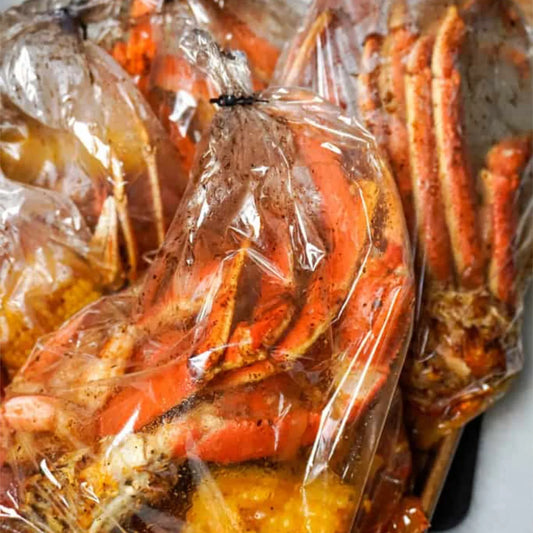
For couples in West Hollywood and surrounding areas seeking hassle-free, high-impact catering, Boil Baby Boil's commercial catering collection offers a streamlined solution. These packages are designed for events where you want bold Cajun flavors and communal dining experiences without the complexity of traditional plated service.
Why Seafood Catering Shines in Summer Weddings
3. Seasonal Freshness: The Flavor Advantage of June Seafood
June's bounty brings peak availability for numerous seafood varieties. Seasonal catches deliver superior taste and texture compared to off-season imports, and savvy caterers leverage this advantage. Coastal locations enjoy proximity to fisheries, enabling same-day sourcing of Dungeness crab, spot prawns, and local halibut. Even inland venues can secure pristine product through reliable supply chains.
Regional specialties add distinctive character. If you're celebrating in Southern California, consider Santa Barbara sea urchin or Baja-style preparations. Communicate these sourcing stories to guests through menu cards or signage—it elevates the dining experience from "nice meal" to "thoughtfully curated culinary journey."
Freshness isn't just about flavor; it's a statement of quality. When guests taste snappy shrimp or sweet crab with clean, oceanic notes, they recognize the care invested in your celebration.
4. Light, Elegant, and Crowd-Pleasing for Warm Weather
Seafood inherently feels lighter than many terrestrial proteins, making it ideal for summer celebrations where guests mingle outdoors in cocktail attire. Nobody wants to feel sluggish after dinner when there's dancing ahead. Delicate fish fillets, succulent shellfish, and bright citrus accents create satisfaction without the heavy, soporific effect of cream-laden beef dishes.
Visually, seafood dazzles. The coral blush of poached shrimp, the jewel-like translucence of crudo, the dramatic presentation of whole roasted fish—these elements photograph beautifully and harmonize with summer color schemes of aqua, peach, and gold.
Balance indulgence thoughtfully. Rich butter sauces and garlic-laden preparations have their place, but pair them with refreshing counterpoints: herb-flecked salads, grilled vegetables with lemon zest, or chilled gazpacho shooters. This interplay keeps the menu dynamic and prevents palate fatigue.
5. Flexibility for Different Wedding Styles and Service Formats
Seafood adapts seamlessly across service styles. Formal plated dinners might feature Chilean sea bass with artichoke purée, while relaxed buffets could showcase Cajun-spiced crawfish boils or grilled salmon stations. Interactive formats—oyster shucking demonstrations, build-your-own ceviche bars, or tableside lobster service—transform dining into entertainment.
Cocktail-style receptions benefit enormously from seafood's versatility. Passed hors d'oeuvres like tuna tartare spoons or crab salad endive boats allow guests to graze elegantly without committing to sit-down courses. For shorter summer events that prioritize mingling over formal dining, this approach feels perfectly calibrated.
Intimate micro-weddings and large-scale celebrations both accommodate seafood beautifully. Small gatherings enable premium splurges—perhaps Alaskan king crab legs for every guest—while larger events might feature signature stations that create memorable moments without per-person extravagance.
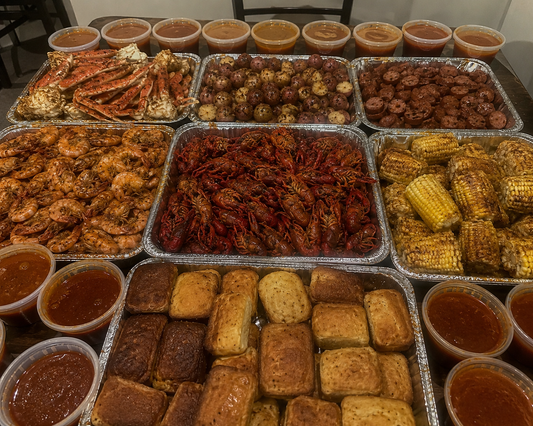
Planning a standout June wedding in the Los Angeles area? Boil Baby Boil's Event Package delivers an unforgettable Cajun seafood experience designed specifically for celebrations. This package eliminates the stress of coordinating multiple vendors while ensuring your guests enjoy restaurant-quality snow crab, shrimp, and signature sides that spark conversation.
Summer Wedding Catering Ideas: Standout Seafood Dishes
6. Show-Stopping Seafood Appetizers for June Receptions
First impressions matter, and seafood appetizers set an elegant tone. Mini crab cakes with remoulade offer bite-sized luxury, while skewered shrimp—grilled with chimichurri or chilled with cocktail sauce—provide familiar crowd-pleasers with upscale polish. Smoked salmon blini topped with crème fraîche and caviar whisper sophistication.
Cold starters excel in heat. Ceviche presented in individual spoons delivers bright acidity and visual flair. Tuna tartare with avocado mousse feels modern and refined. Oyster shooters—perhaps with mignonette and a vodka float—add playful indulgence to cocktail hours.
Don't forget vegetarian-friendly alternatives that maintain thematic cohesion. Watermelon "tuna" bites or hearts of palm "crab" cakes ensure non-seafood guests feel included in the culinary narrative rather than relegated to obligatory side salads.
7. Memorable Seafood Stations Guests Will Talk About
Interactive stations transform dining into theater. Raw bars featuring oysters on crushed ice, clams, and shrimp cocktail create visual drama while allowing guests to customize their experience with mignonettes, hot sauce, and lemon wedges. Ensure your caterer addresses food safety protocols—proper refrigeration, trained shuckers, and clear timelines for replenishment.
Poke bowl stations offer modern appeal, especially for California weddings. Guests select their base (white rice, brown rice, or greens), protein (ahi tuna, salmon, or tofu), and toppings (edamame, cucumber, avocado, crispy onions). This customization accommodates diverse preferences while maintaining a cohesive aesthetic.
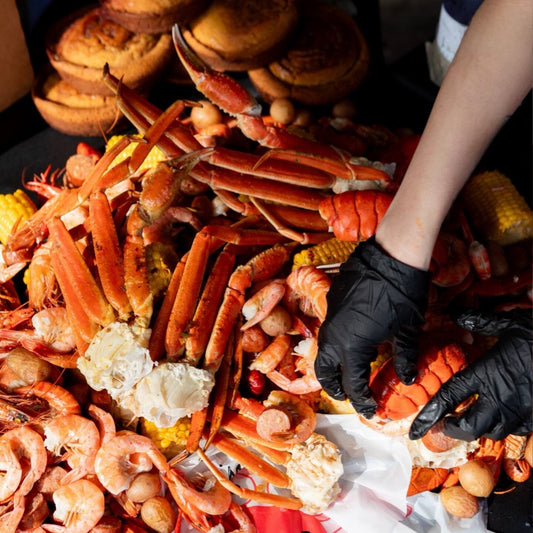
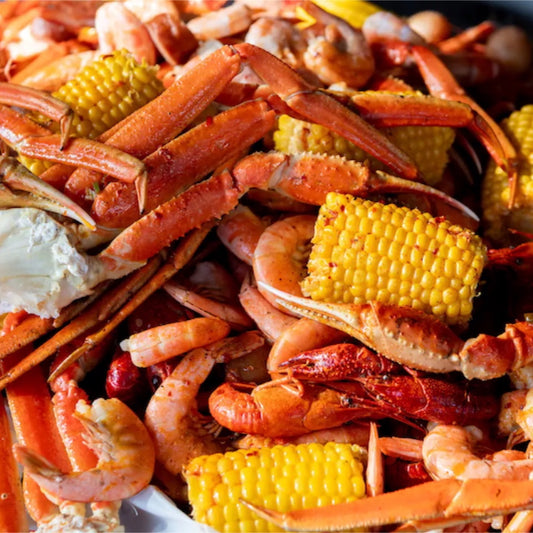
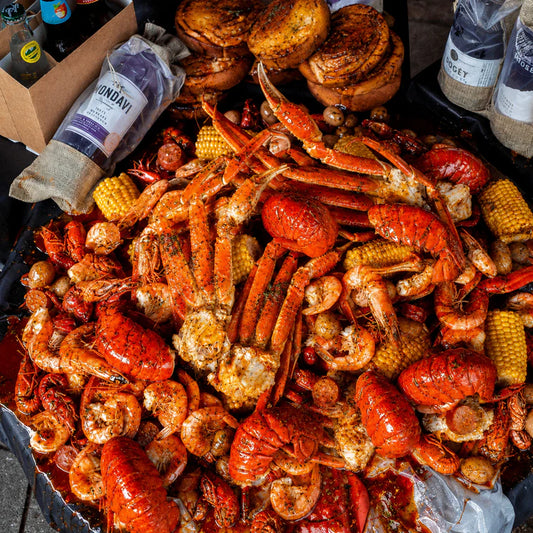
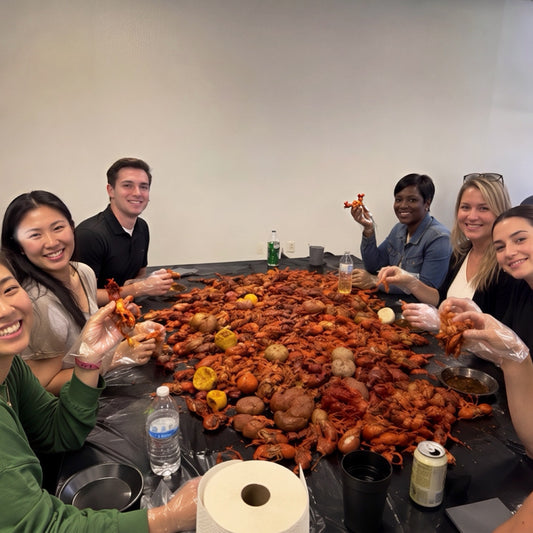
For communal celebration, few options rival a seafood paella station where chefs finish the dish tableside, or a low-country boil spread across butcher paper for family-style feasting. Cajun-style boils bring particular excitement—the aromatic spices, the colorful presentation of corn and potatoes alongside shellfish, and the convivial, hands-on eating experience create memories guests recount for years.
Design matters beyond the food itself. Station signage should complement your wedding stationery. Garnish with fresh herbs, citrus wheels, and florals that echo your centerpieces. Arrange layouts to prevent bottlenecks—multiple access points and clear sightlines keep the flow smooth even during peak service.
8. Elegant Seafood Mains Perfect for Summer Evenings
As daylight softens into twilight, plated mains take center stage. Grilled branzino with charred lemon and herb oil delivers Mediterranean elegance, while pan-seared halibut alongside heirloom tomatoes and basil celebrates peak summer produce. These preparations feel substantial yet sophisticated, never cloying.
Surf-and-turf options satisfy diverse palates. Pairing petite filet mignon with butter-poached lobster tail gives guests the best of both worlds—ideal when your families have split preferences or you want to honor traditional expectations while embracing seafood's allure.
Comfort-forward choices work beautifully for relaxed summer weddings. Lobster rolls—whether Connecticut-style with warm butter or Maine-style with cold mayo—feel celebratory yet approachable. Seafood risotto with saffron and peas offers creamy richness without the heaviness of dairy-forward pastas. Diver scallops seared golden and served over sweet corn purée balance luxury with seasonality.
Portion planning requires finesse. Summer appetites often run lighter, so slightly smaller mains paired with robust appetizers and sides prevent waste while keeping guests energized for dancing. Caterers experienced with June weddings understand this calibration instinctively.
9. Seafood-Inspired Late-Night Bites and Unique Touches
As the evening progresses and dancing intensifies, late-night snacks offer a delightful second wind. Mini fish tacos with cabbage slaw and lime crema bring handheld convenience and bold flavor. Shrimp sliders on brioche rolls feel indulgent yet manageable. Fried calamari served in paper cones channels boardwalk nostalgia with upscale execution.
Consider pairing seafood flavors with your signature cocktails. If you're serving a cucumber-gin fizz, complement it with smoked trout canapés. A spicy margarita pairs beautifully with shrimp ceviche tostadas. These thoughtful connections demonstrate culinary intentionality that guests notice.
Small, unexpected seafood moments personalize your menu. Perhaps you incorporate your grandmother's Portuguese fish stew recipe as a passed soup course, or surprise guests with New Orleans-style beignets dusted with powdered sugar—a nod to Cajun culture if seafood boils featured earlier. These details transform catering from generic to genuinely yours.
Planning Seafood Safely and Responsibly for Summer Weddings
10. Food Safety in Warm Weather: Non-Negotiables
Temperature control isn't optional—it's essential. Confirm your caterer maintains seafood below 40°F during transport and holds hot items above 140°F during service. Professional operations use insulated containers, ice baths, and chafing dishes with reliable heat sources. Don't hesitate to ask specific questions about their protocols during tastings.
Raw preparations require extra scrutiny. Oysters, tartare, and sushi demand impeccable sourcing and handling. These items shine at upscale weddings but become liabilities without proper safeguards. If your venue lacks reliable refrigeration—think rustic barns or remote outdoor sites—prioritize fully cooked options instead.
Develop contingency plans for exceptionally hot days. Can stations be repositioned into shade? Are backup generators available if power falters? Reputable caterers anticipate these scenarios and build redundancies into their operations, but explicit conversations beforehand prevent day-of scrambling.
11. Sustainability and Ethical Seafood Choices
Sustainable seafood reflects values many modern couples prioritize. In practice, this means selecting species harvested through methods that protect ocean ecosystems—line-caught fish over bottom trawling, farmed shellfish over wild-caught endangered species. Certifications like Marine Stewardship Council (MSC) or Aquaculture Stewardship Council (ASC) provide third-party verification.
Ask caterers pointed questions: Where does their seafood originate? Can they provide documentation? Do they adjust menus seasonally based on responsible availability? Quality caterers welcome these inquiries and often maintain relationships with traceable suppliers.
Communicate these choices subtly through menu descriptions—"line-caught Pacific halibut" or "sustainably farmed mussels"—without veering into didactic territory. Guests appreciate transparency and often find these details enhance their dining experience rather than detract from celebration.
12. Navigating Allergies, Dietary Needs, and Non-Seafood Guests
Shellfish allergies rank among the most common food sensitivities, so alternative proteins are non-negotiable. Work with your caterer to develop options that feel equally special—perhaps herb-crusted chicken or wild mushroom Wellington—rather than afterthought salads that signal "dietary restriction compromise."
Vegetarian, vegan, and gluten-free guests deserve parallel attention. A thoughtfully composed roasted vegetable tart with cashew cream can hold its own beside any seafood entrée. Ensure these alternatives integrate with your overall menu aesthetic rather than appearing disconnected.
Clear labeling prevents anxiety and cross-contamination concerns. Elegant signage or menu cards noting major allergens allow guests to navigate choices confidently. For seated dinners, coordinate with your planner to track meal selections and ensure proper plating—confusion during service creates unnecessary stress.
Designing the Full Guest Experience Around Seafood
13. Pairing Drinks with Seafood for Summer Weddings
Wine pairings elevate seafood from delicious to transcendent. Crisp Sauvignon Blanc complements oysters and ceviche with its bright acidity. Albariño or Vermentino echo coastal Mediterranean vibes alongside grilled fish. For richer preparations—butter-poached lobster or creamy risotto—opt for Chardonnay with restrained oak. Sparkling wine and rosé work universally, refreshing palates between courses while matching summer's celebratory mood.
Signature cocktails amplify thematic cohesion. A grapefruit-rosemary gin and tonic feels botanical and sophisticated. Jalapeño-infused margaritas add playful heat that contrasts beautifully with sweet crab. Aperol spritzes channel Italian summers and photograph gorgeously in golden-hour light.
Non-alcoholic pairings deserve equal creativity. Hibiscus-lime agua fresca, cucumber-mint mocktails, or house-made ginger beer show the same care as alcoholic options while keeping designated drivers and non-drinkers engaged in the beverage experience.
14. Styling, Presentation, and Decor to Make Seafood the Star
Serveware choices dramatically impact perception. Rustic wooden boards showcase raw bar presentations beautifully, while sleek white porcelain allows colorful seafood to command attention. Consider textured linens in ocean-inspired hues—seafoam, navy, or sandy beige—that reinforce your theme without overwhelming the visual composition.
Plating techniques matter for photography and guest experience alike. Negative space on plates creates elegance. Microgreens, edible flowers, and citrus supremes add pops of color that enhance both flavor and Instagram appeal. Height and dimension—stacking components or using ring molds—create restaurant-quality presentation even in buffet formats.
Coordinate closely with your planner and photographer to showcase culinary details. Station styling becomes backdrop for candid guest photos. Macro shots of glistening oysters or steam rising from paella tell your wedding story through gastronomy. Discuss lighting with your photographer—natural light flatters seafood's delicate colors far better than harsh flash.
Florals should complement rather than compete. Low centerpieces prevent obstructing table conversation and allow food to remain focal. Incorporate coastal elements thoughtfully—driftwood, sea glass, or rope details—without veering into kitschy territory. Subtle nods feel sophisticated; overt themes can overwhelm.
15. Coordinating Timing and Flow of a Seafood-Focused Menu
Sequencing preserves seafood's optimal texture and temperature. Raw courses should arrive promptly after guests are seated—oysters lose their briny sparkle when languishing. Hot preparations demand precise timing; overcooked fish turns dry and disappointing within minutes.
Balance seafood strategically throughout the meal. If your appetizer features shrimp cocktail, perhaps the main showcases a different protein or preparation style—grilled versus chilled, shellfish versus finfish. This variation maintains interest and prevents flavor fatigue.
Adapt your timeline to June's extended daylight. Outdoor ceremonies often conclude later than scheduled as photographers chase golden hour. Build buffer time so dinner service doesn't feel rushed. Conversely, if dancing starts early, consider expediting courses slightly to maintain momentum without sacrificing quality.
Communication between catering, venue, and event coordination teams prevents bottlenecks. Hot stations require setup time. Raw bars need final styling. Late-night bites should appear just as energy dips. Experienced caterers choreograph these transitions seamlessly, but confirming the timeline weeks beforehand ensures everyone operates from the same playbook.
How to Choose the Right Seafood Caterer for Your June Wedding
16. Evaluating a Caterer's Seafood Expertise
Not all caterers handle seafood with equal proficiency. During consultations, probe their experience specifically with marine proteins. Ask which seafood dishes they've executed for recent summer weddings. Request references from couples whose menus emphasized fish and shellfish—their feedback reveals nuances beyond what sales materials communicate.
Tastings provide critical assessment opportunities. Does the shrimp taste fresh or fishy? Is the fish cooked precisely, or does it arrive rubbery? Are sauces balanced, or do they mask inferior product? Trust your palate. Seafood demands technical skill; mediocre execution becomes immediately apparent.
"The difference between good seafood catering and exceptional seafood catering lies in the details—the sourcing relationships, the chef's knife skills, the understanding that timing is everything."
Review portfolios and past event photography. Quality seafood presentations photograph distinctively—you'll recognize proper shucking technique, appropriate garnishing, and professional plating. If a caterer's past work shows limp lettuce under shrimp cocktail or discolored fish, consider that a meaningful signal.
17. Customizing a Seafood Menu to Your Story and Culture
Your wedding menu should reflect personal narrative, not generic conventions. Perhaps you met at a coastal restaurant—recreate that signature dish. Maybe your families hail from fishing communities—honor those traditions through regional preparations. Vietnamese-inspired shrimp rolls, Korean seafood pancakes, or Italian fritto misto all bring cultural authenticity when they align with your heritage.
Adapt classic wedding items with seafood twists. Swap traditional bruschetta for smoked trout crostini. Replace standard Caesar salad with grilled prawns over romaine. These modifications feel familiar yet distinctive, satisfying conventional expectations while showcasing your culinary preferences.
Budget constraints need not eliminate seafood entirely. Identify one or two "wow" elements—perhaps splurge on a raw bar during cocktail hour but serve more economical grilled fish for the main. Mussels, sardines, and farmed salmon offer excellent flavor at accessible price points. Strategic allocation creates impact without financial strain.
FAQs About Seafood and Summer Wedding Catering Ideas
18. Frequently Asked Questions Couples Ask
Is seafood too risky for an outdoor June wedding?
With proper precautions, absolutely not. Professional caterers maintain strict temperature controls and food safety protocols. Choose vendors experienced with outdoor events who demonstrate clear handling procedures. Avoid raw preparations if venue refrigeration is questionable, but cooked seafood remains perfectly viable.
How much of the menu should be seafood versus other proteins?
This depends on your guests and preferences. A 60/40 seafood-to-alternative ratio works well for most celebrations—seafood stars while accommodating diverse tastes. For true seafood enthusiasts, pushing toward 80% feels appropriate. Always provide at least one compelling non-seafood option for allergies and preferences.
Can we serve a seafood-focused menu if many guests don't usually eat seafood?
Absolutely. Familiar preparations like shrimp cocktail, grilled salmon, or fish tacos often convert skeptics. Avoid overly adventurous items (whole fish, sea urchin) if your crowd skews conservative. Quality execution matters more than variety—perfectly prepared familiar dishes impress more than mediocre exotic options.
What are smart ways to control costs with a seafood-heavy wedding menu?
Focus on seasonal, locally abundant species rather than luxury imports. Incorporate seafood strategically—perhaps in appetizers and one main option rather than every course. Family-style or station service often costs less than individual plating. Smaller portion sizes of premium items (lobster tail halves instead of whole) provide the experience without excessive expense.
How far in advance should we finalize our seafood choices with the caterer?
Confirm the overall menu structure three to four months out, but allow flexibility for specific species closer to the event. Seasonal availability fluctuates, and your caterer may recommend substitutions based on market conditions. Final headcounts and precise details typically lock in two weeks before, giving vendors adequate preparation time.
19. Turning Seafood Ideas into a Cohesive Summer Wedding Menu
Assembling your final menu requires balancing creativity with practicality. Consider these sample frameworks:
| Budget Level | Appetizer | Main | Station/Extra |
|---|---|---|---|
| Casual | Shrimp cocktail | Grilled fish tacos with slaw | Late-night fish sliders |
| Classic | Crab cakes, oysters | Pan-seared salmon or surf-and-turf | Poke bowl station |
| Luxury | Caviar service, tuna tartare | Butter-poached lobster, halibut | Raw bar with oyster shuckers |
Create a final checklist aligning seafood selections with practical considerations:
- Does the menu match our venue's capabilities and aesthetic?
- Have we confirmed caterer expertise and food safety protocols?
- Are alternatives clearly identified for allergies and dietary restrictions?
- Do drink pairings enhance rather than conflict with seafood flavors?
- Has timing been coordinated to serve seafood at peak quality?
- Does the menu tell our story while delighting our guests?
June weddings offer the perfect canvas for seafood to truly steal the show. The season's warmth invites lighter, fresher flavors. The extended daylight creates magical outdoor settings. And thoughtfully executed seafood catering delivers the elegance, excitement, and memorability every couple desires. Whether you're drawn to refined raw bars, communal Cajun boils, or elegant plated presentations, seafood provides endless possibilities to craft a celebration that tastes as extraordinary as it feels.
For West Hollywood couples seeking unforgettable summer wedding catering ideas with zero stress and maximum flavor impact, Boil Baby Boil brings restaurant-quality Cajun seafood directly to your celebration—complete with signature spice blends, fresh cornbread, and that convivial energy that transforms meals into moments.