Holiday Party Catering Los Angeles: Cajun Seafood That Steals the Show
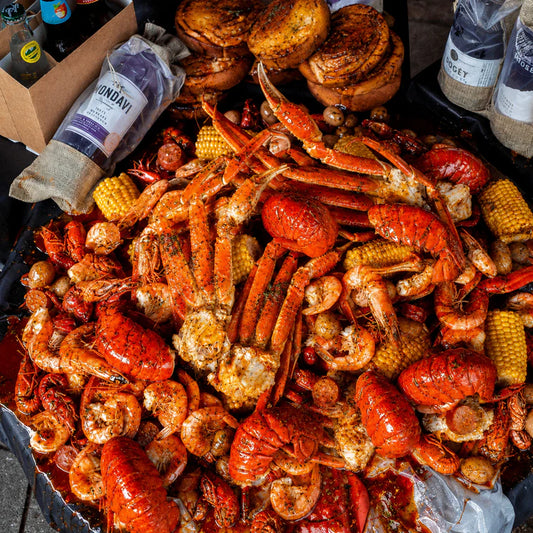
Cajun seafood steals the show at holiday parties in Los Angeles because a seafood boil is festive, shareable and easy to serve, and Boil Baby Boil in West Hollywood caters them with shrimp, snow crab, crawfish, corn and potatoes in garlic butter or Cajun sauce. Book online at boilbabyboil.com for delivery across LA or pickup.
Set the stage: Why Cajun seafood makes LA holiday parties unforgettable
Bold, celebratory flavors that feel festive yet approachable
Cajun seafood brings the kind of bold, interactive energy that turns a typical Los Angeles holiday gathering into a memorable celebration. The signature spice blends—cayenne, garlic, paprika, and bay leaves—create layers of warmth and complexity that feel inherently festive without overwhelming guests who prefer milder profiles. According to the Louisiana State University Agricultural Center, traditional Cajun seasoning achieves its depth through careful layering rather than pure heat, making it adaptable for diverse palates. When snow crab legs, Gulf shrimp, and crawfish are tossed in Cajun butter and piled onto communal tables, the visual drama and hands-on eating style naturally encourage conversation and shared experience—exactly what hosts want during the holiday season.
A fit for LA's diverse tastes and dietary needs
Los Angeles ranks among the most culturally diverse metropolitan areas in the United States, and holiday party menus must reflect that reality. Seafood-focused catering offers natural flexibility: shellfish, fin fish, and plant-based sides can be customized for gluten-free, dairy-free, and pescatarian guests without creating separate menus. The U.S. Census Bureau reports that Los Angeles County is home to residents speaking over 200 languages, and Cajun seafood's approachable format—boiled, grilled, or fried with adjustable spice levels—accommodates a wide spectrum of dietary preferences and cultural eating styles while maintaining a cohesive culinary theme.
Seasonal appeal and market-fresh sourcing
Winter months align with peak harvest seasons for several key Cajun seafood staples. Dungeness crab season runs November through June along the California coast, while Gulf shrimp and Louisiana crawfish reach premium quality during late fall and winter, according to the NOAA FishWatch program. Los Angeles' proximity to both Pacific waters and robust cold-chain distribution from the Gulf means caterers can source exceptionally fresh product during the holiday window. Market-fresh seafood not only tastes better—it also signals to guests that the host invested in quality, elevating the entire event experience.
How to choose a Los Angeles seafood caterer you can trust
Planning a holiday event with Cajun seafood in Los Angeles means vetting caterers carefully. The right partner will bring not only incredible food but also the safety, creativity, and execution needed to make your celebration stress-free. Here's what to look for when comparing caterers across West Hollywood, Beverly Hills, Santa Monica, and beyond.
Credentials, food safety, and experience
Start by confirming your caterer holds a valid Los Angeles County health permit and food handler certifications. According to the Los Angeles County Department of Public Health, all commercial food operators must meet strict sanitation and temperature control standards—critical when serving shellfish like snow crab, shrimp, and crawfish. Ask for proof of liability insurance (typically $1–2 million coverage) and inquire about their seafood sourcing practices. Experienced Cajun seafood caterers will gladly share how they maintain cold chain integrity, handle cross-contact protocols for allergies, and transport live or fresh shellfish safely to your venue.
Menu strategy and customization
A great caterer tailors spice levels and menu formats to your crowd. If you're hosting a corporate event in Century City, you might want a mix of mild garlic butter and classic Cajun heat. For a family gathering in Culver City, consider options for kids and non-seafood eaters. Ask whether the caterer offers build-your-own-boil stations, fried seafood baskets, or refined plated courses. Transparency about ingredient sourcing—wild-caught versus farm-raised, Gulf versus Pacific—adds credibility and lets you align with sustainability goals your guests will appreciate.
Service execution and equipment
Cajun seafood events require specialized gear: boiling equipment, fryers, chafing dishes, and proper ventilation. Confirm your caterer brings commercial-grade tools and trained staff to set up, serve, and break down on time. For indoor venues or high-rise buildings in Hollywood or Westwood, ask how they manage steam, odor, and fire safety compliance. Professional caterers coordinate with venue managers weeks in advance, securing loading dock access, confirming power capacity (often 20-amp circuits for fryers), and obtaining necessary permits from the city when open flames or propane are involved.
Transparent pricing and portions
Request itemized quotes that break down per-person costs, service fees, and any rental or delivery charges. Industry standards suggest one to one-and-a-half pounds of shell-on seafood per guest for a boil-focused menu, according to foodservice planning best practices. A reputable caterer will help you right-size quantities so you avoid waste and stay within budget, while clearly explaining how they calculate portions for shrimp, crab clusters, and sides like cornbread and coleslaw.
Sample Cajun seafood holiday menu ideas (built for LA venues)
A well-designed Cajun seafood menu transforms any holiday gathering into a memorable culinary experience. LA's diverse venues—from rooftop terraces in West Hollywood to intimate patios in Culver City—each present unique opportunities to showcase bold, festive flavors that feel both celebratory and approachable. The key is balancing authentic Louisiana tradition with the expectations of LA guests who value fresh ingredients, creative presentation, and flexible spice levels.
Festive passed bites
Start your event with elegant, easy-to-eat appetizers that introduce guests to Cajun flavor without overwhelming them. Mini lobster rolls with lemon-butter glaze, blackened shrimp skewers with remoulade, and crispy crawfish beignets served on cocktail napkins create instant excitement. For a refined touch, consider crab cakes with creole aioli or oysters Rockefeller-style bites that reference New Orleans tradition while fitting LA's elevated event standards. According to the FDA's seafood safety guidelines, passed appetizers should be kept at proper holding temperatures and refreshed frequently to maintain both flavor and food safety throughout your cocktail hour.
Interactive stations
Interactive seafood boil stations bring theater and engagement to your party. A live station where chefs toss snow crab, shrimp, andouille sausage, corn, and potatoes in signature Cajun butter allows guests to customize spice levels and watch their feast come together. Lobster roll build-your-own bars with warm butter or mayo-based dressings, fresh celery, and toasted brioche rolls encourage participation and accommodate personal preferences. Fried seafood stations featuring crispy catfish, oysters, and soft-shell crab with house-made tartar sauce and hot sauce arrays let guests explore Louisiana's coastal cooking methods while keeping the atmosphere lively and social.
Mains and sides that balance heat
Your main course should deliver bold Cajun character while offering cooling counterpoints. Garlic-butter lobster tails, Cajun-spiced grilled shrimp, and étouffée over rice provide protein variety with adjustable spice levels. Balance the heat with classic Louisiana sides: creamy coleslaw, buttery cornbread, garlicky green beans, and red beans and rice. The LSU AgCenter notes that traditional Louisiana sides were designed to temper spice and provide textural contrast, making them essential to an authentic and guest-friendly Cajun spread. Consider offering mild and spicy versions of sauces on the side so guests can control their experience.
Sweets and sips
Close your menu with Louisiana-inspired desserts and refreshing beverages. Warm beignets dusted with powdered sugar, bread pudding with bourbon sauce, and pecan pralines honor tradition while satisfying sweet cravings. For drinks, pair Cajun seafood with citrus-forward cocktails like hurricanes or frozen daiquiris, craft beers, crisp white wines, or Southern-style sweet tea and lemonade for non-drinkers. These cooling, slightly sweet beverages help reset palates between courses and complement the richness of butter-based seafood preparations.
Kid-friendly and non-seafood options
Inclusive menus ensure every guest enjoys the celebration. Offer mild grilled chicken tenders with honey mustard, buttered pasta, or cheese quesadillas for younger guests and those who prefer to avoid seafood or spice. According to FARE (Food Allergy Research & Education), clearly labeled allergen-free options and separate serving utensils prevent cross-contact and make guests with shellfish allergies feel welcome and safe. Simple sides like garlic bread, fruit platters, and Caesar salad without anchovies round out options for all dietary needs.
Planning timeline for Holiday party catering Los Angeles seafood
Securing exceptional Cajun seafood catering in Los Angeles during peak holiday season requires forward planning. December calendars fill quickly, and quality caterers often book out weeks—or even months—in advance. Follow this timeline to lock in your date, finalize details, and ensure flawless execution for your holiday event.
8–12 weeks out: Define scope and secure date
Start by clarifying your guest count, venue, budget, and preferred service style. Reach out to at least three reputable Los Angeles seafood caterers who specialize in Cajun boils and ask about availability for your target date. According to the Eventbrite Event Planning Guide, corporate and private holiday events should be booked 8–12 weeks ahead to secure first-choice vendors. Request preliminary menus, pricing, and references. Once you've selected a caterer, place a deposit to hold your date—December weekends in West Hollywood, Beverly Hills, and Century City often sell out by late October.
4–6 weeks out: Taste and finalize
Schedule an in-person or virtual tasting to sample key menu items—snow crab with Cajun butter, shrimp boil, lobster, and sides like cornbread and beignets. This is your chance to dial in spice levels, confirm portion sizes, and adjust for dietary restrictions. Bring a small team or co-host to gather feedback. Finalize the menu, headcount estimates, service timeline, and rental needs. Confirm any add-ons like interactive chef stations or passed appetizers. Sign your catering contract and provide a second deposit if required.
2–3 weeks out: Lock logistics
Share your venue floor plan, load-in/out times, parking instructions, and access codes with your caterer. Confirm power outlets, water access, and ventilation for on-site boiling or frying. If your event is in a high-rise building or gated community in Brentwood or Santa Monica, verify elevator reservations and service entrance protocols. Submit any required certificates of insurance or permit paperwork to your venue. Provide a final headcount and finalize beverage pairings or bar coordination.
Event week/day: Execution details
Reconfirm arrival times, setup duration, and breakdown plans 48 hours before your event. Designate a point person to meet the catering team on-site and answer questions. Walk through allergy signage, buffet flow, and waste stations. On event day, arrive early to approve table setup, garnish displays, and heating equipment. Trust your caterer's expertise, but stay available for last-minute guest adjustments or timeline shifts. Quality Cajun seafood catering services in Los Angeles will handle the heavy lifting—your job is to welcome guests and enjoy the celebration.
What Cajun seafood catering costs in LA—and how to budget
Understanding what you'll pay for Cajun seafood catering in Los Angeles helps you allocate your holiday party budget wisely and avoid last-minute surprises. Pricing varies widely based on service style, menu complexity, and guest count, but transparency from your caterer should be a given.
Typical price ranges by service style
In Los Angeles, drop-off Cajun seafood catering typically starts around $25 to $40 per person for basic boil packages with shrimp, corn, and potatoes. Full-service events with on-site chefs, interactive boil stations, and premium proteins like lobster or Dungeness crab range from $65 to $120 per person, according to industry data from the Catering Source and local LA event planners. Passed appetizers and stationed service fall in the middle, around $45 to $75 per guest. High-rise venues in Downtown LA or Beverly Hills may add delivery and setup fees of $150 to $500, depending on access constraints and equipment needs.
Key cost drivers
Several factors push catering costs higher during the holiday season. Premium seafood like live crawfish, stone crab, or wild Gulf shrimp commands significantly more than farmed or frozen alternatives. Staffing levels also matter: a live boil demonstration with uniformed chefs costs more than warming trays managed by a single attendant. Event timing plays a role too—Saturday evenings in December, peak holiday party season in LA, carry premium pricing due to demand. Specialty dietary accommodations, custom menu development, and last-minute orders within 48 hours often incur additional charges of 15 to 25 percent, as noted by the Los Angeles Catering Association.
Smart savings without sacrificing quality
Book early to lock in rates before peak-season surcharges kick in, ideally eight to ten weeks out for December parties. Consider weekday or daytime events, which many caterers price lower than weekend evenings. Balance your menu by featuring one high-impact premium protein alongside more affordable options like seasoned shrimp or mussels. Family-style platters rather than individually plated courses reduce labor and rentals. Minimize rentals by choosing venues with existing tables, linens, and serving ware. Finally, confirm portion sizes in writing—over-ordering is a common budget drain, and most caterers will guide you toward accurate counts based on your event format and duration.
Sourcing and sustainability you can stand behind
When you're investing in holiday party catering Los Angeles seafood, the origin story of what lands on your guests' plates matters. Quality sourcing protects your reputation, supports responsible fisheries, and ensures your Cajun seafood boil delivers the bold, fresh flavors Los Angeles diners expect. Before signing a catering contract, dig into where—and how—your caterer sources their snow crab, crawfish, shrimp, and lobster.
What to ask about sourcing
Request specifics: which fisheries, distributors, or docks supply your caterer's shellfish. Reputable Los Angeles seafood caterers can name their suppliers and explain seasonality. Ask if they prioritize domestic sources—Louisiana crawfish, Alaska king crab, or Gulf shrimp—and whether they shift menus when local California spot prawns or Dungeness crab are in season. According to the National Oceanic and Atmospheric Administration (NOAA), nearly 90% of seafood consumed in the U.S. is imported, so transparency around origin helps you choose caterers committed to traceability and food safety standards enforced by the U.S. Food and Drug Administration (FDA).
Standards and certifications
Look for caterers who source from fisheries certified by the Marine Stewardship Council (MSC) or suppliers meeting Best Aquaculture Practices (BAP) standards. These third-party certifications verify sustainable harvest methods, reduced bycatch, and habitat protection. Ask whether your caterer follows Monterey Bay Aquarium Seafood Watch recommendations, which classify species as "Best Choice," "Good Alternative," or "Avoid" based on environmental impact. Caterers serving Los Angeles events should also maintain current food handler permits, liability insurance, and compliance with Los Angeles County Department of Public Health regulations.
Waste reduction at events
Holiday parties generate waste, but thoughtful caterers minimize it. Ask how your seafood caterer plans portions to reduce overproduction, whether they donate untouched food to local organizations like Food Forward in Los Angeles, and if they use compostable serving ware. Shell waste from seafood boils can be composted through commercial programs; inquire if your caterer partners with LA-area composting services or offers post-event waste separation. Reducing single-use plastics and coordinating accurate headcounts cuts environmental impact while keeping your event budget lean.
LA logistics hosts often overlook
Even the best Cajun seafood menu can stumble when venue logistics haven't been thought through. Los Angeles presents unique challenges—from high-rise loading docks to strict fire codes—that require advance planning to ensure smooth service and guest safety.
Access, parking, and insurance
Catering vehicles need safe, legal loading zones, especially in high-traffic areas like West Hollywood or Beverly Hills where street parking is limited and meter enforcement runs until 8 p.m. or later. Confirm your venue has dedicated load-in access or can reserve spots for the catering window. High-rise buildings and office complexes in Century City or Downtown LA typically require freight elevator reservations booked days in advance, along with certificates of insurance naming the property as an additional insured. Most commercial venues require at least $1 million in general liability coverage, and some HOAs or luxury residences mandate $2 million or more, according to Los Angeles Department of Building and Safety permit guidelines. Ask your caterer to provide proof of insurance and workers' compensation at least two weeks before the event to avoid last-minute access denials.
Power, ventilation, and fire rules
Live seafood boils, fried appetizers, and hot holding equipment draw significant amperage. A standard residential kitchen circuit provides 15–20 amps; commercial fryers and induction burners often require dedicated 30-amp or 240-volt connections. Verify electrical capacity with your venue manager and arrange generator rental if outdoor or tent setups lack adequate power. The Los Angeles Fire Department enforces strict open-flame and propane regulations at indoor and outdoor events. Propane burners used for live boil stations typically require 10-foot clearances from structures, overhead canopies, and guest areas, and may trigger permit requirements under LAFD's Special Event Permit process. Indoor venues must confirm ventilation hoods meet commercial kitchen standards if on-site cooking occurs. Always coordinate with your caterer and venue to ensure compliance and avoid day-of shutdowns.
Allergy and cross-contact protocols
Shellfish allergies can trigger severe anaphylactic reactions, so clear labeling and dedicated prep protocols are non-negotiable. The Food Allergen Labeling and Consumer Protection Act (FALCPA) requires disclosure of major allergens, and California's food safety regulations mandate separation of allergen-containing foods during preparation and service. Ask your caterer how they prevent cross-contact: dedicated cutting boards, separate fryers for shellfish versus non-seafood items, and staff training on allergen awareness. Display clear signage at buffet stations listing all major allergens, and assign a point person—either catering staff or a designated host—to answer guest questions. For high-risk guests, consider offering individually plated, allergen-free meals prepared in a separate kitchen to eliminate any risk of trace exposure.
Neighborhood and HOA considerations
Residential neighborhoods and homeowner associations across LA's Westside enforce noise ordinances, parking restrictions, and event rules that can catch hosts off guard. Most Los Angeles neighborhoods limit amplified music and outdoor gatherings to 10 p.m. on weekdays and 11 p.m. on weekends, with stricter limits in hillside communities like Brentwood and the Hollywood Hills. HOAs may require advance event registration, guest parking passes, or approval of vendor access hours. Odor is another concern: while Cajun spices and seafood boils smell delicious to guests, concentrated cooking aromas can drift to neighboring properties and prompt complaints. Position cooking stations downwind of nearby homes, use exhaust fans or ventilation tents, and give neighbors courtesy notice if you're hosting a large gathering. Proactive communication prevents conflicts and keeps your celebration stress-free.
Presentation ideas that make Cajun seafood the star
Visual impact transforms great food into a memorable holiday experience. Los Angeles guests expect Instagram-worthy moments, and Cajun seafood delivers drama, color, and interactive appeal when styled thoughtfully. Whether you're hosting in a West Hollywood loft, a Beverly Hills estate, or a Century City high-rise, presentation amplifies flavor and sets the festive tone from the moment guests arrive.
Boil displays with clean, food-safe styling
Traditional seafood boils are served family-style on butcher paper, creating communal excitement that feels perfect for holiday gatherings. For catered events, request clean, commercial-grade butcher paper or parchment over vinyl-coated substitutes, and ensure all surfaces meet California food safety standards outlined by the California Department of Public Health. Arrange snow crab, crawfish, shrimp, and lobster in vibrant clusters, interspersed with halved corn, quartered potatoes, and lemon wedges for natural color contrast. Mallets, bibs, and wet towel stations positioned nearby signal hands-on fun while maintaining elegance. For formal venues, elevate the display onto tiered risers or galvanized trays lined with parchment, keeping the rustic vibe without mess.
Refined plating and garnishes
When the event calls for passed hors d'oeuvres or plated service, Cajun seafood adapts beautifully. Serve lobster tail medallions over creamy grits in individual tasting spoons, or present shrimp étouffée in mini cast-iron skillets garnished with microgreens and smoked paprika oil. Fresh herbs like parsley, cilantro, and chives add brightness, while edible flowers bring holiday sophistication. Pair warm cornbread squares with whipped Cajun butter rosettes, and use slate or white porcelain to let bold sauces pop visually. According to the California Restaurant Association, elevated plating increases perceived value and guest satisfaction without altering core recipes.
Interactive chef stations
Live cooking stations turn catering into entertainment. Position a chef at a boil kettle, tossing fresh seafood with garlic butter and Cajun spices while guests watch, or set up a fry station for crispy oyster po'boys and golden beignets made to order. Interactive elements encourage mingling and create shareable social media moments. Ensure adequate ventilation and confirm fire safety compliance with the Los Angeles Fire Department for any live-flame equipment. Stations work especially well in outdoor patios, rooftop spaces, or venues with commercial-grade exhaust systems, common in Santa Monica, Culver City, and Hollywood event spaces.
Beverage and side pairings that balance Cajun heat
Cajun seafood brings bold, layered spice that energizes holiday parties, but smart beverage and side pairings ensure every guest enjoys the experience comfortably. Strategic pairings don't just tame heat—they enhance flavor complexity, refresh palates between courses, and create a balanced menu that keeps guests engaged from first bite to last.
Alcoholic and zero-proof pairings
Crisp, slightly sweet, or effervescent drinks naturally complement rich Cajun butter and peppery spice levels. For alcoholic options, off-dry Riesling, unoaked Chardonnay, and sparkling wines cut through seasoning while matching seafood's delicate sweetness. California-made Sauvignon Blanc from nearby Paso Robles or Santa Barbara County offers bright acidity and local appeal. Wheat beers, lagers, and citrus-forward IPAs provide carbonation that cleanses spice, while Mexican lagers with lime wedges remain crowd favorites at Los Angeles events. Consider signature cocktails like classic margaritas, mojitos with fresh mint, or palomas with grapefruit—all refresh without overpowering seafood flavors.
Zero-proof options deserve equal attention for inclusive hospitality. Sparkling lemonade with fresh herbs, hibiscus agua fresca, cucumber-mint spritzers, and craft ginger beers satisfy designated drivers, pregnant guests, and non-drinkers. Coconut water and iced tea with peach or mango provide natural sweetness that balances heat. According to the National Restaurant Association, 43% of U.S. adults actively seek non-alcoholic beverage options at events, making thoughtful zero-proof pairings essential for guest satisfaction.
Cooling sides and palate cleansers
Strategic sides temper Cajun intensity while adding textural variety. Creamy coleslaw with tangy vinegar dressing, chilled cucumber salad with dill, and fresh fruit platters featuring watermelon and pineapple offer immediate cooling relief. Buttered cornbread provides mild sweetness and absorbs rich seafood broths, while warm dinner rolls with honey butter give spice-sensitive guests satisfying alternatives. Consider offering Southern-style mac and cheese as a familiar, comforting buffer alongside bolder dishes.
For interactive palate cleansers between courses, set up small stations with lemon wedges, pickled vegetables, and fresh herb sprigs. Sorbet served in small cups—lemon, lime, or mango—clears palates elegantly during multi-course celebrations. These cooling complements ensure guests enjoy full flavor profiles without overwhelming heat, creating a well-rounded holiday catering experience across diverse spice tolerances.
FAQs: Holiday party catering Los Angeles seafood
How early should I book a Cajun seafood caterer for December in LA?
For December holiday parties in Los Angeles, book your Cajun seafood caterer at least 8 to 12 weeks in advance. According to the Events Industry Council, December is peak season for corporate and private events, and experienced caterers working in West Hollywood, Beverly Hills, and Century City fill their calendars quickly. If you're planning a large party for 50 or more guests, or scheduling near peak dates like mid-December weekends, secure your caterer even earlier. For same-day or last-minute bookings, contact caterers directly to inquire about availability, though menu customization may be limited.
Can a seafood boil work in a high-rise or office building?
Yes, seafood boils can adapt to high-rise and office venues in Los Angeles, but logistics matter. Most professional caterers use portable induction burners or pre-boiled seafood transported in insulated containers to minimize steam, odor, and equipment needs. Confirm with your building manager that cooking equipment is permitted and check ventilation requirements. The Los Angeles Fire Department requires advance notice for certain cooking appliances in commercial buildings. Many Century City and downtown LA office caterers offer pre-cooked seafood boils reheated on-site or cold boil platters to simplify service in restricted spaces.
How do you keep fried seafood crisp for a party service window?
Professional caterers use two-stage frying techniques and warming equipment to maintain crispness. The ServSafe program recommends frying seafood as close to service time as possible and holding finished items in heated wire racks rather than stacked trays, which trap steam. For extended service windows, caterers often fry in small batches every 20 to 30 minutes. Alternatively, fried items can be held at 140°F in warming cabinets with low humidity settings. Communicate your expected service duration so your caterer can plan batch timing and equipment accordingly.
What if guests don't eat seafood or prefer mild spice?
Reputable Los Angeles caterers routinely offer non-seafood proteins like Cajun-spiced chicken, andouille sausage, or grilled steak alongside seafood options. For guests sensitive to heat, request a separate batch with reduced cayenne or a mild garlic-butter seasoning instead of traditional Cajun spice blends. According to Food Allergy Research & Education, clearly labeled dishes and dedicated serving utensils help guests navigate choices safely. Many LA caterers serving Culver City and Santa Monica venues prepare vegetarian sides like roasted corn, potatoes, and seasonal salads to round out the menu for diverse dietary needs.
How are shellfish allergies handled safely at events?
Strict separation protocols are essential. The U.S. Food and Drug Administration mandates that caterers disclose major allergens, including shellfish, and prevent cross-contact during prep, cooking, and service. Professional caterers use dedicated cutting boards, utensils, cookware, and gloves for allergen-free items. Request a separate non-seafood station positioned away from boiling or frying zones to minimize airborne particles. At buffet events, place allergen-free dishes first in the service line and provide clear signage listing all ingredients. For guests with severe allergies, consider individually plated non-seafood entrees prepared in a separate kitchen.
Do I need permits for on-site boiling, frying, or open flame?
Permit requirements depend on your venue type and the equipment used. The Los Angeles Fire Department requires permits for cooking operations involving open flame, propane burners, or deep fryers in most commercial and public spaces. Residential venues in Los Angeles County may have fewer restrictions, but homeowners' associations in areas like Brentwood and Beverly Hills often impose their own rules. Always confirm with your caterer whether they hold necessary permits and insurance. Most licensed LA caterers handle permit applications and coordinate inspections on your behalf, especially for large events in Hollywood or West Hollywood venues subject to municipal oversight.
What portions should I plan per guest for a seafood-focused menu?
The U.S. Department of Agriculture suggests 6 to 8 ounces of protein per person for a main course. For seafood boils, plan approximately ½ pound of shell-on shrimp, 1 pound of snow crab legs, or ¾ pound of crawfish per guest when seafood is the primary protein. If offering multiple proteins and substantial sides like potatoes, corn, and sausage, you can reduce seafood portions slightly. For passed appetizers or buffet-style service with other entrées, allocate 3 to 4 ounces per person. Discuss your service style and menu mix with your caterer to adjust portions accurately and minimize waste.
Host checklist: Brief your caterer with the essentials
Clear communication is the backbone of seamless holiday party catering in Los Angeles. Sharing a complete event brief upfront helps your seafood caterer anticipate challenges, allocate the right resources, and execute without surprises. This checklist covers the five critical categories every host should prepare before booking.
Guest profile and dietary map
Share your final headcount at least two weeks before the event, and include a breakdown of dietary restrictions—shellfish allergies, gluten-free, vegetarian, and spice sensitivities. For example, if 15 of your 80 guests don't eat seafood, your caterer can plan grilled chicken or sausage portions rather than scramble last-minute. According to the Food Allergy Research & Education (FARE), shellfish allergy affects approximately 2.5% of U.S. adults, making proactive planning essential. Provide age ranges if children are attending; Cajun seasoning may need dialing back for younger palates, and portion sizes differ significantly.
Venue constraints, floor plan, load-in/out details
Send your caterer a venue floor plan with marked kitchen access, service zones, guest flow, and electrical outlets. Highlight any access restrictions—elevator reservations, loading dock hours, or narrow hallways—that could delay setup. Los Angeles high-rises and historic venues often require certificates of insurance naming the building, which your caterer needs to arrange in advance. Specify load-in and strike windows; a Century City office tower may limit access to 7–9 a.m., while a Santa Monica beachfront space may require parking permits.
Service style, timeline, and staffing needs
Clarify whether you want passed hors d'oeuvres, a buffet seafood boil, or chef-attended stations. Outline your event timeline—cocktail hour start, dinner service, dessert, and wrap time—so the caterer can staff appropriately. A 100-guest seated dinner typically requires a 1:15 server-to-guest ratio, while buffet service can stretch to 1:25, according to event industry standards. Include speech or entertainment segments that pause service.
Rentals, power, water access, and waste plan
Confirm who provides tables, linens, chafing dishes, and serving ware—host or caterer. Identify available power capacity; boiling and frying equipment draws significant amperage, and circuit breakers in older LA venues may trip without dedicated lines. Indicate water access for hand-washing stations and seafood rinsing, and arrange trash and compost removal. California's CalRecycle mandates organics diversion for many venues, so discuss compostable serviceware upfront.
Signage, labels, and allergy communication
Request clear buffet labels listing all allergens—crab, shrimp, dairy, wheat, soy, and spice levels—so guests can self-navigate safely. The FDA Food Code recommends visible allergen disclosures at service points. If you're hosting at a corporate office or residential building, arrange wayfinding signage directing guests and vendors to the correct entrance and floor, minimizing confusion during peak Los Angeles holiday traffic.
Next steps: Secure your date and finalize your Cajun seafood vision
You've built your menu framework, addressed dietary needs, and worked through the logistics. Now it's time to move from planning to execution. Holiday catering slots in Los Angeles fill quickly—especially for specialized seafood providers with limited kitchen capacity—so taking decisive action in the next week can mean the difference between your first-choice caterer and a last-minute scramble.
Shortlist reputable LA seafood caterers, request menus and references
Start by identifying three to five caterers who specialize in Cajun seafood and serve your West Hollywood, Beverly Hills, or Century City area. Check Google Business Profiles, Yelp reviews, and local event planner recommendations. Request sample menus that show flexibility with spice levels, portion sizes, and service formats. Ask for client references—specifically from similar events like corporate holiday parties or private home celebrations—and confirm food safety certifications such as Los Angeles County Health Department permits. Verify insurance coverage, especially liability for high-rise or multi-tenant venues. This vetting step protects your budget and your guests' experience.
Schedule a tasting to dial in spice levels and service style
Tastings eliminate guesswork. Bring two or three decision-makers who represent your guest demographics—someone who loves bold heat, someone who prefers mild, and ideally a guest with a shellfish allergy to test cross-contact protocols. Sample your planned mains, sides, and one dessert. Evaluate presentation, temperature control, and how quickly items lose their texture. Use this session to finalize spice blends, confirm portion accuracy, and clarify service timing. Many LA caterers offer tastings at their kitchen or can deliver samples to your office; schedule yours at least four to six weeks before your event to allow menu tweaks.
Confirm logistics early to avoid peak-season bottlenecks
December catering dates lock up by mid-October in Los Angeles. Once you select your caterer, confirm your event date in writing, along with load-in times, parking validation, venue access codes, and any required certificates of insurance. Reserve rental items like chafing dishes, ice bins, and linens early—peak holiday weeks see shortages. Finalize your headcount two weeks out and provide a guaranteed minimum three business days before the event. Front-loading these details protects you from price surges, staffing gaps, and last-minute vendor cancellations, ensuring your Cajun seafood celebration runs flawlessly.