Holiday Party Catering Los Angeles: Cajun Seafood That Steals the Show
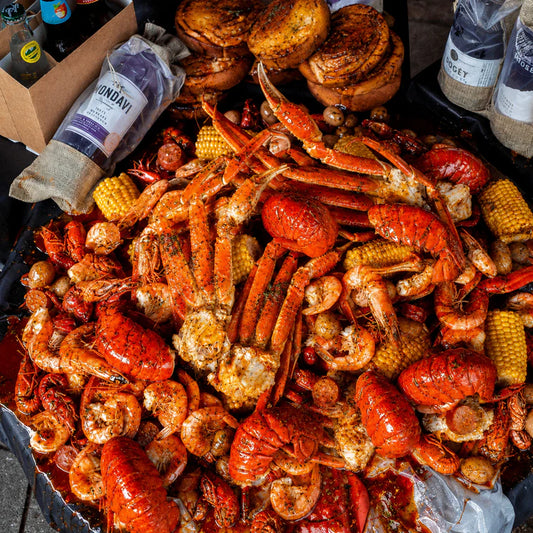
Boil Baby Boil makes holiday party catering in Los Angeles easy with Cajun seafood boils of shrimp, snow crab, crawfish, corn and potatoes in garlic butter or Cajun sauce that turn any office party or family gathering into a feast. Order online at boilbabyboil.com for delivery across WeHo, Beverly Hills and greater LA, or pickup.
Set the stage: Why Cajun seafood makes LA holiday parties unforgettable
Bold, celebratory flavors that feel festive yet approachable
Cajun seafood hits a sweet spot for holiday entertaining: it feels special without being stuffy. The aromatic blend of garlic, paprika, cayenne, and bay leaf delivers bold, crave-worthy flavor that guests remember long after the party ends. Unlike delicate dishes that can fade into the background, a well-executed seafood boil commands attention—the vibrant colors, the interactive peel-and-eat experience, and the communal vibe all scream celebration. Los Angeles diners, from downtown loft gatherings to Brentwood backyard events, appreciate food that looks as dynamic as it tastes. According to the Seafood Nutrition Partnership, seafood consumption peaks during the holiday season, reflecting its festive appeal and perceived health benefits compared to heavier red-meat entrees.
The spice level in Cajun seafood is also highly customizable, meaning caterers can dial in heat to match your crowd. A mild butter-garlic seasoning satisfies cautious eaters, while cayenne-forward blends excite spice enthusiasts. This flexibility makes it approachable for mixed-age parties, corporate events, and family reunions across West Hollywood, Beverly Hills, and beyond.
A fit for LA's diverse tastes and dietary needs
Los Angeles is one of the most culturally diverse cities in the United States, and holiday menus must reflect that reality. Cajun seafood naturally accommodates a wide range of dietary preferences: it is inherently gluten-free when prepared without breaded components, and lean proteins like shrimp and crab are high in omega-3 fatty acids while remaining lower in saturated fat than many holiday mains. The U.S. Food and Drug Administration recommends two to three servings of seafood per week, making a holiday seafood spread both indulgent and aligned with wellness goals.
Cajun menus also pair well with vegetable sides—roasted corn, potatoes, and sausage—that round out the experience for guests who prefer lighter fare or need to avoid shellfish. This inclusivity is critical in a city where vegan, kosher, halal, and allergy-conscious guests often attend the same event.
Seasonal appeal and market-fresh sourcing
Holiday seafood catering in Los Angeles benefits from year-round access to fresh, high-quality product. The Port of Los Angeles is the busiest container port in the Western Hemisphere, and Southern California's seafood markets supply snow crab, Gulf shrimp, and live lobster daily. According to NOAA Fisheries, domestic shrimp and crab landings remain strong through winter months, ensuring seasonal availability without relying solely on imports.
Reputable caterers source from certified suppliers who follow Monterey Bay Aquarium Seafood Watch guidelines, prioritizing sustainable fisheries and traceability. This transparency resonates with LA's environmentally conscious event hosts, adding a layer of integrity to your holiday celebration.
How to choose a Los Angeles seafood caterer you can trust
The Los Angeles catering landscape is packed with options, but not every caterer brings the expertise required to safely handle shellfish, execute a flawless Cajun boil, and keep guests raving. Choosing the right partner for your holiday party means looking beyond glossy portfolios and digging into credentials, service standards, and transparency—especially when raw and live seafood are involved.
Credentials, food safety, and experience
Start with the basics: confirm your caterer holds a valid Los Angeles County Department of Public Health food facility permit and that staff have current food handler cards. Seafood catering introduces unique risks, from shellfish allergen cross-contact to time-temperature abuse, so ask about HACCP training and how they monitor cold chains during transport and service. Request client references, especially for events similar in size and complexity to yours. An established Los Angeles seafood caterer should easily provide testimonials from corporate clients, event planners, or production studios that can speak to reliability, food quality, and professionalism under pressure.
Menu strategy and customization
A trustworthy caterer will collaborate on a menu that honors your vision while respecting your venue's constraints. Ask how they adapt Cajun spice levels for mixed audiences, offer shellfish-free alternatives, and accommodate gluten-free or vegetarian guests. Look for caterers who source seasonal, market-fresh seafood and can walk you through daily availability—wild Gulf shrimp, Dungeness crab, and Maine lobster all have peak seasons that affect quality and price. A flexible partner will propose creative passed apps, interactive boil stations, and refined plated options that scale from intimate gatherings to 200-person corporate celebrations.
Service execution and equipment
On-site execution can make or break your event. Confirm the caterer brings commercial-grade equipment—portable burners for live boils, chafing dishes with proper fuel, insulated transport containers—and understands your venue's power and ventilation limits. Ask whether they provide serve-ware, linens, and cleanup or if rentals are separate. Professional Los Angeles caterers will conduct a site walk-through, coordinate load-in and load-out with building management, and carry general liability insurance, often required by upscale venues, hotels, and office properties across West Hollywood, Beverly Hills, and Century City.
Transparent pricing and portions
Reputable caterers provide itemized quotes that break down food costs, labor, rentals, delivery, gratuity, and any venue fees. For seafood boils, portion guidelines typically suggest one to one-and-a-half pounds of shellfish per guest for a main course, with sides and appetizers adjusting the total. Be wary of vague "per person" estimates that don't specify counts or weights. Ask about minimum guest counts, overtime charges, and cancellation policies upfront, especially during December's high-demand holiday window.
Sample Cajun seafood holiday menu ideas (built for LA venues)
Planning a memorable holiday spread means balancing tradition, variety, and the bold flavors that make Cajun seafood unforgettable. Los Angeles caterers who specialize in seafood boils and Louisiana-style dishes can build holiday menus that fit everything from rooftop terraces in West Hollywood to corporate dining rooms in Century City. The key is selecting items that travel well, hold heat or chill through service windows, and deliver visual wow alongside big taste.
For event planners looking to streamline the process and guarantee quality, exploring curated catering packages designed for commercial events ensures everything from portion sizing to equipment is handled by professionals.
Festive passed bites
Start the evening with hand-held appetizers that introduce Cajun flavors without overwhelming the palate. Mini lobster rolls with Old Bay aioli, blackened shrimp skewers, and cornmeal-fried oyster shooters with remoulade bring elegance and ease. Cajun crab cakes topped with lemon crème fraîche or crawfish beignets dusted with cayenne sugar work beautifully for standing receptions. According to the National Restaurant Association, passed appetizers remain the most popular format for corporate holiday events in metro markets, offering flexibility and portion control.
Interactive stations
Live seafood boil stations create theater and engage guests. A chef can crack fresh snow crab legs, peel shrimp, and toss them in house-made Cajun butter tableside, while guests build custom portions with corn, andouille sausage, and baby potatoes. Oyster-shucking bars with hot sauce flights and a raw bar featuring West Coast oysters and jumbo shrimp cocktail add luxury. Interactive setups encourage mingling and allow guests to control spice levels in real time.
Mains and sides that balance heat
Center the menu around crowd-pleasing proteins: garlic butter lobster tails, Cajun-seasoned crawfish, or jumbo prawns with adjustable spice. Pair them with cooling sides like creamy coleslaw, jalapeño cheddar cornbread, dirty rice, and roasted Brussels sprouts with bacon. The Louisiana Seafood Promotion and Marketing Board recommends offering at least one mild starch—like buttered red potatoes or garlic bread—to balance bold seasoning and accommodate diverse palates.
Sweets and sips
Finish strong with New Orleans-inspired desserts: warm beignets with chicory coffee dipping sauce, bourbon pecan tarts, or praline bread pudding. For beverages, offer chilled sauvignon blanc, crisp pilsners, sweet tea, and sparkling lemonade. Signature cocktails like a blood orange Hurricane or mint mojito provide festive color and cut through rich, buttery seafood.
Kid-friendly and non-seafood options
Ensure younger guests and non-seafood eaters have satisfying choices. Grilled chicken tenders with honey mustard, mild Cajun pasta with sausage, and cheese quesadillas keep kids happy. Vegetarian jambalaya and roasted vegetable platters accommodate plant-based diets. Clear labeling and advance communication with your caterer prevent last-minute scrambles and ensure every guest leaves satisfied.
Planning timeline for Holiday party catering Los Angeles seafood
A successful Cajun seafood event in Los Angeles starts with strategic timing. According to the National Conference of State Legislatures, advance planning significantly reduces food safety risks and logistical mishaps. The competitive holiday catering landscape in LA means top-tier seafood caterers book out 8–12 weeks ahead during November and December peak season.
8–12 weeks out: Define scope and secure date
Begin by confirming your guest count, venue location, and budget ceiling. Reach out to at least three licensed seafood caterers serving West Hollywood, Beverly Hills, or your specific LA neighborhood. Request availability, preliminary menus, and all-inclusive pricing. Verify each caterer holds a current Los Angeles County Health Permit and commercial liability insurance. For corporate or public events, the LA County Environmental Health Department recommends confirming temporary food facility permits at this stage if on-site cooking or boiling is planned. Secure your preferred date with a signed contract and deposit.
4–6 weeks out: Taste and finalize
Schedule an in-person or drop-off tasting to dial in spice levels, portion sizes, and presentation style. Bring key stakeholders or decision-makers to evaluate texture, seasoning intensity, and plating. Finalize your menu, including vegetarian alternatives and allergy-safe options. Lock in final guest count estimates, service timeline, and staffing requirements. Confirm equipment needs such as chafing dishes, burners, or refrigeration. The FDA advises finalizing cold-chain logistics and holding temperatures at this checkpoint to ensure seafood safety.
2–3 weeks out: Lock logistics
Provide your caterer with detailed venue access instructions, including load-in times, parking validation, elevator access codes, and any building restrictions common in LA high-rises or gated communities. Share a final headcount and confirm dietary restrictions. Review waste disposal plans and ensure adequate hand-washing and sanitization stations. Coordinate rental deliveries if the caterer does not supply tables, linens, or serviceware. Reconfirm power access, ventilation clearances, and local fire code compliance for any open-flame cooking or propane use.
Event week/day: Execution details
Forty-eight hours before service, provide your caterer with any last-minute guest changes or timing adjustments. On event day, ensure a designated point person is available for caterer arrival, setup questions, and real-time troubleshooting. Brief your team or venue staff on allergy protocols and service flow. Post clear signage identifying dish ingredients and spice levels. According to the ServSafe program, maintaining hot foods above 135°F and cold seafood below 41°F throughout service is critical for guest safety and food quality.
What Cajun seafood catering costs in LA—and how to budget
Understanding the cost landscape for Cajun seafood catering in Los Angeles helps you plan a memorable holiday party without budget surprises. Prices vary widely based on service style, guest count, and menu complexity, but transparency from your caterer should be standard.
Typical price ranges by service style
Buffet-style Cajun seafood catering in Los Angeles typically runs $45 to $85 per person, depending on protein selection and sides. A classic seafood boil with shrimp, crawfish, corn, and potatoes generally falls on the lower end, while menus featuring snow crab, lobster, or multiple premium proteins push toward the upper range. Plated service adds $15 to $30 per guest due to increased labor and refined presentation. Passed appetizers—such as mini lobster rolls or Cajun shrimp skewers—usually cost $4 to $8 per piece, with most caterers recommending 6 to 8 pieces per guest for cocktail receptions. Interactive chef-attended stations, like live boil displays or made-to-order seafood tacos, typically add a $300 to $600 flat fee plus ingredient costs, but they deliver exceptional guest engagement and visual impact at holiday gatherings.
Key cost drivers
Protein choice is the single largest variable. According to the National Oceanic and Atmospheric Administration (NOAA), seasonal availability directly affects wholesale seafood pricing, with Gulf shrimp and Louisiana crawfish experiencing price peaks during certain months. Guest count influences economies of scale—parties under 25 guests often face higher per-person minimums. Service staffing, rentals (tables, linens, chafing dishes), delivery distance across Los Angeles County, and event timing also contribute significantly. Weekend evening events during December command premium rates due to high demand, while weekday afternoon gatherings or early November dates may offer better value. Custom spice levels, allergy-safe preparation protocols, and specialty dietary accommodations can add 10 to 20 percent to baseline pricing.
Smart savings without sacrificing quality
Book early—securing your caterer 8 to 12 weeks before your holiday event often unlocks early-bird pricing or priority scheduling. Choose a seasonal menu featuring Gulf shrimp or East Coast mussels instead of off-season Maine lobster to leverage market pricing. Opt for family-style or buffet service rather than plated meals to reduce staffing costs. Limit passed appetizers to 3 or 4 signature items instead of a full cocktail hour spread. Consider a drop-off service for smaller gatherings under 20 guests, which eliminates on-site labor while still delivering authentic Cajun flavors. Finally, provide your own beverages and desserts—most Los Angeles caterers encourage this and it can save $8 to $15 per person compared to full-service bar and dessert packages.
Sourcing and Sustainability You Can Stand Behind
When you serve Cajun seafood at your Los Angeles holiday party, guests expect bold flavors—but they also increasingly care about where the shrimp, crab, and lobster on their plates came from. Asking the right sourcing questions shows you're hosting responsibly and gives you confident answers when someone at the cocktail table wants to know if the crawfish is sustainable.
What to Ask About Sourcing
Start by asking your caterer where each species originates and whether it's wild-caught or farmed. According to the NOAA FishWatch, domestic Gulf shrimp and Louisiana crawfish generally carry lower environmental footprints than imported alternatives. Request details on fishing methods—trap-caught crab and responsibly managed shrimp fisheries minimize bycatch and habitat damage. For farmed shellfish, ask if operations follow Best Aquaculture Practices or equivalent third-party standards. Reputable LA seafood caterers should provide species names, harvest regions, and be transparent about seasonal availability rather than sourcing year-round imports of questionable origin.
Standards and Certifications
Look for caterers who reference recognized programs such as the Marine Stewardship Council (MSC) for wild fisheries or the Aquaculture Stewardship Council (ASC) for farmed seafood. The Monterey Bay Aquarium's Seafood Watch program offers science-based recommendations that many Los Angeles suppliers and chefs use to guide purchasing. While certification isn't always feasible for every menu item, caterers committed to sustainability will actively consult these guides, prioritize U.S. and domestic sources regulated by NOAA and FDA, and rotate species based on what's in season and responsibly harvested.
Waste Reduction at Events
Cajun seafood boils generate shells, corn cobs, and packaging—but thoughtful caterers plan for it. Ask how your vendor handles waste: compostable service ware, separate bins for shells and organics, and donation or composting of untouched sides all reduce landfill impact. According to the U.S. EPA, food waste accounts for roughly 22 percent of municipal solid waste, so accurate guest counts and portion planning prevent over-ordering. Some LA catering companies coordinate with local composting services or arrange post-event pickups, turning your holiday celebration into a model of responsible hosting.
LA logistics hosts often overlook
Even the most carefully planned Cajun seafood spread can hit unexpected snags when you don't account for the unique realities of Los Angeles venues. From parking constraints in West Hollywood to ventilation codes in Century City high-rises, these operational details deserve as much attention as your menu. Addressing them early keeps your holiday party running smoothly and ensures your caterer can deliver the full experience you've envisioned.
Access, parking, and insurance
Loading in a full seafood boil setup—coolers, burners, tables, serving vessels—requires dedicated access and time. Confirm load-in windows with your venue, especially if you're in a Beverly Hills estate with narrow driveways or a Culver City loft with freight elevator schedules. According to the Los Angeles Department of Transportation, many commercial districts require advance notice or permits for curbside staging. Ask your caterer about their insurance coverage, including general liability and workers' compensation, and verify your venue requires a certificate of insurance naming them as additional insured. High-rise buildings and historic properties often mandate minimum coverage limits of $1 million to $2 million in aggregate liability.
Power, ventilation, and fire rules
Live seafood boiling and frying demand significant electrical capacity and proper ventilation. A typical outdoor propane burner may be restricted under Los Angeles Fire Department regulations, particularly in Santa Monica or Brentwood neighborhoods with strict open-flame ordinances. Indoor events require adequate exhaust hoods or outdoor setups to prevent smoke alarms and lingering odors. The LAFD enforces strict codes around portable cooking equipment; some venues require a fire marshal inspection or permit before allowing on-site preparation. Confirm your caterer's equipment meets California fire safety standards and that your venue has sufficient amperage—typically 20-amp circuits—for warming equipment and fryers.
Allergy and cross-contact protocols
Shellfish allergies can trigger severe anaphylactic reactions, so clear labeling and separation are non-negotiable. The FDA identifies crustacean shellfish as one of the nine major food allergens requiring disclosure. Professional caterers should maintain dedicated utensils, prep surfaces, and serving stations for allergen-free options. If your guest list includes individuals with shellfish sensitivities, request a completely separate non-seafood entrée prepared in a different area. Ask how the catering team trains staff to recognize cross-contact risks and how they communicate allergen information to guests through signage, buffet cards, or direct service.
Neighborhood and HOA considerations
Residential events in areas like Brentwood or the Hollywood Hills often fall under homeowners association rules governing noise, odor, guest parking, and event hours. Review your HOA covenants before booking; some communities limit outdoor cooking or require advance neighbor notification. In multi-unit buildings, confirm that your building management allows commercial catering operations and outdoor equipment. Odor from a traditional seafood boil can travel, so consider wind direction and proximity to neighboring units. If your event extends past 10 p.m., verify local noise ordinances through the City of Los Angeles municipal code to avoid citations or complaints that could disrupt your celebration.
Presentation ideas that make Cajun seafood the star
Once you've navigated Los Angeles logistics and locked in a trusted caterer, the final layer that elevates your holiday party is visual drama. Cajun seafood carries bold flavor and vibrant color—russet shells, scarlet crawfish, golden corn, bright lemon wedges—so presentation should celebrate that natural beauty without overproduction. Whether you're hosting in a West Hollywood penthouse, a Century City ballroom, or a backyard in Santa Monica, these three approaches turn dinner into an experience guests remember.
Boil displays with clean, food-safe styling
Traditional seafood boils are laid on butcher paper or served in large aluminum pans, creating a communal, hands-on vibe that works beautifully at holiday events. To keep it festive yet food-safe, ask your caterer to layer clean, unprinted butcher paper over sanitary stainless trays, not directly on tabletops. The California Retail Food Code (CalCode Section 114381) requires all food-contact surfaces to be smooth, non-absorbent, and easily cleanable. Accent the spread with small bowls of melted Cajun butter, lemon halves, and fresh parsley scattered around the perimeter. Avoid pine boughs, confetti, or loose glitter near food—LA health inspectors discourage non-edible decorative elements that can migrate into dishes. For outdoor setups in Brentwood or Culver City, clear acrylic sneeze guards or simple tent covers protect against wind and debris while maintaining that rustic, approachable aesthetic your guests crave.
Refined plating and garnishes
If your event calls for passed hors d'oeuvres or seated service, plated Cajun seafood can be elegant without losing its soul. Think grilled shrimp skewers fanned over creamy stone-ground grits in white porcelain bowls, garnished with microgreens and a drizzle of spiced aioli. Lobster tail portions can be halved, brushed with Cajun butter, and nestled on slate or wooden boards with charred lemon and chive oil. Fresh herbs—cilantro, parsley, chives—add color and aroma. According to the USDA, garnishes intended for consumption must meet the same temperature-control standards as the main dish, so ensure your caterer holds cold garnishes below 41°F and hot components above 135°F throughout service. This refined approach suits Beverly Hills rooftop receptions and corporate gatherings in Century City, where attendees expect polish alongside punch.
Interactive chef stations
Live cooking stations inject energy and theater into any holiday party. A chef shucking oysters to order, tossing shrimp in a wok of garlic butter, or ladling étouffée over rice engages guests and personalizes spice levels on the spot. California fire codes (Title 19, Division 1) restrict open-flame equipment indoors unless the venue has commercial hood systems and proper suppression, so confirm your West Hollywood loft or Hollywood studio can accommodate portable burners, or opt for induction cooktops and electric fryers that comply without special permits. Stations also allow transparency—guests see ingredients, ask questions about sourcing, and watch cross-contact protocols in real time, building trust and excitement. Pair each station with clear signage listing allergens and spice intensity, and keep hand-washing stations or sanitizer within arm's reach for both staff and curious attendees who lean in for a closer look.
Beverage and side pairings that balance Cajun heat
The bold, layered spice of Cajun seafood demands thoughtful beverage and side selections that complement rather than compete. Los Angeles hosts planning holiday party catering around seafood boils, blackened shrimp, or crawfish étouffée should curate drinks and accompaniments that refresh the palate, amplify flavors, and accommodate guests who prefer milder options. Strategic pairings elevate the entire menu while ensuring every attendee stays comfortable and engaged throughout the meal.
Alcoholic and zero-proof pairings
For alcoholic options, crisp, low-tannin whites like Albariño, unoaked Chardonnay, or dry Riesling cut through butter and spice without overwhelming delicate crab or shrimp. Belgian witbiers and Mexican lagers offer carbonation and subtle citrus notes that cleanse the palate between bites. Sparkling wines and champagne provide festive elegance while their acidity balances rich Cajun butter. According to the Wine & Spirits Education Trust, off-dry wines with residual sugar can temper capsaicin heat more effectively than bone-dry varietals. For cocktails, consider classic margaritas, mojitos, or hurricanes that echo the Gulf Coast heritage of Cajun cuisine.
Zero-proof pairings deserve equal attention. Sparkling water infused with lemon, lime, or cucumber provides clean refreshment. Housemade ginger lemonade or hibiscus iced tea delivers sweetness and tang that counteracts spice. The Los Angeles County Department of Public Health recommends offering non-alcoholic options prominently at all catered events to support inclusive hospitality and hydration.
Cooling sides and palate cleansers
Cool, creamy sides provide essential contrast to Cajun heat. Classic coleslaw dressed with buttermilk or a tangy vinegar slaw offers crunch and acidity. Cucumber salad with dill and sour cream, chilled corn and avocado salad, and watermelon-feta skewers deliver refreshing bursts between seafood courses. According to research published in Physiology & Behavior, dairy proteins bind to capsaicin molecules, making ranch dip, blue cheese dressing, and remoulade effective heat moderators.
Starches also temper spice: buttery cornbread, garlic bread, or herb-flecked rice pilaf absorb bold seasonings while adding substance. For Los Angeles holiday catering, consider including citrus segments, pickled vegetables, or a light green salad with champagne vinaigrette as palate cleansers that prepare guests for the next flavorful bite.
FAQs: Holiday party catering Los Angeles seafood
How early should I book a Cajun seafood caterer for December in LA?
Book 8–12 weeks ahead for December events in Los Angeles, especially if your date falls between mid-December and New Year's Eve. According to the Eventbrite Event Planning Guide, peak holiday weeks see caterer availability drop by 60–75% by late October. Corporate clients booking Century City or Beverly Hills venues often reserve as early as September to secure preferred menus and lock in pricing before seasonal surcharges. If you're planning a weekend party in West Hollywood or Santa Monica, aim for the 10-week mark to guarantee staff, equipment, and market-fresh snow crab or lobster supply.
Can a seafood boil work in a high-rise or office building?
Yes, with pre-cooked boils and proper setup. Many Los Angeles caterers prepare boils off-site, then transport insulated seafood in food-safe bags for reheating in chafing setups or presentation on banquet spreads. The Los Angeles Fire Department restricts open-flame burners and propane tanks in most high-rises, so confirm your building's fire code and kitchen access. For office spaces in downtown LA or Century City towers, caterers typically use electric warming equipment and disposable service ware to minimize cleanup and comply with building regulations. Always notify building management 48 hours in advance and verify freight elevator access, load-in times, and ventilation requirements.
How do you keep fried seafood crisp for a party service window?
Stagger frying in small batches every 20–30 minutes and hold finished items in perforated hotel pans over gentle heat lamps, never covered. The FDA Retail Food Code recommends holding fried foods at 140°F or above to maintain safety, but air circulation is critical to preserve texture. Many LA caterers deploy portable convection warmers or wire racks that allow steam to escape, preventing soggy breading. For longer events, consider a live frying station where a chef prepares shrimp, catfish, or oyster bites to order, ensuring every guest receives crisp, hot seafood throughout the service window.
What if guests don't eat seafood or prefer mild spice?
Offer clearly labeled non-seafood proteins—grilled chicken thighs, Andouille sausage, or roasted vegetable skewers—prepared in separate cookware to avoid cross-contact. For spice-sensitive guests, set aside a batch of shrimp or crab boiled in butter, lemon, and Old Bay instead of Cajun spice blends, or serve grilled fish with herb butter on the side. According to food allergen best practices, display ingredient cards at each station so guests can make informed choices. Many Boil Baby Boil catering clients request a "mild" and "spicy" split to accommodate diverse LA palates, ensuring everyone finds something they love.
How are shellfish allergies handled safely at events?
Designate separate prep zones, utensils, and service ware for shellfish-free items, and train staff to recognize cross-contact risks. The FDA Food Allergy Guidance emphasizes that even trace shellfish proteins can trigger severe reactions, so never reuse gloves, tongs, or cutting boards between seafood and allergen-free dishes. At Los Angeles events, post large, bilingual allergy signage near buffet lines and assign one staff member to answer guest questions. For guests with known shellfish allergies, consider individually plated meals prepared in a certified allergen-free kitchen and delivered sealed, eliminating any exposure risk during service.
Do I need permits for on-site boiling, frying, or open flame?
Most Los Angeles venues and private properties require permits for propane burners, outdoor fryers, or open-flame cooking. Contact the Los Angeles Fire Department Fire Prevention Bureau at least 14 days before your event to apply for a portable cooking equipment permit, which typically costs $150–$300 and mandates a fire extinguisher on-site. If your party is in Beverly Hills, West Hollywood, or Santa Monica, check municipal fire codes separately; each city enforces distinct setups and clearance distances. Many caterers handle permitting as part of their service, but hosts should confirm responsibility in writing to avoid last-minute compliance issues or fines.
What portions should I plan per guest for a seafood-focused menu?
Allocate 1–1.5 pounds of shell-on shellfish per guest for a boil-centric menu, or 6–8 ounces of peeled protein if serving plated entrées. The USDA Food Waste Guidelines suggest starting portions conservatively and offering seconds to reduce waste. For mixed events featuring appetizers, mains, and sides, plan half a pound of shrimp or crab per person plus 4 ounces of sausage or chicken. If your LA guest list includes children or light eaters, reduce by 20–25%. Boil Baby Boil catering planners recommend discussing your crowd's appetite and event timing—cocktail-style grazing needs less volume than a seated dinner—so portions align with actual consumption and budget.
Host checklist: Brief your caterer with the essentials
Before your Los Angeles caterer can execute a flawless Cajun seafood spread, they need clear, detailed information about your event. Walking through the following checklist ensures nothing falls through the cracks and your team arrives prepared for every scenario. The more specific you are upfront, the smoother your holiday party will run—and the better your seafood will taste.
Guest profile and dietary map
Provide your caterer with an accurate headcount and break down your guest list by dietary needs: how many prefer mild versus spicy, how many have shellfish allergies, how many require vegetarian or gluten-free options, and whether children will be present. For example, if 15 of your 80 guests don't eat seafood, your caterer can prepare grilled chicken or Andouille sausage in Cajun butter as an alternative. According to the Food Allergy Research & Education (FARE), shellfish is among the top eight allergens in the U.S., so documenting allergies helps your caterer implement safe cross-contact protocols and clearly label every dish.
Venue constraints, floor plan, load-in/out details
Share your venue address, parking instructions, loading-dock access, elevator size limits, and any freight or service-entrance requirements. Los Angeles high-rises and historic buildings often have strict load-in windows and require certificate of insurance naming the building. Provide a floor plan showing kitchen access, service areas, guest flow, and table placement. If your Beverly Hills rooftop or Century City office has narrow hallways or requires a freight elevator reservation, notify your caterer at least two weeks out so they can coordinate equipment and timing with building management.
Service style, timeline, and staffing needs
Clarify whether you want buffet, plated service, or interactive boil stations, and provide a minute-by-minute timeline: cocktail hour start, dinner service, speeches, and breakdown. For a 100-guest Cajun seafood buffet, most LA caterers recommend one server per 25 guests plus a chef to manage the line. If your event runs late into the evening, confirm whether your caterer offers extended staffing hours and what the hourly rate is after the contracted window closes.
Rentals, power, water access, and waste plan
List what's available on-site versus what needs to be rented: tables, chairs, linens, chafing dishes, and beverage dispensers. Confirm electrical capacity—seafood boil burners and commercial fryers typically require dedicated 20-amp circuits. If your venue lacks a commercial kitchen, ensure there's water access for handwashing and pot filling. Discuss waste disposal: will the venue provide bins, or does your caterer need to supply compostable bags and coordinate pickup? The Los Angeles County Department of Public Works encourages event organizers to separate shellfish shells and compostable serviceware when possible, reducing landfill volume.
Signage, labels, and allergy communication
Request printed tent cards or chalkboard signs for every dish, listing main ingredients and common allergens in plain language: "Snow Crab – Contains: Shellfish, Butter (Dairy), Garlic" or "Corn & Tomato Salad – Vegan, Gluten-Free." The U.S. Food and Drug Administration (FDA) recommends clear allergen disclosure at events to prevent accidental exposure. Station a staff member near the buffet during service to answer questions, and brief your own team or venue coordinator on where allergy-safe dishes are positioned so they can guide guests confidently.
Next steps: Secure your date and finalize your Cajun seafood vision
You've done the research, outlined your guest list, and mapped out the perfect menu. Now it's time to lock in your holiday party catering and ensure every detail is buttoned up before the December rush hits Los Angeles.
Shortlist reputable LA seafood caterers, request menus and references
Start by building a shortlist of three to five Los Angeles seafood caterers with proven experience in Cajun-style menus. Ask each for sample holiday menus, per-head pricing, and references from recent corporate or private events. Check online reviews on Google, Yelp, and catering directories, paying attention to comments about timeliness, food safety, and professionalism. Reach out to references directly and ask how the caterer handled last-minute adjustments, dietary restrictions, and venue constraints. If your event is in West Hollywood, Beverly Hills, or Santa Monica, confirm the caterer is familiar with local venue rules, parking limitations, and building load-in procedures. This upfront diligence saves headaches later and ensures you're working with a team that understands Los Angeles logistics.
Schedule a tasting to dial in spice levels and service style
A tasting appointment is non-negotiable for Cajun seafood catering. Flavors vary widely between caterers—what one calls "medium" spice may be another's "hot." Bring a small group that mirrors your guest demographics, including anyone with dietary restrictions, and taste the full range: shrimp, crab, sausage, corn, and key sides. Evaluate seasoning balance, portion sizes, and presentation. Use the tasting to discuss service flow—buffet versus plated, staff count, and timing—and ask to see photos of similar setups. If you're ordering from Boil Baby Boil or another local provider, this is your chance to customize the butter blend, adjust heat levels, and confirm that vegetarian or kid-friendly options meet your standards.
Confirm logistics early to avoid peak-season bottlenecks
Holiday weekends in Los Angeles book fast, and caterers often hit capacity by late November. Once you've selected your provider, secure your date with a signed contract and deposit. Confirm venue details in writing: load-in time, kitchen access, power requirements, and waste disposal. Request a final headcount deadline—typically one week out—and build in a buffer for last-minute RSVPs. Double-check insurance, permits, and any required fire or health department notifications. If your event falls between Thanksgiving and New Year's, err on the side of over-communication and early confirmation to avoid scheduling conflicts and ensure seamless execution on event day.