Graduation Party Catering: Celebrate Success with a Seafood Feast
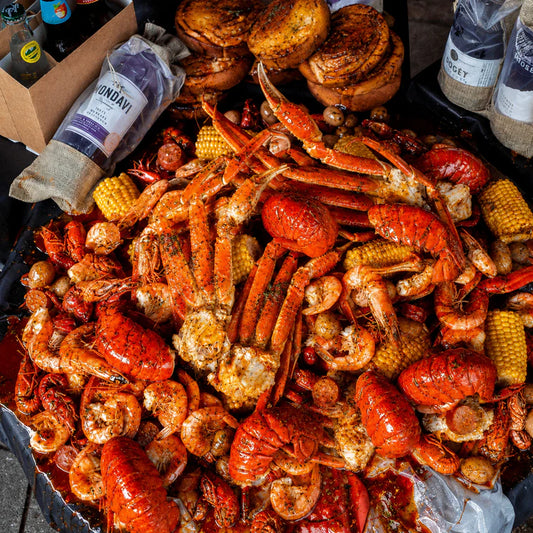
Boil Baby Boil makes graduation party catering easy with Cajun seafood boils of shrimp, snow crab, crawfish, corn and potatoes tossed in garlic butter or Cajun spice. Order trays and bags for delivery across Los Angeles or pickup in West Hollywood, so the grad and the whole family can celebrate without cooking or cleanup.
Set the Vision: Why a Seafood Feast Elevates Graduation Catering
Celebrate Achievement with Coastal Flair and Memorable Experiences
Graduation marks a pivotal milestone, and a seafood feast transforms the celebration into an unforgettable sensory experience. According to the National Restaurant Association, seafood-centered events consistently rank among the most memorable dining occasions, with 78% of guests citing variety and presentation as key satisfaction drivers. A carefully curated spread—featuring lobster tails, snow crab clusters, and jumbo shrimp—signals both abundance and thoughtfulness, honoring the graduate's hard work while creating Instagram-worthy moments that families treasure for years. In Los Angeles, where coastal influence shapes culinary expectations, seafood catering aligns naturally with the city's fresh, vibrant dining culture, particularly in areas like Santa Monica, West Hollywood, and Beverly Hills where guests expect elevated fare.
The interactive nature of a seafood feast encourages connection. Guests gather around communal tables to crack crab legs, build custom lobster rolls, or sample oysters at a raw bar, fostering conversation and shared joy. This hands-on dining style breaks traditional formality, creating a relaxed yet celebratory atmosphere ideal for multigenerational gatherings where grandparents, classmates, and family friends mingle comfortably.
Guest-Pleasing Variety: Shellfish, Finfish, and Flavor Profiles for All
Seafood's inherent diversity accommodates every palate and dietary preference. A well-planned menu might feature buttery lobster for indulgence, Cajun-spiced crawfish for bold heat, grilled salmon for lighter appetites, and blackened mahi-mahi for finfish enthusiasts. The USDA notes that shellfish provides high-quality protein with lower saturated fat than many land-based proteins, appealing to health-conscious families. Flavor profiles range from garlic-herb butter and zesty lemon-pepper rubs to smoky Cajun seasonings and Asian-inspired ginger-soy glazes, ensuring no guest leaves disappointed.
Offering both cold and hot preparations—chilled shrimp cocktail alongside steaming seafood boils, for example—provides temperature contrast that keeps the buffet dynamic. This variety also allows caterers to accommodate shellfish-sensitive guests with grilled fish options or hybrid menus that include responsibly sourced chicken or steak alongside the star seafood selections.
Theme and Décor Alignment: Nautical, Coastal Chic, or Backyard Boil
A seafood feast invites cohesive thematic storytelling. Nautical themes incorporate navy and white linens, rope accents, and anchor motifs that complement raw bars and oyster displays. Coastal chic leans into soft blues, driftwood centerpieces, and white string lights, perfect for Brentwood or Culver City backyard settings. For a laid-back vibe, the classic Louisiana-style boil spreads newspaper runners across picnic tables, scatters lemon wedges and corn cobs, and embraces school colors through bandanas and mason jar drinks. Each aesthetic reinforces the menu's coastal roots while allowing personalization around the graduate's preferences, creating a unified visual and culinary narrative that guests remember long after the last crab leg is cracked.
Menu Planning for a Graduation Party Catering Seafood Feast
Thoughtful menu design transforms a graduation celebration into a memorable coastal feast. Start by anchoring your spread around show-stopping mains, then layer in interactive stations, vibrant sides, refreshing beverages, and graduation-themed sweets that reflect school colors and personal tastes. According to the U.S. Department of Agriculture, careful portion planning and diverse offerings reduce waste and ensure every guest finds something they love—critical when hosting mixed-age crowds from teens to grandparents.
Show-Stopping Mains: Lobster Rolls, Shrimp Boil, Crab Cakes, Cedar-Plank Salmon
Your centerpiece proteins set the tone. Lobster rolls—whether Connecticut-style with warm butter or Maine-style with cold mayo—deliver New England elegance and pair beautifully with sidewalk picnic vibes. A Cajun shrimp boil with sausage, potatoes, and corn offers communal fun and bold flavor, while Maryland-style crab cakes bring sophistication without forks. Cedar-plank salmon, glazed with citrus and honey, provides a lighter, health-conscious option. The NOAA FishWatch recommends choosing sustainable species like U.S. wild-caught salmon and responsibly sourced crab to support ocean health and traceability.
Consider guest preferences and service style: buffet-friendly items like crab cakes and shrimp boil travel well, whereas plated salmon offers formal polish. Mix textures—crispy, steamed, grilled—to keep the menu dynamic and photo-ready.
Interactive Stations: Raw Bar, Oyster Shucking, Poke or Taco Bar, Paella Pan
Interactive stations turn dining into entertainment. A raw bar with oysters, clams, and shrimp cocktail invites guests to customize condiments—mignonette, cocktail sauce, lemon wedges—and creates Instagram-worthy moments. Live oyster shucking by a skilled shucker adds theater and ensures peak freshness. Poke or taco bars let graduates and friends build their own bowls or shells with seared ahi, spicy mayo, avocado, and pickled ginger. A live paella pan, bubbling with saffron rice, mussels, and chorizo, captivates crowds and fills the air with aromatic appeal.
Interactive setups encourage mingling and accommodate dietary tweaks on the fly. The FDA emphasizes maintaining cold chain integrity for raw seafood: keep oysters and ceviche on ice below 40°F and refresh ice frequently, especially at outdoor Los Angeles events where afternoon sun can spike ambient temperatures.
Smart Sides and Accents: Corn on the Cob, Slaws, Citrus Grains, Compound Butters
Sides balance richness and add color. Classic boil sides—corn on the cob, baby potatoes—soak up Cajun spice and butter. Crisp slaws with vinegar-based dressings cut through fatty seafood and provide crunch. Citrus-dressed quinoa or farro salads offer gluten-free, whole-grain options that feel light and modern. Compound butters—garlic-herb, lemon-dill, chili-lime—elevate simply grilled fish and let guests customize intensity.
Choose two to three complementary sides to avoid menu fatigue. Pair hot and cold, creamy and acidic, to keep palates engaged from first bite to last.
Beverage Pairings: Citrus Mocktails, Iced Teas, Sparkling Waters, Wine and Beer
Beverage selection refreshes and complements bold seafood flavors. Citrus-forward mocktails—grapefruit spritz, cucumber-lime agua fresca—appeal to younger guests and designated drivers. Southern-style sweet tea and Arnold Palmers honor backyard tradition, while premium sparkling waters with fruit garnishes feel upscale yet universally accessible. For adults, crisp white wines like Sauvignon Blanc or Albariño and light lagers or wheat beers pair naturally with shellfish and grilled fish.
Offer at least one non-alcoholic signature drink in school colors—blue lemonade, purple berry punch—to tie the beverage program to graduation pride. Hydration stations with infused waters (mint-cucumber, strawberry-basil) keep guests comfortable during outdoor Los Angeles celebrations.
Graduation-Themed Desserts: School-Color Macarons, Lemon Tarts, Mini Pies
Desserts deliver a sweet finale and photo opportunities. French macarons dyed in school colors—cardinal and gold for USC, blue and gold for UCLA—offer elegant, bite-sized indulgence. Lemon tarts and key lime bars echo coastal citrus themes and cleanse the palate after rich seafood. Mini pies—blueberry, peach, chocolate cream—nod to homestyle comfort and serve easily without plates.
Display desserts on tiered stands with grad caps, diplomas, or "Class of 2025" signage to reinforce the celebratory theme. Consider dietary needs: offer at least one gluten-free or vegan option, such as coconut panna cotta or fruit tarts with almond crusts, to ensure inclusivity at the dessert table.
Dietary Inclusivity and Allergy-Safe Planning
A graduation party brings together extended families, friends, and guests of all ages—each with unique dietary needs and restrictions. While a seafood feast is a spectacular centerpiece, thoughtful planning ensures everyone can celebrate safely and comfortably. According to the U.S. Food and Drug Administration, crustacean shellfish and finfish rank among the top nine major food allergens, affecting millions of Americans. Professional caterers who prioritize dietary inclusivity create welcoming, stress-free experiences where every guest feels valued.
When planning graduation party catering with a seafood focus, proactive communication about dietary restrictions and allergen protocols distinguishes exceptional service from basic meal delivery. Asking guests to RSVP with dietary needs four weeks in advance gives your caterer time to design complementary dishes, source specialized ingredients, and implement safe handling procedures without last-minute scrambling.
Allergen Management: Segregated Prep, Clear Labels, Separate Utensils
Cross-contact poses the primary risk when serving seafood alongside allergen-free dishes. Reputable caterers maintain separate prep zones, cutting boards, and utensils for allergen-free items, following protocols outlined by Food Allergy Research & Education (FARE). Staff should change gloves between handling seafood and preparing non-allergen dishes, and use dedicated serving spoons at buffet stations to prevent cross-contamination.
Clear labeling is non-negotiable. Menu cards should list every dish with its major allergens—shellfish, fish, dairy, gluten, nuts, soy, eggs—using color-coded icons or boldface text. For buffet service, place tent cards directly in front of each dish with ingredient details and allergen warnings. Plated service benefits from pre-identifying allergen-safe meals with discreet markers, allowing servers to deliver the correct dish confidently without drawing unnecessary attention.
Non-Seafood Options: Roast Chicken, Steak Bites, Plant-Forward Entrées
Approximately 2% of American adults report seafood allergies, according to American College of Allergy, Asthma & Immunology, while others simply prefer land-based proteins. Offering one or two high-quality non-seafood entrées ensures no guest goes hungry. Herb-roasted chicken thighs with lemon and garlic mirror the bright flavors of your seafood spread, while tender steak bites with chimichurri provide satisfying richness for red-meat lovers.
Plant-forward mains like grilled portobello steaks, stuffed bell peppers with quinoa and herbs, or eggplant rollatini appeal to health-conscious graduates and flexitarian guests. These dishes should feel intentional and elevated—not afterthoughts—so they integrate seamlessly into your coastal theme rather than standing out as consolation prizes.
Vegetarian, Vegan, and Gluten-Free Selections That Complement the Menu
Plant-based diets continue gaining popularity, with a 2023 Ipsos survey showing that roughly 5% of Americans identify as vegetarian and 3% as vegan. Complement your seafood feast with robust vegetarian options like grilled vegetable skewers with romesco sauce, Caprese salad with heirloom tomatoes and fresh basil, or creamy risotto finished with spring peas and lemon zest.
For vegan guests, ensure sides like corn on the cob are prepared with dairy-free butter, coleslaw uses vegan mayo, and grain salads skip cheese. Clearly designate which dishes are vegan-friendly on your menu cards. Gluten-free needs are equally critical—swap traditional cornbread for certified gluten-free versions, offer gluten-free rolls, and ensure sauces and marinades don't contain hidden wheat or malt. Many seafood boil seasonings are naturally gluten-free, but always verify with your caterer and request separate prep for gluten-sensitive guests.
Kid-Friendly Picks: Simple Pastas, Sliders, Fruit Skewers
Young siblings, cousins, and family friends attending graduation celebrations often prefer familiar, milder flavors over spicy Cajun seasonings or raw oysters. Offer a dedicated kids' menu featuring buttered penne pasta, mini beef or chicken sliders with ketchup and pickles, grilled cheese triangles, and simple steamed shrimp without heavy seasoning. Fruit skewers with strawberries, grapes, and melon provide colorful, hydrating options that double as fun handheld snacks.
Position the kids' station slightly separate from adult buffet lines to reduce congestion and allow children to serve themselves easily. Including one or two kid-approved items helps parents relax and enjoy the celebration, knowing their little ones have appealing, age-appropriate choices beyond the adventurous seafood spread.
Service Style, Staffing, and Guest Flow
Executing a flawless graduation party catering seafood feast requires deliberate choices about how food reaches your guests, who delivers the experience, and how the celebration unfolds. The right service model balances formality, guest comfort, and the unique demands of seafood presentation—from temperature-sensitive raw bars to interactive boil stations. Thoughtful staffing and a clear timeline ensure your graduate's milestone moment flows smoothly, with every detail aligned to create lasting memories.
Choosing Service: Buffet, Family-Style, Plated, or Multi-Station
Your service style shapes both the guest experience and operational complexity. Buffet setups work well for casual backyard celebrations, allowing guests to self-serve from heated chafers of shrimp boil, grilled fish, and sides. According to the National Restaurant Association, buffets accommodate varied appetites and dietary preferences with minimal staff intervention. Family-style service—platters passed around seated tables—encourages conversation and suits intimate gatherings of 20 to 40 guests. Plated service offers the most formal presentation, ideal if your venue includes a sit-down dinner with speeches; caterers plate lobster tails, cedar-plank salmon, or crab cakes in the kitchen and serve each guest individually. Multi-station formats, popular in Los Angeles venues from Santa Monica to Beverly Hills, create interactive experiences: one station for raw oysters and shrimp cocktail, another for a live paella pan, and a third for lobster roll assembly. The California Department of Public Health mandates that cold seafood remain below 41°F and hot items above 135°F regardless of format, so ice wells, chafers, and temperature monitoring are essential across all styles.
Staffing Ratios and Roles: Chefs, Servers, Shuckers, Bartenders
Professional staffing ensures food safety, seamless service, and guest satisfaction. Industry standard ratios recommend one server per 15 to 20 guests for buffet or station service, and one per 10 to 12 for plated meals, according to the Event Leadership Institute. For a 50-guest graduation seafood feast, plan for at least three servers, one dedicated oyster shucker if you include a raw bar, and a lead chef or line cook to manage hot stations and replenishment. Bartenders should be added at a ratio of one per 50 guests for beer and wine service, or one per 30 for craft cocktails. Specialized roles matter with seafood: a skilled shucker opens oysters safely and efficiently, while chefs trained in seafood cookery prevent overcooking delicate shrimp or lobster. Request résumés, ServSafe certifications, and references when vetting catering teams. In West Hollywood, Beverly Hills, and nearby Los Angeles markets, experienced seafood caterers often include staffing in their packages; clarify whether gratuity, overtime, and setup or breakdown labor are itemized separately to avoid surprise costs.
Run of Show: Timing Around Photos, Speeches, Toasts, and Cake
A detailed timeline coordinates food service with ceremonial moments, preventing cold entrées or missed photo opportunities. Begin with cocktail hour and passed hors d'oeuvres—shrimp cocktail, smoked salmon canapés—during guest arrival and family photos, typically 60 to 90 minutes. Transition to the main seafood service after group portraits, allowing guests to settle at tables. The U.S. Food and Drug Administration advises hot seafood be held no longer than two hours without additional heating, so schedule your shrimp boil or grilled lobster reveal strategically. Reserve a 15-minute window mid-meal for toasts and speeches; signal your caterer to pause refills and activity. Serve graduation cake and desserts after remarks, allowing guests to mingle during the final 30 minutes. Share this run of show with your catering captain at least one week prior, and designate a point person—often a family member or planner—to cue each transition on the day. Clear communication prevents service interruptions and ensures your seafood centerpiece arrives at peak temperature and presentation.
Presentation and Signage: School Colors, Menu Cards, Allergen Icons
Visual details transform catering into a cohesive celebration that honors your graduate's achievement. Incorporate school colors into linens, napkins, and floral arrangements surrounding seafood displays; navy and gold accents, for example, elevate a raw bar or paella station. Print menu cards on tent stands at each station, listing dishes in clear, appetizing language: "Cajun Shrimp and Andouille Boil," "Grilled Pacific Swordfish with Lemon-Herb Butter," "Oysters on the Half Shell." The Food Allergy Research & Education organization recommends prominent allergen icons—shellfish, fish, gluten—on buffet labels to guide guests with dietary restrictions. Personalize signage with your graduate's name, year, and future college or career path for memorable photo backdrops. In Los Angeles venues like Century City or Culver City, professional caterers often collaborate with graphic designers or provide branded signage as part of service packages. Consistent, polished presentation signals care and professionalism, reassuring guests that every detail—from menu accuracy to food safety—has been thoughtfully managed.
Budgeting, Portions, and Pricing Confidence
Understanding cost drivers and portion planning empowers you to design a graduation party catering seafood feast that delivers wow-factor without budget overruns. Clear pricing insights and strategic menu choices ensure every dollar contributes to an unforgettable celebration.
Price Drivers: Species Selection, Seasonality, Market Fluctuations, Service Style
Seafood pricing varies dramatically based on species, with lobster and king crab commanding premium rates while Gulf shrimp and farmed oysters offer value-friendly options. According to the National Oceanic and Atmospheric Administration, seasonal abundance drives significant price swings—Gulf shrimp peaks in summer, crawfish in spring, and Dungeness crab in winter. Market fluctuations tied to weather events, fuel costs, and international demand can shift prices weekly, making early booking and menu flexibility essential. Service style also impacts your bottom line: buffet setups generally cost 20-30% less than plated service, while interactive stations with live shucking or cooking add staffing premiums but create memorable experiences that justify the investment.
Portion Planning: Appetizers, Mains, Sides, and Teen vs. Adult Appetite
Industry standards recommend 6-8 ounces of seafood protein per adult for a mains-focused menu, increasing to 10-12 ounces when seafood is the sole entrée. Teenagers often consume portions comparable to adults, particularly with popular items like shrimp boil or lobster rolls. For appetizer-style service, plan 3-4 pieces per person per hour for the first hour, then 2-3 pieces hourly thereafter. Balance seafood mains with ample sides—corn on the cob, coleslaw, and potatoes—to stretch portions and satisfy diverse appetites. The USDA Food Safety and Inspection Service emphasizes proper portioning not only for guest satisfaction but also for minimizing waste and maintaining food safety during service.
Sample Menus by Budget: Value, Mid-Tier, and Premium Seafood Spreads
A value menu at $25-35 per person might feature peel-and-eat shrimp, catfish tacos, hush puppies, and seasonal slaw. Mid-tier menus ($40-60 per person) elevate the experience with snow crab legs, grilled salmon, raw oysters, cornbread, and citrus sides. Premium spreads ($75+ per person) showcase whole lobsters, king crab, tuna tataki, oyster bar with mignonette varieties, craft cocktails, and graduation-themed desserts. Los Angeles caterers like Boil Baby Boil offer customizable packages across all tiers, with same-day catering options when available for last-minute celebrations in West Hollywood, Beverly Hills, and Santa Monica areas.
Smart Savings: Seasonal Swaps, Hybrid Menus, Focused Signature Dishes
Strategic substitutions preserve quality while controlling costs. Swap lobster for Dungeness crab during winter months, or feature mussels and clams instead of premium oysters. Hybrid menus that pair one show-stopping seafood centerpiece—like a communal shrimp boil—with complementary land proteins such as grilled chicken or steak bites satisfy all guests at lower per-person costs. Focusing on one or two signature dishes executed flawlessly often delivers more impact than a sprawling menu with thinner portions. Ordering family-style platters rather than individually plated meals reduces labor costs, and choosing versatile Cajun butter or citrus herb preparations allows bulk seasoning that tastes custom-crafted.
Sourcing, Sustainability, and Food Safety
Serving a seafood feast at a graduation party means committing to quality, safety, and responsible sourcing. When you choose caterers and ingredients thoughtfully, you protect your guests and support healthier oceans—all while delivering an unforgettable meal that reflects your values.
Vetting Caterers: Licenses, Insurance, References, and Tastings
Before signing any contract, confirm that your seafood caterer holds current health permits issued by the Los Angeles County Department of Public Health and carries general liability and food-service insurance. Request references from recent graduation or backyard events and ask how they handle allergen protocols and temperature control. Schedule a tasting to evaluate freshness, seasoning, and presentation—lobster rolls, shrimp boils, and crab cakes should taste bright, clean, and properly cooked. A reputable caterer will welcome these questions and provide documentation without hesitation.
Responsible Seafood: MSC/ASC Labels, Local Fisheries, Traceability
Look for seafood certified by the Marine Stewardship Council (wild-caught) or the Aquaculture Stewardship Council (farmed), which verify sustainable fishing and farming practices. Ask your caterer where their shrimp, crab, and salmon originate—California spot prawns, Dungeness crab from the Pacific, or Gulf shrimp can offer shorter supply chains and lower carbon footprints. The Monterey Bay Aquarium Seafood Watch provides regional Best Choice and Good Alternative guides that help you align your menu with ocean-friendly selections.
Cold Chain and HACCP: Safe Temps for Raw Bar and Hot-Holding for Mains
Seafood safety hinges on strict temperature control. According to the U.S. Food and Drug Administration, raw oysters and shrimp must stay below 41°F, while cooked items like lobster rolls and crab cakes should be held above 135°F or chilled quickly. Caterers following Hazard Analysis and Critical Control Points (HACCP) principles monitor and log temps at receiving, prep, service, and storage. Insist on ice-bed displays for raw bars, insulated transport coolers, and chafing dishes or warming trays for hot entrées. If your event runs longer than two hours outdoors, request mid-service ice refreshes and fresh platters to maintain peak quality.
Outdoor Readiness: Shade, Ice, Tents, Generators, and Weather Contingencies
Los Angeles sunshine is beautiful but can compromise seafood quickly. Set up service stations under tents or canopies with side walls if winds pick up. Ensure your caterer brings backup ice in coolers and has access to on-site power or a generator for refrigeration units and warming equipment. Check the weather forecast one week out and have a rain plan—pop-up tents, covered patios, or indoor overflow space. Confirm load-in times with your venue or homeowners association and secure any required event permits from the City of Los Angeles if you're hosting in a public park or regulated space.
Waste Reduction: Compostables, Reusables, and Donation Plans
Minimize single-use plastics by choosing compostable plates, utensils, and napkins or opting for reusable serviceware when feasible. Coordinate with your caterer to separate organic waste—seafood shells, citrus peels, and cornhusks—for composting through services like LA Sanitation's organics program. Package leftover seafood safely in sealed containers and refrigerate immediately, or partner with organizations like Feeding America member food banks to donate untouched, safely stored items. Thoughtful waste planning honors the ocean's resources and sets a responsible example for your graduate and guests.
Logistics and Rentals for a Seamless Event
Even the most carefully curated graduation party catering seafood feast can falter without proper logistics and equipment. Planning rentals, utilities, and access early ensures your caterer can execute flawlessly, your guests enjoy seamless service, and you avoid costly surprises on celebration day.
Essential Rentals: Tables, Linens, Chafers, Ice Tubs, Cocktail Stations
A seafood-focused graduation party demands specialized equipment beyond standard party supplies. For raw bars and chilled displays, rent commercial-grade ice tubs or galvanized steel bins that hold crushed ice and maintain safe temperatures for oysters and shrimp cocktail throughout service. Chafers with precise heat controls are critical for keeping lobster rolls warm, shrimp boils at proper serving temperatures, and cedar-plank salmon from drying out. According to the FDA's Safe Food Handling guidelines, cold foods must be held at 40°F or below and hot foods at 140°F or above to prevent bacterial growth.
Tables require more surface area than typical buffets—plan for dedicated seafood stations, beverage bars, and dessert displays in school colors. Rent cocktail high-tops for standing guests and traditional 60-inch rounds for seated dining. Linens in graduation theme colors add polish; consider spill-resistant fabrics or disposable tablecloths for messy boil stations. Los Angeles rental companies serving West Hollywood, Beverly Hills, and Santa Monica typically require seven to ten days' advance notice during May and June peak graduation season, with delivery fees varying by neighborhood accessibility.
Power, Water, and Space Mapping for Prep and Service Areas
Professional seafood caterers need reliable utilities to execute safely. Map your venue's electrical outlets and calculate amperage—most commercial chafers, beverage coolers, and lighting require dedicated 15-amp circuits. If your backyard or venue lacks sufficient power, budget for generator rental with proper fuel supply and ventilation clearance. The Occupational Safety and Health Administration (OSHA) mandates generators be placed at least 20 feet from windows, doors, and guest areas to prevent carbon monoxide hazards.
Water access is equally critical, particularly for oyster shucking stations and hand-washing compliance required by Los Angeles County health codes. If hosting outdoors without plumbing, rent portable hand-wash stations with foot pumps and wastewater collection. Designate separate prep zones away from guest traffic—caterers need minimum four-by-six-foot staging areas for plating, garnishing, and hot-holding equipment. Create a detailed site map showing utility locations, service flow, and guest pathways to share with your catering team during final walk-throughs.
Access and Parking: Vendor Load-In, Permits, HOA or Venue Rules
Vendor access can make or break event-day execution, especially when transporting temperature-sensitive seafood and heavy equipment. Confirm loading dock availability or driveway access wide enough for catering vans and refrigerated trucks. Many Los Angeles neighborhoods, including Brentwood and Century City condominiums, require advance vendor registration and designated service elevator reservations. Reserve load-in windows at least two hours before guest arrival for setup, equipment testing, and food safety checks.
Verify parking restrictions and permit requirements early. Some West Hollywood and Beverly Hills residential areas enforce strict street parking rules or require special event permits for gatherings exceeding specific headcounts. Homeowners associations often mandate advance notice, proof of liability insurance from caterers, and adherence to noise ordinances. The City of West Hollywood Special Events Division provides guidance on when permits are necessary for private gatherings with professional catering services. Communicate these logistics to your seafood caterer during contract negotiations to avoid day-of complications and ensure your graduation celebration proceeds smoothly from setup through final cleanup.
Timeline and Checklist
Planning a graduation party catering seafood feast requires strategic timing to lock in availability, manage perishables, and ensure every detail aligns with your vision. A phased timeline protects you from peak-season sellouts, last-minute stress, and budget creep while keeping food safety and guest experience front and center.
–10 Weeks Out: Book Caterer, Define Theme, Preliminary Headcount
Graduation season—late May through mid-June in Los Angeles—coincides with wedding season and corporate events, making catering calendars fill fast. Reach out to seafood caterers at least ten weeks before your date to secure your preferred vendor and discuss menu concepts aligned with your theme, whether that's a nautical raw bar, a Cajun-style backyard boil, or coastal chic plated service. Provide a rough headcount based on your guest list, knowing you can refine it later. During initial consultations, confirm the caterer holds a valid Los Angeles County Health Permit and carries liability insurance, as required by the California Department of Public Health for commercial food operations. Ask for references from recent graduation or family events and schedule a tasting if the menu includes premium items like lobster rolls or crab cakes.
–4 Weeks Out: Finalize Menu, Rentals, Dietary Survey, Floor Plan
One month before the party, lock down your menu selections, including show-stopping mains, smart sides, interactive stations, and desserts. Send a brief dietary survey to guests via email or your event invitation platform to capture allergies, vegetarian needs, and religious restrictions—this data ensures you can order non-seafood proteins or gluten-free sides with confidence. Coordinate rentals for tables, linens, chafers, ice tubs, and cocktail stations, especially if your venue lacks built-in service infrastructure. Work with your caterer to map a floor plan that designates prep zones, buffet or station locations, beverage service, and waste stations, ensuring smooth guest flow and compliance with Los Angeles Fire Department spacing guidelines for tents and equipment in outdoor settings.
Event Week: Confirm Counts, Delivery Windows, Weather Plan
During the week leading up to your event, provide your final headcount to the caterer—most vendors require a guaranteed number 72 hours prior to lock in quantities and manage seafood procurement from sustainable fisheries or the Los Angeles Wholesale Produce Market seafood terminals. Confirm delivery and setup windows, accounting for vendor load-in, power hookups, and refrigeration setup time. Check the extended weather forecast: coastal Los Angeles enjoys mild June temperatures, but marine layer or unexpected heat can affect raw bar holding times. Arrange backup shade tents, fans, or heaters and discuss contingency plans with your caterer, such as moving the raw bar indoors or adjusting service start times.
Day-Of: Setup, Temperature Checks, Service Cues, Cleanup Protocol
On event day, the caterer should arrive at least two to three hours before guest arrival to set up stations, chill seafood to safe temperatures (below 41°F for raw bar items, per FDA Safe Food Handling guidelines), and heat mains above 135°F. Walk the setup with the lead chef to verify presentation, allergen signage, and equipment function. Designate a point person—yourself or a trusted family member—to coordinate service cues around speeches, toasts, or cake cutting. After the celebration, ensure your caterer follows proper cleanup protocol, including safe disposal of shellfish shells, ice melt, and compostable serviceware, and donation of unopened sides to local organizations if your contract includes waste-reduction commitments.
Graduation Party Catering Seafood Feast FAQs
How far in advance should I book seafood catering during peak season?
For graduation parties scheduled between May and June—the peak season for commencement celebrations—book your seafood caterer 8 to 12 weeks in advance. According to the National Association of Catering and Events, demand for event services spikes in late spring, and quality caterers often reach capacity by mid-April. If your Los Angeles event falls on a popular weekend near USC, UCLA, or other local universities' commencement dates, securing your caterer even earlier ensures access to premium seafood selections and experienced staff. Last-minute bookings may limit menu options and increase costs due to expedited sourcing.
Can a raw bar be safely served at a backyard party?
Yes, but strict cold-chain management is essential. The FDA Food Code mandates that raw oysters, clams, and shrimp be held at 41°F or below throughout service. Use crushed ice in deep bins with drainage, replenish ice frequently, and position the raw bar in shaded areas away from direct sun. Professional caterers experienced in raw bar service will monitor temperatures with calibrated thermometers and rotate product to maintain freshness. In Los Angeles County, caterers must follow Los Angeles County Department of Public Health guidelines, including proper shellfish tagging and traceability.
What if some guests don't eat seafood?
Offer non-seafood alternatives that complement your coastal theme without diluting the celebration's focus. Popular options include citrus-herb roasted chicken, grilled steak skewers, vegetarian grain bowls, or plant-based grilled vegetables. The FDA notes that approximately 2% of U.S. adults have seafood allergies, so non-seafood mains ensure inclusivity. Work with your caterer to create clearly labeled stations and separate preparation areas to prevent cross-contact. Many Los Angeles caterers specializing in seafood boils offer hybrid menus featuring Cajun-spiced chicken or sausage alongside crab and shrimp.
How much seafood should I plan per person?
For a seafood-focused graduation party, plan 8 to 12 ounces of protein per guest for main courses, plus 4 to 6 ounces for appetizers if serving a multi-course menu. Teenagers and young adults typically consume heartier portions, while mixed-age gatherings may average closer to 8 ounces per person. The USDA recommends two servings of seafood per week, but celebration meals warrant more generous portions. Factor in bone-in or shell-on preparations: whole crabs yield roughly 25% edible meat, while lobster tails provide about 60% usable protein. Caterers experienced in seafood boils will adjust quantities based on your menu structure and guest demographics.
Do I need permits or special insurance for an at-home event?
Permits depend on local regulations and event size. In Los Angeles County, private residential gatherings typically do not require permits unless you exceed noise ordinances or parking limits. However, if your caterer brings mobile cooking equipment or tents exceeding certain square footage, permits from the Los Angeles County Fire Department may apply. Verify your homeowner's insurance covers liability for catered events; many policies cap guest counts or exclude commercial food service. Professional caterers should carry general liability and food-borne illness insurance—request certificates before signing contracts. Contact the City of Los Angeles or your specific municipality for guidance on backyard event regulations.
What's the best way to handle last-minute headcount changes?
Establish a final headcount deadline with your caterer, typically 72 to 96 hours before the event. Most Los Angeles catering contracts allow a 5 to 10% variance without penalty, accommodating natural fluctuations. For seafood, which relies on just-in-time sourcing to ensure freshness, earlier confirmation improves ingredient quality and reduces waste. If numbers increase, communicate immediately—caterers may need 48 hours to source additional shellfish or adjust staffing. Keep a 5% buffer in your original order to absorb small additions. For decreases, understand cancellation and reduction policies upfront, as perishable seafood may already be purchased.
Is wild-caught better than farmed for a graduation event menu?
Both can be excellent choices when sourced responsibly. Wild-caught seafood from well-managed fisheries offers robust flavor and environmental benefits when certified by programs like the Marine Stewardship Council (MSC). Farmed seafood, particularly shellfish and salmon certified by the Aquaculture Stewardship Council (ASC), provides consistency, year-round availability, and often lower environmental impact than wild fisheries under pressure. According to NOAA Fisheries, U.S. aquaculture meets rigorous safety and sustainability standards. For graduation catering, prioritize freshness, traceability, and sustainability certifications over categorical distinctions. Ask your caterer about sourcing practices—reputable providers will transparently share origin information and third-party certifications for all seafood selections.
Key Takeaways and Next Steps
Planning a graduation party catering seafood feast combines celebration, flavor, and smart logistics. Start by locking down your caterer 8–10 weeks ahead during peak May–June graduation season, especially in high-demand neighborhoods like West Hollywood, Beverly Hills, and Santa Monica. Confirm your headcount, service style—buffet, family-style, or plated—and menu mix early. Prioritize food safety by vetting caterers for current health permits, liability insurance, and HACCP-compliant cold chain protocols for raw bar items and hot-holding for shrimp boils and lobster rolls. Coordinate rentals (tables, chafers, ice tubs, linens) and outdoor essentials like shade tents, generators, and backup cooling if serving outdoors in Los Angeles heat.
Quick-Glance Checklist: Menu, Safety, Staffing, Rentals, Timeline
Before event day, run through this final checklist: Menu finalized with allergen labels and non-seafood backups for guests with dietary restrictions; food safety confirmed (cold holding below 41°F, hot holding above 135°F per FDA guidelines); staffing ratios set (one server per 15–20 guests, plus oyster shuckers or bartenders if needed); rentals delivered and inventoried; and timeline coordinated around speeches, photos, and cake cutting. Double-check vendor load-in access, parking permits, and HOA approvals if hosting at home. Have a weather contingency plan and backup ice supply on standby.
Questions to Ask Your Caterer Before You Sign
Protect your investment by asking: Do you carry general liability and liquor liability insurance? Can I see references from recent graduation or outdoor events? What is your policy on headcount changes within 72 hours? How do you source seafood—wild-caught, MSC-certified, or local fisheries? What allergen protocols do you follow for cross-contact prevention? Will you provide on-site staff, and what are their roles? What equipment (power, water, refrigeration) do you need from the venue? Request a detailed quote breakdown and a tasting session if budget allows, especially for premium items like lobster or raw oysters.
Request-for-Quote Outline: Headcount, Service Style, Menu, Budget, Logistics
Submit a clear RFQ to multiple caterers: state your final headcount (include buffer percentage), preferred service style (buffet, stations, plated), desired menu components (lobster rolls, shrimp boil, raw bar, sides, desserts), total budget range, event date and time, venue address, available facilities (kitchen, power, water access), and any dietary restrictions or theme requests. Include questions about delivery windows, setup time, cleanup responsibilities, and cancellation terms. Comparing 2–3 detailed quotes helps you choose the best value and service fit for your celebration.