Film Set Catering 101: Feed Your Crew Like Pros
Film set catering that feeds a crew like pros needs hearty, high protein food that arrives on schedule and serves a crowd fast, and a Cajun seafood boil spread does exactly that. Boil Baby Boil in West Hollywood delivers seafood boils, lobster rolls and sides to sets and studios across Los Angeles, ordered online at boilbabyboil.com.
What Film Set Catering Really Covers
Film production catering in Los Angeles is a specialized choreography of nutrition, timing, and logistics that keeps cameras rolling and tempers even. It's far more than lunch boxes dropped at basecamp—it's the operational backbone that sustains grueling call times and safeguards crew wellness across twelve-hour days under California's exacting labor regulations.
Craft services vs. meals vs. snacks: who does what
Craft services operate continuously throughout the shoot, offering grab-and-go fuel—think granola bars, fruit, caffeine, and hydration stations. Meals, by contrast, are structured sit-down affairs: breakfast before first call, lunch at the six-hour mark, and second meal if you cross twelve hours. Snacks bridge the gap during twilight or overnight shoots. Each category answers to different budgets, vendors, and union stipulations, so conflating them invites compliance headaches and hungry grips.
Primary goals: sustained energy, crew morale, and compliance
Top-tier film production catering Los Angeles providers engineer menus around glycemic balance and macronutrient density, preventing the post-lunch slump that derails afternoon coverage. Simultaneously, exceptional food telegraphs respect—it signals that the production values its people. Finally, California's meal-penalty rules and union contracts impose strict windows; miss them, and you're writing checks for golden time before the dessert tray clears.
Start With the Schedule and Headcount
Mapping meals to the call sheet and scene loads
Your assistant director's call sheet is the catering rosetta stone. Note crew call, estimated wrap, company moves, and any split calls. If you're shooting night exteriors in downtown LA followed by day interiors in Culver City, you may need staggered service or mobile units. Headcount fluctuates—background, day-players, agency reps—so build in a ten-percent cushion and communicate changes forty-eight hours out.
Meal windows and union/California compliance: know the rules
Under California labor code and guild agreements, the first meal must land no later than six hours after crew call. Second meal clocks in at six hours post-lunch. Violate that window by even one minute, and you trigger penalty payments that dwarf your catering invoice. Smart coordinators set alarms and keep caterers on speed-dial to shift service by fifteen-minute increments when scenes run long.
Budgeting for LA Productions
Typical per-person cost ranges in Los Angeles by meal type
Breakfast in Los Angeles typically runs twelve to eighteen dollars per head for a hot spread with proteins, carbs, and fresh fruit. Lunch and dinner command twenty to thirty-five dollars, scaling with protein choice—grilled chicken versus wild-caught salmon. Craft services budget three to six dollars daily per person for continuous snacks, coffee, and hydration.
Hidden costs: permits, parking, generators, gratuities, overtime
Beyond the plate price, anticipate parking permits for catering trucks, especially in neighborhoods like Beverly Hills or West Hollywood where meters run hot. Generator rental adds two hundred to five hundred dollars per day if location power is unavailable. Gratuities for catering staff—typically fifteen to twenty percent—and overtime for service beyond twelve hours can balloon your actuals. Always request an itemized estimate.
Stretching dollars without cutting corners on quality or safety
Negotiate package rates for multi-day shoots, source seasonal produce from LA farmers' markets, and limit high-margin proteins to one meal daily. Reusable serveware cuts disposable costs over week-long productions. Never compromise on food-safety infrastructure—temperature control and handwashing stations are non-negotiable insurance policies against liability and illness.
Menu Planning That Fuels Performance
Portioning and macros for 12–14 hour shoot days
Cinematographers and gaffers burn upwards of 2,500 calories on active shoot days. Structure plates around lean protein (four to six ounces), complex carbohydrates (quinoa, sweet potato), fiber-rich vegetables, and healthy fats. Avoid heavy cream sauces at lunch; they induce lethargy just as you're setting up the hero close-up.
Film Crew Package: Ready-to-Roll Fuel
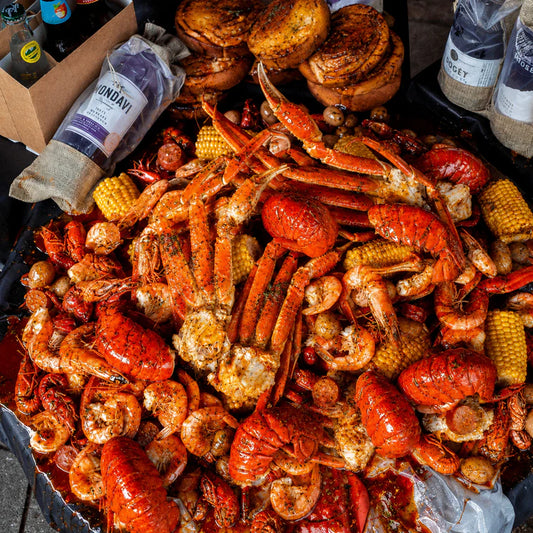
When deadlines compress and you need same-day film production catering Los Angeles teams can trust, Boil Baby Boil's Film Crew Package delivers a hands-on seafood feast that requires zero dishes and maximum morale. Each order includes snow crab, shrimp, Cajun-spiced potatoes, corn, andouille sausage, plus bibs, gloves, wipes, and butcher paper—everything arrives ready to spread on any surface, from a soundstage to a Griffith Park overlook. It's designed for crews who crave bold flavor without the logistical drag of plated service or complex cleanup.
Sample one-day menu for a 50-person crew (breakfast, lunch, second meal)
Breakfast (6:00 AM): Scrambled eggs, turkey sausage, roasted fingerling potatoes, fresh fruit salad, Greek yogurt parfait bar, assorted pastries, coffee, and fresh-squeezed orange juice.
Lunch (12:30 PM): Grilled jerk chicken, cilantro-lime rice, black beans, mixed greens with citrus vinaigrette, seasonal grilled vegetables, and iced tea.
Second Meal (7:00 PM): Pan-seared salmon, quinoa pilaf, roasted Brussels sprouts, garden salad, and lemon tarts with berries.
Seasonal, locally sourced options that work in LA
Los Angeles' year-round growing season gifts caterers with heirloom tomatoes in summer, citrus in winter, and avocados perpetually. Partner with vendors who source from Santa Monica Farmers Market or South Central Farms to elevate freshness and reduce carbon footprint. Highlighting provenance—"Ojai tangerines" or "Malibu microgreens"—adds a storytelling layer that resonates with sustainability-minded producers.
Commercial Catering Collection: Scalable Solutions
For multi-day shoots, wrap parties, or large-scale commercial productions, Boil Baby Boil's Commercial Catering Collection streamlines ordering with packages sized from intimate teams to hundred-plus casts. Each option maintains the signature Cajun boil experience—buttery, spicy, communal—while offering flexible delivery windows and add-ons like cinnamon honey butter cornbread, lobster rolls, and beignets for dessert. It's a turnkey answer for coordinators juggling call sheets, location scouts, and last-minute headcount changes.
Dietary Needs and Inclusivity
Collecting restrictions early: allergens, faith-based needs, vegan/vegetarian
Circulate a dietary-restriction survey the moment your crew list solidifies. Capture shellfish allergies, gluten intolerance, halal or kosher requirements, and plant-based preferences. Aggregate responses in a shared spreadsheet accessible to your caterer and first AD. Early intel prevents the nightmare of a vegan gaffer staring at an all-meat buffet.
Cross-contamination prevention in mobile kitchens
Reputable caterers maintain separate cutting boards, utensils, and prep zones for allergens. Verify that your vendor follows HACCP protocols and can produce allergen-training certificates for staff. On set, position allergen-free items at the start of the buffet line to minimize cross-contact from serving spoons.
Clear labeling and service signage that speeds the line
Tent cards should list dish name, major allergens (dairy, nuts, shellfish, gluten), and dietary tags (V, VG, GF). Use color coding—green for vegan, yellow for vegetarian—and laminate signs so they survive morning dew or desert wind. Clear signage reduces bottlenecks and empowers crew to self-serve confidently.