Corporate Event Catering Los Angeles: Impress Clients with Cajun Feasts
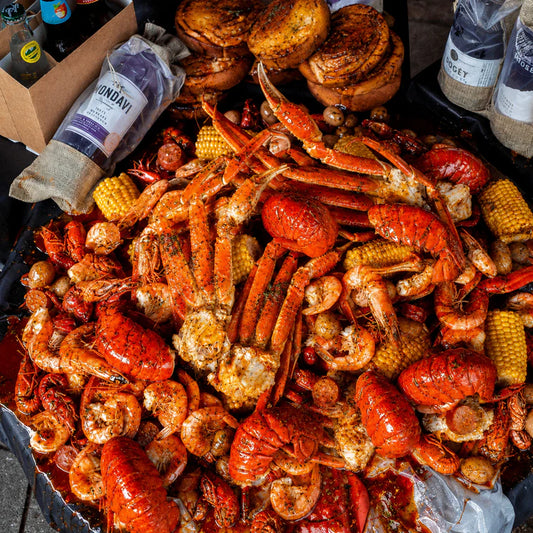
Boil Baby Boil handles corporate event catering in Los Angeles with Cajun seafood boils, shrimp, snow crab, crawfish, corn and potatoes in garlic butter or Cajun sauce that make a lasting impression on clients and teams. Order online at boilbabyboil.com for delivery across WeHo, Beverly Hills, Century City and Downtown LA, or pickup.
Corporate Event Catering Los Angeles: Impress Clients with Cajun Feasts
Why Cajun elevates corporate hospitality in LA
Corporate events in Los Angeles demand memorable experiences that reflect both professionalism and authenticity. Cajun cuisine offers a compelling departure from conventional catering menus, delivering bold, shareable flavors that spark conversation and create lasting impressions. According to the City of Santa Monica Economic Development data, experiential dining—especially regional American cuisines—has seen increased adoption in corporate settings across LA County since 2021.
Cajun feasts encourage communal dining through seafood boils, family-style platters, and interactive stations, fostering genuine connection among clients, partners, and teams. The casual-yet-refined nature of crawfish spreads or shrimp étouffée stations signals approachability while maintaining culinary sophistication. For tech firms in Culver City, creative agencies in West Hollywood, or entertainment companies in Century City, Cajun catering becomes a brand differentiator—demonstrating cultural awareness and a willingness to celebrate American regional heritage.
Cajun vs. Creole: a quick distinction
While often used interchangeably, Cajun and Creole cuisines reflect distinct Louisiana traditions. Cajun cooking originates from rural Acadian settlers, emphasizing rustic, one-pot meals with straightforward seasoning—think crawfish boils, jambalaya, and boudin. Creole cuisine developed in urban New Orleans, blending French, Spanish, African, and Caribbean influences with richer sauces and tomato-based preparations like shrimp Creole and gumbo with a darker roux.
For corporate events, Cajun menus typically offer more approachable spice levels and hands-on formats ideal for networking environments. According to culinary historians at Tulane University, Cajun dishes rely on the "holy trinity" of onion, celery, and bell pepper, delivering depth without the complexity of multi-layered Creole sauces. Understanding this distinction helps event planners set accurate expectations and align menu choices with venue logistics and guest demographics.
Aligning the menu with brand and audience
Successful corporate catering mirrors organizational values. A law firm in Beverly Hills may prefer plated presentations of blackened redfish with subtle Cajun spice, while a production company in Hollywood might embrace a lively boil station with bibs and communal seating. Analyze guest profiles: international clients may need spice-level guidance, while local LA professionals often welcome bold flavors.
Menu alignment extends to dietary inclusivity. The FDA Food Allergen Labeling mandates clear disclosure of shellfish and other allergens, critical for seafood-centric Cajun menus. Offer vegetarian sides like Cajun corn maque choux or red beans with rice to accommodate diverse dietary needs while preserving authentic flavor profiles.
Corporate Event Catering Los Angeles: Choosing the Right Cajun-Focused Partner
Selecting a corporate caterer in Los Angeles isn't just about great food—it's about trust, compliance, and delivering a seamless experience that reflects well on your brand. When Cajun cuisine takes center stage, the stakes rise: live seafood boils, open flames, and bold spices demand specialized expertise and meticulous planning. The right partner will handle every detail, from permits to palate customization, so you can focus on hosting.
Credentials, Permits, and Protections
Before you sign a contract, verify that your caterer holds a current Los Angeles County Department of Public Health food handler's permit and general liability insurance that covers events at third-party venues. If your corporate event includes live cooking stations—such as a traditional seafood boil with propane burners—confirm the caterer has obtained any required special event permits from the venue or city fire marshal. Many Los Angeles venues, especially in West Hollywood, Beverly Hills, and Century City, enforce strict open-flame policies, and violations can halt service mid-event. Ask for proof of workers' compensation coverage and ServSafe certifications for staff handling raw seafood. According to the LA County Public Health Environmental Health division, mobile food facilities serving seafood must maintain cold-chain integrity and adhere to time-and-temperature controls to prevent foodborne illness.
Proven Cajun Expertise
Authentic Cajun cooking is a craft, not a trend. Look for caterers who can demonstrate a track record with Louisiana-style techniques—proper roux-making, spice layering, and boil sequencing. Request references from past corporate clients who ordered similar menus, and review online testimonials that mention flavor balance, professionalism, and reliability. A seasoned Cajun caterer will understand how to scale recipes for large groups without sacrificing the depth of flavor that defines the cuisine. They should also be fluent in sourcing: sustainable Gulf shrimp, domestic crawfish during peak season (typically February through May according to Louisiana Travel), and high-quality andouille sausage.
Tastings and Spice Calibration
Never commit to a Cajun menu without a tasting. Schedule an in-person or virtual session where you sample key dishes and discuss spice levels with your caterer. Corporate audiences in Los Angeles are diverse—some guests will crave heat, while others prefer milder preparations. A skilled partner will offer tiered spice options: a "mild" butter sauce with paprika and garlic, a "medium" kick with cayenne, and a "hot" version featuring fresh chilies. Request adjustments on the spot and confirm that the final event menu reflects your agreed-upon heat profile. This calibration ensures inclusivity and prevents the all-too-common scenario where half your guests avoid the buffet.
Menu strategy: Cajun dishes that wow without overwhelming
A successful corporate event catering menu in Los Angeles balances bold Cajun flavors with broad appeal. The key is offering signature dishes that showcase authentic Louisiana cooking while providing options for guests with varying spice tolerances and dietary needs. According to the Event Leadership Institute, 78% of event planners report that diverse menu options directly impact guest satisfaction scores.
When planning Cajun corporate catering in Los Angeles, consider how each dish will be experienced by first-time and seasoned Cajun food enthusiasts alike. The goal is to impress clients without alienating anyone at the table.
Signature items by format
Plated meals typically center on proteins like blackened redfish, étouffée, or jambalaya paired with traditional sides such as dirty rice and collard greens. Buffet-style service works well for corporate events with 30 or more guests, featuring chafing dishes of gumbo, fried catfish, hushpuppies, and cornbread. For cocktail receptions, passed hors d'oeuvres like crawfish beignets, mini po'boy sliders, and shrimp remoulade on crostini allow guests to network while sampling multiple flavors. Family-style service—where large platters of boiled crawfish, snow crab, shrimp, and Andouille sausage are shared at each table—creates an interactive, memorable dining experience that encourages conversation and team bonding.
Dietary and allergen planning
Shellfish allergies affect approximately 2% of adults according to FDA food allergen data, making transparent communication essential for seafood-forward menus. Responsible caterers label every dish clearly and prepare allergen-free alternatives using separate equipment. Vegetarian Cajun options include red beans and rice with smoked paprika, blackened cauliflower steaks, and okra gumbo made with vegetable stock. Gluten-free guests can enjoy grilled fish with Cajun spices, boiled seafood without breading, and naturally gluten-free sides like coleslaw and roasted corn. Always collect dietary restrictions during RSVP and confirm final counts 72 hours before the event to ensure proper ingredient sourcing and kitchen preparation.
Flavor balance for diverse palates
Not every guest enjoys high heat, so offer a heat spectrum across your menu. Mild entry points include buttery lobster rolls, lemon-garlic shrimp, and creamy seafood pasta with gentle Creole seasoning. Medium-spice dishes such as blackened chicken with remoulade sauce or sausage jambalaya satisfy most palates. Reserve the boldest options—cayenne-heavy crawfish boils or spicy étouffée—for adventurous eaters, and always provide cooling accompaniments like buttermilk ranch, coleslaw, and cornbread. According to National Restaurant Association research, offering spice-level customization increases dish acceptance rates by 34% at corporate events.
Live Experiences and Stations That Impress Clients
Interactive food stations transform corporate events from ordinary to unforgettable. When planning corporate event catering Los Angeles businesses rely on, live Cajun experiences create visual theater that engages guests, sparks conversations, and leaves lasting impressions far beyond a standard buffet line.
Action Stations That Double as Entertainment
Action stations put culinary craftsmanship on display. A live shrimp and grits station allows chefs to prepare bowls to order, adjusting spice levels and garnishes based on individual preferences. Étouffée stations let guests watch as chefs build rich, aromatic sauces in cast-iron skillets, ladling them over fluffy rice while explaining the dish's cultural heritage. According to the Catersource industry resource, action stations increase guest satisfaction scores by creating personalized experiences and reducing wait times compared to traditional buffets.
Build-your-own po'boy bars offer similar engagement, with freshly fried catfish, blackened shrimp, or fried oysters alongside pickles, remoulade, shredded lettuce, and crusty French bread. Guests assemble sandwiches while chatting with servers, turning meal service into networking opportunities. These stations work particularly well in Century City and Beverly Hills venues where space allows for multiple interactive zones.
Seafood Boils in LA Venues: Feasibility Check
Traditional seafood boils create memorable communal dining, but Los Angeles venues require careful planning. Indoor spaces need adequate ventilation systems to handle steam and aromatic spices. The Los Angeles County Department of Public Health requires proper permits for on-site cooking, particularly when using propane burners or open flames. Most hotel ballrooms and corporate event spaces in West Hollywood, Santa Monica, and Culver City permit electric boil equipment but prohibit open-flame burners without additional fire marshal approval.
Tabletop presentations offer a practical alternative: pre-cooked seafood boils arrive in traditional brown-paper spreads with corn, potatoes, Andouille sausage, and shellfish tossed in Cajun butter. Servers present steaming trays family-style, maintaining the communal spirit without complex on-site cooking infrastructure. For outdoor terraces at Brentwood or Hollywood venues, portable boil stations become feasible with proper permitting and safety equipment.
Sweet Finishes
Dessert stations complete the Cajun experience with approachable Southern flavors. Beignet bars serve warm, pillowy fritters dusted with powdered sugar alongside dipping sauces like chicory café au lait, bourbon caramel, or vanilla cream. Bread pudding stations offer individual portions with whiskey sauce, toasted pecans, and fresh whipped cream. Pralines, arranged on tiered displays, provide grab-and-go sweetness that doubles as take-home favors. These finishes balance the meal's savory heat while reinforcing authentic Louisiana hospitality that distinguishes your corporate event catering Los Angeles clients will remember.
Beverage pairings and responsible service
The right beverages can transform a Cajun feast from memorable to extraordinary, while careful attention to service standards protects both your guests and your organization. Thoughtful pairing and responsible protocols ensure your corporate event reflects professionalism at every level.
Pairing ideas
Cajun cuisine's bold, layered flavors call for beverages that refresh rather than compete. Light, crisp beers—pilsners, lagers, and wheat ales—cut through buttery sauces and complement the sweetness of crab and shrimp. According to the Brewers Association, beer's effervescence cleanses the palate between bites of spice-forward dishes. For wine enthusiasts, off-dry Rieslings, unoaked Chardonnays, and rosés provide acid balance against rich seafood; the Wine & Spirit Education Trust recommends slightly chilled whites to enhance shellfish's natural brininess. Signature cocktails—a citrus-forward Sazerac, hurricane punch, or grapefruit paloma—tie the theme together while offering conversation starters. Non-alcoholic options are equally important: sparkling lemonade, hibiscus iced tea, and cucumber-mint agua fresca ensure every guest feels included and hydrated throughout the event.
Compliance and guest safety
California law requires licensed and insured bartenders for any event serving alcohol. The California Department of Alcoholic Beverage Control mandates specific permits depending on venue type and guest count, and violations can carry steep fines. Confirm your caterer holds current liability coverage and that all bar staff have completed TIPS or equivalent responsible beverage service training. Establish clear cutoff times, offer prominent non-alcoholic alternatives, and arrange rideshare codes or shuttle services for guests who need them. The National Highway Traffic Safety Administration reports that workplace-sponsored safe-ride programs reduce liability and demonstrate corporate care. Discuss consumption monitoring protocols with your caterer in advance to ensure a polished, worry-free experience.
Logistics in Los Angeles: executing without surprises
Great pairings set the tone; flawless logistics deliver on the promise. In a sprawling metro like Los Angeles—where traffic, parking, venue rules, and permitting vary wildly by neighborhood—meticulous planning separates memorable Cajun corporate events from last-minute scrambles. This section walks through venue coordination, timeline management, staffing ratios, and sustainable rental strategies to ensure your seafood feast impresses from first setup to final breakdown.
Venue coordination
Start by sharing your caterer's COI (certificate of insurance) and health permits with the venue at least two weeks before the event. Many Los Angeles hotels, rooftop spaces, and historic buildings require proof of general liability coverage—typically $1–2 million—and on-site flame permits if you plan live-boil stations or open burners. According to the Los Angeles County Department of Public Health, temporary food facilities must obtain a Temporary Food Facility Permit at least seven days in advance when serving seafood outdoors or in non-restaurant venues.
Confirm loading-dock access, freight-elevator dimensions, and electrical capacity early. Century City high-rises often cap amp loads per floor; Santa Monica beach venues may restrict propane and require generator rentals. A pre-event walk-through with your caterer and venue manager flags potential obstacles—narrow doorways, strict noise curfews, or water-access limitations that affect boil-pot placement—before the day arrives.
Timeline and staffing
For a 100-guest seated Cajun dinner, budget at least four hours for load-in, setup, and final quality checks, plus two hours for breakdown. Peak LA traffic between 3 p.m. and 7 p.m. can double travel time from a commissary in Culver City to Beverly Hills, so schedule arrivals accordingly. A general rule: one server per 15–20 guests for plated service, one per 25–30 for buffet stations, and one dedicated barista or station chef per live action element.
Boil Baby Boil coordinates staffing ratios with event size, ensuring dedicated cooks monitor boil pots, replenish crab legs, and answer guest questions about spice levels—turning logistics into engagement. Always pad timelines by 15 percent to absorb parking delays or last-minute requests.
Rentals and sustainability
Partner with Los Angeles rental houses that stock compostable or reusable serviceware. Biodegradable palm-leaf plates, bamboo utensils, and linen napkins reduce landfill impact while maintaining the upscale aesthetic corporate clients expect. The City of Los Angeles Zero Waste LA initiative encourages event organizers to divert at least 50 percent of waste from landfills through composting and recycling stations.
Negotiate rental pick-up windows that align with venue load-out schedules—many West Hollywood and Downtown LA venues enforce strict dock times. Confirm whether your caterer handles dish return or whether you need a logistics coordinator on-site. Transparent rental invoices prevent surprise charges and keep your budget on track.
Budgeting and value: maximizing ROI
Corporate event catering in Los Angeles demands strategic budget planning, especially when introducing bold Cajun flavors that can range from accessible to premium. Understanding where your dollars go—and how to stretch them without compromising the experience—turns a memorable meal into a smart investment that strengthens client relationships and drives business results.
Key cost drivers
Seafood quality and seasonality are the largest line items in Cajun catering budgets. According to the National Oceanic and Atmospheric Administration, wild-caught Gulf shrimp and Louisiana crawfish can fluctuate 20–40% in price depending on harvest cycles, weather events, and regional demand. Live cooking stations, boil equipment rental, and specialized Cajun-trained chefs add labor and logistics premiums. Venue access fees in high-demand Los Angeles neighborhoods like Century City or Beverly Hills, plus liability insurance and health permits required by the Los Angeles County Department of Public Health, further impact total cost. Guest count thresholds matter: many caterers price per-person minimums that drop at 50, 100, or 150 guests, making larger gatherings more cost-efficient on a per-plate basis.
Smart swaps without losing Cajun character
Substitute snow crab legs with crab claws or clusters to cut seafood costs by up to 30% while preserving sweet, buttery crab flavor. Replace whole lobsters with lobster tails or shift to shrimp-forward boils during peak summer availability when Gulf shrimp prices dip. Opt for family-style platter service instead of plated courses to reduce staffing hours. Corn, Andouille sausage, and red potatoes stretch boil pots economically without diluting Cajun authenticity. For dessert, locally sourced beignets or bread pudding offer impressive Louisiana flair at lower cost than imported pralines or shipped King Cakes, especially when partnering with West LA or Culver City bakeries that specialize in Southern sweets.
Measuring impact
Track post-event engagement metrics: client follow-up rates, contract close rates within 30 days, and internal employee satisfaction scores via anonymous surveys. The Event Manager Blog reports that 78% of corporate planners measure catering success through attendee feedback and social sharing. Monitor social media mentions, tagged photos, and LinkedIn engagement referencing your event. Request Net Promoter Scores focused on the dining experience. Calculate cost-per-impression by dividing total catering spend by guest count and social reach, then compare against standard corporate hospitality benchmarks in Los Angeles, which average $85–$150 per person for premium experiences according to industry surveys.
Seasonal and sourcing considerations
Corporate events demand menus that deliver both quality and integrity. When planning Cajun catering in Los Angeles, seasonal sourcing and responsible procurement directly affect flavor, cost, and your company's reputation. Smart sourcing protects seafood stocks, supports sustainable fisheries, and ensures the freshest ingredients arrive at your event.
Responsible seafood and produce
Cajun cuisine centers on seafood, making sourcing choices critical. Ask your caterer where their seafood comes from and whether suppliers follow NOAA Fisheries sustainability guidelines or carry Marine Stewardship Council certification. Gulf shrimp, Louisiana crawfish, and domestic snow crab are typically available year-round, but wild-caught stocks fluctuate. The Monterey Bay Aquarium Seafood Watch program provides up-to-date recommendations on best choices, good alternatives, and species to avoid. Reputable Los Angeles caterers often work with local wholesalers such as Santa Monica Seafood, which sources responsibly and provides full traceability.
Seasonal produce elevates sides and garnishes. California's peak seasons for corn run May through September, while bell peppers, tomatoes, and citrus shine at different intervals throughout the year. Choosing in-season ingredients reduces cost, maximizes flavor, and minimizes environmental footprint. Your caterer should be able to adjust recipes to highlight what's fresh, replacing out-of-season items without compromising Cajun authenticity.
Weather-aware planning
Los Angeles enjoys mild weather year-round, but seasonal patterns still affect outdoor events. Summer and early fall bring warmer temperatures, ideal for evening events but requiring attention to food safety and guest comfort. According to the National Weather Service Los Angeles, daytime highs from June through September often exceed 80°F, making shaded service areas and chilled displays essential for seafood. Winter and spring offer cooler conditions, perfect for hearty gumbo and étouffée, though January and February bring occasional rain. Plan contingencies such as covered buffet stations or tented areas if your event falls during LA's brief rainy season. Communicate weather risks early with your caterer so they can adapt service timing, holding temperatures, and setup logistics to protect food quality and guest experience.
How to brief your caterer
A comprehensive creative brief ensures your Cajun corporate event reflects your brand, delights clients, and executes flawlessly across Los Angeles venues. The clearer your brief, the more confidently your caterer can design a menu, staff appropriately, and anticipate logistical challenges unique to LA's diverse event landscape.
Creative brief essentials
Start with your event's purpose, guest profile, and desired atmosphere. Are you celebrating a product launch in West Hollywood, hosting a year-end gala in Beverly Hills, or running a client appreciation lunch in Century City? Include headcount (confirmed and estimated), venue name and exact address, date, start and end times, and any concurrent programming such as keynote speakers or live entertainment. Specify dietary restrictions, spice tolerance levels, and cultural or religious considerations—Cajun menus adapt beautifully to halal, kosher, pescatarian, and vegetarian requirements when caterers know in advance. Outline budget guardrails, preferred service style (plated, family-style, buffet, or live stations), and branding opportunities such as custom signage or themed décor. According to the Los Angeles County Department of Public Health, venues hosting seafood-heavy catering must confirm on-site refrigeration and handwashing facilities, so include venue amenity details in your brief to streamline permitting and equipment rental.
Must-ask questions
Before signing a contract, confirm the caterer's experience with Cajun cuisine and high-volume corporate events in Los Angeles. Ask how they source seafood—look for partners committed to responsible suppliers certified by organizations such as the Monterey Bay Aquarium Seafood Watch or Marine Stewardship Council. Inquire about backup plans for ingredient shortages, staff contingencies, and liability insurance minimums; the City of Los Angeles requires caterers to carry general liability coverage, typically one to two million dollars per occurrence. Clarify timeline milestones: when do final headcounts lock, how early does staff arrive for setup, and what cleanup is included? Confirm whether tastings are complimentary or credited toward your final invoice, and request sample run-of-show documents from past Cajun corporate events. Finally, ask about post-event metrics—guest feedback forms, waste audits, or donation partnerships—to measure ROI and reinforce your commitment to sustainability and community impact across greater Los Angeles.
FAQs: Corporate Event Catering Los Angeles with Cajun Cuisine
How do you accommodate guests who avoid spicy food?
Most professional caterers in Los Angeles prepare Cajun dishes with heat controls. Ask your caterer to season base proteins and vegetables with milder Cajun blends—black pepper, garlic, onion, and paprika—while offering hot sauces and cayenne shakers on the side. Dishes like cornbread, coleslaw, and roasted corn remain naturally mild. For seafood boils, request a separate batch cooked with butter, lemon, and herbs rather than traditional spice-heavy Cajun butter. Labeling each dish clearly with spice icons helps guests navigate the buffet confidently.
Can Cajun menus be pescatarian, vegetarian, or halal-friendly?
Yes. Pescatarians enjoy shrimp, crab, crawfish, and lobster without restrictions. Vegetarians appreciate sides such as red beans and rice (made with vegetable stock), collard greens (cooked without pork), grilled okra, and beignets. Many caterers offer mushroom or cauliflower "boils" seasoned with Cajun spices. For halal compliance, confirm that all proteins meet certification standards and that no alcohol is used in marinades or sauces—the USDA Religious Exemptions program provides guidance on halal poultry and meat processing. Always request documentation if the event requires verified halal ingredients.
What permits are needed for a boil or open-flame cooking in Los Angeles?
In Los Angeles, open-flame cooking and seafood boils typically require a Special Event Health Permit from the Los Angeles County Department of Public Health and, if outdoors with propane burners, a Fire Department permit. Caterers licensed under California Retail Food Code (Health and Safety Code Division 104, Part 7) can often handle permitting on your behalf. Venue fire marshals may require site inspections before approving live-cooking stations. Building a relationship with a caterer who has a track record with LA County regulators streamlines this process and protects your timeline.
How far in advance should we book during peak season?
For corporate events scheduled between May and October—when graduations, outdoor galas, and film-industry wrap parties peak—book at least 8 to 12 weeks ahead. December holiday parties require similar lead times. Last-minute requests remain possible for smaller groups (under 50), though menu flexibility and station availability narrow. Same-day catering sometimes accommodates urgent corporate needs, but prebooking guarantees first choice of staff, rentals, and premium seafood from trusted suppliers.
How is food safety handled for seafood-heavy menus?
California law mandates that caterers follow HACCP (Hazard Analysis Critical Control Points) protocols for seafood. This includes maintaining cold-chain integrity during transport (below 41°F), cooking shellfish to 145°F internal temperature, and serving within two hours at buffet temperatures above 135°F. Reputable caterers use insulated carriers, chafing dishes with fuel cells, and digital thermometers. Request copies of their health permit, liability insurance, and last health inspection report—LA County Environmental Health publishes scores online. Proper storage of live crawfish and ice rotation during service prevent cross-contamination.
Do you service venues across LA County and nearby Orange County?
Many established caterers cover West Hollywood, Beverly Hills, Hollywood, Century City, Culver City, Santa Monica, Brentwood, Westwood, and other core Los Angeles neighborhoods. Delivery and setup in outlying areas—Malibu, Pasadena, Long Beach, or northern Orange County—may incur distance fees or minimum guest counts to offset travel time and fuel costs. Confirm geographic coverage early and ask whether the caterer has worked at your venue before; familiarity with loading docks, kitchen facilities, and parking regulations reduces day-of friction.
What's the minimum or maximum guest count for Cajun stations?
Interactive stations like seafood boils typically require a minimum of 30 to 50 guests to justify equipment rental and staffing. Smaller groups can still enjoy plated Cajun entrees or family-style service. Upper limits vary: experienced caterers scale to 300 or more by deploying multiple boil pots, prep teams, and staggered service waves. Clarify your headcount range early so the caterer can recommend the right format—action stations, buffet, or plated—and allocate enough cooks, servers, and chafing capacity.
Next steps: shortlist, taste, and lock in your date
You've done the research, explored your options, and now understand how Cajun catering can elevate your corporate event in Los Angeles. The final phase is tactical: compare your top candidates, experience their food firsthand, and secure your booking before your preferred date disappears.
Comparison checklist
Build a side-by-side spreadsheet of your finalists. Include columns for licensing and insurance status, verifiable client references, menu flexibility (dietary accommodations, spice customization), staffing and service model (drop-off versus full-service with attendants), sustainability practices, and all-in pricing transparency. Ask each caterer for a detailed proposal covering venue coordination support, timeline milestones, contingency plans for seafood supply disruptions, and post-event cleanup. Review online ratings on Google, Yelp, and corporate event platforms like The Bash or WeddingWire, noting how vendors respond to critical feedback. According to the Event Manager Blog, transparency around pricing, permits, and backup suppliers consistently ranks as a top decision factor for corporate planners. Confirm that each finalist holds current Los Angeles County Health Department permits and carries at least $2 million in general liability coverage, as recommended by the Los Angeles County Department of Consumer and Business Affairs.
Action items
Schedule tastings with your top two or three vendors, ideally four to six weeks before your event date during peak booking season. Bring key stakeholders—office manager, HR lead, or client liaison—and test the same dishes you plan to serve, prepared at the spice level you envision. Evaluate presentation, temperature, portion accuracy, and whether the flavors align with your brand voice. Request written quotes itemizing food, labor, rentals, travel fees, and gratuity. Once you select a partner, sign a contract that specifies menu, guest count minimums and maximums, payment schedule, cancellation policy, and force-majeure clauses. Pay your deposit promptly to lock in the date—popular Cajun caterers in West Hollywood, Beverly Hills, and Santa Monica often book four to eight weeks out during spring and fall corporate seasons. Finalize your headcount and confirm last-minute dietary requests one week prior, then trust your caterer to deliver a memorable Cajun feast that impresses clients and celebrates your team.