Corporate Buffet Catering That Actually Impresses Clients
Corporate Buffet Catering That Actually Impresses Clients
What Today's Clients Expect From Corporate Buffet Catering
Modern clients walk into business events with heightened expectations. They've dined at farm-to-table bistros, scrolled through artisanal food content, and developed palates that recognize quality instantly. Generic platters of lukewarm sandwiches or uninspired pasta no longer pass muster. Today's discerning attendees anticipate freshness, visual appeal, and a thoughtful curation that signals respect for their time and presence.
Corporate buffet catering now functions as a silent ambassador for your brand. It communicates attention to detail, cultural awareness, and operational sophistication without uttering a single word. Clients notice when food reflects genuine care—and they absolutely notice when it doesn't.
Why Buffet-Style Catering Works For Business Events
Buffets offer unmatched flexibility and social fluidity. Unlike plated service, they accommodate varied appetites, dietary preferences, and eating paces without rigid scheduling. Guests can mingle naturally, return for seconds, and engage in conversation without the formality that courses impose. This relaxed atmosphere often catalyzes more authentic relationship-building than structured dining.
From a logistical standpoint, buffets scale efficiently. Whether hosting twelve or fifty attendees, the format adapts without requiring precision headcounts for each entrée. This elasticity proves invaluable when last-minute additions or cancellations occur—situations common in corporate environments.
Common Ways Corporate Buffets Disappoint (And How To Avoid Them)
The pitfalls are predictable yet pervasive. Underwhelming food quality tops the list—dishes that taste mass-produced, lack seasoning, or arrive at incorrect temperatures. Poor presentation follows closely: chaotic table layouts, flimsy servingware, or unlabeled mystery dishes that force guests to play guessing games.
Insufficient quantities or awkward replenishment timing create uncomfortable scarcity. Nothing diminishes professional credibility faster than running out of entrees mid-event or watching caterers scramble with foil pans during a keynote presentation. Strategic planning eliminates these amateur missteps entirely.
Start With Strategy: Define the Purpose of Your Corporate Buffet
Clarifying the Event Type: Meeting, Training, Pitch, or Celebration?
Context shapes every catering decision. A morning strategy session demands different culinary considerations than an evening client appreciation gathering. Training sessions require sustained energy without post-lunch lethargy, while celebratory events permit indulgence and theatrical presentation. Identifying your event's DNA guides menu architecture and service style appropriately.
Aligning Food With Business Goals (Sales, Relationship-Building, Morale)
If you're courting a major account, your buffet should telegraph confidence and generosity—perhaps featuring premium proteins or distinctive regional specialties that spark conversation. For internal team morale events, comfort and abundance matter more than formality. When the objective involves relationship deepening, interactive food stations or shareable family-style presentations encourage connection over individual plate isolation.
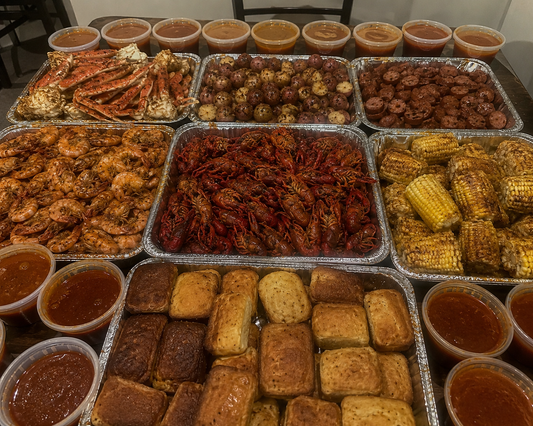
For events where making a memorable impression matters most, consider distinctive offerings that break from conventional corporate fare. Boil Baby Boil's commercial catering collection brings West Hollywood's celebrated Cajun seafood boil experience directly to your business venue—think snow crab, crawfish, lobster, and shrimp served with signature spicy butter that guests won't forget. This approach transforms standard corporate catering into an authentic culinary experience that clients discuss long after the meeting concludes.
Understanding Guest Profiles: Decision-Makers, Team Members, or Mixed?
Executive audiences often appreciate refined simplicity and efficiency—food that impresses without demanding excessive attention. Junior team members might value quantity and variety. Mixed groups require balanced offerings that satisfy both spectrums without alienating either. Demographics, industry culture, and even geographic origin influence preferences more than most planners realize.
Key Questions to Answer Before You Contact Any Caterer
- What impression do I want guests to form about our organization?
- Are there cultural, religious, or dietary considerations I must accommodate?
- What is my realistic per-person budget including service, rentals, and contingencies?
- Do I have adequate space, power access, and setup time for the catering format I envision?
- Who will serve as the primary point of contact with the caterer on event day?
Designing a Menu That Feels Premium (Without Blowing the Budget)
Balancing Variety and Focus: How Many Dishes is "Enough"?
More dishes don't automatically translate to better experiences. A focused menu executed brilliantly surpasses an sprawling selection served mediocrely. For most corporate events, aim for two protein options, three complementary sides, one salad or vegetable preparation, and a simple dessert or fruit offering. This structure provides choice without overwhelming guests or diluting quality through over-extension.
Incorporating Local, Seasonal, or Signature Dishes to Stand Out
Generic catering menus blur together in memory. Distinctive regional specialties create conversation anchors and demonstrate thoughtfulness. Seasonal ingredients signal freshness and culinary awareness. When you source locally, you're not just feeding people—you're telling a story about place, quality standards, and supporting community.
For corporate events seeking that "wow" factor, the 👑 Event Package from Boil Baby Boil delivers an unforgettable Cajun seafood boil experience tailored for groups. This offering includes your choice of premium seafood—snow crab, crawfish, lobster, or shrimp—paired with andouille sausage, corn, potatoes, and the restaurant's signature spicy Cajun butter. It's mess-free family-style dining that encourages interaction while maintaining professional presentation standards. Same-day catering availability means even last-minute planning doesn't require compromise.
Smart Use of "Hero" Dishes vs. Supporting Sides
Every memorable buffet features one or two hero items that anchor attention and conversation. These signature dishes should represent your highest quality investment and most distinctive flavors. Supporting sides exist to complement, not compete—think of them as the ensemble cast that makes the lead performer shine brighter. Allocate your budget accordingly, investing disproportionately in those hero elements that guests will remember.
Breakfast, Lunch, and Evening Buffets: What Works Best When?
Morning events benefit from lighter fare with protein options that sustain energy—think vegetable frittatas, smoked salmon, and fresh fruit rather than heavy pastries alone. Midday buffets require balance between satisfaction and avoiding the dreaded afternoon slump; lean proteins and complex carbohydrates outperform cream-heavy dishes. Evening gatherings permit richer preparations and higher fat content since productivity concerns diminish and social atmosphere takes precedence.
Dietary Requirements: Impress by Making Everyone Feel Considered
Planning for Common Requirements: Vegetarian, Vegan, Gluten-Free, Halal, Kosher-Friendly
Anticipating dietary needs before they're requested demonstrates organizational maturity. Survey attendees beforehand when possible, but always prepare baseline alternatives regardless. Vegetarian options should stand as genuinely appealing dishes, not afterthoughts. Vegan preparations require vigilance about hidden dairy or egg ingredients in sauces and batters. Gluten-free considerations extend beyond obvious bread products to thickeners, marinades, and cross-contamination during preparation.
For religious dietary requirements, communicate clearly with your caterer about preparation methods and ingredient sourcing. Halal and kosher-friendly options require specific protocols that professional caterers understand, but you must articulate these needs explicitly during planning conversations.
How to Label Dishes Clearly and Professionally
Elegant tent cards or printed labels listing dish names and key allergens prevent awkward inquiries and demonstrate professionalism. Include basic information: primary protein, cooking method, and major allergens (dairy, nuts, gluten, shellfish). Avoid medical jargon or overwhelming detail—guests want clarity, not ingredient dissertations. Position labels consistently at the front of each dish where they're visible before guests begin serving themselves.
Preventing Cross-Contamination and Allergen Risks
Dedicated serving utensils for each dish prevent inadvertent allergen transfer. Ensure your caterer maintains separate preparation areas for allergen-sensitive foods when possible. Buffet arrangement matters too—position allergenic items like shellfish or nut-based dishes away from allergen-free options to minimize accidental contact. This spatial consideration protects guests while signaling your commitment to their wellbeing.
Subtle Ways to Offer Inclusive Options Without Drawing Awkward Attention
Integrate dietary accommodations naturally throughout the buffet rather than segregating them into a separate "special needs" section. When vegan, gluten-free, and standard options coexist seamlessly, no one feels singled out or inconvenienced. Design your menu so several items naturally satisfy multiple dietary restrictions—roasted vegetables, quinoa salads, and grilled proteins without heavy sauces work universally while maintaining appeal.
Presentation Matters: Turning a Buffet into a Client Experience
Table Layouts That Prevent Queues and Awkward Traffic Jams
Traffic flow engineering sounds technical but proves crucial for guest comfort. Double-sided buffet lines serve twice as many people simultaneously, eliminating bottlenecks. When space permits, separate beverage stations from food to prevent congestion. Position high-demand items like proteins strategically to prevent line stagnation. Consider the natural movement pattern—guests should progress logically from plates and utensils through proteins, sides, and finally condiments.
Plating, Servingware, and Decor That Signal "Premium"
Chafing dishes needn't scream "convention center banquet." Modern alternatives include ceramic crocks, slate presentation boards, and tiered display stands that elevate visual interest. Real china and metal flatware dramatically outclass disposables when impression matters, though high-quality compostable options now exist that bridge aesthetics and practicality. Fresh herbs, edible flowers, or citrus garnishes add color and fragrance without significant cost.
The buffet presentation communicates your brand values before guests taste a single bite. Every visual detail either reinforces or undermines the professional image you've worked to cultivate.
Temperature and Timing: Keeping Hot Foods Hot and Cold Foods Cold
Temperature management separates professional catering from amateur efforts. Hot dishes should arrive steaming and maintain that temperature throughout service via proper fuel management or electrical heating elements. Cold items require ice baths or refrigerated displays, particularly for seafood, dairy-based dishes, and mayonnaise-containing preparations. Schedule buffet opening close to preparation completion—food quality degrades rapidly when held too long, regardless of heating equipment quality.
Incorporating Your Brand or Event Theme Tastefully
Subtle branding enhances without overwhelming. Custom napkins, branded signage at the buffet entrance, or company colors reflected in floral arrangements reinforce identity without transforming the event into an advertisement. The food itself can echo brand values—sustainability-focused companies might emphasize local sourcing, while innovation-driven organizations could showcase cutting-edge culinary techniques or unexpected flavor combinations.
Service Standards: What Separates Average Catering From Impressive
The Role of Professional Staff: Attentive But Unobtrusive
Exceptional catering staff anticipate needs before verbalization. They monitor buffet levels, refresh depleted dishes seamlessly, and clear abandoned plates without disrupting conversations. This requires training, experience, and proper staff-to-guest ratios. Professional servers understand corporate event dynamics—they know when to engage warmly and when to fade into the background during critical business discussions.
How Many Staff Do You Really Need for a Smooth Buffet?
Understaffing creates visible strain and service gaps. As a general guideline, one server per fifteen to twenty guests maintains adequate coverage for buffet monitoring, beverage service, and table clearing. Larger events or complex menus may require higher ratios. Factor in separate bartenders if serving alcohol, and ensure at least one designated point person who coordinates with your internal team throughout the event.
Refills, Clean-Up, and Discreet Support During Presentations
Strategic replenishment timing prevents the buffet from appearing depleted without disruptive mid-presentation shuffling. Brief your catering team on your agenda—they should understand when silence is paramount and when gentle activity is acceptable. Coordinate trash removal, dishware clearing, and other potentially noisy tasks during natural breaks, networking periods, or moments when ambient conversation provides acoustic cover.
Communication With the Caterer on the Day: Who Owns What?
Establish clear accountability before the event begins. Designate one internal contact person who interfaces with the catering lead to resolve questions or adjustments. Document expected arrival times, setup duration, service protocols, and breakdown procedures in writing. Confirm emergency contact information and decision-making authority for on-the-fly modifications. This clarity prevents confusion when time-sensitive situations arise.
Logistics and Timing: Avoiding the Hidden Pitfalls
Scheduling Delivery, Set-Up, and Breakdown Around Your Agenda
Work backward from your desired service time to determine required setup duration. Most buffets need forty-five to ninety minutes for complete preparation depending on complexity. Factor in building access, elevator availability, and parking logistics—urban venues often present challenges that suburban locations don't. Schedule caterer arrival early enough to absorb minor delays without jeopardizing your timeline.
Space, Power, and Access: What Your Caterer Needs From You
Survey your venue for practical requirements before finalizing contracts. Does the space provide adequate electrical outlets for heating equipment? Are loading docks or service elevators accessible during your setup window? Do fire codes restrict open flames or certain heating methods? Catering companies can adapt to constraints, but they need advance notice to bring appropriate equipment or modify service approaches accordingly.
Managing Headcount Changes and Last-Minute Additions
Build flexibility into your food order—typically ten to fifteen percent over confirmed attendance accommodates unexpected additions without excessive waste. Communicate final headcounts according to your caterer's deadline, usually forty-eight to seventy-two hours before the event. For inevitable last-minute changes, understand your caterer's policies and surcharge structures for rushed adjustments.
Backup Plans: What Happens if Something Goes Wrong?
Professional caterers maintain contingency protocols for equipment failures, traffic delays, or ingredient shortages. Confirm these backup systems during planning. On your end, identify alternative spaces if weather threatens outdoor setups, maintain vendor contact lists for emergency support, and designate someone authorized to make rapid decisions if primary contacts become unavailable.
Choosing the Right Corporate Buffet Catering Partner
Red Flags and Green Flags When Reviewing Caterers
Red flags announce themselves through vague communication, reluctance to provide references, or pressure tactics around deposits and contracts. Caterers who can't articulate their food sourcing practices, hygiene certifications, or staff training protocols deserve scrutiny. Inconsistent online reviews mentioning temperature issues, late arrivals, or unresponsive customer service signal operational weaknesses that rarely improve under event pressure.
Green flags include detailed proposal documentation, proactive questions about your event objectives, and willingness to accommodate tastings or site visits. Established caterers maintain current liability insurance, food handler certifications, and documented protocols for dietary restrictions. They reference past corporate clients readily and demonstrate familiarity with business event dynamics beyond just food preparation.
Questions to Ask: Experience, Hygiene, Insurance, and References
Direct inquiries reveal professionalism quickly. Ask how many events of similar size and format they've executed in the past six months. Request their food safety certification details and inquire about staff training programs. Confirm their liability insurance coverage limits and whether your event type falls within their policy scope. Solicit three recent client references, preferably from corporate contexts similar to yours, then actually contact those references to verify service quality.
Assessing Sample Menus and Tasting Sessions
Sample menus provide insight into culinary range and creativity, but tasting sessions reveal execution quality. Many professional caterers offer tastings for events above certain budget thresholds—take advantage of this opportunity. Evaluate not just flavor but also temperature consistency, portion appropriateness, and visual presentation. Bring colleagues whose judgment you trust to gather diverse perspectives on dishes you're considering.
Contracts, Pricing Models, and What Should Be Included
Comprehensive contracts protect both parties. Ensure yours specifies exact menu items, quantities, service duration, staff numbers, rental equipment included, setup and breakdown responsibilities, cancellation policies, and payment schedules. Understand pricing models—per-person rates, flat event fees, or hybrid approaches each carry different implications for budget predictability. Clarify what constitutes additional charges: overtime fees, last-minute headcount increases, specialized equipment rentals, or travel costs beyond certain distances.
| Contract Element | What to Verify |
|---|---|
| Menu Details | Specific dishes, portion sizes, and ingredient quality standards |
| Service Staffing | Number of servers, their roles, and service duration |
| Equipment & Rentals | What's included versus additional rental charges |
| Timeline | Arrival, setup, service, and breakdown windows |
| Cancellation Terms | Deadlines and refund structures for changes |
| Liability Coverage | Insurance certificates and incident protocols |
Measuring Success: Did Your Buffet Actually Impress Clients?
Simple Ways to Collect Honest Feedback From Attendees
Post-event surveys capture impressions while memories remain fresh. Keep questionnaires brief—five to seven questions maximum—focusing on overall satisfaction, food quality, variety adequacy, and service professionalism. Anonymous digital surveys via email or text link typically generate higher response rates and more candid feedback than paper forms collected on-site. Consider incentivizing participation with small tokens of appreciation or entry into modest prize drawings.
Signs Your Catering Strengthened (or Weakened) Client Perception
Unsolicited compliments about the food during or after the event signal success. Conversely, visible plate waste, guests leaving hungry, or apologetic comments about certain dishes indicate problems. Monitor body language and engagement patterns—did guests linger comfortably or exit quickly after obligatory attendance? Strong catering facilitates extended networking and relaxed interaction; poor catering prompts early departures regardless of stated event duration.
Social media mentions provide unfiltered insights. Clients who photograph and share your event's food offerings are inadvertently endorsing your attention to quality. Track whether the catering becomes a conversation topic in subsequent business communications—positive references suggest it enhanced your professional image, while silence or deflection may indicate it fell short of expectations.
Using Feedback to Refine Future Corporate Catering Events
Document observations and feedback systematically for each event. Note which dishes received enthusiastic reception versus those that languished untouched. Identify logistical hiccups—timing issues, quantity miscalculations, or service gaps—and discuss solutions with your catering partner before the next engagement. Build an institutional knowledge base that evolves with each event, allowing your corporate catering program to improve continuously rather than repeating identical approaches indefinitely.
FAQs About Corporate Buffet Catering
How far in advance should I book corporate buffet catering?
For standard business events, secure your caterer four to six weeks ahead to ensure availability and allow adequate planning time. High-demand periods like December holidays or conference season may require eight to twelve weeks advance booking. Some caterers offer same-day service for smaller, simpler events, though options and customization become more limited. Earlier booking provides leverage for menu adjustments, tastings, and securing preferred service staff.
What is a reasonable per-person budget for an impressive buffet?
Expect to invest between thirty-five and seventy-five dollars per person for quality corporate buffet catering in major metropolitan markets. This range typically includes food, basic service staff, standard equipment, and disposable serviceware. Premium offerings with upscale proteins, extensive customization, china service, or specialized dietary accommodations may reach one hundred dollars or more per guest. Budget-conscious approaches can work around twenty-five to thirty dollars per person but require strategic menu design to maintain quality perception.
How do I handle a mix of internal staff and external clients at the same buffet?
Order sufficient quantities to ensure everyone receives equal access to all offerings—nothing creates awkwardness faster than running out before certain groups eat. Consider dual service lines if the combined headcount exceeds forty people. Position any VIP guests or key clients near the buffet entrance to ensure first access without making this priority overtly obvious. Treat all attendees with equivalent hospitality standards; internal team members notice and appreciate when they're not visibly deprioritized in front of external guests.
Is a buffet always better than plated service for corporate events?
Buffets excel for networking-focused events, casual gatherings, and situations requiring scheduling flexibility. Plated service better suits formal presentations, award ceremonies, or situations where maintaining strict timing is paramount. Consider hybrid approaches—plated appetizers or desserts combined with buffet entrees—when you want structure around certain program elements but flexibility elsewhere. Match service style to event objectives rather than defaulting to convention.
What should I ask my caterer to ensure the food looks as good as it tastes?
Request photos from recent events of similar scale and style. Discuss their approach to buffet styling, garnishing, and presentation equipment. Ask specifically about how they maintain visual appeal throughout service as dishes deplete and require replenishment. Inquire about their protocol for refreshing garnishes, wiping spills, and keeping the buffet area pristine during active service. Professional caterers understand that visual presentation directly impacts perceived quality and should articulate clear standards they maintain throughout your event.