Corporate Buffet Catering Mistakes to Avoid in 2026
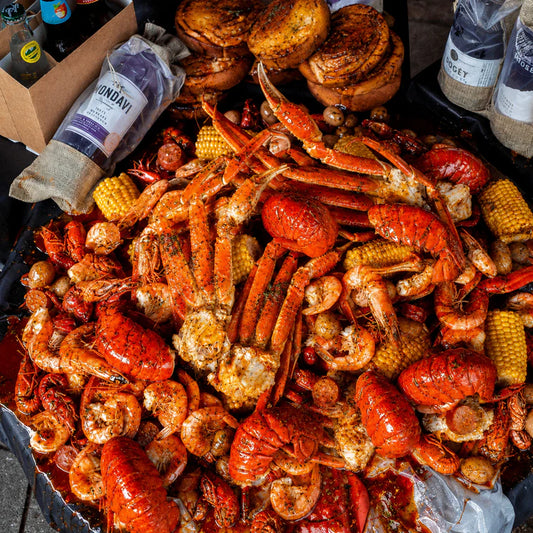
The biggest corporate buffet catering mistakes are ignoring dietary needs, letting food sit too long and guessing headcounts, so confirm numbers early and pick food that holds up. Boil Baby Boil in West Hollywood delivers Cajun seafood boils of shrimp, snow crab, corn and potatoes across Los Angeles, ordered online at boilbabyboil.com.
Why Corporate Buffet Catering Mistakes Matter in 2026
Corporate buffet catering has shifted from simple fuel for meetings into a strategic touchpoint that shapes culture, retention, and brand perception. In 2026, missteps don't just disappoint—they can expose your organization to compliance risks, erode employee trust, and waste precious budget. Understanding why these mistakes matter sets the foundation for flawless execution.
Evolving workplace expectations and hybrid attendance
Today's workforce oscillates between remote flexibility and in-office collaboration. Employees expect culinary experiences that rival their favorite neighborhood eateries, not tired sandwich platters. When teams do convene physically, the meal becomes a ritual of reconnection. A lackluster buffet signals indifference, while a thoughtfully curated spread—think Cajun-spiced seafood boils with interactive peel-and-eat formats—telegraphs genuine appreciation. Hybrid attendance volatility demands agile planning; a headcount that swings twenty percent in forty-eight hours can crater your per-person budget or leave guests staring at empty chafing dishes.
New safety, allergen, and sustainability standards shaping decisions
Regulatory bodies and corporate ESG committees now scrutinize food safety protocols, allergen management, and carbon footprints with forensic intensity. Municipalities across California have tightened temperature-monitoring mandates, while employees wielding severe allergies expect granular ingredient disclosure. Simultaneously, stakeholders demand proof that your caterer sources sustainably, minimizes single-use plastics, and diverts surplus food from landfills. Ignorance of these imperatives invites legal liability, reputational blowback, and failed audits.
Budget pressure vs. experience ROI: proving value to stakeholders
Finance teams insist on measurable returns—reduced turnover, higher engagement scores, accelerated deal closures—while slashing discretionary spend. A corporate buffet catering investment must demonstrate ROI beyond satisfied stomachs. Tracking waste-per-guest, post-event Net Promoter Scores, and recruitment referral upticks transforms catering from a line item into a strategic lever. Conversely, a botched event becomes a cautionary tale in the next quarterly review.
Planning and Forecasting Errors
Accurate forecasting separates seamless events from chaotic scrambles. Yet many planners cling to obsolete assumptions, triggering shortages, spoilage, and budget overruns.
Relying on outdated headcount ratios for corporate buffet catering
The pre-pandemic calculus—order for ninety percent of RSVPs—crumbles under hybrid unpredictability. Remote workers drop in unannounced; others bail when meetings overrun. Static ratios ignore dietary diversity: a vegan cohort consumes different volumes than omnivores. Applying a universal multiplier yields either mountains of waste or embarrassing shortfalls.
Ignoring hybrid volatility, late RSVPs, and no-show patterns
Hybrid schedules breed last-minute flux. Employees confirm attendance, then pivot to Zoom when childcare falls through. Without historical no-show data segmented by event type—all-hands versus team lunch—you're flying blind. Late RSVPs compound the chaos, leaving caterers scrambling to source ingredients or adjust prep schedules.
Skipping data-driven RSVP cutoffs, reminders, and waitlists
Many organizers set arbitrary deadlines without analyzing when RSVPs plateau. A cutoff too early locks out stragglers; too late hamstrings your caterer's procurement window. Automated reminder sequences and waitlist mechanisms capture fence-sitters and provide backup if no-shows spike.
What to do instead: dynamic forecasting buffers, tiered quantities, staggered service waves
Deploy tiered ordering: confirm a base quantity at seventy-two hours out, then add incremental portions at twenty-four hours based on updated RSVPs. Build a ten-to-fifteen-percent buffer for drop-ins, but design it around shelf-stable or easily repurposed items. Staggered service waves—releasing appetizers, mains, and desserts in sequence—smooth demand spikes and let you gauge consumption in real time.
Menu and Dietary Inclusivity Gaps
A menu that alienates dietary minorities broadcasts exclusion. In 2026, inclusivity isn't a nice-to-have; it's table stakes for talent retention.
Underestimating vegan, vegetarian, halal/kosher-style, and allergen-free demand
Plant-forward diets have surged beyond niche communities. Assuming five percent vegan attendance when reality hovers near twenty percent leaves guests hungry and resentful. Similarly, observant employees seeking halal or kosher-compliant options—or those managing celiac disease—deserve more than an afterthought side salad.
Unbalanced menus: protein-heavy with weak plant-forward options
A buffet groaning with brisket, shrimp, and chicken yet offering a lone grilled vegetable medley signals imbalance. Plant-based dishes should rival animal proteins in flavor complexity and visual appeal—think cauliflower "steaks" with chimichurri or jackfruit carnitas—not serve as filler.
Missing or unclear labeling for the top allergens and gluten
Unlabeled dishes force guests into awkward interrogations or dangerous gambles. The FDA's top nine allergens—milk, eggs, fish, shellfish, tree nuts, peanuts, wheat, soy, sesame—must be flagged clearly. Ambiguous terms like "sauce" or "seasoning" obscure hidden gluten or dairy.
What to do instead: inclusive menu architecture, clear iconography, and ingredient transparency
Design menus where every dietary profile finds multiple satisfying choices. Pair your signature Cajun seafood boil with robust vegan gumbo and gluten-free cornbread. Use universally recognized icons—leaf for vegan, wheat-with-slash for gluten-free—and provide QR codes linking to full ingredient lists. Train staff to answer allergen queries confidently.
Buffet Flow, Layout, and Venue Constraints
Even stellar cuisine falters when guests queue interminably or navigate a labyrinthine layout.
Creating single-line bottlenecks and poor signage
A solitary buffet line transforms lunch into a forty-minute ordeal, torpedoing productivity. Inadequate signage leaves guests guessing which station holds entrees versus sides, compounding congestion.
Overlooking ADA accessibility and culturally sensitive layout choices
Wheelchair users require counter heights no higher than thirty-four inches and adequate maneuvering clearance. Culturally, some traditions prefer segregated stations for vegetarian and meat dishes to avoid cross-contact. Ignoring these nuances alienates employees and risks legal exposure.
Power, ventilation, and fire-code oversights for warmers and induction
High-wattage chafing systems and induction burners can trip breakers or violate venue fire codes. Insufficient ventilation traps steam and odors, rendering spaces uncomfortable. Confirm electrical capacity and exhaust requirements weeks ahead.
What to do instead: duplicate lines, stations by cuisine, wayfinding, and timed releases
Mirror your buffet to halve wait times. Group items logically—proteins, starches, vegetables—and post large, legible signs with dish names and icons. Release attendees in waves by department or floor to stagger arrival. Incorporate wayfinding cues like floor decals or rope guides.
Food Safety and Quality Control Missteps
Compromised food safety can trigger illness outbreaks, lawsuits, and catastrophic PR crises. Quality lapses simply disappoint—but repeatedly.
Unsafe holding temperatures and time-in-temperature limits
Hot foods must stay above 135°F, cold below 41°F. The "danger zone" between those thresholds accelerates bacterial proliferation. Many caterers neglect to log temperatures hourly or fail to discard items held beyond four-hour limits, courting foodborne illness.
Allergen cross-contact risks at shared utensils and stations
A single ladle bouncing between shrimp étouffée and vegan jambalaya contaminates the latter for shellfish-allergic guests. Shared cutting boards, fryer oil, and garnish bowls pose similar hazards.
Last-mile delivery delays degrading food quality
Los Angeles traffic can extend a fifteen-minute drive into an hour. Food sitting in warming bags loses textural integrity—crispy cornbread turns soggy, proteins dry out—and edges closer to unsafe temperatures.
What to do instead: HACCP-driven plans, insulated equipment, and time-stamped pans
Partner with caterers employing Hazard Analysis and Critical Control Points (HACCP) protocols. Demand calibrated thermometers, insulated cambros, and time-stamped pan labels. For premium offerings like lobster rolls or crawfish boils, confirm same-day preparation and rapid transport windows to preserve peak quality.