Commercial Caterers vs DIY: Why Pro Seafood Wins Every Time
Introduction: Why Seafood Events Demand More Than "Good Enough"
Setting the scene: high‑stakes seafood occasions (weddings, corporate events, premium parties)
Seafood carries an undeniable allure—a touch of coastal elegance that transforms ordinary gatherings into memorable celebrations. Whether it's a sunset wedding reception overlooking the Pacific, a corporate appreciation dinner for your highest-value clients, or a milestone birthday bash where guests expect Instagram-worthy indulgence, seafood elevates the stakes. These occasions demand flawless execution because the margin for error vanishes when shellfish meets scrutiny.
What "commercial caterers" really are in the seafood context
Commercial caterers specializing in seafood are licensed culinary professionals equipped with systematic protocols, trained personnel, and infrastructure designed specifically for high-volume food service. Unlike neighborhood cooks or enthusiastic amateurs, these professionals navigate complex supply chains—sourcing fresh snow crab, live crawfish, and premium shellfish—while maintaining rigorous cold-chain integrity from boat to buffet. Their expertise encompasses not just cooking prowess but also regulatory compliance, allergen management, and crisis mitigation.
The DIY temptation: saving money vs risking your reputation
The siren song of DIY seafood catering whispers seductively: "Why pay professionals when you can boil shrimp yourself?" Budget-conscious hosts often calculate ingredient costs and convince themselves that a few hours in the kitchen equals professional results. Yet this calculus rarely accounts for the hidden expenditures—specialized equipment rentals, ingredient waste from miscalculations, emergency store runs when timing collapses, and the irreplaceable cost of your own sanity. More critically, when your homemade crab boil leaves guests with foodborne illness or disappointing, rubbery textures, the reputational damage far exceeds any imagined savings.
Who this guide is for (hosts, office managers, event planners, and food‑loving DIYers)
This exploration speaks directly to office managers orchestrating quarterly celebrations, event planners balancing client expectations against tight timelines, culinary enthusiasts considering a seafood boil for twenty friends, and anyone who's ever wondered whether professional catering genuinely delivers value beyond convenience. If you've contemplated serving fresh Cajun-style seafood at your next gathering but felt uncertainty about the DIY-versus-pro decision, you're precisely where you need to be.
Understanding Commercial Caterers vs DIY Seafood
Defining commercial seafood caterers: licensing, teams, and systems
Commercial caterers operate under stringent health department oversight, maintaining food handler certifications, commercial kitchen licenses, and liability insurance that shields both themselves and their clients. These operations employ dedicated teams—sous chefs who excel at timing delicate proteins, logistics coordinators managing synchronized delivery, front-of-house staff trained in guest interaction protocols. Behind the scenes, standardized recipes ensure consistency, while inventory management systems prevent last-minute shortages that plague amateur efforts.
What "DIY seafood catering" typically looks like in practice
DIY seafood catering usually unfolds in residential kitchens with household equipment never designed for volume cooking. Enthusiastic hosts purchase seafood from retail markets, transport it in personal coolers of questionable temperature control, and attempt to replicate restaurant-quality results using undersized stockpots and residential stovetops. The reality often involves frantic last-minute adjustments, compromised food safety protocols born from ignorance rather than negligence, and exhausted hosts who miss their own events while troubleshooting culinary disasters in the kitchen.
Core differences: expertise, equipment, logistics, and legal responsibility
The chasm between professional and amateur seafood catering isn't merely skill—it's infrastructure, accountability, and systematic risk mitigation that amateurs cannot replicate regardless of enthusiasm.
Commercial caterers wield commercial-grade burners capable of maintaining rolling boils for multiple batches, refrigerated transport vehicles maintaining precise temperature zones, and purchasing relationships yielding fresher product at better pricing. Crucially, they shoulder legal liability for food safety outcomes, backed by insurance policies protecting hosts from devastating lawsuits. DIY hosts possess none of these safeguards, gambling their personal assets alongside their reputations.
When each option is commonly considered (small gatherings vs large or high‑profile events)
Intimate gatherings of six to eight close friends might reasonably accommodate DIY efforts, particularly when serving simple preparations like steamed clams or grilled fish. However, once guest counts exceed twelve, or when attendees include professional contacts, high-profile clients, or occasions requiring photographic documentation, the calculus shifts decisively toward professional catering. High-stakes events—where reputation, business relationships, or once-in-a-lifetime celebrations hang in the balance—demand professional execution from the outset.
Food Safety and Freshness: Where Professional Seafood Catering Really Counts
Why seafood is higher‑risk than many other event foods
Seafood occupies the apex of food safety complexity. Unlike terrestrial proteins with forgiving temperature windows, shellfish and finfish deteriorate rapidly once harvested, breeding pathogens with alarming speed when improperly handled. Histamine formation in scombroid fish, vibrio bacteria in raw oysters, and cross-contamination from crustacean allergens create hazards that demand specialized knowledge. A slightly undercooked chicken breast might cause discomfort; mishandled seafood can hospitalize guests.
How commercial caterers source, transport, and store seafood safely
Professional operations maintain relationships with certified suppliers who provide traceability documentation—knowing precisely which waters yielded each harvest and when. Refrigerated transport maintains the critical 32°F to 38°F zone during transit, while commercial walk-in coolers provide dedicated seafood storage away from potential contaminants. Many commercial caterers receive daily deliveries, ensuring product freshness that retail purchases simply cannot match, particularly for perishable items like live crawfish or fresh oysters.
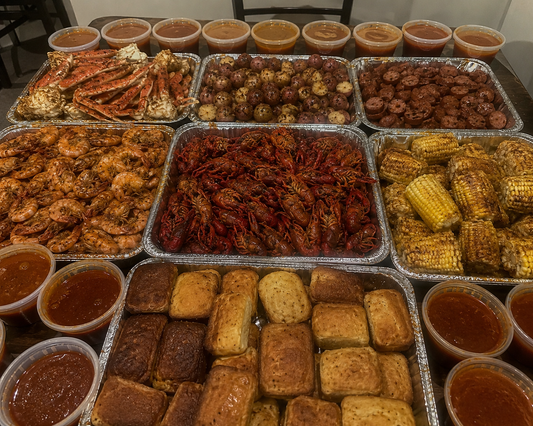
For hosts planning significant gatherings in West Hollywood and surrounding areas, exploring comprehensive commercial catering solutions designed specifically for seafood-centric events eliminates guesswork. Professional packages address the exact pain points that derail DIY attempts—coordinated timing, proper equipment deployment, and experienced staff who understand Cajun seafood preparation nuances. These structured offerings transform chaotic meal logistics into seamless guest experiences.
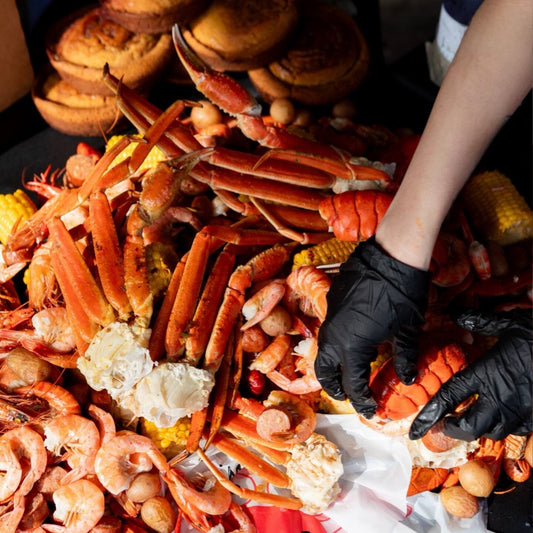
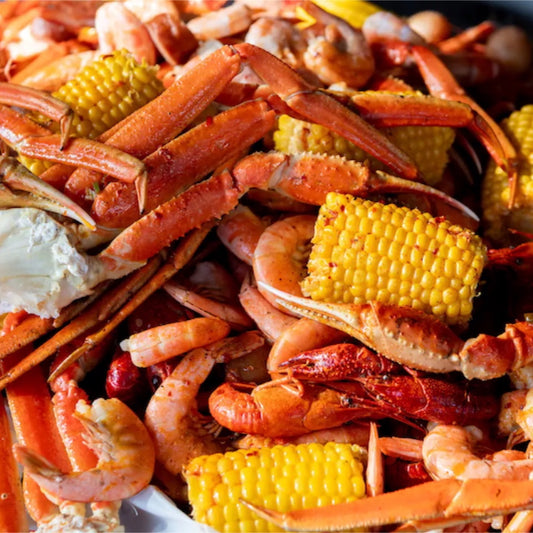
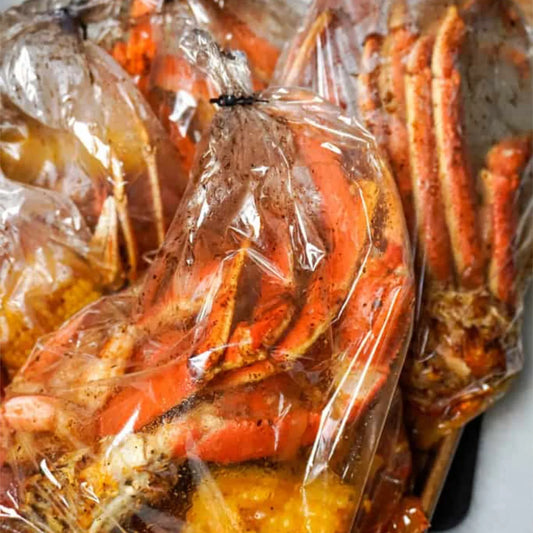
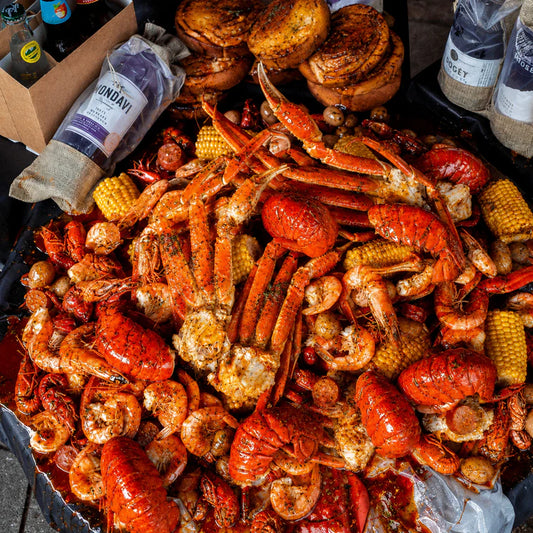
Film crews, production teams, and demanding corporate groups require feeding solutions that respect tight schedules while delivering memorable quality. The Film Crew Package exemplifies how specialized commercial catering addresses unique logistical challenges—providing substantial portions of fresh Cajun seafood boils complete with snow crab, shrimp, and signature sides, all coordinated for same-day delivery. This approach eliminates the meal-planning burden that distracts from core responsibilities, whether you're managing a production schedule or orchestrating an office celebration.
Temperature control, cross‑contamination, and allergen protocols
Commercial kitchens employ color-coded cutting boards segregating seafood from other proteins, dedicated utensils preventing allergen transfer, and calibrated thermometers verifying safe internal temperatures. Staff training emphasizes hand-washing protocols and glove-change discipline that amateur cooks routinely overlook. For guests with shellfish allergies—a potentially life-threatening condition—professional kitchens maintain separate preparation zones and can confidently communicate ingredient compositions, something DIY hosts struggle to guarantee amidst event-day chaos.
Common DIY seafood safety mistakes that can ruin an event
Well-intentioned amateurs frequently commit critical errors: thawing frozen seafood on countertops rather than refrigerated environments, reusing marinades that contacted raw product, or misjudging cooking times that leave shellfish undercooked. Perhaps most dangerously, DIY hosts often lack thermometers entirely, relying on visual cues that fail with opaque proteins. These lapses don't always cause immediate illness, but when they do, the consequences devastate both guests and hosts.
Legal and health implications: who is liable if guests get sick?
When commercial caterers serve contaminated food, their liability insurance and business assets absorb the financial consequences. When DIY hosts sicken guests, personal liability extends to medical expenses, lost wages, and potential lawsuits that can pierce personal assets including homes and savings. Beyond financial ruin, the emotional toll of harming friends, family, or colleagues creates burdens that no budget savings justify. Professional catering transfers this existential risk to entities equipped to manage it.