Blue Crab Boil Secrets: Cooking Time & Perfect Seasoning
Introduction: Why Blue Crab Boils Deserve Special Attention
Blue crab boils occupy a hallowed position in coastal cuisine, demanding reverence beyond your standard seafood tumble. Unlike the forgiving nature of shrimp or the robust crawfish, blue crabs present a delicate challenge—one wrong move and you've transformed sweet, tender meat into stringy disappointment.
What makes a blue crab boil different from other seafood boils?
The anatomy of blue crabs sets them apart immediately. Their shells harbor less meat than lobster, making every morsel precious. The cooking window narrows considerably compared to heartier crustaceans. While crawfish tolerate a soak with aplomb, blue crabs demand precision. Their flavor profile tilts naturally briny and sweet, requiring seasoning that amplifies rather than masks these qualities.
The two keys to a great blue crab boil: timing and seasoning balance
Master these dual pillars and you'll consistently deliver restaurant-quality results. Timing prevents the textural catastrophe of overcooked crab—that mushy, waterlogged disaster. Seasoning balance ensures the spice blend penetrates the shell without overwhelming the delicate meat. Too aggressive? You'll taste only heat. Too timid? The crabs become bland vehicles for butter.
Who this blue crab boil guide is for (first-timers and seasoned home cooks)
Whether you're attempting your inaugural boil or refining techniques after dozens of attempts, this guide delivers actionable intelligence. First-timers gain foundational knowledge to avoid rookie errors. Veterans discover nuanced adjustments that elevate good boils to exceptional ones. Both will walk away with confidence to host gatherings where the blue crab boil becomes the legendary centerpiece.
Understanding Blue Crabs Before You Boil
Blue crab basics: size, season, and how they affect boil time
Blue crabs range from palm-sized juveniles to hefty "jimmies" spanning seven inches or more. Peak season runs May through October along the Atlantic and Gulf coasts, when crabs reach optimal meatiness. Size directly correlates to cook time—a small crab finishes in eight minutes, while large specimens need twelve to fifteen. Seasonal variations in shell thickness also matter; soft-shell periods yield quicker penetration of seasoning.
Live vs. pre-cooked vs. frozen: does the type of crab change your approach?
Live crabs represent the gold standard, offering maximum flavor and textural integrity. Pre-cooked crabs merely need reheating—three to four minutes suffices. Frozen blue crabs require gentler thawing before boiling to prevent meat separation from the shell. Each format demands timing adjustments, but live crabs consistently deliver superior results worth the handling effort.
Craving authentic Cajun-style blue crab boil without the hassle? Boil Baby Boil brings West Hollywood the real deal—fresh seafood tossed in our signature seasoning blend, cooked to perfection daily from 5pm to 10:30pm. Skip the guesswork on timing and spice ratios. Our kitchen has already dialed in the formula.
How many blue crabs per person for a boil?
Budget four to six blue crabs per adult guest, assuming other accompaniments like corn, potatoes, and sausage round out the spread. Serious crab enthusiasts might devour eight to ten, especially if crabs run on the smaller side. Factor in guest appetites and the inclusion of other proteins when calculating quantities.
Safety first: handling live blue crabs and avoiding common mistakes
Live blue crabs pinch with surprising ferocity. Grasp them from the rear, thumb and forefinger positioned on the last two legs. Never attempt frontal approaches—those claws snap shut with vise-like pressure. Keep crabs refrigerated until boiling commences. Discard any deceased specimens before cooking; dead crabs spoil rapidly and compromise the entire batch.
Hosting a gathering and want the blue crab boil experience without the production drama? Our Cajun seafood catering handles everything from seasoning to setup. Perfect for office parties, birthday dinners, or family gatherings where you'd rather enjoy guests than monitor boil times.
Essential Gear and Ingredients for a Blue Crab Boil
Choosing the right pot size, burner, and strainer basket
A 40-quart stockpot accommodates a dozen blue crabs comfortably, with room for vegetables and proper water circulation. Outdoor propane burners deliver concentrated BTU output that indoor stovetops can't match. Invest in a perforated basket insert—it transforms draining from precarious acrobatics into a simple lift-and-dump motion.
Core ingredients: water, salt, acid, aromatics, and fat
Water forms the foundation, obviously. Salt seasons and helps seasoning adhere to shells. Acid—typically lemon juice or vinegar—brightens the brine and balances richness. Aromatics like bay leaves, garlic, and onions build savory depth. A splash of fat, whether butter or oil, carries fat-soluble flavors and adds luxurious mouthfeel.
Add-ins that change timing: potatoes, corn, sausage, and other seafood
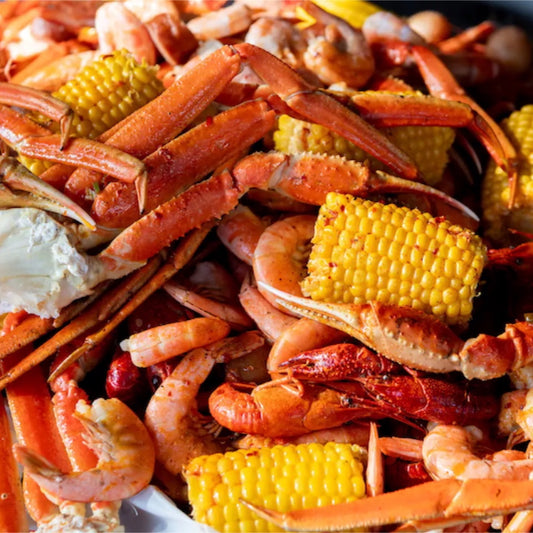
Potatoes require the longest cook time—fifteen to twenty minutes depending on size. Corn needs eight to ten minutes. Sausage, typically pre-cooked, only needs heating through in five minutes. When combining proteins, shrimp cooks fastest at two to three minutes, while lobster tails need seven to eight. Stagger additions accordingly to achieve simultaneous doneness across all components.
Optional extras for flavor (garlic, onions, lemons, bay leaves, and herbs)
Halved lemons contribute brightness and visual appeal when tumbled onto the serving table. Whole garlic cloves, smashed but intact, release oils gradually without turning acrid. Quartered onions add sweetness. Bay leaves provide subtle herbal undertones. Fresh thyme or oregano sprigs introduce aromatic complexity, though dried versions work in a pinch.
Seasoning Secrets: Building the Perfect Blue Crab Boil Flavor
Pre-mixed crab boil vs. homemade blend: which is better and when?
Commercial blends like Old Bay or Zatarain's offer consistency and convenience—ideal for first attempts or large-scale operations. Homemade mixtures allow precise control over heat levels, salt content, and flavor profiles. Veterans often start with a commercial base then augment with personal touches. Neither approach is inherently superior; context dictates the appropriate choice.
Key seasoning components: salt, heat, citrus, and savory depth
Salt amplifies natural sweetness and ensures proper seasoning penetration. Heat, delivered via cayenne or paprika, provides that characteristic tingle without obliterating flavor. Citrus—whether lemon zest, dried peel, or juice—cuts through richness and brightens the palate. Savory depth comes from celery seed, mustard powder, and black pepper working in concert.
How much seasoning per gallon of water for blue crabs?
A baseline formula calls for three tablespoons of seasoning blend per gallon of water. This ratio produces moderate intensity suitable for most palates. Adventurous eaters might push toward four tablespoons, while those serving children or spice-averse guests should dial back to two. Remember that crabs continue absorbing seasoning during any post-boil soak period.
Regional flavor styles: Mid-Atlantic, Gulf Coast, and custom house blends
Mid-Atlantic traditions emphasize Old Bay's celery-forward profile with moderate heat. Gulf Coast interpretations lean into cayenne aggression and garlic prominence. Louisiana-style boils incorporate more butter and Creole seasoning. West Coast approaches sometimes introduce Asian influences—ginger, lemongrass, or Szechuan peppercorns. Each region's style reflects local ingredient availability and cultural preferences.
How to avoid over-salted, bitter, or one-note seasoning
Over-salting typically stems from using iodized table salt instead of kosher or sea salt; the former packs more sodium per volume. Bitterness results from burnt spices or excessive bay leaves. One-dimensional flavor indicates missing layers—add acid if too flat, sweetness if too sharp, or aromatics if too simplistic. Taste the boil liquid before adding crabs and adjust preemptively.
Step-by-Step Blue Crab Boil Method
Prepping the pot: layering water, salt, and seasoning correctly
Fill your pot two-thirds full with water, leaving room for displacement when ingredients enter. Add salt first, stirring until dissolved. Introduce seasoning blends next, allowing them to bloom in the heating water. Bring to a vigorous boil before any other additions—this ensures complete dissolution and prevents clumping.
In what order to add potatoes, corn, sausage, and other items
Potatoes enter first, given their extended cook time. Wait until they've boiled for ten minutes, then add corn. Five minutes later, introduce sausage. This staggered approach synchronizes doneness across all components. Monitor the rolling boil—each addition drops temperature temporarily, so account for recovery time between stages.
When to add live blue crabs so they cook evenly and safely
Once vegetables and sausage near completion, the moment arrives for crabs. Add them quickly but carefully, distributing evenly across the pot's surface. They'll initially halt the boil; wait for it to return fully before starting your timer. Overcrowding prevents proper circulation, so work in batches if necessary rather than cramming everything simultaneously.
Creating a consistent rolling boil without diluting seasoning
Maintain high heat throughout the process. A proper rolling boil shows large bubbles breaking the surface continuously. If the boil weakens significantly, pause additions until vigor returns. Avoid adding cold water to adjust levels—it dilutes seasoning and crashes temperature. Instead, plan liquid volume accurately from the outset.
Precise Cooking Times for Blue Crab Boils
How long to boil blue crabs by size (small, medium, large)
"Small blue crabs (4-5 inches) cook perfectly in 8-10 minutes. Medium specimens (5-6 inches) need 10-12 minutes. Large jimmies (6-7 inches) require 12-15 minutes for thorough cooking without textural degradation."
These timeframes assume a maintained rolling boil. Shell color transitions from blue-green to bright orange-red when fully cooked. Undercooking poses food safety risks, while overcooking transforms succulent meat into stringy disappointment.
Boil vs. soak: should you turn off the heat and let crabs sit?
The soak method involves killing heat after boiling, allowing crabs to steep in seasoned liquid for five to ten minutes. This technique intensifies flavor penetration without additional cooking. It works particularly well with moderate seasoning that needs amplification. Skip the soak if you've already used aggressive spice levels, as continued exposure may push into overwhelming territory.
Visual and aroma cues that your blue crabs are perfectly done
The shell's transformation from murky blue-gray to vivid crimson-orange signals completion. Legs should detach easily when tugged gently—excessive resistance indicates undercooking. The aroma shifts from raw brine to sweet, seasoned shellfish. Crack open a test crab; the meat should appear opaque white throughout, pulling cleanly from the shell without mushiness or translucence.
Common timing mistakes that lead to mushy or rubbery crab meat
Mushy meat results from extended overcooking, where proteins break down excessively. Rubbery texture indicates either insufficient cook time or inadequate boil vigor—the crabs steamed rather than boiled. Starting the timer before the boil fully recovers throws off calculations. Using a weak burner that never achieves proper temperature creates inconsistent results regardless of clock watching.
Advanced Seasoning Techniques for Serious Flavor
Staggering seasoning additions for layered flavor
Add half your seasoning at the initial boil, then introduce the remainder when vegetables go in. This creates distinct flavor strata—background notes from early additions, bright top notes from later ones. Some practitioners reserve a portion for post-boil dusting, creating three-dimensional taste experiences that evolve with each bite.
Using crab soak and "finishing dust" on the shell after cooking
After draining, toss hot crabs in a bowl with additional dry seasoning mix. The residual moisture helps spices cling to shells, delivering concentrated flavor bursts when guests crack into them. This finishing dust compensates for any underseasoned boil liquid while adding textural interest. A light coating suffices—heavy-handedness creates granular, overwhelming results.
Adjusting seasoning intensity for kids vs. spice lovers
Partition your boil if serving diverse palates. Cook crabs and vegetables in mildly seasoned water, then separate portions before applying aggressive finishing dust to adult servings. Alternatively, provide multiple dipping sauces ranging from butter to fiery remoulade, allowing guests to customize heat levels. This inclusive approach prevents alienating sensitive palates while satisfying capsaicin enthusiasts.
How to scale seasoning for small backyard boils and big parties
Small batches demand restraint—it's easier to add than subtract seasoning. Start conservative and adjust upward after tasting. Large-scale operations benefit from batch consistency; mix seasoning thoroughly in advance and measure precisely per gallon. Document successful ratios for future reference. When doubling or tripling recipes, increase seasoning by 1.5x rather than direct multiplication to avoid overwhelming intensity.
Serving, Cracking, and Enjoying Your Blue Crab Boil
How to drain and present a blue crab boil for maximum wow factor
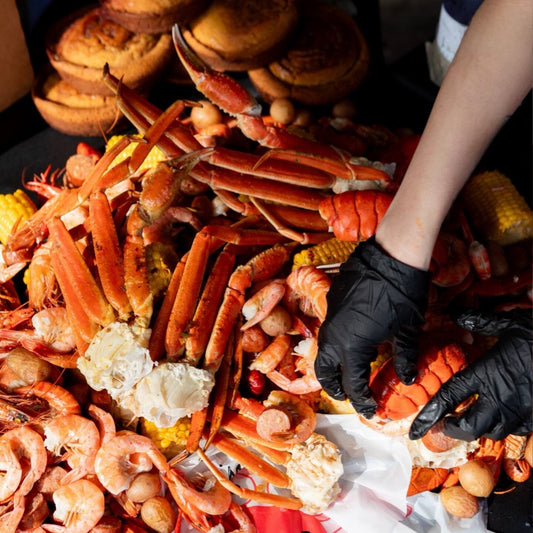
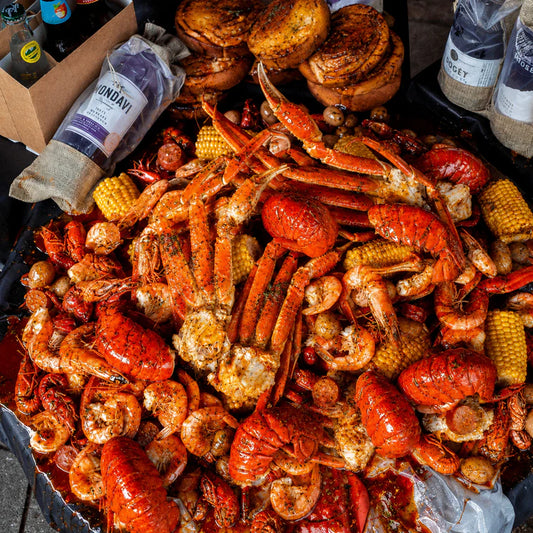
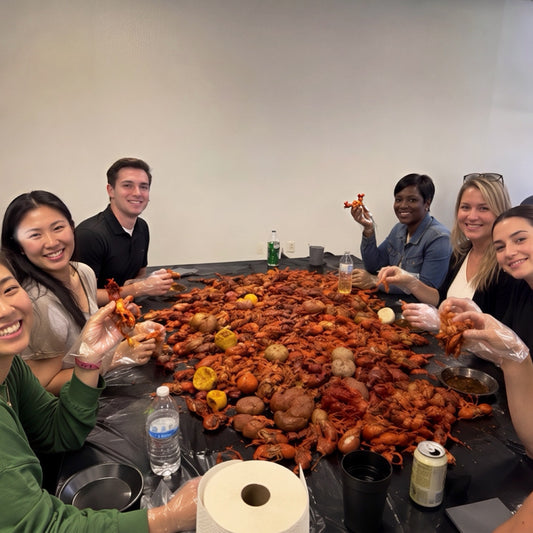
Lift the strainer basket and let excess liquid drain for thirty seconds. Dump contents directly onto butcher paper or newspaper-lined tables for authentic presentation. Scatter lemon wedges and parsley across the pile for visual pop. The communal, hands-on nature transforms dining into an event. Provide rolls of paper towels, wet wipes, and shell bowls at strategic intervals.
Best sides and dipping sauces that complement, not overpower, the boil
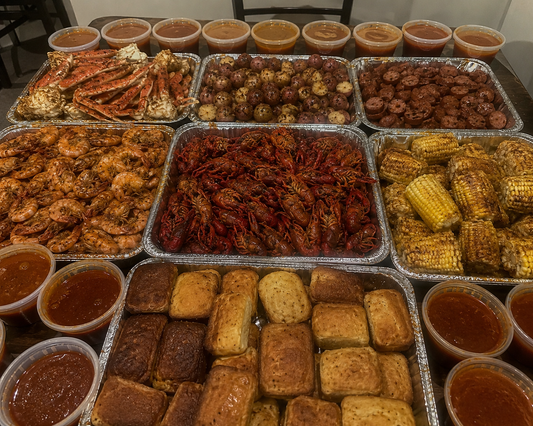
Drawn butter remains the classic accompaniment, offering richness without competing flavors. Garlic aioli provides creamy contrast. Cocktail sauce adds tangy brightness. At Boil Baby Boil, our honey butter cornbread delivers the perfect sweet counterpoint to spicy seafood. Cold beer or crisp white wine cuts through richness and refreshes the palate between crackin' sessions.
| Sauce Type | Flavor Profile | Best For |
|---|---|---|
| Drawn Butter | Rich, neutral | Highlighting natural crab sweetness |
| Garlic Aioli | Creamy, pungent | Adding savory depth |
| Remoulade | Tangy, spicy | Amplifying heat and brightness |
| Cocktail Sauce | Sharp, horseradish kick | Traditional pairing with shellfish |
Teaching guests how to crack and pick blue crabs efficiently
Demonstrate the technique before everyone digs in. Remove claws first by twisting at the joint. Flip the crab and pry off the apron—the triangular flap on the belly. Separate top shell from the body. Discard gills (the feathery gray bits). Break the body in half, then pick meat from chambers using fingers or small forks. Crack claws with mallets or dedicated crackers to access that prized meat.
Food safety and leftovers: how long cooked blue crabs keep and how to store them
Refrigerate leftover crabs within two hours of cooking. They'll maintain quality for three to four days in airtight containers. For longer storage, pick the meat immediately and freeze in sealed bags for up to three months. Never leave cooked crabs at room temperature beyond the two-hour window—bacterial growth accelerates rapidly in the danger zone between 40°F and 140°F.
Troubleshooting Blue Crab Boils
What to do if your boil is too salty, too spicy, or too bland
Overly salty boils can't be unsalted, but dilution helps. Add unsalted water and additional vegetables to absorb excess sodium. Too spicy? Introduce potatoes or corn to mellow intensity, and shorten soak time. Bland boils benefit from finishing dust applied post-cooking or aggressive dipping sauces. Learn from each attempt and adjust your next batch accordingly.
How to recover slightly overcooked or undercooked blue crabs
Slightly overcooked crabs can't be un-cooked, but immediate chilling arrests further degradation. Plunge them into ice water to halt carryover cooking. Undercooked crabs return to boiling water for two to three additional minutes. Check shell color and meat opacity to confirm doneness before serving. These recovery methods work for minor miscalculations, not egregious errors.
Adjusting for high altitude or weak burners (slow-to-boil setups)
High altitude lowers water's boiling point, requiring extended cook times. Add two to three minutes per thousand feet above sea level. Weak burners demand patience—don't add crabs until a vigorous boil establishes itself. Consider upgrading to outdoor propane burners for consistent heat output. Covering the pot between additions helps maintain temperature with insufficient BTU output.
FAQs About Blue Crab Boils
Can you steam instead of boil blue crabs and use the same seasoning?
Steaming works beautifully for blue crabs, often producing even more tender results. The technique requires a steaming rack and about two inches of seasoned liquid in the pot bottom. Layer crabs with dry seasoning between each tier. Steam time runs slightly longer than boiling—twelve to eighteen minutes depending on size. Steaming concentrates flavor since crabs aren't submerged in diluting water.
Is it safe to boil dead blue crabs if they were just alive?
This gamble isn't worth the risk. Blue crabs deteriorate rapidly post-mortem, developing harmful bacteria within hours. If a crab died during transport or storage, discard it immediately. The "recently deceased" window is treacherously narrow and impossible to gauge accurately without laboratory equipment. When in doubt, throw it out—food poisoning from bad shellfish is genuinely miserable.
How does a blue crab boil differ from a shrimp or crawfish boil?
Blue crabs demand gentler seasoning than crawfish, which tolerate aggressive spicing. Shrimp cook in mere minutes compared to crabs' longer requirements. Crawfish boils traditionally incorporate heavier soak periods—sometimes thirty minutes or more. Blue crabs occupy a middle ground: more delicate than crawfish, heartier than shrimp, requiring balanced approaches that respect their unique characteristics.
Can you reuse crab boil water or seasoning for a second batch?
Reusing boil liquid works for consecutive batches cooked the same day. The seasoning actually intensifies, so reduce additions for subsequent rounds. Strain out debris between batches to maintain clarity. However, never save and refrigerate used boil water for future sessions—bacterial contamination makes this practice unsafe. Fresh water for fresh cooking sessions ensures food safety and optimal flavor.
What's the best way to do a blue crab boil indoors without overpowering smells?
Ventilation is paramount for indoor boils. Run exhaust fans at maximum capacity and open windows to create cross-breeze. Simmer a pot of water with lemon slices and vanilla extract to counteract seafood aromas. Clean up immediately—lingering shells amplify odors exponentially. Alternatively, embrace the easier path: order from Boil Baby Boil and enjoy professional-quality results with zero kitchen aftermath. We deliver throughout West Hollywood via DoorDash, Uber Eats, and Grubhub until 10:30pm.
Conclusion: Dialing In Your Signature Blue Crab Boil
Recap: the ideal cooking time and seasoning strategy for blue crab boils
Success hinges on matching cook time to crab size—eight to fifteen minutes depending on dimensions—while maintaining vigorous boils throughout. Seasoning strategy balances salt, heat, acid, and aromatics at approximately three tablespoons per gallon, adjusted for personal preference. The soak method amplifies flavor without additional cooking. These fundamentals apply universally, regardless of regional style preferences.
How to keep notes and refine your personal blue crab boil recipe
Document each attempt with specifics: crab size, exact cook time, seasoning quantities, and guest feedback. Note what worked spectacularly and what fell flat. Photograph your seasoning ratios and finished presentations. Over multiple iterations, patterns emerge revealing your ideal formula. This methodical approach transforms occasional cook into confident practitioner with a signature style.
Encouraging safe experimentation with timing, seasoning, and ingredients
The beauty of blue crab boils lies in their flexibility within established parameters. Experiment with unconventional aromatics—star anise, orange peel, or fresh ginger. Test different acid sources beyond lemon. Vary your heat sources between cayenne, jalapeños, or even harissa. Just maintain food safety fundamentals: proper cook times, temperature control, and prompt refrigeration. Each experiment teaches valuable lessons, gradually elevating your boil game from competent to exceptional.
Whether you're mastering the art at home or craving the convenience of expertly prepared seafood, the blue crab boil represents communal dining at its finest. At Boil Baby Boil, we've spent countless hours perfecting our Cajun-style approach, so you can enjoy the glory without the guesswork. Visit us in West Hollywood, order online, or let us cater your next gathering—because life's too short for mediocre seafood.
- Always match cook time to crab size for optimal texture
- Layer seasoning thoughtfully rather than dumping it all at once
- Test one crab before serving the entire batch to guests
- Keep detailed notes to replicate successful boils
- Prioritize food safety over convenience every single time
The journey from novice to blue crab boil master requires practice, patience, and willingness to learn from imperfect attempts. Armed with proper timing knowledge and seasoning wisdom, you're equipped to create memorable feasts that guests will request repeatedly. Now get out there and boil with confidence.