Bachelor and Bachelorette Party Catering That Brings the Fun
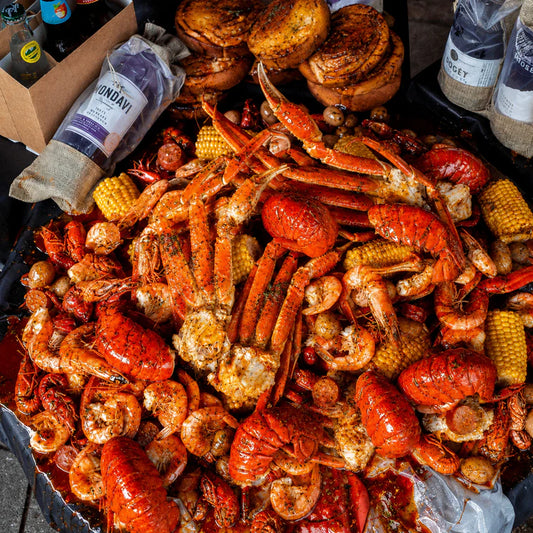
Boil Baby Boil caters bachelor and bachelorette parties across Los Angeles with Cajun seafood boils packed with shrimp, snow crab, crawfish, corn and potatoes in bold garlic butter or Cajun sauce. Everything arrives ready to eat by delivery or pickup from West Hollywood, so the group can skip the restaurant and keep the party going.
Why catering is the secret to an unforgettable bach party
Less stress, more time with your crew
Planning a bachelor or bachelorette party in Los Angeles means juggling guest lists, venues, activities, and travel logistics across a sprawling metro area. According to The Knot 2023 Real Weddings Study, couples now spend an average of 13 months planning their wedding, and pre-wedding events add even more pressure. When you hire professional bachelor bachelorette party catering in Los Angeles, you eliminate hours of grocery shopping, prep work, cooking, serving, and cleanup. Instead of one person stuck in the kitchen while everyone else is playing pool or dancing on the rooftop, the entire group stays together. Caterers handle food safety protocols required by the Los Angeles County Department of Public Health, so you avoid the risk of foodborne illness that can derail a weekend. Professional teams also bring commercial-grade equipment, buffet setups, and serving staff who know how to pace courses and keep the energy flowing. The result: your best friend or sibling actually gets to enjoy their own celebration, and you get to be a guest, not a line cook.
Experiences that match the couple's personality and vibe
Great catering transforms a meal into a memory. If the couple loves interactive experiences, consider a DIY taco station with Baja-style fish, carne asada, and vibrant salsas, or a seafood boil where everyone gathers around a table lined with butcher paper, cracking crab legs and toasting with craft beer. For a more refined group, a private chef preparing omakase sushi or wood-fired Neapolitan pizza creates an intimate, Instagram-worthy moment. Los Angeles caterers specialize in fusion menus that reflect the city's diverse food culture—Korean barbecue tacos, Mediterranean mezze platters, or plant-based dishes that satisfy vegan and gluten-free guests without compromise. According to Eventbrite's 2022 Experience Trends Report, 78 percent of millennials prioritize unique experiences over material goods, and catering is one of the most cost-effective ways to deliver that wow factor while keeping everyone fed, happy, and together.
Bachelor Bachelorette Party Catering Los Angeles: What Makes It Different
Los Angeles brings a culinary creativity and service flexibility to bachelor and bachelorette party catering that you won't find in many other cities. The city's multicultural food scene, event-savvy vendors, and Instagram-first mindset combine to create experiences that are as memorable as they are delicious. Whether you're hosting in a West Hollywood penthouse or a Santa Monica beach house, LA caterers know how to adapt menus, service formats, and presentation to match the vibe your crew craves.
Flavor Mashups Angelenos Love: Korean–Mexican, Mediterranean–California, Sushi–Poke, and More
LA's fusion-forward palate makes bachelor and bachelorette party menus exciting and unexpected. Think Korean BBQ tacos with kimchi slaw, Mediterranean mezze boards topped with California avocado and local citrus, or sushi-poke hybrid bowls that let guests customize every bite. Caterers routinely blend Cajun seafood boils with Asian-inspired sauces, serve Nashville hot chicken sliders alongside vegan jackfruit versions, and offer charcuterie spreads that include everything from Spanish jamón to locally sourced cheeses. These creative flavor combinations reflect the diversity of LA's dining culture and give your party a taste profile that feels both trend-forward and deeply rooted in the city's culinary identity.
Service Styles That Work in LA: Drop-Off, Full-Service, Food Trucks/Carts, and Private Chef Dinners
Service format matters as much as the menu in Los Angeles. Drop-off catering works beautifully for casual pool parties or low-key gatherings where the host wants food ready without staff on-site. Full-service options bring servers, bartenders, and chefs who plate, pour, and clean up, ideal for upscale dinners in Beverly Hills or Century City high-rises. Food trucks and carts add mobile flair—taco trucks, lobster roll carts, or slider stations parked curbside—and often require neighborhood permits or building approval. Private chef experiences turn the kitchen into a stage, with interactive cooking demonstrations that entertain while they feed. Each service style suits different venues, group sizes, and budgets, so choosing the right one starts with understanding your space and how hands-on you want the experience to be.
Interactive, Instagram-Friendly Experiences That Double as Entertainment
LA caterers design setups that photograph as well as they taste. Live seafood boil spreads laid out on butcher paper, flaming paella pans finished tableside, sushi chefs rolling custom maki in real time, and DIY taco bars with vibrant toppings all create shareable moments that keep guests engaged. Signature cocktails served in glassware branded with the couple's hashtag, dessert walls featuring donuts or macarons arranged by color gradient, and chef-led cooking challenges turn food into an activity. According to the Los Angeles Tourism & Convention Board, experiential dining ranks among the top requests from event planners hosting groups in LA, and caterers have responded by making presentation as interactive and photogenic as possible.
Menus that bring the fun
The best bachelor and bachelorette party catering menus double as entertainment. Instead of a static buffet, opt for interactive stations and bold flavors that get your crew talking, laughing, and creating memories. In Los Angeles, where food is theater, caterers offer hands-on experiences that keep energy high and Instagram feeds full. Whether your group is seafood-obsessed or craving plant-forward plates, the right menu turns dinner into an event.
Hands-on stations: build-your-own tacos, slider bar, sushi rolling, pasta or paella, oyster shucker
Interactive food stations transform guests into chefs and break the ice fast. A build-your-own taco bar with carne asada, grilled fish, and chipotle crema lets everyone customize heat levels and toppings. Slider bars featuring short rib, Nashville hot chicken, and blackened shrimp offer variety without requiring a full sit-down. For adventurous groups, a sushi-rolling station with a live chef teaching hand rolls and maki turns dinner into a masterclass. Paella cooked tableside in a massive pan fills the air with saffron and garlic, while a raw bar with a professional oyster shucker adds coastal elegance. These stations work beautifully at Boil Baby Boil events, where hands-on seafood boils become the centerpiece—guests crack crab legs, peel shrimp, and dig into buttery Cajun flavors together.
Inclusive options: vegan and gluten-free crowd-pleasers, halal and kosher-friendly pathways
Los Angeles crowds expect dietary inclusivity. Smart caterers build menus where plant-based and allergen-friendly dishes shine on their own, not as afterthoughts. Jackfruit carnitas tacos, cauliflower shawarma bowls, and vegan ceviche made with hearts of palm satisfy without compromise. Gluten-free tortillas, tamales wrapped in banana leaves, and rice-paper spring rolls keep celiacs safe and happy. For halal or kosher needs, work with caterers who source certified proteins and understand cross-contact protocols. Many LA kitchens offer dedicated prep areas and can provide documentation for religious compliance. Communicate dietary requirements early and request a detailed ingredient list so every guest feels included in the celebration.
Late-night bites and recovery brunch: breakfast burritos, churro cart, boba bar, juice and coffee stations
After hours of dancing and cocktails, late-night fuel keeps the party alive. Breakfast burritos stuffed with scrambled eggs, bacon, and hash browns hit the spot around midnight, while a churro cart with dulce de leche and chocolate dipping sauces adds nostalgic fun. Boba milk tea bars with customizable sweetness and toppings appeal to LA's obsession with bubble tea culture. For the morning after, a recovery brunch station stocked with cold-pressed green juice, açai bowls, avocado toast, and strong coffee helps your crew rehydrate and regroup. These thoughtful touches show you care about your guests' comfort from first bite to last sip.
Bar programs that wow—safely and legally
Signature cocktails and mocktails named for the couple; mezcal, wine, or craft beer tastings
Personalized drink menus add energy and personality to bachelor and bachelorette parties in Los Angeles. Many caterers collaborate with licensed mixologists to create signature cocktails named after the couple, inside jokes, or the party theme—think "The Hollywood Hangover" margarita or "Sunset Boulevard Spritz" with Aperol and prosecco. Mezcal and tequila tastings are especially popular across LA, reflecting the city's strong Mexican culinary influence and proximity to Oaxaca-inspired bars. Craft beer flights featuring local breweries like Angel City or Golden Road resonate with groups exploring the Arts District or Downtown LA.
Equally important are elevated mocktails. According to the National Institute on Alcohol Abuse and Alcoholism, non-drinking guests appreciate creative alternatives beyond soda—cucumber-mint agua fresca, ginger-lime kombucha mules, or house-made horchata with cinnamon keep everyone included. Wine tastings featuring California labels from Napa, Paso Robles, or Santa Barbara pair beautifully with charcuterie boards and cheese stations, offering a sophisticated option for rooftop gatherings in West Hollywood or beachside events in Santa Monica.
Alcohol service rules in LA: licensed bartenders, liquor liability insurance, venue policies, and permits
California law requires anyone serving alcohol at a paid event to hold an active California Department of Alcoholic Beverage Control (ABC) license or permit. For bachelor and bachelorette party catering in Los Angeles, this typically means hiring a licensed and insured bartender through your caterer or a dedicated bar service. Private residences do not require a special permit when hosts provide alcohol to guests without charging, but the moment a caterer or bartender is paid to serve, ABC regulations and liability coverage apply.
Liquor liability insurance protects hosts, venues, and vendors if an intoxicated guest causes harm. Most LA venues—including hotels, event spaces, and even many Airbnb properties—require proof of this coverage before allowing alcohol service. The Los Angeles County Department of Consumer and Business Affairs advises confirming your caterer carries at least $1 million in general liability and liquor liability insurance, and that your venue is listed as an additional insured on the certificate. Always review your rental agreement for restrictions on outside bartenders, approved vendor lists, corkage fees, and noise curfews that may affect bar hours.
Venues and logistics across Los Angeles
Homes, rooftops, parks, and beaches: pros, cons, and permit considerations
Private homes—especially those with pools or backyards—offer intimacy and cost savings, but check HOA rules and parking capacity before inviting your crew. Rooftop venues in Downtown LA, Hollywood, or Santa Monica deliver stunning views and built-in photo ops, though wind and weight limits for catering equipment may apply. According to the City of Los Angeles Department of Recreation and Parks, public parks like Griffith Park or Palisades Park require a Special Event Permit for gatherings exceeding 25 people or involving catering, with fees starting around $50 and application lead times of two to three weeks. Beach venues such as Dockweiler or Zuma fall under LA County Beaches & Harbors jurisdiction and prohibit open flames, alcohol, and amplified music without written permission, so confirm regulations early to avoid day-of surprises.
Load-in, parking, elevators, and building Certificates of Insurance (COIs)
High-rise buildings in Century City, Westwood, or West Hollywood typically mandate Certificates of Insurance naming the property owner as additional insured, often with $2 million aggregate coverage. Request this from your caterer at least ten business days before the event; many reputable providers carry general liability policies that meet these thresholds. Freight elevator reservations may require 24-hour notice and dedicated time windows—critical when hauling seafood boil pots, bar supplies, and linens. Street parking permits through LA Department of Transportation cost roughly $60 per block per day and help reserve loading zones in neighborhoods like Beverly Hills or Culver City where meter enforcement is strict. Confirm truck height clearances, service-entrance protocols, and whether staff can use guest elevators during peak hours to keep setup on schedule.
Weather, wind, heat, shade, and neighborhood noise curfews
Los Angeles summers bring intense sun and Santa Ana winds that can topple chafing stands and blow linens; invest in weighted tent stakes and request shade structures or market umbrellas for outdoor stations. Coastal venues cool 10–15 degrees after sunset, so advise guests to bring layers and consider patio heaters if your party runs past 8 p.m. The Los Angeles County Noise Ordinance limits amplified sound in residential zones to 65 decibels after 10 p.m. on weekdays and 11 p.m. on weekends, with fines starting at $250 for first violations. West Hollywood and Beverly Hills enforce even stricter rules, so coordinate with your caterer and DJ to respect curfews and avoid complaints that could shut down your celebration early.
What it really costs in LA
Bachelor and bachelorette party catering in Los Angeles ranges widely based on menu complexity, service level, and guest count. Understanding the full financial picture—not just the per-person food cost—helps you budget realistically and avoid surprise fees that can derail your celebration.
Typical per-person ranges for food, bar packages, and rentals
For food-only catering, expect to pay $25–$50 per person for casual drop-off buffets featuring items like taco bars, slider stations, or family-style pasta. Mid-range interactive experiences—build-your-own poke bowls, live oyster shucking, or seafood boil spreads—typically run $50–$85 per guest. Premium private-chef dinners with plated courses, tableside presentations, or specialty proteins like wagyu or lobster can climb to $100–$200+ per person. Bar packages add another layer: basic beer-and-wine service starts around $15–$25 per guest for a three-hour window, while full open bars with craft cocktails, premium spirits, and licensed bartenders range from $35–$75 per person. Rentals—tables, chairs, linens, glassware, and specialty furniture—often add $10–$30 per guest, though many venues and upscale caterers bundle these into their pricing.
Service charges, sales tax, gratuity, overtime, and permit fees to expect
The sticker price rarely tells the whole story. Most Los Angeles caterers apply a service charge of 18–22% to cover coordination, kitchen prep, and administrative overhead; this fee goes to the company, not staff. California sales tax currently sits at 9.5% in Los Angeles County and applies to all food, beverage, and rental items. Gratuity—typically 18–20%—is separate and goes directly to the service team; confirm whether it's included or expected as a line item. If your party runs past the contracted window, overtime kicks in at time-and-a-half or double-time rates, often $50–$100 per staff member per hour. Venue permits, parking permits for food trucks, and special-event insurance certificates can each add $50–$500 depending on the location. Always request an itemized proposal that breaks out every fee so you can compare apples to apples across vendors.
Smart ways to maximize value and reduce waste without cutting the fun
Start by locking an accurate headcount early; many caterers price in tiers, and even a five-guest swing can bump you into the next bracket. Choose seasonal, locally sourced ingredients—California produce, West Coast seafood—to cut logistics costs and boost freshness. Opt for drop-off service or a hybrid model where the caterer delivers, sets up, and returns for breakdown, saving the hourly cost of full on-site staffing. Limit your bar to beer, wine, and one or two signature cocktails instead of a full open bar; this reduces bartender hours, liquor inventory, and waste. Share large-format dishes—paella pans, family-style platters, communal seafood boils—that feel abundant but stretch protein further than individually plated portions. Finally, communicate dietary restrictions upfront so the caterer can design one inclusive menu rather than preparing costly à la carte alternates for every preference.
Timeline and planning checklist
Good catering doesn't happen overnight—especially in a city where the best teams book solid six months ahead during spring and summer. Planning your timeline right makes the difference between smooth sailing and last-minute scrambling.
Lead times by season, when to book, and securing dates
For bachelor and bachelorette party catering in Los Angeles, weekends from April through October fill fastest. If your party lands between Memorial Day and Labor Day, aim to book at least 8 to 12 weeks out—sometimes more for popular caterers or venues that require licensed vendors. Off-season (November through February) gives you more breathing room, often just 4 to 6 weeks, but holiday weekends still disappear fast. As soon as your date and rough headcount are locked, reach out to caterers for a phone consult and availability check. Many require a signed contract and deposit—typically 25 to 50 percent—to reserve your spot. According to the Eventbrite Planning Guide, locking catering three months ahead reduces stress and opens up better menu and service options.
Headcount deadlines, tastings, final walk-throughs, and rain plans
Most LA caterers need a firm guest count 7 to 14 days before your party—that's when they order fresh seafood, produce, and proteins. Budget 10 percent over your expected RSVPs to avoid running short. Schedule tastings 4 to 6 weeks out if your caterer offers them; not all do for smaller parties, but it's worth asking. Two weeks before the event, confirm delivery windows, parking access, and any building insurance requirements. If you're planning an outdoor rooftop or beach setup, build a rain plan: indoor backup space, tent rental with sides, or a flexible reschedule clause in your contract. The National Weather Service historical data for Los Angeles shows May through September have minimal rain risk, but June gloom and unexpected spring showers do happen.
Sample day-of run-of-show: delivery, setup, service, breakdown, and cleanup
Here's a typical timeline for a Saturday evening party with full-service catering. Two to three hours before guests arrive, the catering crew rolls in with hot boxes, chafing dishes, and bar supplies. Setup takes 60 to 90 minutes: tables dressed, buffet or stations arranged, glassware polished, and final garnishes placed. Service starts as guests arrive—passed appetizers, bar open, interactive stations live. Peak service runs 90 minutes to two hours, then the team transitions to cleanup mode: clearing plates, packing leftovers, breaking down rentals. Full teardown wraps within an hour after the last guest leaves. Expect the whole window—arrival to final walk-out—to span 5 to 6 hours. Communicate elevator codes, parking validations, and noise curfews to your caterer ahead of time so the team can work efficiently and respectfully in your building or neighborhood.
How to choose the right caterer
Selecting the right caterer for your bachelor or bachelorette party in Los Angeles can make or break the experience. The city is packed with talented caterers, from boutique private chefs to full-service event companies, but not all are equipped to handle the unique energy, logistics, and vibe of a bach bash. Start by narrowing your search to professionals who understand LA's regulatory landscape and who can adapt their menus and service to match your group's personality.
Credentials that matter: LA County health permits, ServSafe, insurance, and alcohol compliance
In Los Angeles County, every caterer must hold a valid health permit issued by the Department of Public Health. Ask to see their permit number and verify it online if needed. Staff should be ServSafe certified—this ensures food is handled, stored, and served safely, especially critical for outdoor events or venues without commercial kitchens. General liability insurance is non-negotiable; most venues, Airbnbs, and building management companies require proof of coverage, often one to two million dollars. If alcohol is part of your package, confirm the caterer carries liquor liability insurance and employs licensed bartenders. In California, only individuals with a valid ABC alcohol server certification can legally pour and serve drinks at private events, even in residences, when a professional service is hired.
Questions to ask on the first call to gauge fit and flexibility
Use your first conversation to assess responsiveness, creativity, and logistical savvy. Ask how many bachelor or bachelorette parties they've catered in the past year and request references or recent client testimonials. Inquire whether they can accommodate your venue type—rooftop, Airbnb, beach, or private estate—and whether they have experience navigating parking restrictions, elevator booking, or Certificate of Insurance submissions. Discuss dietary restrictions upfront: can they seamlessly weave vegan, gluten-free, halal, or kosher options into the menu without creating separate, segregated trays? Ask about their signature or most popular bach party setups and whether they offer interactive stations, live cooking, or Instagram-worthy presentation. Finally, probe their flexibility around timing: can they deliver late-night snacks or coordinate with your daytime activities and transportation schedule?
Proposal and contract checkpoints: minimums, fees, staffing, cancellations, and overtime
Once you receive a proposal, review it line by line. Confirm the guest minimum—many LA caterers require 20 to 30 people for weekend events. Check whether the quoted price is per person or flat-rate, and clarify what's included: rentals, linens, glassware, chafing dishes, setup, breakdown, and cleanup. Look for add-on fees such as cake cutting, corkage, overtime labor (common after four hours), travel or delivery charges, and sales tax, which is currently 9.5 percent in most LA neighborhoods. Ensure staffing levels are specified—one server per 15 to 20 guests is standard for buffet service; one per 10 for plated or stationed service. Read cancellation and refund policies carefully; many caterers require 50 percent deposit upfront and full payment 7 to 14 days before the event, with limited refunds if you cancel within two weeks. Finally, confirm gratuity terms—some contracts auto-include 18 to 22 percent service charge, while others leave it to your discretion.
FAQs
How far in advance should we book bachelor bachelorette party catering in Los Angeles?
For most Los Angeles caterers, aim to book 8 to 12 weeks ahead for weekend bachelor and bachelorette parties, especially during peak wedding season from April through October. According to the National Restaurant Association, event catering demand in major metro areas surges on Fridays and Saturdays, and popular caterers fill those slots first. If you need specialty items like a seafood boil station, sushi chef, or private bartender, give yourself the full 12 weeks. For weekday or off-season events, 4 to 6 weeks is usually sufficient, but availability for top-tier vendors narrows quickly in West Hollywood, Beverly Hills, and Santa Monica neighborhoods.
Same-day and last-minute catering is sometimes possible for simpler drop-off menus—Boil Baby Boil offers same-day seafood catering when available—but you sacrifice menu customization, staffing options, and vendor choice. If your guest count exceeds 30 or you want interactive stations, book early to lock in your preferred date and caterer.
Can we host in an Airbnb or vacation rental, and what permissions do we need?
Yes, but you must review the Airbnb or VRBO listing rules and contact the host in writing before booking catering. Many Los Angeles vacation rentals prohibit events, limit guest counts, or require advance approval for parties. The Airbnb Party and Events Policy explicitly bans disruptive gatherings, and hosts can cancel your reservation or charge fees if you violate house rules. Always disclose your bachelor or bachelorette party plans, expected headcount, and whether you'll have catering staff, bartenders, or equipment deliveries.
Ask the host whether professional caterers are allowed, where vendors can load in, and if the building requires a Certificate of Insurance (COI) from your catering company. Condos and managed properties in Century City, Westwood, and Downtown LA often mandate COIs and advance notice to security or management. Failing to secure permission can result in shutdown mid-event, forfeited deposits, and negative reviews. Always get host approval in the Airbnb message thread for documentation.
Do we need a liquor license for a private residence, and who carries liquor liability insurance?
In California, you do not need a liquor license to serve alcohol at a private residence for a non-commercial, private event, according to the California Department of Alcoholic Beverage Control (ABC). However, if you hire a bartender or catering company to serve alcohol, that vendor must hold a valid catering permit or arrange service through their existing ABC license. Your caterer should carry liquor liability insurance—typically part of their general liability policy—to cover alcohol-related incidents.
Always confirm in writing that your caterer and bartending service carry both general liability and liquor liability insurance, with minimum coverage of $1–2 million. If you're hosting in a rented venue, Airbnb, or condo building, the property may require you to add them as an additional insured on the caterer's policy. For high-risk scenarios—rooftop parties, large groups, or late-night service—some hosts or venues mandate a separate special event insurance policy, which you can purchase through providers like The Event Helper for around $75–$200.
Are taco carts and food trucks allowed in my neighborhood or building?
Food trucks and mobile carts require street parking or private property access, and rules vary widely across Los Angeles neighborhoods. The LA Department of City Planning and local homeowner associations (HOAs) regulate street vending, parking duration, and noise. In residential areas like Beverly Hills, Brentwood, and parts of West Hollywood, HOAs or city ordinances may restrict commercial vehicles from parking for extended periods or prohibit generator noise after certain hours.
Before booking a taco cart or food truck, confirm with your caterer that they have the necessary health permits and a plan for parking, power, and waste disposal. If you're in a condo or apartment building, check with management about load-in zones, elevator access, and whether mobile vendors are allowed on the property. Some buildings require advance notice, a COI, and designated service hours. For beach or park events, verify permit requirements with the LA Parks and Recreation department, as many locations ban commercial food service without a special event permit.
How do we handle mixed dietary needs without blowing the budget?
The smartest approach is to design a base menu with naturally flexible components, then add targeted alternatives rather than creating fully separate meals. For example, a build-your-own taco or slider bar lets guests customize proteins, and a seafood boil with separate vegetable and tofu skewers accommodates plant-based eaters without doubling kitchen labor. According to the National Restaurant Association, interactive stations reduce per-person costs because ingredient portions are controlled and waste drops.
Communicate dietary restrictions to your caterer at least two weeks before the event and provide an accurate breakdown—how many vegan, gluten-free, kosher, or halal guests. Many Los Angeles caterers, including Boil Baby Boil, already offer inclusive options like gluten-free cornbread, vegan Cajun butter, or allergy-safe prep zones. Bundling dietary accommodations into your core menu is far cheaper than ordering à la carte specialty plates. For tight budgets, focus on one or two high-impact inclusive dishes—like a hearty vegan entrée or gluten-free appetizer spread—rather than mirroring every course.
What's the backup plan for rooftops or beaches if weather turns?
Always establish a weather contingency plan in writing with your caterer and venue at least one week before the event. For rooftop parties, identify an indoor backup space in the same building or a nearby private room. Many Downtown LA, West Hollywood, and Santa Monica venues offer flexible event spaces that can pivot between indoor and outdoor setups. Confirm who pays for additional setup fees, rental changes, or staff overtime if you switch locations last-minute.
Beach events are trickier because the California Coastal Commission and LA County Beaches and Harbors rarely issue rain-date permits. If wind, cold, or unexpected marine layer threatens your Santa Monica or Malibu bach party, have a pre-scouted indoor venue—like a beachfront restaurant private room or nearby vacation rental—on standby. Tent rentals can mitigate wind and light drizzle, but LA caterers typically won't set up in heavy rain or unsafe conditions. Discuss cancellation, rescheduling, and deposit policies upfront, and consider event insurance if your party date falls during unpredictable months like March or November.
What are typical minimums and weekend surcharges in LA?
Most Los Angeles caterers set guest minimums of 15 to 25 people for staffed bachelor and bachelorette parties, with higher thresholds—often 30 to 50—for full-service bar packages or private chef experiences. Drop-off catering usually has lower or no minimums, but you'll miss out on the interactive, staffed stations that make bach parties memorable. According to industry standards reported by the National Association of Catering and Events, weekend surcharges in high-demand markets like LA range from 10% to 20% on Fridays and Saturdays.
Holiday weekends—Memorial Day, Fourth of July, Labor Day—often carry additional premiums of 15% to 25%, and some caterers enforce higher minimums or require multi-day advance booking. If your party falls on a peak date, expect elevated costs for rentals, staffing, and bar service. Weekday events (Sunday through Thursday) frequently unlock discounted rates and better availability. Always ask for a detailed quote that separates food costs, service charges, surcharges, and taxes so you can compare apples-to-apples across vendors.
Is gratuity included, and how much should we tip the team?
Gratuity is not always included in Los Angeles catering contracts, so read your proposal carefully. Many caterers add a service charge—typically 18% to 22%—but clarify whether that fee goes to the staff or covers administrative overhead. According to the U.S. Bureau of Labor Statistics, California law requires that any charge labeled "gratuity" or "tip" be distributed to employees, but a "service charge" can be retained by the business unless otherwise stated.
If gratuity is not included or only partially covers the team, plan to tip 15% to 20% of the total catering bill for excellent service, distributed at the end of the event. For staffed events with bartenders, servers, and chefs, you can tip individually—$50 to $100 per bartender, $20 to $50 per server—or provide a lump sum to the lead coordinator for fair division. Cash or Venmo are preferred, and always acknowledge outstanding effort from the team. If your caterer performed setup, cooking, and cleanup flawlessly, a generous tip and a positive review go a long way in LA's tight-knit hospitality community, including local favorites like Boil Baby Boil.
Ready to plan? Next steps
Lock your date, align on budget and vibe, and consult trusted Los Angeles catering pros
Now that you've seen what great bachelor bachelorette party catering in Los Angeles can do—from interactive seafood boils and taco stations to late-night recovery bites—it's time to take action. Start by confirming your event date and headcount, even if it's a rough estimate. Peak wedding season in Los Angeles runs April through October, and weekends book fast, so reach out to caterers at least six to eight weeks ahead for summer events, and three to four weeks minimum for off-season gatherings. If you're planning for a holiday weekend or major festival date, add another month of lead time.
Next, align your crew on budget and vibe. Decide whether you want drop-off convenience, full-service elegance, or an Instagram-worthy food truck, and share that vision with prospective caterers. Be upfront about dietary restrictions, bar service needs, and venue logistics—whether it's a rooftop in West Hollywood, a backyard in Culver City, or a beach in Santa Monica. Ask for itemized proposals that detail food, staffing, rentals, permits, insurance, and any overtime or gratuity policies so there are no surprises.
If you're craving a hands-on, flavor-packed experience, consider a seafood boil that doubles as entertainment. Boil Baby Boil delivers Cajun-spiced crab, shrimp, lobster, and crawfish across West Hollywood, Beverly Hills, Hollywood, Century City, Westwood, Brentwood, Culver City, and Santa Monica, with same-day catering when available and free direct delivery. Their interactive, mess-friendly feasts pair perfectly with bachelor and bachelorette energy—and you won't need extra entertainment when everyone's cracking shells and sharing laughs.
Finally, confirm all vendor contracts in writing, lock in your final headcount by the caterer's deadline, and schedule a tasting if the package allows. With your date secured, budget clear, and trusted Los Angeles catering partner on board, you're ready to throw a bachelor or bachelorette party that brings the fun—and the flavor.